Discover how Zanzibar Gem care can simplify your indoor gardening. This resilient ZZ plant adds lush greenery, purifies the air, and thrives with minimal effort.
If you’ve been looking for a low-maintenance plant that thrives almost anywhere, Zanzibar Gem care is the perfect choice.
This glossy, beginner-friendly houseplant is perfect for brightening up your indoor space while requiring very little attention.
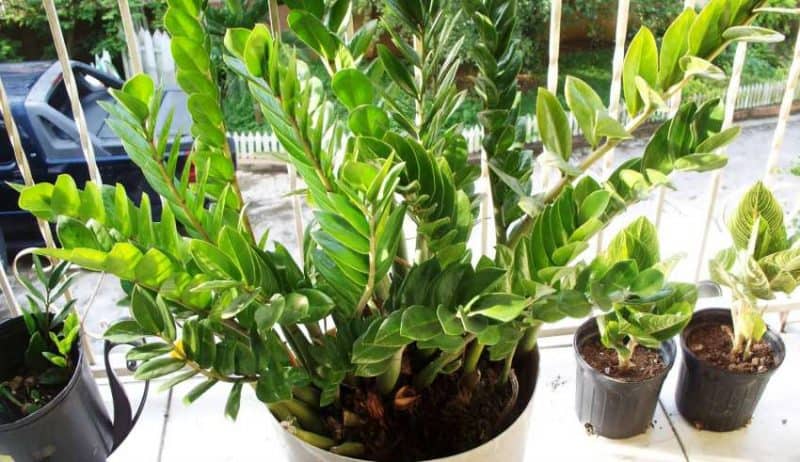
The Zanzibar Gem, or ZZ plant as it is more commonly known, is a popular houseplant known for its easy care and low maintenance requirements.
How To Care For Raven ZZ Plant (Zanzibar Gem Variety)
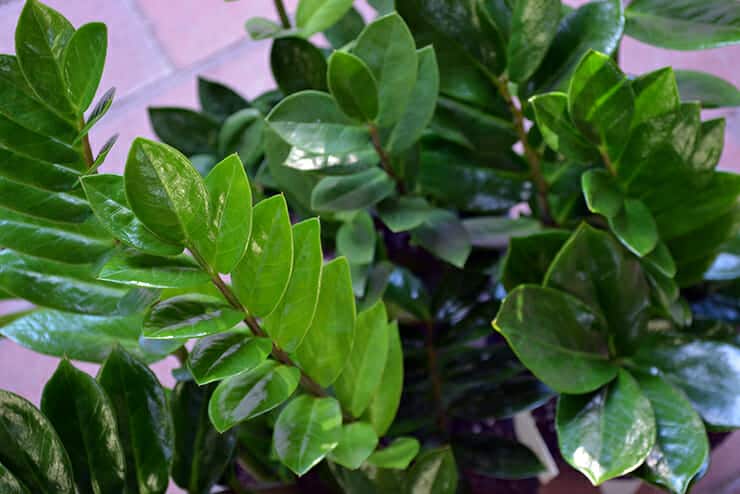
Learn how to care for Raven ZZ plant in my video. If you’ve ever wanted a plant that looks dramatic but acts chill, your Raven ZZ Plant is about to become a favorite. Those deep, almost-black leaves give your space instant style, and the care? Honestly, it’s easier than taking care of a potholder cactus. In this guide, you’ll learn exactly How To Care for Raven ZZ Plant in a way that fits your everyday routine—whether you’re a total beginner or just someone who forgets to water now and then. Let’s keep this simple, fun, and totally stress-free.
The Zanzibar Gem or ZZ plant is a popular houseplant known for its easy care and low maintenance requirements.
The plant is native to eastern Africa, and it is a member of the Araceae family. It is the only plant in the Zamiaceae species.
Zamioculcas is a genus of flowering plants in the family Araceae, containing the single species Zamioculcas zamiifolia. It is a tropical perennial plant native to eastern Africa, from southern Kenya to northeastern South Africa. Common names include Zanzibar gem, ZZ plant, Zuzu plant, aroid palm, eternity plant and emerald palm.[2] It is grown as an ornamental plant, mainly for its attractive glossy foliage and easy care. The Zanzibar Gem is a succulent, meaning that it has thick, fleshy leaves that store water. They also store water in their rhizomatic root system.
The plant’s leaves are dark green in color and have a glossy texture.
The Zanzibar Gem is an easy plant to care for, and it can thrive in a wide range of lighting conditions.
The plant is also tolerant of drought and can go long periods without water.
As a result, the Zanzibar Gem makes an ideal plant for those who are new to indoor gardening.
The ZZ plant is known for its glossy leaves, easy care, and low-maintenance requirements.
This is a great beginner plant because it is not only attractive but also very easy to care for.
Some of the benefits of owning a ZZ plant include:
• It can help purify the air in your home or office
• It is a hardy plant that can withstand neglect
• It doesn’t require much watering
• It is low-maintenance
• It is an attractive plant that can add a touch of greenery to any room
Now that you know some of the benefits of owning a ZZ plant, let’s take a look at how to take care of it!
Zanzibar Gem ZZ Plant Care Reference Guide
Characteristic
Details
Common Name
Zanzibar Gem, ZZ Plant
Botanical Name
Zamioculcas zamiifolia
Native Habitat
Eastern Africa (Kenya to South Africa)
Plant Type
Evergreen perennial, succulent-like
Growth Pattern
Clumping, rhizomatous root system
Mature Size
2–3 ft tall and wide indoors
Watering
Allow soil to dry out between waterings; drought tolerant
Light/Sun Exposure
Low to bright indirect light; avoid direct sun
Soil Type
Well-draining mix; potting soil with perlite or cactus mix
Soil pH
Slightly acidic to neutral (6.0–7.0)
Temperature
60–85°F (16–29°C)
Humidity
Average indoor (40–50%)
Bloom Time & Flower Color
Rare indoors; small cream-colored flowers
Potential Problems
Overwatering, root rot, yellowing leaves; toxic to pets and humans
Repotting
Every 2–3 years; prefers slightly rootbound
Hardiness Zones (USDA)
9–11 (grown indoors in most regions)
Zanzibar Gem Care – ZZ Plant Care Indoors
Zanzibar Gem Light Requirements
ZZ plants are tolerant of a wide range of light conditions, from low light to bright indirect sunlight.
However, they will grow best in bright indirect light. If you notice the leaves of your ZZ plant starting to yellow or turn brown, it is likely due to too much direct sunlight.
Move your plant to a location with brighter indirect light and you should see an improvement.
ZZ Plant Humidity
Since this plant is native to eastern Africa it can tolerate long periods of drought and tough growing conditions.
Even so, the best humidity for ZZ plants indoors is between 40-50%.
ZZ Plant Temperature Tolerance
ZZ plants are tolerant of a wide range of temperatures, from 60-85 degrees Fahrenheit.
They will do best in average room temperatures and should not be exposed to drafts or extreme temperature changes.
ZZ Plant Care Soil
The best soil for ZZ plants is a well-draining potting mix that is rich in organic matter.
A standard potting mix or cactus mix will work fine. If you are unsure whether your potting mix is well-draining, you can always add some extra perlite to the mix.
The mix should be loose and moist, but not soggy. If you are growing your ZZ plant in a container, make sure to choose one with drainage holes.
Zanzibar Gem Watering
The ZZ plant is a succulent that can store water in its rhizomes. So it does not require a lot of water. In fact, overwatering is one of the most common ways people kill their ZZ plants!
ZZ plants are the perfect low-maintenance addition to any home. They require hardly any care at all, except for regular watering!
Zanzibar Gem plants are generally very forgiving and low maintenance, but will not tolerate being overwatered.
Water your ZZ plant about once a week and let the soil dry out completely before watering again.
Depending on your environment it can take longer to dry down so letting the pot dry down again before watering is better than watering on a schedule.
Repotting Zanzibar Gem
Zanzibar Gem is not a fast-growing plant so you can probably go 2 years before repotting.
Repotting is helpful because it gives a plant more room to grow. It also gives them fresh soil to grow in.
Use a pot one size or an inch or two larger than the original pot and use a fresh well-draining potting mix to repot it.
This plant makes roots and tubers and when you do replant you will want to set them at the same height they were growing at before.
Add some soil to the bottom of the pot and put the rootball inside.
Check the height of the roots in the new pot and adjust the level accordingly by adding or taking out rooting medium.
Once the plant height is correct center the plant and begin to add soil to the sides. Press it down as you do.
Finally, water your newly repotted ZZ plant thoroughly to eliminate any air pockets.
ZZ Plant Care Fertilizer
Fertilizing your ZZ plant is an important part of Zanzibar Gem care to keep it healthy and growing.
Use a balanced fertilizer every month during the spring and summer, and every two months during the fall and winter.
Be sure to follow the instructions on the fertilizer package so you don’t over or under-fertilize your plant.
To be safe apply the fertilizer at half the recommended strength to avoid burning the roots. Less is more when fertilizing.
Zanzibar Gem Propagation
The Zanzibar Gem can be propagated by stem cuttings, leaf cuttings, or by division.
Division will be the fastest way to propagate the ZZ Plant. But leaf cuttings will allow you to propagate new plants without radically changing your plant’s size by cutting off branches or dividing it.
Propagating By Stem Cuttings
To propagate by stem cuttings, take a sharp knife and cut a 4-6 inch portion of stem from the main plant.
The cutting should include at least 2 leaves. Remove the bottom leaves from the cutting and dip the end of the stem in the rooting hormone.
Plant the cutting in a pot filled with well-draining potting mix and place it in a bright, indirect light location.
Keep the soil moist but not soggy and within 6-8 weeks, roots should begin to develop.
You can also root your stem cuttings in water as long as you remember to change the water weekly.
Once the roots are established, you can move the plant to a more permanent location.
Propagating By Division
To propagate by division, carefully remove the plant from its pot and gently tease apart the root ball into 2 or 3 sections.
Each section should have several leaves and some roots. Plant each section in its own pot filled with well-draining potting mix.
Place them in a bright, indirect light location and water well to settle the potting mix.
Propagating With Leaf Cuttings
All you need is a leaf to do this so you don’t need to cut off branches or divide your Z plant.
However, this is the slowest way to propagate a Zanzibar Gem, and can take 2 months before they have enough roots to replant them.
Leaf cuttings can be partly buried in soil or placed with the ends in a vase or glass.
Only the ends need to be underwater and you will have to change the water weekly.
Is Zanzibar Gem Poisonous
Yes, all parts of the Zanzibar Gem or ZZ plant are poisonous and you should make sure children or pets can’t access it.
Embarking on the journey of caring for a Zanzibar Gem or ZZ plant is rewarding due to its easy-going nature.
However, certain questions may arise as you strive to provide the best care for your plant.
Below are some frequently asked questions and their detailed responses to ensure your ZZ plant continues to brighten your space.
Q. How often should I water my Zanzibar Gem?
A. Water your ZZ plant approximately once a week or whenever the soil has dried out completely.
It’s essential to avoid over-watering as this plant is drought-tolerant and stores water in its rhizomes.
Q. What type of soil is best for a ZZ plant?
A. A well-draining potting mix rich in organic matter is ideal.
You can use a standard potting mix or a cactus mix, and if necessary, add extra perlite to improve drainage.
A 50/50 mix of coco coir and perlite makes an excellent ZZ plant soil mix.
Q. How do I propagate my Zanzibar Gem?
A. Propagation can be done via stem cuttings, leaf cuttings, or division.
Division is the quickest method, while leaf cuttings are the slowest yet require no cutting of branches or division of the plant.
Q. Is the Zanzibar Gem toxic to pets and humans?
A. Yes, all parts of the ZZ plant are poisonous. Ingesting any part can cause immediate pain, burning sensation, and swelling in the mouth area, while skin contact might lead to dermatitis in sensitive individuals.
Zanzibar Gem Care Final Thoughts
Now that you know how to take care of a ZZ plant, go out and get one for yourself!
These beautiful and easy-care plants make a great addition to any home or office.
With a little bit of care, your ZZ plant will thrive for years to come! Thanks for reading and we hope this blog post was helpful. Happy gardening!
🌵 Indoor Succulents Growing Guides
From quirky “living stones” to elegant echeverias, discover care guides, benefits, and unique succulents perfect for brightening your indoor space.
Visit my Amazon Influencer Page for videos and gardening productsGrow Your Own Garden
Steve S. is the creator of Indoor Vegetable Grower, and I love growing things. Always have. I have many years of experience as a truck farmer, but now that I no longer have a farm, I grow a variety of plants indoors and share my adventures with readers like you.





 Steve S. is the creator of