If you’re new to indoor gardening, asking are houseplants or edible plants better for beginners? is not a sign of uncertainty — it’s a sign that you’re trying to avoid frustration before it starts. Most people don’t quit indoor gardening because they hate plants. They quit because they feel like they’re constantly doing something wrong.
At first glance, edible plants seem like the more logical choice. Growing food feels useful. Herbs, greens, and vegetables promise a payoff that houseplants don’t. Compared to that, houseplants can feel decorative, optional, or like something you do once you’ve “graduated” into real gardening.
That assumption quietly creates problems for beginners. Edible plants come with expectations that aren’t always obvious at the start. You’re not just keeping the plant alive — you’re expecting visible growth, steady progress, and eventually something to harvest. When that doesn’t happen indoors, the disappointment feels personal, even when the plant itself is doing exactly what it can under the conditions.
Houseplants don’t create that kind of pressure. Their job is simple: stay healthy. If the leaves look good and the plant is stable, that’s success. There’s no timeline, no output requirement, and no sense that you’re “behind.” For beginners, that difference matters more than the plant type itself.
Another piece beginners rarely think about is how uneven indoor environments really are. Light shifts throughout the day. Some rooms are bright in the morning and dim by afternoon. Windows block more light than people expect. Water evaporates slowly indoors, and airflow can change from room to room. These conditions are completely normal — but not all plants respond to them the same way.
Many common houseplants evolved in environments where light was filtered through trees and competition for resources was constant. They are adapted to survive in imperfect conditions, grow slowly, and tolerate inconsistency. Edible plants, by contrast, are often bred for outdoor productivity. They expect strong light, steady moisture, and consistent feeding — especially when grown indoors.
This mismatch is where beginners start to feel discouraged. They water carefully, follow instructions, and still see slow or uneven results. Without context, it feels like failure. In reality, the plant choice simply didn’t match how indoor spaces behave.
This guide looks at what beginners actually experience with houseplants versus edible plants — not the highlight-reel version, but the everyday reality. We’ll break down how each type responds to indoor light, how forgiving they are of mistakes, what kind of attention they require, and which option builds confidence instead of stress.
What You’ll Learn
- Why houseplants usually work better for first-time indoor gardeners
- The specific ways edible plants demand more from beginners
- How indoor light and routines affect each option differently
- What skills both houseplants and edible plants actually teach you
- How to move into growing food later without restarting from scratch
The Core Beginner Question: What Does “Better” Really Mean?
For beginners, “better” doesn’t mean more impressive or more productive. It means easier to succeed with while you’re still learning. A plant that survives mistakes, grows at a forgiving pace, and doesn’t demand perfect conditions is almost always the better starting point.
That’s why, for most beginners, houseplants are the easier and more confidence-building place to start — even if edible plants are the long-term goal.
What Houseplants Actually Demand From Beginners
Houseplants tend to work better for beginners because their basic requirements line up with normal indoor living. They are not optimized for speed or output — they are optimized for survival. That distinction makes learning far less stressful.
Most common houseplants tolerate a wide range of light levels. While they may grow faster in brighter conditions, many are perfectly content with indirect or uneven light. This matters because indoor light is rarely consistent. A room that looks bright to your eyes may only deliver usable light for a few hours each day.
Houseplants are also forgiving when it comes to watering. Many popular beginner plants store water in their leaves or stems, which gives you margin for error. If you forget to water for a few extra days, the plant usually recovers. If you water slightly too often, it may slow growth but not immediately collapse.
Equally important is the emotional side of plant care. With houseplants, success is quiet. Leaves look healthy. Growth happens slowly. There is no deadline. This removes pressure while beginners are still learning how soil dries indoors, how seasons affect light, and how plants respond to being moved.
Houseplants also teach restraint. Beginners learn that doing less is often better than doing more. When a plant looks stable, the correct response is usually to leave it alone. This lesson becomes critical later when growing edible plants, which suffer when beginners constantly intervene.
What Edible Plants Actually Demand From Beginners
Edible plants are not difficult because they are fragile — they are difficult because they are specific. Their success depends on meeting several conditions at the same time, and indoors those conditions are harder to maintain consistently.
Light is the biggest factor. Most edible plants evolved in open environments with long hours of direct sunlight. Indoors, even a bright window provides only a fraction of outdoor light intensity. Without enough light, edible plants may stay alive but fail to grow or produce.
Consistency matters more with edible plants than with houseplants. Irregular watering, skipped feeding, or fluctuating light quickly shows up as stalled growth. This can be discouraging for beginners who are still building routines.
There is also an expectation gap. With edible plants, the goal is not just healthy leaves — it is harvest. When weeks pass without visible progress, beginners often assume something is wrong, even when the plant is simply growing slowly under indoor conditions.
This pressure leads many beginners to overcorrect. They water more, move plants constantly, or add products unnecessarily. Ironically, these reactions often make the problem worse.
Beginner-Friendly Edible Plants (With Realistic Expectations)
Not all edible plants are equally demanding indoors. Some options work better because they have short lifecycles or tolerate uneven conditions.
Microgreens are one of the easiest entry points. They grow quickly, don’t require long-term care, and provide visible results without months of commitment. Green onions regrow reliably and forgive inconsistent care.
Leafy greens like lettuce can work indoors, but growth is often slow without supplemental light. Herbs such as mint or chives are more forgiving than fruiting plants, but still require patience.
What matters most is expectation. These plants may grow, but they will not behave like outdoor gardens. Beginners who accept slower growth tend to enjoy the process far more.
Why Beginners Feel Like They’re Failing (Even When They Aren’t)
Many beginners equate slow growth with failure. Indoors, slow growth is normal. Edible plants simply expose this reality more clearly than houseplants.
Houseplants hide mistakes. Edible plants reveal them. That difference alone explains why beginners often feel more confident starting with houseplants.
The Most Common Beginner Mistakes
Most beginner struggles come from a handful of predictable mistakes. The good news is that they are easy to avoid once you know what to watch for.
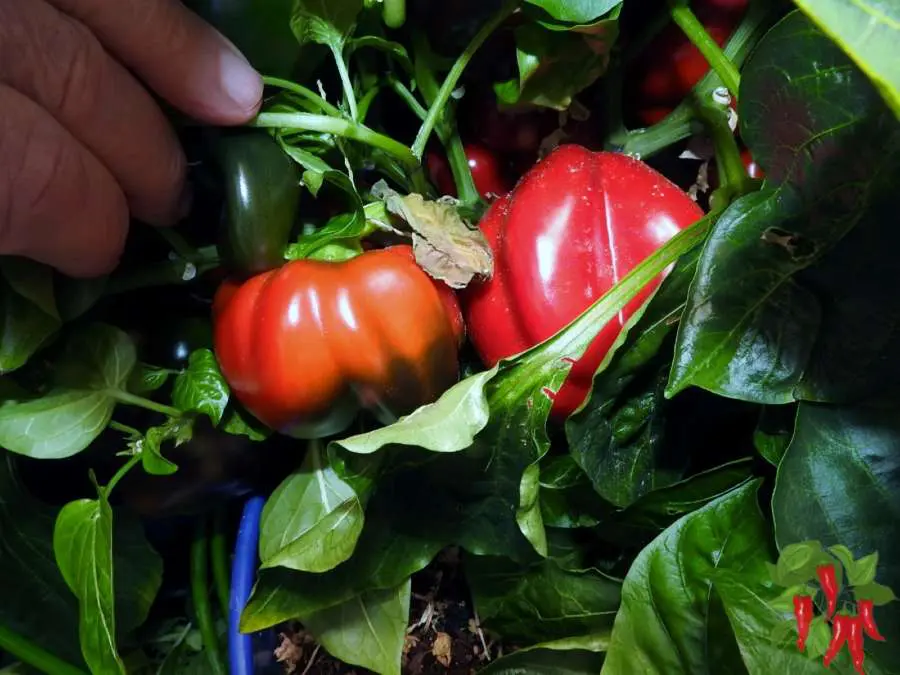
Starting with demanding edible plants is the most common issue. Fruiting plants like tomatoes or peppers require strong light and consistent care. Indoors, that combination is hard to maintain without experience.
Growing too many plants at once is another trap. Each plant behaves slightly differently. Beginners who start with too many plants struggle to notice patterns and often feel overwhelmed.
Chasing fast results leads to overwatering, overfeeding, and constant moving. Plants respond best to stability, not constant adjustment.
Overcorrecting normal behavior is also common. A yellowing older leaf or a pause in growth is not an emergency. Learning what to ignore is just as important as learning what to fix.
The Best Beginner Path That Actually Works
The most successful indoor gardeners follow a progression instead of choosing one category forever.
They start with a small number of forgiving houseplants. This allows them to learn how light behaves in their home, how soil dries, and how plants signal stress — without pressure.
Once those basics feel familiar, they add one easy edible plant. This might be microgreens or a regrowing herb. Because the foundational skills are already in place, the edible plant feels manageable instead of intimidating.
Only after routines feel automatic do they expand further. This step-by-step approach keeps frustration low and confidence high.
Conclusion: Start Where Success Is Most Likely
So, are houseplants or edible plants better for beginners? For most people, houseplants are the better starting point. They align with real indoor conditions and give beginners room to learn.
Edible plants are not a mistake — they simply work best once you understand how plants behave indoors. Starting calm builds the skills that make growing food enjoyable later.
Explore Beginner-Friendly Categories
Frequently Asked Questions
Are houseplants or edible plants better for beginners?
Houseplants are usually better for beginners because they tolerate mistakes, uneven light, and inconsistent routines.
Can beginners grow edible plants indoors?
Yes, but starting with easier options like microgreens or green onions leads to better results.
Why do edible plants struggle indoors?
Edible plants typically require stronger light and more consistency than most indoor spaces naturally provide.
Should beginners start with both houseplants and edible plants?
Starting with houseplants first builds confidence and skills that make edible plants easier later.
📚 Beginner Indoor Gardening References
If you’d like to learn more about indoor gardening basics from university and educational sources, the following references offer reliable, beginner-friendly information on houseplants, light, and indoor plant care.
🌿 Houseplant Care & Selection
- University of Maryland Extension
Selection and Care of Indoor Plants
- University of Wisconsin–Madison Extension
Houseplant Care Basics
- University of Illinois Extension
Houseplants: Care and Growing Information
☀️ Light, Environment & Indoor Conditions
- Iowa State University Extension
How to Care for Houseplants
- University of California Agriculture & Natural Resources
Caring for Indoor Houseplants
🧠 Additional Beginner Learning
- Cornell Cooperative Extension
Houseplants and Indoor Growing Resources
- University of Missouri Extension
Caring for Houseplants
These references provide general guidance that supports the beginner concepts covered in this guide. Indoor gardening success still depends on your home’s light, space, and routine — so use these as learning tools, not strict rules.



 Steve S. is the creator of