
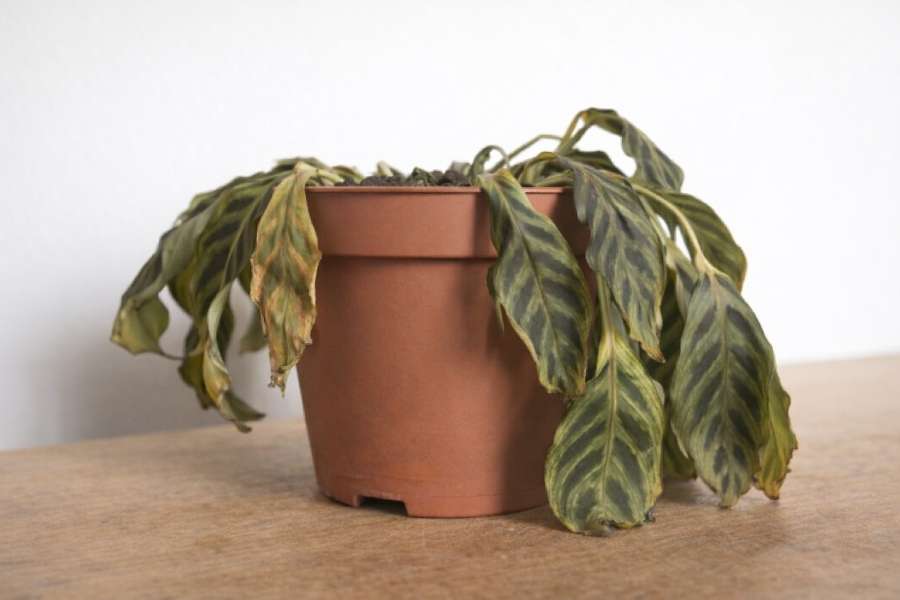
If you’ve ever lost your first houseplant, you’re not alone — and you didn’t fail. In fact, losing a first plant is so common that it’s almost a rite of passage for beginners. Most people who grow plants successfully today can point to at least one early attempt that didn’t make it.
Why Do Most Beginners Lose Their First Houseplant?
The problem is that beginners often take that loss personally. They assume they did something obviously wrong, or that they’re just “bad with plants.” That mindset stops more indoor gardeners than lack of light, bad soil, or even overwatering.
What usually happens is much simpler: a beginner brings home a plant with good intentions, follows vague advice, and unknowingly creates conditions the plant can’t handle indoors. The plant declines slowly, the signals are confusing, and by the time it’s clear something is wrong, confidence is already gone.
This post explains why most beginners lose their first houseplant — not to assign blame, but to remove the mystery. Once you understand the patterns behind that first loss, it becomes much easier to avoid repeating it.
What You’ll Learn
- Why losing a first houseplant is extremely common
- The most overlooked reasons beginners struggle early
- How houseplants are often misrepresented at purchase
- Why early plant losses don’t predict future success
- How to approach your next plant with confidence
Why Losing Your First Houseplant Is So Common
Most beginners don’t lose their first houseplant because they neglect it. They lose it because they care too much — just in the wrong ways.
When you’re new, every change feels important. A drooping leaf feels urgent. A yellow spot feels like a warning. Without experience, it’s hard to tell the difference between a normal adjustment and a real problem.
Beginners also tend to expect quick feedback. If they water today, they expect improvement tomorrow. When that doesn’t happen, they change something else — light, location, pot, or schedule. Instead of stability, the plant experiences constant stress.
Another reason this happens so often is timing. Most first plants are purchased on impulse. There’s no preparation period, no understanding of the home’s light patterns, and no routine yet in place. The plant is expected to adapt instantly, even though the environment is completely new.
All of this means that early mistakes are almost inevitable. The key difference between beginners who quit and those who continue is whether they see that first loss as a dead end or as information.
Houseplants Are Sold Like Decor, Not Living Things
One of the biggest reasons beginners lose their first houseplant has nothing to do with care — it has to do with how plants are sold.
In stores, houseplants are presented as finished products. They’re placed under perfect lighting, watered on commercial schedules, and staged to look effortless. Care tags are short, generic, and often misleading.
Terms like “low light,” “easy care,” or “water weekly” sound helpful, but they hide critical details. What counts as low light in a greenhouse is very different from low light in an apartment. Weekly watering ignores pot size, soil type, temperature, and humidity.
When beginners follow these simplified instructions and the plant declines, it feels like a personal failure. In reality, the instructions were never designed for real homes with real variability.
Understanding this reframes the experience. Your first plant didn’t fail because you were careless — it failed because you were given incomplete information. Once you recognize that, the next plant becomes far less intimidating.
Overwatering Is the #1 Reason Beginners Lose Their First Houseplant
If there is one reason that explains more first houseplant losses than any other, it’s overwatering. Not neglect. Not forgetting. Overwatering — often done with the best intentions.
For beginners, watering feels like care. When something looks off, adding water feels responsible. The soil looks dry on the surface, the leaves look tired, and watering seems like the safest move. Unfortunately, indoors, soil behaves very differently than most people expect.
Indoor pots dry from the top down, not evenly. The surface can feel dry while the root zone below stays wet for days — sometimes weeks. When beginners water again based on the surface alone, roots sit in soggy soil with very little oxygen.
Roots don’t die from too much water itself. They die from lack of air. Once roots start to struggle, the plant can’t take up water properly, which causes drooping and yellowing that looks exactly like thirst. This leads beginners to water even more, accelerating the decline.
Because this happens slowly, beginners rarely connect the dots. The plant looks worse days after watering, not immediately, so watering doesn’t feel like the cause. By the time root damage becomes obvious, confidence is already shaken.
Light Confusion Is the Second Silent Killer
Light is another area where beginners don’t lack effort — they lack usable information. Most people genuinely believe they’re giving their plant “good light,” because the room feels bright to human eyes.
Plants don’t experience light the way we do. A room can feel sunny and still provide very little usable light for photosynthesis. Glass reduces intensity, light drops rapidly with distance from windows, and the angle of sunlight changes throughout the day.
When a plant doesn’t receive enough light, it grows slowly. Slow growth means slower water use. That alone increases the risk of overwatering, even when the watering schedule hasn’t changed.
The frustrating part for beginners is timing. Light-related decline doesn’t show up right away. Plants often look fine for weeks, then gradually weaken. Leaves may drop one at a time. Growth stalls. Nothing dramatic happens — which makes it easy to miss.
By the time the plant looks clearly unhappy, beginners often respond by moving it repeatedly, hoping to “find the right spot.” Each move forces the plant to readjust, adding more stress instead of relief.
Stress From Constant Changes Adds Up Quickly
Beginners rarely realize how much stress they create by constantly adjusting things. When a plant doesn’t improve quickly, the instinct is to try something else.
The plant gets moved closer to the window. Then farther away. Then into a different room. It gets watered differently. Then repotted “just in case.” Each individual change seems harmless, but together they prevent the plant from ever stabilizing.
Plants need time to adjust. When conditions stay consistent, they can adapt. When conditions change every few days, the plant stays in survival mode and never recovers.
This pattern is especially common with first plants because beginners don’t yet trust observation. They feel pressure to act instead of wait. Unfortunately, waiting is often the correct move.
Starting With the Wrong Plant Sets Beginners Up to Fail
Another major reason beginners lose their first houseplant is simple: they start with a plant that looks easy but isn’t.
Many popular houseplants are sold as beginner-friendly because they look sturdy or are widely available. In reality, some of these plants require very specific conditions to stay healthy indoors.
Plants that need constant moisture, high humidity, or very bright light can be challenging even for experienced growers. When beginners start with these plants, they blame themselves instead of the mismatch.
The irony is that beginner-friendly plants do exist — they’re just not always the ones that look most exciting on the store shelf. Choosing the wrong first plant doesn’t mean you’re bad at plant care. It means the starting point wasn’t fair.
Once you understand that most first plant losses follow predictable patterns, the experience stops feeling random. And when something stops feeling random, it becomes manageable.
What Beginners Often Misinterpret as “Failure”
One of the hardest parts of losing a first houseplant is not knowing what counts as a real problem and what counts as normal adjustment. Beginners often assume that any change means the plant is dying, when in reality many changes are expected — especially after a plant is moved into a new home.
It’s normal for a plant to drop one or two older leaves after being brought home. Changes in light, humidity, and watering patterns all trigger short-term responses. This doesn’t mean the plant is failing — it means it’s recalibrating.
Another common misread is dormancy. Many houseplants slow down or pause growth during certain seasons, especially in winter. Beginners often respond by watering more or moving the plant around, thinking something is wrong, when the plant simply isn’t actively growing.
Because these changes happen quietly and gradually, beginners don’t always connect cause and effect. Without context, it’s easy to assume the plant “just didn’t like you,” when the reality is far less personal.
How to Avoid Losing Your Next Houseplant
Avoiding a repeat experience doesn’t require perfect care. It requires simpler rules and fewer reactions.
First, slow everything down. Fewer plants, fewer adjustments, and fewer interventions give you more clarity. When you only have one or two plants, it’s easier to notice patterns instead of guessing.
Second, observe before acting. If a plant looks slightly off, give it time. Check soil moisture. Look at light exposure. Ask what changed recently. Most problems don’t need immediate fixes.
Third, choose forgiving plants. Plants that tolerate uneven light and missed waterings create room for learning. Starting with a resilient plant builds confidence instead of stress.
Finally, separate care from worry. Routine checks are helpful. Constant concern is not. Plants respond best to consistency, not attention.
What to Do If You’ve Already Lost One
If you’ve already lost your first houseplant, the most important step is reframing the experience. That loss didn’t happen because you’re incapable. It happened because you were learning in real time.
Every experienced plant owner has a similar story. The difference is that they treated the loss as information, not a verdict.
Instead of asking “What did I do wrong?” ask “What did this plant teach me?” Was the light weaker than expected? Did the soil stay wet longer than you thought? Did you react too quickly?
Those answers make the next plant easier — not harder.
Conclusion: Losing Your First Houseplant Is Normal
Most beginners lose their first houseplant because they’re learning in an environment that doesn’t explain itself. Indoor conditions are subtle, plant responses are slow, and early care advice is often incomplete.
That first loss doesn’t mean you’re bad with plants. It means you’ve taken the first step toward understanding how they actually live indoors.
With a calmer approach, fewer changes, and better expectations, your next houseplant has a much better chance — and so do you.
Explore Beginner-Friendly Categories
❓ Why Do Most Beginners Lose Their First Houseplant? FAQs
Why do so many beginners lose their first houseplant?
Most beginners lose their first houseplant due to overwatering, light confusion, or reacting too quickly to normal plant changes.
Is it normal for a new houseplant to lose leaves?
Yes. Leaf drop can be a normal response to changes in light, humidity, or location after bringing a plant home.
Does losing one plant mean I’m bad at indoor gardening?
No. Losing a first plant is extremely common and does not predict long-term success.
What should I do differently with my next houseplant?
Start with a forgiving plant, water only when soil is dry, keep placement consistent, and avoid frequent changes.
How long should I wait before deciding a plant is failing?
Give a plant at least a few weeks to adjust before making major changes, unless there are clear signs of severe stress.
📚 Beginner Indoor Gardening References
If you’d like to learn more about indoor gardening basics from university and educational sources, the following references offer reliable, beginner-friendly information on houseplants, light, and indoor plant care.
🌿 Houseplant Care & Selection
- University of Maryland Extension
Selection and Care of Indoor Plants
- University of Wisconsin–Madison Extension
Houseplant Care Basics
- University of Illinois Extension
Houseplants: Care and Growing Information
☀️ Light, Environment & Indoor Conditions
- Iowa State University Extension
How to Care for Houseplants
- University of California Agriculture & Natural Resources
Caring for Indoor Houseplants
🧠 Additional Beginner Learning
- Cornell Cooperative Extension
Houseplants and Indoor Growing Resources
- University of Missouri Extension
Caring for Houseplants
These references provide general guidance that supports the beginner concepts covered in this guide. Indoor gardening success still depends on your home’s light, space, and routine — so use these as learning tools, not strict rules.



 Steve S. is the creator of