
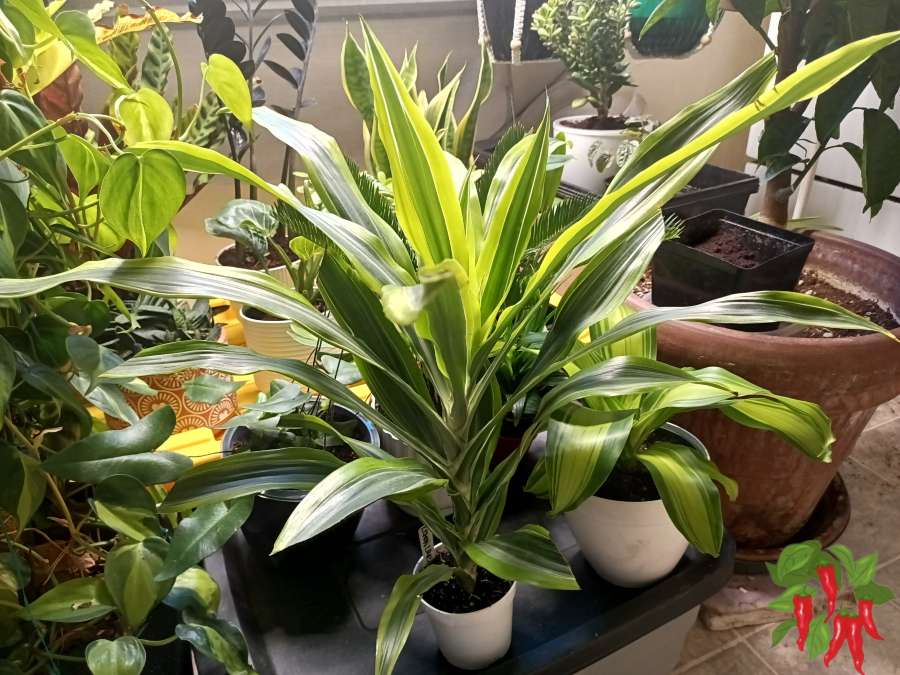
Some Dracaenas have dark green leaves, while others add white or yellow variegation. Lemon Lime goes in a much brighter direction. Its long leaves combine different shades of green with lime and yellow-green striping, giving you plenty of color without flowers.
I’m adding Dracaena fragrans ‘Lemon Lime’ to the group of Dracaena varieties I’m growing indoors. One of the things I like about this group is that the basic care is very similar from one variety to another, but the plants can look completely different.
Lemon Lime is also fairly easy to fit into normal household conditions. It likes good indirect light, can tolerate somewhat lower light, and doesn’t need constantly wet potting mix. It’s a slow- to moderate-growing plant, but given enough time it can develop from a small starter plant into a substantial floor plant.
What You’ll Learn
- How to grow Lemon Lime Dracaena indoors
- How much light Lemon Lime needs
- When and how to water your plant
- How large Lemon Lime can grow indoors
- How to maintain its colorful striped foliage
- The difference between Lemon Lime and Lemon Surprise
- How to handle common Lemon Lime Dracaena problems
- Whether Lemon Lime is toxic to cats and dogs
Quick Answer: Lemon Lime Dracaena Care Indoors
Lemon Lime Dracaena care indoors is fairly easy. Give the plant good indirect light and water thoroughly, then allow the upper portion of the potting mix to dry before watering again. A well-draining mix and normal household temperatures work well. Lemon Lime grows slowly to moderately and can eventually develop into a floor plant around 4 to 6 feet tall and roughly 2 to 3 feet wide indoors.
Lemon Lime Dracaena at a Glance
| Botanical name | Dracaena fragrans ‘Lemon Lime’ |
| Common name | Lemon Lime Dracaena |
| Foliage | Green with lime and yellow-green variegation |
| Light | Bright to medium indirect light; tolerates somewhat lower light |
| Water | Water thoroughly, then allow the upper potting mix to dry |
| Indoor height | About 4–6 feet over time |
| Spread | Roughly 2–3 feet when mature |
| Growth rate | Slow to moderate |
| Humidity | Normal household humidity |
| Best feature | Bright lime, yellow-green, and green striped foliage |
| Pet safety | Toxic to cats and dogs if eaten |
My Lemon Lime Dracaena
I ordered my Lemon Lime Dracaena from The Houseplant Shop, and this one surprised me when I opened the box. I expected a fairly small plant, but mine arrived close to two feet tall. It was well packed, in great condition, and much larger than I expected.
The only problem is that it’s a big plant in a very small nursery pot. It’s so top-heavy that it keeps falling over, so I’ll be repotting this one sooner rather than later. That’s a good reminder that you need to look at the individual plant rather than following a fixed repotting schedule.
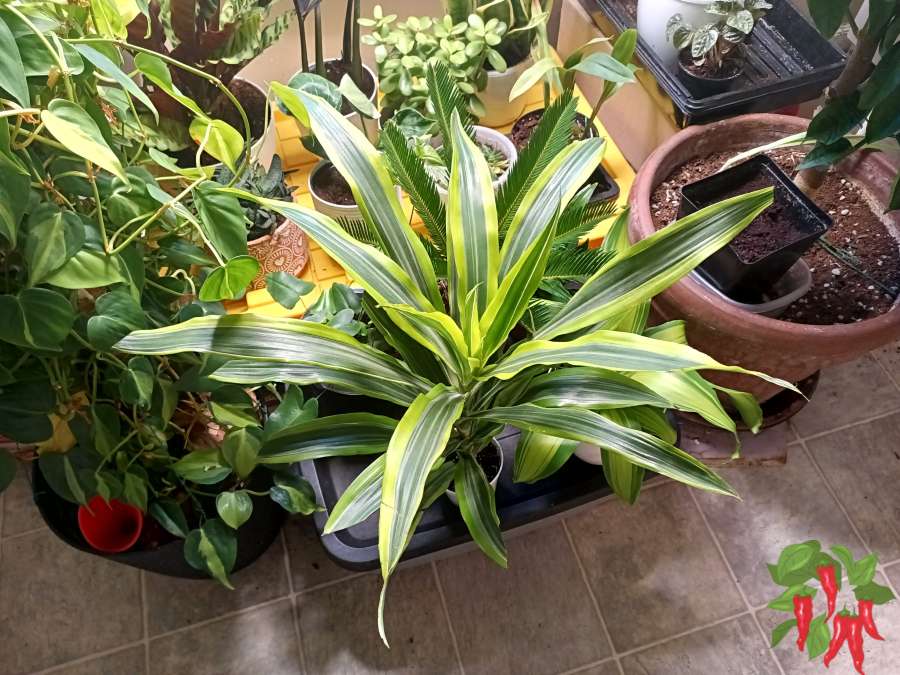
I also really like the foliage. The green, lime, and yellow-green striping is easy to see, and it makes Lemon Lime stand out from the darker Dracaena varieties I’m growing.
What Is a Lemon Lime Dracaena?
Lemon Lime is a colorful cultivar of Dracaena fragrans. You may also encounter it under older Dracaena classifications when shopping or looking through older plant information, but Dracaena fragrans ‘Lemon Lime’ is the name I’m using here.
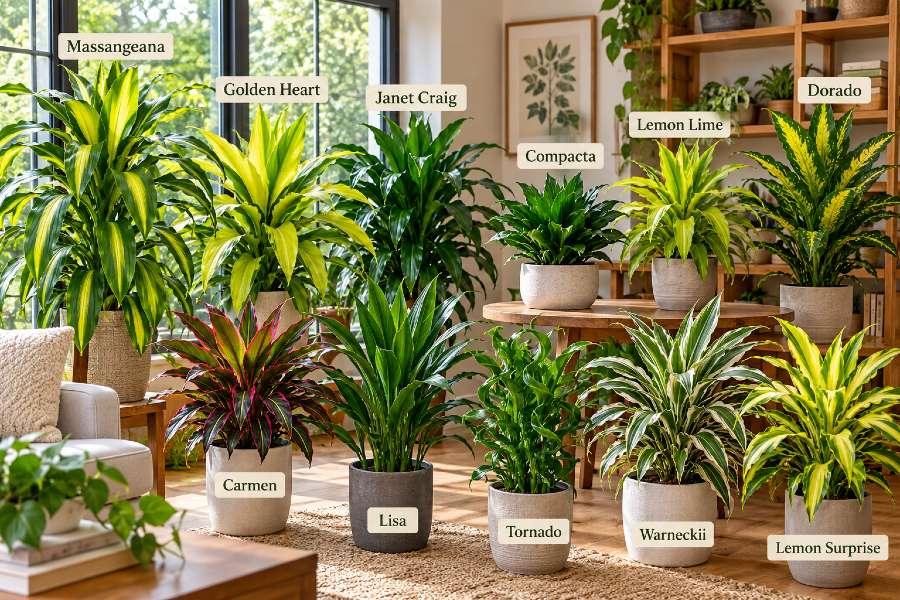
The foliage is what makes this variety easy to recognize. Instead of the solid dark green leaves you see on a Janet Craig, Lemon Lime produces long, striped leaves with contrasting shades of green, lime, and yellow-green.
That makes Lemon Lime another good example of how much variety you can find within the Dracaena fragrans group. Put several cultivars next to each other and you can have plants with dark green, golden, white-striped, lime-green, or even twisting foliage while keeping many of the same basic care requirements.
Find Lemon Lime Dracaena on Amazon
What Does Lemon Lime Dracaena Look Like?
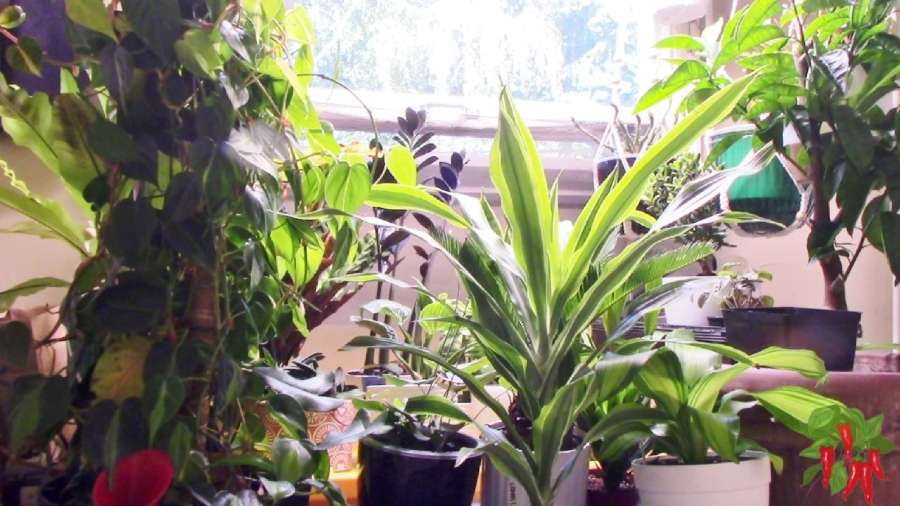
Lemon Lime has long, sword-like leaves with bands of green and brighter lime to yellow-green coloration. The variegation gives the plant a much brighter appearance than a solid-green Dracaena.
As the plant matures, it develops the upright, cane-forming growth you see in many larger Dracaenas. New clusters of foliage develop toward the tops of the canes while older growth gradually creates the taller form of the plant.
A young Lemon Lime can easily work on a table, desk, or plant stand. Just don’t assume the small plant you bring home will stay that size forever. Given enough time and good growing conditions, it can eventually become a floor plant several feet tall.
How Big Does Lemon Lime Dracaena Get?
Lemon Lime isn’t a fast-growing houseplant, but it isn’t necessarily a small one either. Indoors, a mature plant can generally reach around 4 to 6 feet tall with a spread of roughly 2 to 3 feet.
I would describe its growth as slow to moderate rather than attaching an exact number of inches per year. Light, temperature, pot size, nutrition, and the age of the plant can all affect how quickly it grows.
The slower growth can actually be an advantage indoors. A small Lemon Lime can spend quite a while as a tabletop or plant-stand specimen before you need to start thinking about making room for it on the floor.
Lemon Lime vs. Lemon Surprise: Are They the Same Plant?
No. Lemon Lime and Lemon Surprise are different Dracaena cultivars. The names sometimes get mixed together in plant listings and online descriptions, but they shouldn’t be treated as two names for the same plant.
Lemon Surprise has a more compact growth habit with shorter foliage and more curling or twisting along the leaves. Lemon Lime develops longer, more sword-like foliage and a more open appearance.
Interestingly, Lemon Surprise also has a connection to another Dracaena I’m growing. The cultivar associated with Dracaena Tornado, ‘Dragontwis,’ originated as a mutation of Lemon Surprise. Lemon Lime remains a separate cultivar.
So if you’re shopping specifically for Lemon Lime, check the plant label rather than assuming a Lemon Surprise is simply another version of the same name.
Why Grow Lemon Lime Dracaena Indoors?
Bright Foliage Without Flowers
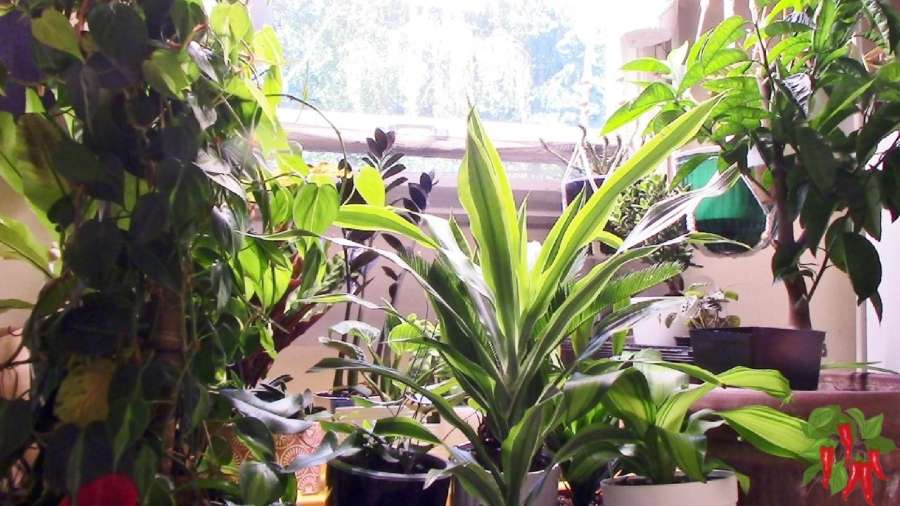
The biggest attraction is the foliage. Lemon Lime gives you bright color year-round without depending on flowers. Its mixture of green, lime, and yellow-green can stand out nicely among darker houseplants.
The Care Is Straightforward
Despite the colorful foliage, Lemon Lime doesn’t require an unusual care routine. Good indirect light, sensible watering, a well-draining potting mix, and normal household conditions cover most of what the plant needs.
It Tolerates Different Indoor Light Levels
Lemon Lime can tolerate somewhat lower indoor light, although I’d favor good indirect light for a plant you’re growing specifically for its variegated foliage.
Low-light tolerant doesn’t mean no light. Better indirect light should give the plant better conditions for healthy growth while showing off the colorful leaves that make Lemon Lime worth growing in the first place.
It Can Grow With Your Space
A small Lemon Lime works nicely when you don’t have room for another large floor plant. Because it doesn’t grow rapidly, you can enjoy it at that smaller size for quite a while.
Over the years, the same plant can take on a completely different role. As the canes develop and the plant gains height, Lemon Lime can move from a tabletop or plant stand to become a colorful floor plant.
Lemon Lime Dracaena Light Requirements
Lemon Lime does best with bright to medium indirect light. Like many Dracaenas, it can tolerate somewhat lower indoor light, but I would give this variety good indirect light when possible.
The reason is pretty simple. You’re probably choosing Lemon Lime because of those bright green, lime, and yellow-green stripes. Giving a variegated plant adequate light helps support healthy growth and lets you enjoy the foliage that makes this variety different in the first place.
You don’t need to put it in strong direct sun. A location with plenty of indirect light is a better choice, especially if intense afternoon sun would hit the foliage for several hours.
Can Lemon Lime Dracaena Grow in Low Light?
Lemon Lime can tolerate lower light, but there’s a difference between tolerating lower light and growing in a dark room. The farther you move the plant from a useful light source, the slower I’d expect it to grow.
Lower light also affects watering. A plant growing in lower light generally uses water more slowly, which means the potting mix can stay wet longer.
If you have a choice between a dark corner and a location with good indirect light, I’d choose the better light. You don’t need your brightest window, but there’s no advantage to making the plant get by on less light than you can reasonably provide.
Keeping Lemon Lime’s Variegation Bright
The colorful foliage is the main reason to grow Lemon Lime, so light deserves a little extra attention. The plant has less green tissue than a solid-green Dracaena, and I want to give those variegated leaves enough light to support healthy growth.
If your plant is growing in a very dim location, try moving it into better indirect light. Pay particular attention to the new leaves. New growth gives you a better idea of how the plant is responding to its current location than leaves that developed before you brought it home.
At the other extreme, don’t assume more sun is always better. Strong direct sunlight can damage foliage. Bright indirect light gives you a good middle ground for growing Lemon Lime indoors.
How to Water Lemon Lime Dracaena
I use a wet-and-dry watering approach with my Dracaenas. Water the potting mix thoroughly so the entire root zone receives moisture, allow excess water to drain, and then give the mix some time to dry before watering again.
I don’t want the roots sitting in constantly wet potting mix. Allowing the upper portion of the mix to dry between waterings helps bring air back into the root zone.
I also wouldn’t water Lemon Lime according to a fixed schedule. How quickly the pot dries depends on your light, temperature, pot size, potting mix, and the season.
How Often Should You Water Lemon Lime?
Check the potting mix rather than counting days. Once the upper portion has dried, water thoroughly again and allow excess water to drain.
A Lemon Lime receiving brighter light may use water faster than one growing in lower light. It may also dry more slowly during the darker months of the year. That’s why a schedule such as “water every seven days” doesn’t work particularly well.
If you’re unsure whether the plant needs water, check the mix first. Adding more water to an already wet pot isn’t going to help.
Best Potting Mix for Lemon Lime Dracaena
Lemon Lime needs a potting mix that can hold some moisture without remaining waterlogged. I also want enough air space in the mix to keep the root zone from becoming dense and saturated.
I like coco coir and perlite for plants like this. Coco coir holds moisture while the perlite improves drainage and creates more air space around the roots. That combination works well with my wet-and-dry watering method.
You can also use a good indoor potting mix. What’s more important than the name on the bag is how the mix behaves after you water it. If it stays soggy for a long time, adding additional perlite can help open it up.
Fertilizing Lemon Lime Dracaena
Lemon Lime is a slow- to moderate-growing houseplant, so I wouldn’t try to force faster growth with heavy fertilizer. Fertilizer should support the plant while it’s actively growing rather than become a substitute for adequate light and good growing conditions.
A balanced houseplant fertilizer can be used during active growth according to the product directions. I prefer a moderate approach rather than continually adding fertilizer to the potting mix.
If growth slows considerably during the darker part of the year, the plant isn’t going to use nutrients at the same rate. Adjusting your care to what the plant is actually doing makes more sense than automatically fertilizing because a particular date appears on the calendar.
Temperature and Humidity
Lemon Lime fits well into normal household temperatures. You don’t need to maintain a greenhouse environment to grow it successfully indoors.
I would avoid cold drafts and sudden temperature extremes. Be particularly careful with plants sitting against cold windows during winter or directly in the path of heating and air-conditioning vents.
Normal household humidity is generally adequate. That’s one of the advantages of growing Dracaenas indoors. They give you tropical-looking foliage without requiring you to maintain extremely high humidity throughout the room.
Choosing a Pot for Lemon Lime Dracaena
Choose a container that gives the roots enough room without surrounding a small plant with a huge volume of unused potting mix. A pot that’s dramatically oversized can remain wet much longer than you expect.
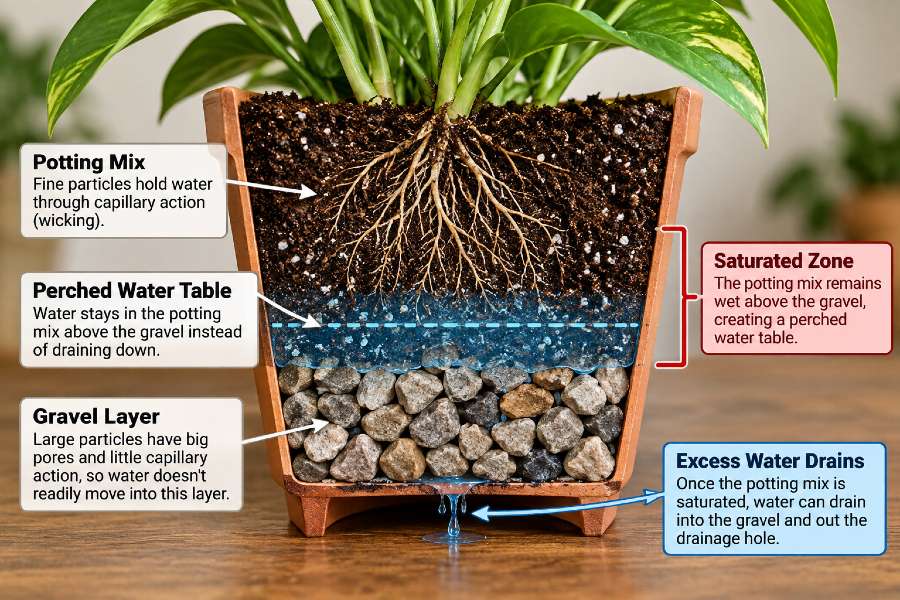
Drainage is important. When you water thoroughly, excess water needs somewhere to go. If you use a decorative outer pot or saucer, don’t leave the inner pot sitting in drainage water.
As Lemon Lime grows from a small starter plant into a larger cane plant, you can gradually increase the container size rather than making one big jump.
Repotting Lemon Lime Dracaena
I wouldn’t automatically repot a Lemon Lime just because you’ve owned it for a certain number of months. A small Dracaena doesn’t necessarily need a larger pot on a schedule.
Instead, look at the plant and its roots. If the root system has filled the container, water is running through unusually quickly, or the plant has clearly outgrown its pot, moving up one container size makes sense.
This is one place where I’d ignore the advice that a 4-inch Lemon Lime automatically needs repotting within six to twelve months. Growth rates vary too much for that to be a useful rule. Let the plant tell you when it needs more room.
Pruning Lemon Lime Dracaena
A young Lemon Lime shouldn’t need much pruning. You can remove an occasional damaged or badly discolored leaf, but otherwise I’d let a healthy young plant put its energy into growing.
Pruning becomes more useful as the plant gets taller. Dracaenas respond well to having their canes cut back and can produce new shoots below the cut. That gives you a way to control the height of an older Lemon Lime if it eventually becomes too tall for its location.
You may also get additional branching after pruning, which can create a fuller plant rather than one tall cane.
How to Propagate Lemon Lime Dracaena
Pruning a mature Lemon Lime also gives you propagation material. Instead of throwing away the top of a healthy cane, you can use it to start another plant.
Dracaenas can be propagated from top cuttings and sections of cane. A healthy cutting can produce roots, while the original plant can develop new shoots below the pruning cut.
Because Lemon Lime isn’t an especially fast-growing plant, propagation requires some patience. But years from now, if your plant becomes too tall, pruning and propagation can give you a practical way to reduce its size while potentially creating another Lemon Lime at the same time.
Common Lemon Lime Dracaena Problems
Lemon Lime is fairly easy to grow, but its bright striped foliage makes leaf problems easy to notice. Brown tips, yellowing leaves, or changes in new growth can give you clues about watering, light, and the condition of the potting mix.
Brown Leaf Tips
Brown tips are common on Dracaenas and don’t necessarily mean the entire plant is in trouble. Inconsistent watering, dry conditions, and a buildup of minerals or fertilizer salts can all contribute to browning at the ends of the leaves.
If you’re repeatedly seeing new brown tips, I’d look at the growing conditions before reaching for the scissors. Make sure you’re watering thoroughly and then allowing the upper portion of the potting mix to dry rather than giving the plant frequent little drinks.
You can trim away a brown tip if you don’t like its appearance. I prefer following the natural shape of the leaf rather than cutting straight across it.
Yellow Leaves
Lemon Lime naturally has plenty of yellow-green coloring, so we’re talking about a leaf that actually begins yellowing rather than the normal variegation.
One older lower leaf turning yellow isn’t something I’d immediately worry about. Older leaves eventually age and drop as a Dracaena grows.
If several leaves begin yellowing at the same time, check the potting mix. If it’s staying wet for a long time, take a closer look at your watering frequency, drainage, and the amount of light the plant receives.
Fading or Less Colorful Leaves
The lime and yellow-green variegation is the main attraction of this plant. If new growth isn’t showing the color you expect, light is one of the first things I’d consider.
Lemon Lime tolerates somewhat lower light, but I wouldn’t deliberately keep a colorful variegated plant in the darkest part of the room. Try giving it better indirect light and watch how the new foliage develops.
At the same time, don’t move it directly into hours of intense sunlight. Strong direct sun can damage the leaves. Good indirect light is the goal.
Drooping Leaves
If your Lemon Lime begins drooping, check the potting mix before deciding that it needs water. Drooping can occur when a plant becomes too dry, but roots that remain overly wet can also cause trouble.
If the mix is dry, a thorough watering may be all that’s needed. If the pot is still wet, adding more water isn’t going to solve the problem.
Lemon Lime Dracaena Pests
Lemon Lime can occasionally attract common indoor plant pests, including spider mites, mealybugs, and scale. Checking the foliage occasionally makes it much easier to find a problem while it’s still small.
Look along both sides of the leaves, around new growth, and where the leaves meet the stem. Mealybugs often look like little pieces of white cotton, while scale can look like small raised bumps attached to the plant.
Spider mites are much smaller. Fine webbing, stippling, or foliage that begins looking dull can be signs that you need to inspect the plant more closely.
Whenever possible, I like to keep newly purchased plants away from the rest of my collection for a while. It’s easier to deal with a pest on one new plant than after it has spread to several others.
Is Lemon Lime Dracaena Toxic to Pets?
Yes. Lemon Lime is a Dracaena, and Dracaena plants are considered toxic to cats and dogs. The ASPCA lists Dracaena species as containing saponins.
If eaten, symptoms can include vomiting, loss of appetite, increased salivation, and depression. Cats may also develop dilated pupils.
If you have a cat or dog that likes chewing plants, keep your Lemon Lime somewhere your pet can’t reach it. You can find more information from the ASPCA Animal Poison Control Center.
Frequently Asked Questions About Lemon Lime Dracaena
Is Lemon Lime a Dracaena fragrans?
Yes. Lemon Lime is a cultivar of Dracaena fragrans. You may encounter older Dracaena classifications in plant listings and older references, but Dracaena fragrans ‘Lemon Lime’ is the name I’m using for this plant.
Are Lemon Lime and Lemon Surprise the same Dracaena?
No. Lemon Lime and Lemon Surprise are separate cultivars. Lemon Surprise has a more compact growth habit with shorter foliage and more curling or twisting along the leaves. Lemon Lime develops longer, more sword-like leaves.
How big does Lemon Lime Dracaena get?
Indoors, I would plan for a mature Lemon Lime to reach roughly 4 to 6 feet tall and about 2 to 3 feet wide. It grows slowly to moderately, so a small starter plant can remain manageable for quite a while before becoming a substantial floor plant.
Can Lemon Lime Dracaena grow in low light?
Lemon Lime can tolerate somewhat lower indoor light, but I prefer good indirect light for a variegated plant like this. Better light supports healthy growth and gives the colorful foliage good growing conditions without exposing it to harsh direct sun.
How often should I water Lemon Lime Dracaena?
I wouldn’t use a fixed schedule. Water thoroughly and then allow the upper portion of the potting mix to dry before watering again. How quickly that happens depends on your light, temperature, pot size, potting mix, and the season.
Does Lemon Lime Dracaena need high humidity?
No. Normal household humidity is generally adequate for Lemon Lime. You don’t need to maintain greenhouse-level humidity to grow it indoors.
Can Lemon Lime Dracaena become a floor plant?
Yes. A young Lemon Lime may start out small enough for a desk, table, or plant stand, but it can eventually develop into a 4- to 6-foot floor plant. Its relatively slow growth gives you plenty of time to find a larger space as it matures.
Final Thoughts
Lemon Lime is another good example of why I’ve become interested in growing different Dracaena fragrans varieties. The plants can have very similar care requirements while looking completely different from one another.
In this case, it’s the foliage that caught my attention. The combination of green, lime, and yellow-green striping gives Lemon Lime a much brighter appearance than the solid dark green varieties, while the longer leaves give it a different look from compact, twisting cultivars such as Lemon Surprise.
Care should be pretty straightforward. Give Lemon Lime good indirect light, water thoroughly, let the upper portion of the potting mix dry before watering again, and use a mix that provides good drainage and air around the roots.
Find Lemon Lime Dracaena on Amazon
Explore More Dracaena fragrans Growing Guides
- Dracaena fragrans Varieties: Corn Plants I Grow Indoors
- Dracaena fragrans Cultivars
- Janet Craig Dracaena Care Indoors
- Warneckii Dracaena Care Indoors: White Jewel
- Dracaena Tornado Care Indoors
- Golden Heart Dracaena Care Indoors
- Dracaena Golden Heart Care
- Mass Cane Plant Care: How to Grow Dracaena Massangeana
- Corn Stalk Dracaena Plant Care
References
- North Carolina State Extension. Dracaena fragrans.
- University of Florida IFAS Extension. Dracaena fragrans, Corn Plant.
- U.S. Patent and Trademark Office. Dracaena Plant Named ‘Lemon Surprise’. Includes the cultivar comparison with ‘Lemon Lime.’
- ASPCA. Dracaena. Toxic and Non-Toxic Plants.
 Steve S. is the creator of