Every winter, I see the same advice repeated on houseplant websites: your indoor plants are going dormant, so stop fertilizing, cut way back on watering, and wait until spring for them to start growing again.
I’ve been guilty of blindly repeating it myself. But that advice has always bothered me because I grow a lot of tropical plants indoors, and I don’t see a true winter dormancy with most of them.
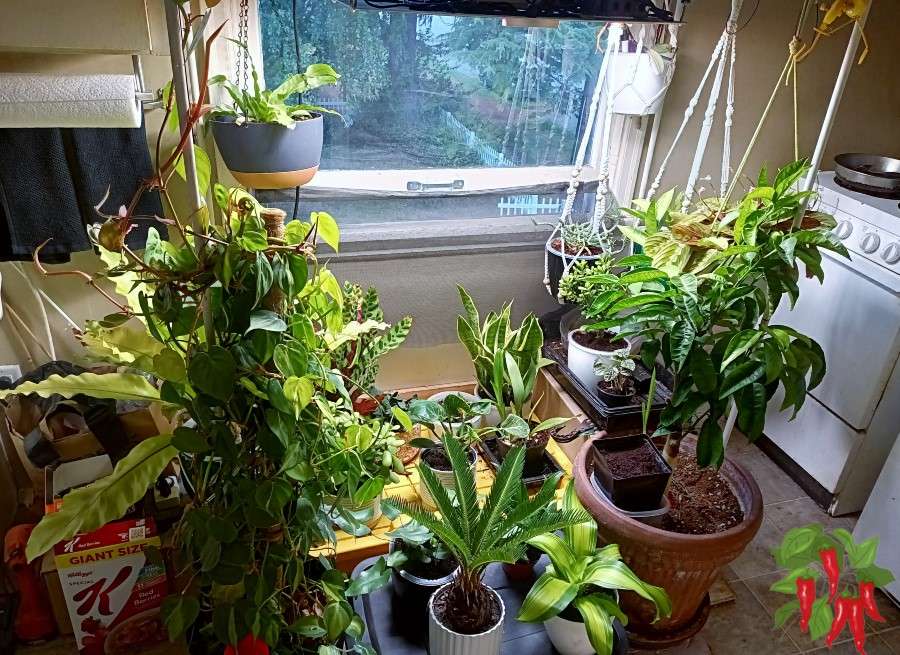
My plants don’t know whether it’s January or July. My home stays heated through the winter, and I use full-spectrum LED grow lights to make up for our shorter winter days. Many of my tropical plants continue putting out new leaves right through winter.
That’s because slower winter growth and true plant dormancy aren’t necessarily the same thing.
If you grow a tropical houseplant next to a window in the northern part of the country, it probably will slow down during winter. The days get shorter, the sun is lower in the sky, and there may be a lot less usable light reaching the leaves. Your plant responds by growing more slowly and using less water.
But is it actually dormant?
For many tropical houseplants, I don’t think that’s the best way to describe what’s happening. Let’s take a closer look at what dormancy actually means and why your indoor plants may behave very differently when you give them enough light and warmth.
What You’ll Learn
- What true plant dormancy actually means.
- Why slower winter growth isn’t always dormancy.
- Why tropical houseplants are different from temperate plants.
- How shorter winter days affect indoor plant growth.
- Why grow lights can keep many tropical plants actively growing through winter.
- How winter growth should affect watering and fertilizing decisions.
Quick Answer: Do Houseplants Go Dormant in Winter?
Most tropical houseplants don’t require a true winter dormancy. They may grow more slowly during winter because shorter days and lower light levels reduce photosynthesis. Cooler indoor temperatures can slow growth even further.
If you maintain warm temperatures and provide enough supplemental light, many tropical houseplants can continue actively growing throughout the winter.
This is different from temperate plants that have a true physiological dormancy triggered by seasonal changes and may require a period of cold before normal growth resumes.
Houseplant Winter Growth at a Glance
| Question | What Usually Happens |
| Do tropical houseplants need winter dormancy? | Most common tropical houseplants don’t require a cold winter dormancy. |
| Why do houseplants grow slower in winter? | Reduced light is often a major reason, although temperature and other growing conditions can also contribute. |
| Can houseplants grow all winter? | Yes. Many tropical plants can continue growing when they receive adequate light and suitable temperatures. |
| Do grow lights make a difference? | Yes. Supplemental lighting can replace much of the usable light lost during short winter days. |
| Should you automatically stop fertilizing? | Not necessarily. An actively growing plant may still use nutrients. Growth rate matters more than the date on the calendar. |
| Should you automatically water less? | Water according to the plant’s actual water use and growing conditions rather than following a winter schedule. |
What Does Plant Dormancy Actually Mean?
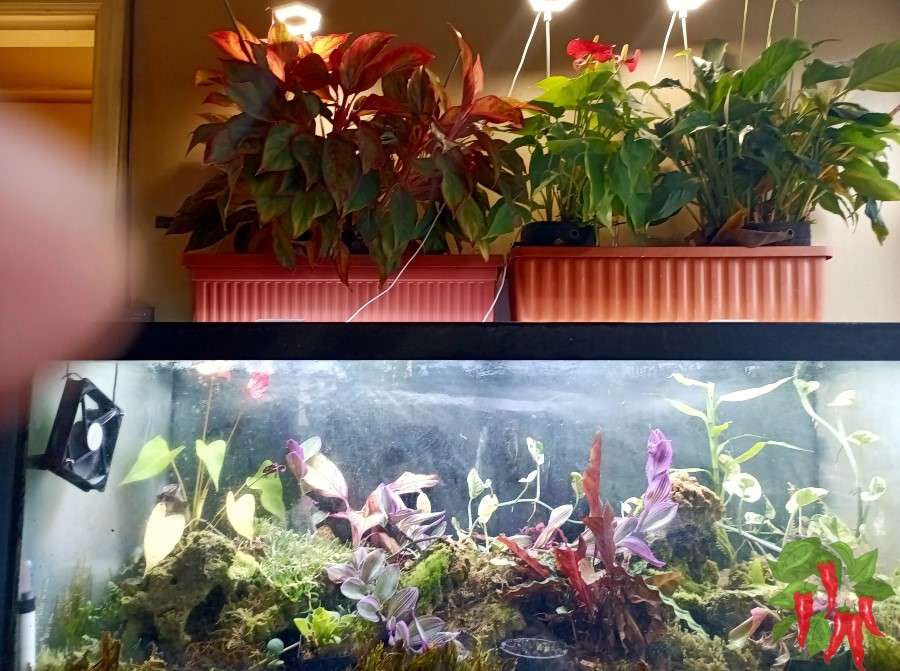
Dormancy is more than a plant simply growing slowly.
For many temperate plants, dormancy is an important survival strategy. As days shorten and temperatures fall, the plant undergoes physiological changes that prepare it to survive winter.
Think about a deciduous tree growing outdoors. It doesn’t simply decide to grow a little slower because December arrived. Growth stops, leaves may fall, buds become dormant, and the plant enters a state that protects sensitive growing tissue from winter conditions.
Some temperate plants also have a chilling requirement. They need exposure to a certain amount of cold before they can properly resume growth when favorable conditions return.
That’s a very different situation from a pothos sitting in your living room growing a new leaf every few weeks instead of every week.
Slow Growth Isn’t Necessarily Dormancy
This is where I think a lot of houseplant advice becomes confusing.
A tropical plant may slow down dramatically when its growing conditions become less favorable without entering the type of physiological dormancy we see in many temperate plants.
Light is a good example.
If you move a plant from bright light into a darker part of your house, its growth will usually slow. We wouldn’t normally say the plant became dormant because we moved it six feet away from a window.
Winter can produce much the same effect.
Days become shorter. The sun stays lower in the sky. Cloudy weather can further reduce available light. Even though your house remains warm, the amount of energy available to your plants may drop considerably.
The plant responds to those conditions. It may produce fewer leaves, grow more slowly, and use less water.
That doesn’t automatically mean it has entered true dormancy.
Why Tropical Houseplants Are Different
Most of the plants we grow as houseplants come from tropical or subtropical regions. They evolved under very different seasonal conditions from plants growing in northern temperate climates.
Near the equator, day length changes much less throughout the year than it does farther north or south. Tropical climates also don’t experience the long, cold winters that trigger dormancy in many temperate plants.
That doesn’t mean tropical plants experience identical conditions every day of the year. Tropical regions can have wet and dry seasons, temperature changes, and seasonal differences in light. Some tropical species have definite periods of reduced growth or seasonal rest.
But that’s quite different from saying every tropical houseplant needs to become dormant simply because it’s winter where you live.
Winter Happens Outside, Not on Your Calendar
This is the part I think gets overlooked.
Your houseplant doesn’t know what month it is.
It responds to its environment.
If the light drops, temperatures fall, and growing conditions become less favorable, growth will probably slow. If those conditions remain favorable, the plant may continue growing.
I see this firsthand because I use grow lights.
Here in the northern part of the country, our natural daylight drops considerably during winter. If I depended entirely on window light, I would expect many of my plants to slow down.
Instead, I supplement that natural light with full-spectrum LED grow lights. My indoor temperatures also remain fairly consistent because these plants are growing inside a heated home.
Under those conditions, many of my tropical plants simply keep growing.
They may not always grow at exactly the same rate they would sitting in strong natural summer light, but there isn’t some automatic switch that flips when December arrives and tells them it’s time to go dormant.
Light May Be the Real Reason Your Houseplants Slow Down
Light is the energy source that drives photosynthesis, so the amount of usable light a plant receives has a major effect on how quickly it can grow.
This becomes especially important indoors.
Even a plant sitting near a bright window receives very different light from a plant growing outdoors. Move farther away from that window and available light falls quickly.
Then winter arrives.
Now you have shorter days and a lower sun angle. Depending on where you live, you may also have weeks of cloudy weather.
Your tropical houseplant hasn’t necessarily decided to take the winter off. It may simply not have enough light to maintain the growth rate you saw during summer.
That’s an important distinction because you can change the amount of light your plant receives.
Supplemental lighting allows you to extend the photoperiod and provide useful light even after the sun has gone down. With today’s full-spectrum LED grow lights, it’s relatively easy to give indoor plants consistent lighting throughout the year.
And that’s where the usual winter houseplant rules start becoming much less useful.
Grow Lights Can Change the Winter Growing Season
This is where growing tropical plants indoors gives us an advantage. We can control some of the conditions that would normally change with the seasons.
I use full-spectrum LED grow lights with many of my plants. Instead of allowing the natural day length to become shorter and shorter as winter approaches, I can give my plants a consistent amount of light every day.
That doesn’t mean an LED grow light is identical to the sun. Direct outdoor sunlight can be incredibly intense, and a small household grow light isn’t going to duplicate everything a plant experiences outdoors.
But it doesn’t have to.
A good grow light can provide the wavelengths plants use for photosynthesis and, when it’s bright enough and used for an appropriate number of hours, provide enough light to support active growth.
That’s what matters to the plant.
If you’re growing a pothos, Dracaena, Philodendron, Monstera, palm, fern, or another tropical houseplant under adequate artificial light, the plant doesn’t suddenly stop photosynthesizing because it’s January.
Give it enough usable light, suitable temperatures, water, and nutrients, and many tropical plants will continue growing.
Light Duration and Light Intensity Both Matter
There’s one important point here. Simply turning on a grow light doesn’t guarantee that your plant is getting enough light.
You have to consider both how bright the light is and how long the plant receives it.
A weak light running for several hours may not provide the same amount of usable light as a stronger grow light. Distance matters too. Light intensity drops as you move a plant farther away from the fixture.
This is one reason I don’t think it’s useful to tell every houseplant owner that their plants will go dormant in winter. Two people can grow the exact same plant in completely different winter conditions.
One person may have the plant several feet from a window with no supplemental lighting. Another may have that same plant under a full-spectrum LED for 12 hours a day.
Those plants aren’t experiencing the same environment, so you shouldn’t expect them to behave the same way.
What About the Natural Day-Night Cycle?
Giving tropical plants supplemental light doesn’t mean leaving the lights on around the clock.
Plants still benefit from a regular light and dark cycle. I use grow lights to supplement the daylight my plants receive and give them a consistent growing period rather than trying to provide 24 hours of light.
For many tropical houseplants, something in the neighborhood of 12 to 14 hours of light per day can work well under artificial lighting, although the ideal amount depends on the plant and the intensity of your lights.
The goal isn’t to create an endless summer day. It’s to prevent the dramatic reduction in usable light that many indoor plants experience during winter.
Temperature Is the Other Half of the Equation
Light isn’t the only thing that affects winter growth. Temperature matters too.
Many tropical houseplants grow well at the same temperatures people find comfortable. That’s one reason they make such good houseplants in the first place.
If your house stays around normal room temperature throughout winter, your tropical plants aren’t experiencing anything resembling an outdoor northern winter.
There can still be temperature differences inside your home. A plant sitting next to a cold window may experience much cooler temperatures at night. Drafty doors, unheated rooms, and plants touching cold window glass can all create cooler growing conditions.
Cooler temperatures can slow plant growth, especially when they’re combined with lower light levels.
But again, that’s an environmental response. If you maintain suitable temperatures and adequate light, you’ve removed two of the biggest reasons an indoor tropical plant would slow down during winter.
Should You Stop Fertilizing Houseplants in Winter?
Here’s another piece of winter advice I see repeated all the time: stop fertilizing all houseplants during winter.
I think that’s too broad.
Fertilizer should be based more on what the plant is doing than what month happens to be printed on the calendar.
If your plant is sitting in weak winter light and has almost stopped growing, it isn’t going to use nutrients at the same rate as a plant that’s growing rapidly. Reducing or temporarily stopping fertilizer can make sense in that situation.
But what if the plant is under a grow light, temperatures are warm, and it’s producing new leaves?
That’s an actively growing plant.
I don’t see a good reason to deprive an actively growing tropical plant of nutrients simply because it’s January.
My approach is simple: fertilize according to active growth rather than the season.
If growth slows significantly, I reduce feeding accordingly. If a plant continues growing under my lights, I continue providing nutrients appropriate for that growth.
Winter Watering Should Work the Same Way
Watering is another place where a calendar rule can get you into trouble.
You’ll often hear that you should water houseplants much less during winter. That can be perfectly good advice if the plant is growing more slowly and using less water.
But the important part isn’t winter. It’s how quickly the plant and growing medium are using and losing water.
A plant growing slowly in lower light will usually use less water. If you continue watering it on the same schedule you followed during summer, the growing medium may stay wet much longer than it did before.
That’s when problems can begin.
On the other hand, a tropical plant growing actively under strong supplemental lighting may continue using a surprising amount of water through winter.
Indoor heating can also lower humidity and increase evaporation, so winter doesn’t automatically mean that every pot will stay wet longer.
I prefer to check the plant and growing medium instead of watering according to the calendar.
If the plant needs water, I water it. If it doesn’t, I wait.
Why I Don’t Follow a Winter Watering Schedule
I’ve never been a fan of rigid watering schedules anyway. Plants don’t use water according to our calendars.
Pot size, plant size, temperature, humidity, light, air movement, and the growing medium all affect how quickly water is used.
Those factors don’t disappear during winter.
This becomes even more obvious when you’re growing several kinds of tropical plants. A large plant growing vigorously under bright lights may need water much sooner than a small plant sitting in lower light, even though they’re in the same room.
So when someone says, “Water your houseplants every two weeks during winter,” I think we’re asking the wrong question.
The better question is: Does this plant need water?
Your Plant Tells You More Than the Calendar Does
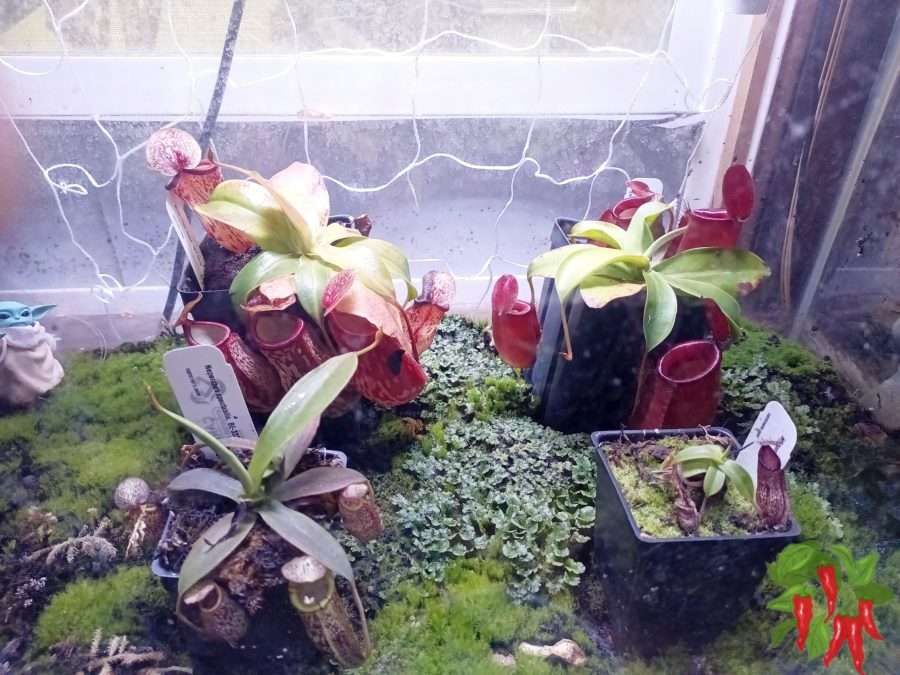
Instead of assuming your houseplants are dormant because winter arrived, take a look at what they’re actually doing.
Signs that a tropical houseplant is still actively growing can include:
- New leaves opening.
- New shoots developing from the base or stems.
- Roots continuing to grow.
- The growing medium drying at a normal rate.
- Continued stem or vine growth.
If you’re seeing those things, calling the plant dormant doesn’t make much sense.
On the other hand, if new growth has nearly stopped and the pot is staying moist much longer than usual, the plant has clearly slowed down. You should adjust your care to match that slower growth.
That’s really the point of this entire discussion.
Watch the plant instead of the calendar.
Not Every Houseplant Should Be Treated the Same
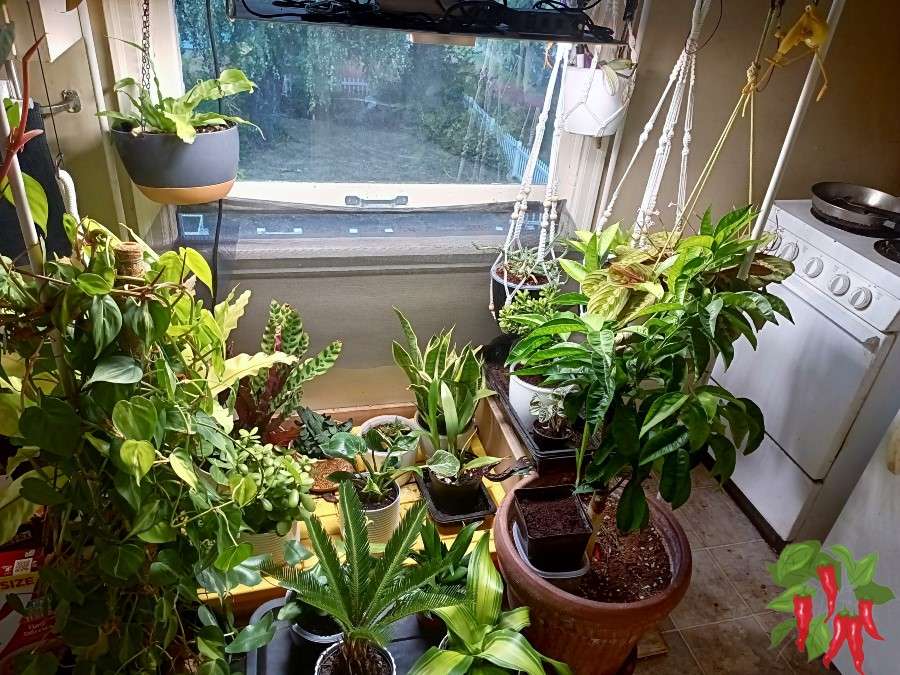
Of course, there’s an important catch to all of this.
“Houseplant” isn’t a botanical category. It’s simply a plant we’re choosing to grow inside our homes.
That means we can’t make one dormancy rule that applies to every plant growing on a windowsill.
Many of our familiar foliage plants are tropical evergreens that can grow whenever conditions are favorable. Other plants have genuine seasonal cycles that shouldn’t be ignored.
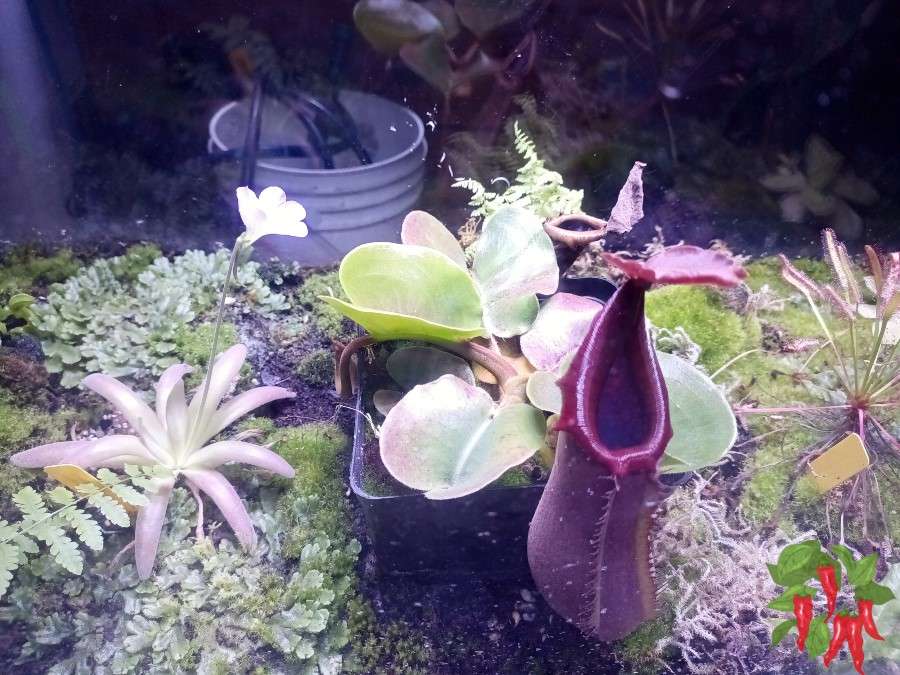
Some bulbs, corms, succulents, carnivorous plants, temperate woody plants, and other species may require or benefit from a true seasonal rest.
So I’m certainly not suggesting that plant dormancy doesn’t exist.
The problem is taking something that’s absolutely real for certain plants and applying it automatically to every tropical plant growing inside your home.
Which Indoor Plants Really Do Need Dormancy?
This is where it’s important not to go too far in the other direction. Plant dormancy is real. It just doesn’t apply equally to every plant we happen to grow indoors.
Some plants have evolved around strong seasonal changes and have a genuine dormancy or rest period as part of their normal growth cycle.
Examples can include:
- Temperate carnivorous plants such as Venus flytraps and many North American pitcher plants.
- Temperate woody plants that normally experience a cold winter.
- Some bulbs, tubers, and corms that naturally alternate between active growth and rest.
- Some succulents with seasonal growth and rest cycles.
- Plants from strongly seasonal climates where temperature, rainfall, or day length regularly changes throughout the year.
You have to know the plant you’re growing.
A Venus flytrap and a tropical Dracaena may both be sitting in pots inside your home, but biologically they’re very different plants. Applying the same winter-care rules to both doesn’t make much sense.
Dormancy and Quiescence Aren’t Quite the Same Thing
There’s another term that helps explain what happens to many houseplants during winter: quiescence.
The distinction can get technical, but for the home grower it’s fairly simple.
A truly dormant plant can have internal physiological controls preventing normal growth even when conditions temporarily become favorable. Some temperate plants, for example, must satisfy a chilling requirement before normal spring growth can resume.
A quiescent plant has slowed or stopped growing primarily because current environmental conditions aren’t favorable. Improve those conditions, and growth can resume without the plant first completing a required winter dormancy.
That’s much closer to what many tropical houseplant growers see during winter.
The plant gets less light, growth slows, and water use drops. Give it more usable light and favorable temperatures, and it may start growing again even though it’s still the middle of January.
For practical houseplant care, that’s a much more useful way to think about the winter slowdown.
Should You Let Tropical Houseplants Rest in Winter?
I don’t deliberately force my tropical plants into a winter rest period simply because it’s winter outside.
If a plant naturally slows down, I adjust my care. But if it’s happily growing under my lights, I let it grow.
There’s no reason for me to remove a healthy tropical plant from good growing conditions just to create an artificial winter.
Instead, I look at a few basic things:
- Is the plant producing new growth?
- Is it receiving enough light?
- Are temperatures suitable for that particular plant?
- How quickly is it using water?
- Does the species actually have a natural dormancy requirement?
Those questions tell me far more than the month of the year.
What If You Don’t Use Grow Lights?
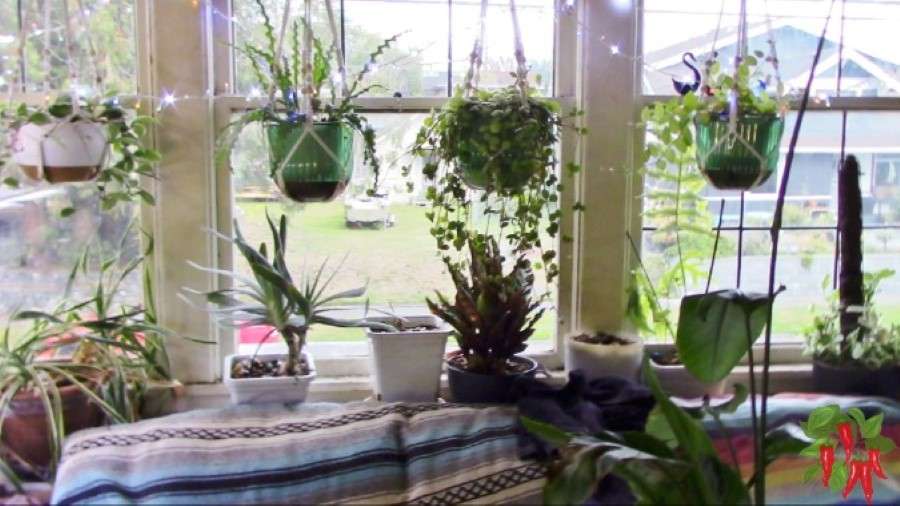
Of course, you don’t have to use grow lights to keep tropical houseplants alive through winter. Plenty of houseplants do just fine with natural window light.
You just need to recognize that their growing conditions may change.
A window that provides plenty of light during summer may provide considerably less during winter. Your plant may respond by producing smaller leaves, growing more slowly, stretching toward the light, or temporarily producing very little new growth.
If that happens, don’t try to force summer growth with extra fertilizer. Fertilizer can’t replace missing light.
Instead, adjust your care to the plant’s actual growth rate. It may need less frequent watering and little or no fertilizer until growth picks up again.
Or, if you want to keep it actively growing, supplemental lighting can help make up for the seasonal loss of natural light.
A Grow Light Doesn’t Automatically Prevent Slower Growth
There’s one more point worth making. Having a grow light doesn’t automatically mean your plant will grow at the same rate all year.
A small grow light placed several feet above a plant may not provide enough intensity to replace strong summer window light. Different plants also have very different light requirements.
That’s why I pay attention to what the plant is actually doing.
If you’re providing supplemental light but growth still slows during winter, that’s useful information. You may have less total light than you think, cooler temperatures, or simply a plant that naturally changes its growth rate during the year.
The important point is that you’re responding to the plant rather than assuming every winter slowdown must be dormancy.
Winter Houseplant Care: Follow the Plant
If there’s one practical idea I want you to take away from this article, it’s this:
Don’t change your houseplant care simply because the calendar says winter. Change it when the plant’s growing conditions and growth rate change.
If your tropical plant slows down:
- Check how much light it’s actually receiving.
- Watch how quickly the growing medium dries.
- Reduce watering if the plant is using less water.
- Reduce fertilizer if active growth has slowed substantially.
- Check for cold drafts and unusually cool nighttime temperatures.
If the plant remains actively growing:
- Continue watering according to its needs.
- Continue appropriate feeding if it’s producing active growth.
- Maintain your grow-light schedule.
- Keep temperatures within the plant’s preferred range.
- Enjoy the fact that you’re still growing plants in the middle of winter.
Frequently Asked Questions
Do all houseplants go dormant in winter?
No. Many common tropical houseplants don’t require a true winter dormancy. They may grow more slowly because winter brings lower light levels and sometimes cooler temperatures, but slower growth isn’t necessarily dormancy.
Can tropical houseplants grow all year?
Yes. Many tropical houseplants can grow throughout the year when temperatures, light, water, and nutrients remain suitable. Supplemental grow lights can be especially useful during short winter days.
Should I stop fertilizing houseplants during winter?
Not automatically. If a plant has stopped or greatly reduced its growth, reducing fertilizer makes sense. If it’s actively producing new growth under adequate light, it may continue using nutrients. Let the plant’s growth rate guide you.
Should I water houseplants less during winter?
You should water less only if the plant is using less water or the growing medium is drying more slowly. Don’t reduce watering simply because it’s winter. Check the plant and growing medium and water when needed.
Can grow lights prevent winter dormancy?
Grow lights can help tropical plants continue active growth when low winter light would otherwise slow them down. They won’t eliminate a true biological dormancy requirement in plants that naturally need one.
How many hours should grow lights run in winter?
Many tropical houseplants can do well with around 12 to 14 hours of supplemental or artificial light, but intensity matters as much as duration. A weak light can’t necessarily compensate simply by being left on longer. Plants should also receive a regular dark period.
How can I tell if my houseplant is dormant or just growing slowly?
Start by identifying the plant and finding out whether the species actually has a dormancy requirement. With many tropical foliage plants, slower winter growth is more likely to be a response to reduced light, cooler temperatures, or other environmental changes than a required winter dormancy.
Do Houseplants Go Dormant in Winter? Final Thoughts
I’ve grown plants for a long time, and one thing I’ve learned is that plants don’t always follow the simple rules we like to give them.
“Houseplants go dormant in winter” sounds like a nice, easy rule. The problem is that it lumps together plants from completely different climates and with completely different growth cycles.
True plant dormancy is very real. I wouldn’t try to grow a temperate plant that requires winter dormancy as though it were a tropical Philodendron.
But I don’t think we should treat a tropical Philodendron as though it were a dormant maple tree either.
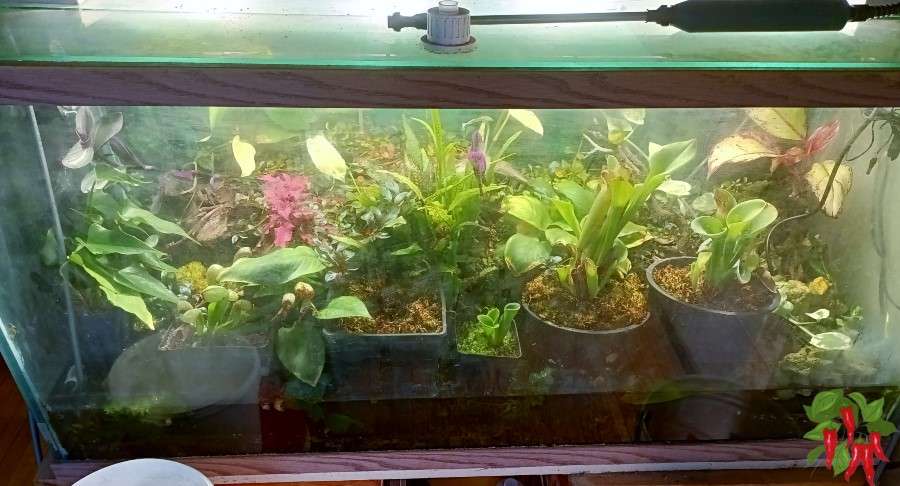
Most of the tropical plants I grow indoors don’t suddenly stop growing because winter has arrived. I keep my home warm, and I use full-spectrum LED grow lights to compensate for our shorter winter days. Many of those plants continue growing right through winter.
Without supplemental lighting, I would expect more of them to slow down. That’s not surprising. Less light means less energy available for growth.
So rather than automatically putting your tropical houseplants on a winter watering and fertilizing schedule, take a look at the plants themselves.
Are they still growing? Are they still using water? Are they getting enough light?
Let the plant tell you what it needs. The calendar is just the calendar.
Where to Go Next
Want to learn more about keeping your indoor plants growing throughout the year? These guides can help:
- How to Keep Houseplants Alive in Winter – Practical winter care for light, watering, humidity, and feeding.
- Keeping Indoor Houseplants: Growing and Care Guide – Learn the basics of lighting, watering, humidity, and everyday indoor plant care.
- Do Indoor Plants Really Need Direct Sunlight? – Understand how much light indoor plants really need and why window location matters.
- Growing Vegetables Indoors With Lights – See how supplemental lighting makes year-round indoor growing possible.
References and Further Reading
If you’d like to learn more about winter houseplant growth, supplemental lighting, and plant dormancy, these Extension resources provide additional information:
- University of New Hampshire Extension – Houseplant Winter Care Q&A
- Iowa State University Extension – Growing Indoor Plants Under Supplemental Lights
- Iowa State University Extension – How to Overwinter Plants
- University of Vermont Extension – Houseplant Care During Winter Months
 Steve S. is the creator of