
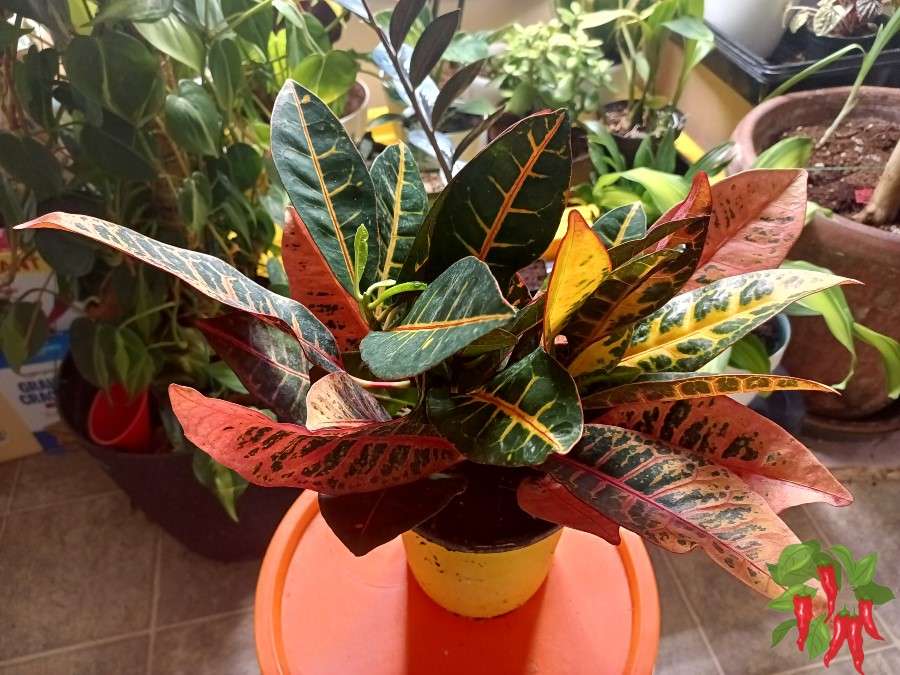
I’ve grown Croton Petra before, and it’s one of those houseplants I’ve always liked. The colorful leaves are what first caught my attention, but I also found it surprisingly easy to care for.
My previous Croton Petra actually did quite well in a north-facing window, even though you’ll often read that Crotons need plenty of bright light. This time around, I’m growing one in an east-facing window where it will receive more morning sunlight.
I’m looking forward to seeing how the additional light affects its growth and those beautiful red, yellow, orange, and green leaves.
In this Croton Petra plant care guide, I’ll share what I’ve learned from growing this colorful houseplant, along with practical advice on lighting, watering, new growth, and common problems.
🌱 What You’ll Learn
- What makes Croton Petra different from other Croton varieties.
- Where to place your plant for healthy growth and colorful leaves.
- How to water, fertilize, and maintain Croton Petra indoors.
- Why new leaves may look green before developing their colors.
- What causes drooping leaves, leaf drop, and other common problems.
- How to propagate Croton Petra and keep it growing for years.
💡 Quick Answer: How Do You Care for Croton Petra Indoors?
Croton Petra grows best in bright light, warm temperatures, and a well-draining growing medium that stays moderately moist without becoming waterlogged. An east-facing window is a good starting point because it provides gentle morning sunlight. Water when the upper portion of the growing medium begins to dry, protect the plant from cold drafts, and provide consistent care to reduce leaf drop.
Croton Petra can adapt to less light, although its colorful foliage may become less intense. My previous plant grew well in a north-facing window, so I wouldn’t automatically rule out that location if it’s what you have available.
📋 Croton Petra Plant Care at a Glance
| Care Requirement | Croton Petra Preferences |
|---|---|
| Botanical name | Codiaeum variegatum ‘Petra’ |
| Plant type | Tropical evergreen shrub grown as a houseplant |
| Light | Bright indirect light with some gentle direct sunlight |
| Water | Water when the upper growing medium begins drying; avoid soggy roots |
| Growing medium | Well-draining potting mix or coco coir with perlite |
| Temperature | Approximately 65–85°F; avoid cold drafts |
| Humidity | Moderate to high humidity preferred |
| Fertilizer | Balanced fertilizer during active growth |
| Indoor size | Often 2–4 feet tall; can grow larger with time |
| Propagation | Stem cuttings |
| Pet safety | Toxic to cats and dogs if chewed or eaten |
🌈 What Makes Croton Petra Special?
Croton Petra is a cultivated variety of Codiaeum variegatum, a tropical evergreen shrub known for its colorful foliage. While many houseplants are grown primarily for their green leaves, Petra offers a combination of green, yellow, orange, and red that can make it stand out in a collection.
Its broad, leathery leaves often have yellow veins surrounded by green, with warmer colors developing as the foliage matures. The exact pattern varies from leaf to leaf, which is part of what makes the plant interesting.
How Is Croton Petra Different From Other Crotons?
Crotons come in a surprising variety of leaf shapes and colors. Some have narrow, twisted, or deeply lobed leaves, while others have broad, oval foliage.
Petra is especially recognizable for its broad leaves, prominent veins, and colorful patterns. Its upright, bushy growth habit also makes it a good choice for displaying on a plant stand or beside a bright window.
Although Petra has the same basic growing requirements as other Crotons, this article focuses on its particular appearance, color development, and behavior as an indoor houseplant.
Get your Codium Petra on Amazon
Does Croton Petra Change Color as It Grows?
Yes, and that’s one of its most interesting features. New Croton Petra leaves often begin predominantly green, sometimes with yellow markings. As the leaves mature, they may develop stronger orange and red coloration.
Light exposure plays an important role in this process. Plants receiving sufficient light generally develop stronger coloration, while those growing in dim conditions may remain greener.
That doesn’t mean every green leaf indicates a problem. Young leaves need time to mature, and the color patterns can vary naturally.
🏡 Is Croton Petra an Indoor or Outdoor Plant?
Croton Petra can grow indoors or outdoors, depending on your climate. In tropical and subtropical locations, it can become a colorful landscape shrub. In cooler climates, it’s usually grown as a houseplant because it doesn’t tolerate freezing temperatures.
Growing Croton Petra Indoors
Indoors, the main considerations are light, temperature, and consistent watering. A bright window is usually the easiest place to grow Petra, although the plant may adapt to somewhat lower light.
One advantage of growing Croton Petra indoors is that you can protect it from sudden temperature changes and control its growing conditions throughout the year.
You can also move the plant as needed, but avoid constantly changing its location. Crotons sometimes react to sudden environmental changes by dropping leaves.
Growing Croton Petra Outdoors
Croton Petra can grow outdoors year-round in warm, frost-free climates, generally USDA Zones 10–12. In cooler areas, you can move a potted plant outdoors during warm weather.
If you move an indoor Croton outside, introduce it gradually to brighter conditions. A plant accustomed to indoor light can develop scorched leaves if it’s suddenly placed in strong afternoon sunlight.
Bring the plant back indoors before nighttime temperatures become too cool, preferably before they regularly fall below about 60°F.
☀️ How Much Light Does Croton Petra Need?
Lighting is one of the biggest factors affecting Croton Petra’s appearance. The plant needs enough light to support healthy growth and develop its colorful foliage.
Bright indirect light with some gentle direct sunlight is a good starting point. However, the best location depends on your windows, climate, and how much sunlight actually reaches the plant.
East-Facing Windows: My Current Growing Location
This time around, I’m growing my Croton Petra in an east-facing window. It will receive morning sunlight followed by softer light for the remainder of the day.
I like east-facing windows for many tropical houseplants because they provide useful direct sunlight without the intense afternoon exposure that can sometimes cause problems.
I’m particularly interested in seeing whether the additional morning light produces stronger leaf coloration compared with my previous plant.
Can Croton Petra Grow in a North-Facing Window?
Yes, depending on how much light the window receives. I know because I’ve grown Croton Petra successfully in a north-facing window before.
My plant did well there, and I found it easy to maintain. That’s why I wouldn’t tell someone they absolutely need a south-facing window to grow this houseplant.
However, there’s a difference between keeping a plant healthy and getting the strongest possible foliage colors. A north-facing window generally provides less light than an east-, west-, or south-facing window, so color development may be more subdued.
If your Croton Petra produces healthy new leaves and maintains its foliage, that’s encouraging. If growth becomes weak or the leaves lose much of their coloration, consider moving it to a brighter location or supplementing with a grow light.
Can Croton Petra Handle Direct Sunlight?
Croton Petra can tolerate some direct sunlight, especially gentle morning sun. In fact, adequate light often helps bring out the plant’s colorful markings.
However, sudden exposure to strong sunlight can damage leaves that developed under dimmer conditions. Gradual adjustment is important whenever you move the plant into brighter light.
Watch for bleached patches, dry brown areas, or scorching, particularly after moving the plant. These can indicate that the increase in light was too sudden or intense.
Can You Grow Croton Petra Under LED Grow Lights?
Yes. A full-spectrum LED grow light can provide supplemental lighting when natural window light isn’t sufficient.
This can be especially useful during winter when days are shorter. Start with a moderate light level and adjust the fixture according to the manufacturer’s recommendations and the plant’s response.
A consistent daily lighting schedule of approximately 12–14 hours can be a useful starting point when an LED is the plant’s primary light source.
🎥 My Croton Petra Growing Experience
I’m really glad to have a Croton Petra back in my indoor plant collection. I’ve been wanting another one for a couple of years, and I finally picked one up from Tropical Plants of Florida.
I’ve grown Croton Petra before, and I really enjoyed that plant. I kept it for years in a north-facing window, even though most growing guides recommend bright light or some direct sunlight. Mine did just fine. It may have grown a little slower or developed less color than it would have in a brighter location, but it was a healthy plant that I eventually gave away.
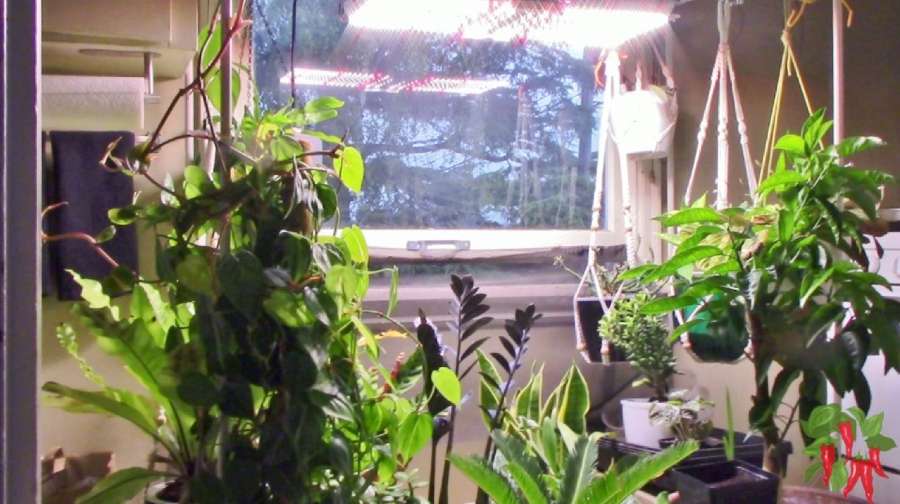
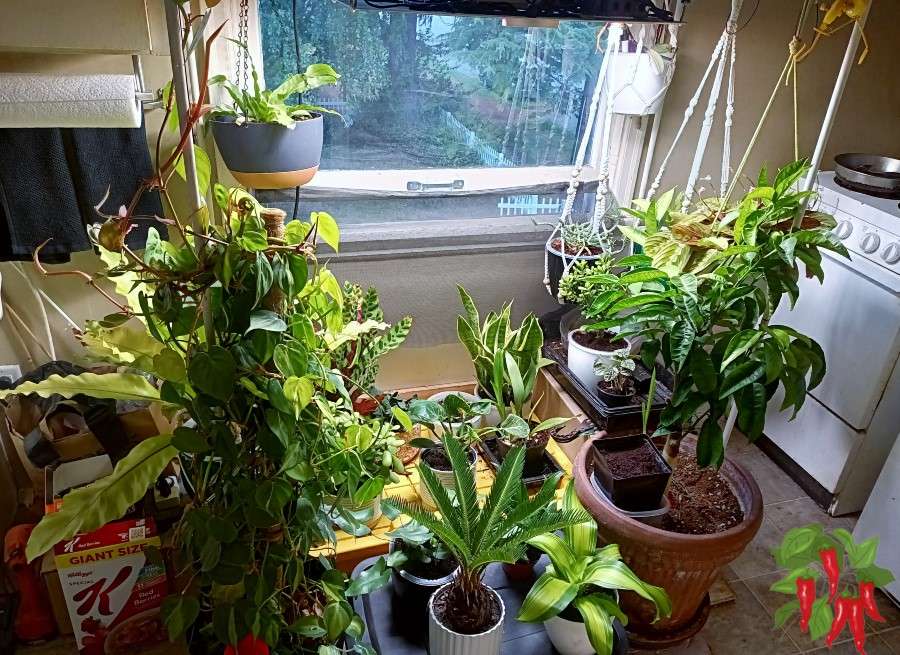
This time, I’m planning to grow my Croton Petra in an east-facing window where it will receive more morning sunlight. I also have LED grow lights available, so I can experiment with additional lighting if needed.
One thing I noticed right away is that this plant already has new shoots developing. I spotted two growing points when I was looking it over, which is an encouraging sign that it’s ready to put on some new growth.
I’ll eventually repot it, and I’m also considering a self-watering planter. Croton Petra likes fairly consistent moisture, so I think it could be a good candidate for that type of setup.
In the video below, I’ll show you my new Croton Petra, point out the developing shoots, and talk about my previous experience growing this colorful houseplant indoors.
💧 How Often Should You Water Croton Petra?
Croton Petra likes consistent moisture, but that doesn’t mean keeping the roots constantly wet. The goal is to provide enough water to support healthy growth while allowing plenty of oxygen to reach the roots.
I prefer checking the growing medium rather than watering on a fixed schedule. A plant in a bright east-facing window may use water faster than one growing in a north-facing window, especially during warmer weather.
As a starting point, check the upper inch of the growing medium. When it begins to feel dry, it’s usually time to water. The exact timing depends on the container size, growing medium, temperature, and how actively the plant is growing.
How to Water Croton Petra Properly
- Check the growing medium before watering rather than relying on the calendar.
- Water thoroughly so moisture reaches the entire root system.
- Allow excess water to drain from the bottom of the container.
- Empty any standing water from the saucer after watering.
- Avoid allowing the root ball to become completely dry for extended periods.
Crotons can react to significant changes in moisture by drooping or dropping leaves. Consistent watering is one of the easiest ways to avoid unnecessary stress.
Signs Your Croton Petra Needs Water
A thirsty Croton Petra may develop drooping leaves, particularly when the growing medium becomes too dry. The leaves can sometimes recover after watering if the roots are still healthy.
However, drooping doesn’t always mean the plant needs more water. Waterlogged roots can cause similar symptoms, so check the growing medium before reaching for the watering can.
Can You Overwater Croton Petra?
Yes. Although Croton Petra appreciates moisture, constantly saturated growing conditions can reduce oxygen around the roots and eventually lead to root damage.
Yellowing leaves, persistent drooping, and a growing medium that stays wet for unusually long periods can indicate a watering problem.
Good drainage, an appropriate container, and checking moisture before watering are much more useful than following a strict weekly schedule.
🪴 Best Soil and Growing Medium for Croton Petra
Croton Petra grows well in a loose, moisture-retentive growing medium that also allows excess water to drain. A quality houseplant potting mix with added perlite can work well, but I prefer using coco coir for many of my indoor plants.
My Preferred Coco Coir and Perlite Mix
For container-grown houseplants, I often use approximately 70% coco coir and 30% perlite. The coco holds moisture while the perlite creates additional air spaces around the roots.
I like this combination because it’s lightweight, easy to work with, and gives me good control over watering and fertilizing. It’s also a peat-free option for anyone who prefers to avoid peat-based potting mixes.
Croton Petra should do well in this type of growing medium as long as it receives adequate nutrition and the container drains properly.
Does Croton Petra Need Special Soil?
No. You don’t need an expensive specialty mix to grow Croton Petra successfully.
A general-purpose indoor potting mix with good drainage is suitable. Adding perlite can help improve aeration if the mix is too dense.
Avoid heavy garden soil in indoor containers because it can compact and remain excessively wet.
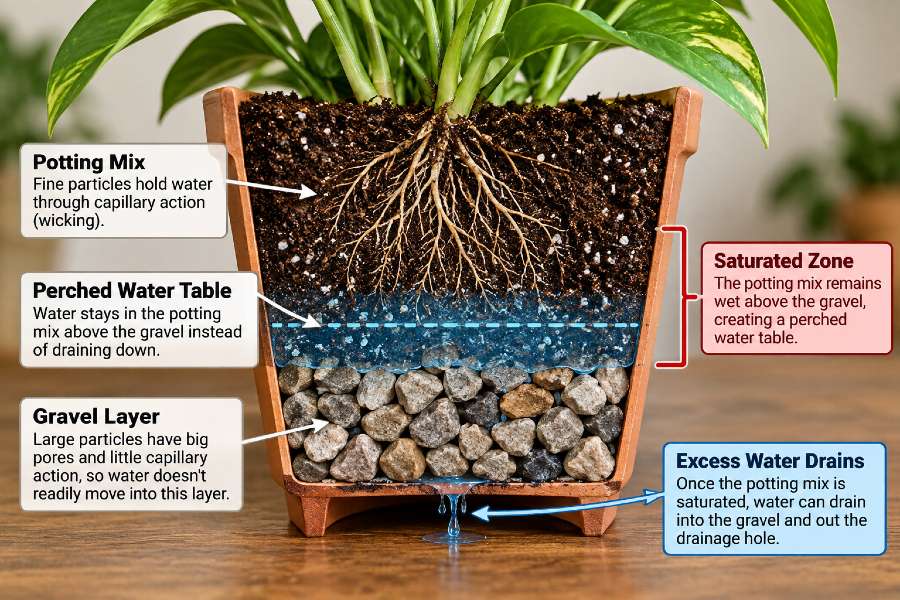
Also, there’s no need to add gravel or broken pottery to the bottom of the pot. These materials don’t improve drainage through the growing medium. A drainage hole and a properly structured mix are much more important.
🌡️ Croton Petra Temperature and Humidity Requirements
Croton Petra comes from tropical plant stock, so it appreciates warm, relatively stable growing conditions. Fortunately, the temperatures found in most comfortable homes are generally suitable.
What Temperature Is Best for Croton Petra?
A temperature range of approximately 65–85°F works well for Croton Petra. It can tolerate some variation, but prolonged exposure to cold conditions can damage the plant.
Try to avoid temperatures below 60°F, particularly when the plant is actively growing.
Keep your Croton Petra away from cold exterior doors, drafty windows, and heating or air-conditioning vents that produce sudden temperature changes.
Does Croton Petra Need High Humidity?
Croton Petra prefers moderate to high humidity, but it doesn’t necessarily require greenhouse conditions to grow indoors.
Many homes provide acceptable humidity during warmer months. Winter can be more challenging when heating systems dry out the indoor air.
If the air becomes especially dry, a small room humidifier is a practical way to increase humidity around your plants.
I wouldn’t depend on occasional misting to solve low humidity. Spraying the leaves provides only a brief change in moisture around the plant and doesn’t significantly raise room humidity for long.
Should You Use a Humidity Tray?
A pebble tray may create a small amount of additional humidity immediately around the water surface, but its effect on the surrounding room is limited.
If you use one, keep the pot above the water rather than allowing the bottom of the container to sit in it.
For consistently dry indoor conditions, a humidifier is usually a better solution.
🌱 How to Fertilize Croton Petra
Croton Petra needs nutrients to produce healthy leaves and support new growth. Container-grown plants depend on the nutrients available in their growing medium and whatever fertilizer you provide.
A balanced liquid houseplant fertilizer is a simple choice. Follow the product’s directions, and avoid applying more fertilizer than recommended.
How Often Should You Fertilize Croton Petra?
During active growth, feeding about once a month with a balanced liquid fertilizer is a reasonable starting point for plants growing in a conventional potting mix.
If your Croton Petra continues growing under warm indoor conditions and supplemental lighting, its nutrient needs may remain fairly consistent throughout the year.
On the other hand, a plant growing slowly in a cooler, dimmer location generally needs less fertilizer.
Fertilizing Croton Petra in Coco Coir
Coco coir contains very little plant-available nutrition, so it needs a different feeding approach from a fertilized commercial potting mix.
When growing plants in coco, I prefer supplying nutrients through a complete fertilizer program rather than assuming the medium will feed the plant.
A coco-compatible nutrient formula that provides the necessary macro- and micronutrients, including adequate calcium and magnesium, is a good choice. Follow the fertilizer manufacturer’s recommendations and adjust the concentration according to the plant’s growth.
This is especially important when using plain coco coir and perlite, since neither ingredient provides a meaningful long-term nutrient supply.
🪴 When and How to Repot Croton Petra
Croton Petra doesn’t need to be repotted constantly. In fact, it’s usually better to leave a healthy plant alone until the roots begin filling the container.
Repotting is most useful when the plant has outgrown its pot, the growing medium has deteriorated, or drainage has become a problem.
Signs Your Croton Petra Needs Repotting
- Roots are growing through the drainage holes.
- The root system has become densely crowded inside the pot.
- The growing medium dries much faster than it previously did.
- Water runs through the pot without adequately moistening the root ball.
- The plant has become top-heavy and unstable.
Choosing the Right Pot Size
When repotting, choose a container approximately 1–2 inches wider than the current pot. That gives the roots additional room without surrounding them with an excessive amount of wet growing medium.
Make sure the new container has drainage holes. Decorative pots without drainage are fine as outer containers, but the growing pot should still allow excess water to escape.
How to Repot Croton Petra
- Prepare the new container with fresh, slightly moist growing medium.
- Carefully remove the Croton Petra from its existing pot.
- Inspect the roots and gently loosen any that are tightly circling the root ball.
- Position the plant at approximately the same depth it was growing before.
- Fill around the root ball with fresh growing medium without packing it too tightly.
- Water thoroughly and allow excess moisture to drain.
- Return the plant to a warm location with suitable light.
Crotons can be sensitive to sudden changes, so don’t be surprised if your plant takes a little time to adjust after repotting. Avoid unnecessary root disturbance whenever possible.
✂️ How to Prune Croton Petra
Croton Petra naturally develops an upright, bushy growth habit. However, older plants can become tall or uneven, particularly when they’re growing toward a light source.
Pruning helps control the plant’s height and encourages branching below the cut.
When Should You Prune Croton Petra?
The best time to prune is when the plant is actively growing and can recover quickly. For many indoor plants, this is during spring or summer, although warm indoor conditions and good lighting may support growth at other times.
How to Encourage a Bushier Plant
If your Croton Petra becomes too tall, you can shorten a healthy stem just above a leaf node. New shoots may develop below the pruning cut, helping the plant become fuller.
Use clean, sharp pruning shears and avoid removing too much foliage at once, particularly from a plant that’s already stressed.
Important: Crotons produce a milky sap that can irritate skin. Wear gloves when pruning or taking cuttings, and wash your hands after handling the plant.
🌿 Croton Petra Propagation: Growing New Plants From Cuttings
Croton Petra can be propagated from stem cuttings, making it possible to grow additional plants from a healthy parent plant.
Stem cuttings are generally more dependable than trying to grow a new plant from an individual leaf. A cutting needs a section of stem with at least one node capable of producing new growth.
How to Propagate Croton Petra From Stem Cuttings
- Select a healthy stem with several leaves.
- Using clean pruning shears, take a cutting approximately 4–6 inches long, making sure it includes several nodes.
- Remove the lower leaves, leaving a few near the top.
- Allow excess milky sap to stop flowing, and handle the cutting with gloves.
- Place the cutting in a moist, airy propagation medium such as coco coir and perlite.
- Keep it warm, in bright indirect light, and maintain consistent moisture without waterlogging the medium.
- Provide additional humidity if necessary while the cutting develops roots.
- Once a healthy root system has developed, move the new plant into its growing container.
Rooting can take several weeks, depending on temperature, humidity, and the condition of the cutting. Bottom heat and consistently warm conditions can help encourage root development.
Can You Propagate Croton Petra in Water?
Yes, stem cuttings can sometimes develop roots in water. Place the lower nodes below the waterline while keeping the leaves above the surface.
Change the water as needed to keep it fresh, and place the cutting somewhere warm with bright indirect light.
Once roots develop, transfer the cutting carefully into a suitable growing medium. Water-rooted cuttings may need some time to adjust after being moved into a pot.
🌱 Croton Petra New Growth: Why Are the Leaves Green?
One of the interesting things about Croton Petra is that its newest leaves don’t always look like the older foliage.
Fresh growth often appears mostly green or green with yellow markings. As the leaves mature, they may develop more orange, red, and other warm colors.
This is a normal part of the plant’s development, so there’s no reason to worry just because the newest leaves aren’t immediately as colorful as the older ones.
How Long Does It Take New Croton Petra Leaves to Change Color?
There’s no exact timetable. Color development depends on leaf maturity, light exposure, and the plant’s growing conditions.
Some leaves gradually develop stronger coloration over several weeks, while others may retain more green. Even leaves on the same plant can display different patterns.
Why Is My Croton Petra Staying Green?
If older leaves remain mostly green and the plant receives limited light, insufficient lighting may be part of the reason.
Croton Petra generally produces its strongest coloration under brighter conditions, although the amount of color also depends on the individual leaf and its maturity.
Try moving the plant gradually into brighter light rather than making a sudden change. An east-facing window or a suitable LED grow light may help improve coloration over time.
This is one reason I’m interested in growing my new Croton Petra in an east-facing window. My previous plant did well with northern exposure, but I’m curious to see how the additional morning sunlight influences the new foliage.
🍂 Why Is My Croton Petra Dropping Leaves?
Leaf drop is probably one of the most frustrating problems people encounter when growing Croton Petra indoors. You bring home a beautiful, colorful plant, find what seems like the perfect spot, and suddenly it starts dropping leaves.
The good news is that leaf drop doesn’t always mean your plant is dying. Crotons are known for reacting to changes in their growing conditions, especially after being moved from a greenhouse or garden center into a home.
Common Causes of Croton Petra Leaf Drop
- Sudden changes in location: Moving from a bright greenhouse into a home with less light can cause temporary stress.
- Cold drafts: Chilly windows, exterior doors, and sudden temperature changes can trigger leaf drop.
- Underwatering: Allowing the root ball to become excessively dry can cause leaves to wilt and fall.
- Overwatering: Waterlogged roots may become damaged and unable to support healthy foliage.
- Insufficient light: Very dim conditions can lead to weak growth and gradual leaf loss.
- Pests: Spider mites and other insects can weaken the plant and contribute to damaged or falling leaves.
Will Croton Petra Leaves Grow Back?
Yes, a Croton Petra can produce new leaves after losing some of its foliage, provided the stems and roots remain healthy.
If your plant has recently been moved, give it time to adjust. Keep it warm, provide suitable light, and avoid making several changes at once.
New growth may emerge near the growing tips or from buds along the stems. Recovery can take time, particularly when the plant has lost a large number of leaves.
🥀 Croton Petra Leaves Drooping: What Does It Mean?
Drooping leaves are another common concern with Croton Petra. Although dry growing conditions are one possible cause, you shouldn’t assume every drooping plant needs more water.
The first thing I’d do is check the growing medium.
Drooping Leaves With Dry Growing Medium
If the medium is dry and the leaves are hanging downward, the plant may simply need water. Water thoroughly and allow the excess to drain.
Leaves may recover their normal position once the roots absorb enough moisture, although severely dried plants can lose some foliage.
Drooping Leaves With Wet Growing Medium
If the growing medium is already wet, adding more water is unlikely to help.
Check whether the container drains properly and whether the roots have been sitting in saturated conditions. Persistent wetness can damage roots and interfere with water uptake.
Also consider temperature changes, recent repotting, and pest activity. Drooping is a symptom, not a diagnosis.
🌈 Why Is My Croton Petra Losing Its Color?
One of the main reasons for growing Croton Petra is its colorful foliage. Naturally, it’s disappointing when those red, orange, and yellow markings begin to fade.
Insufficient light is one of the first things to investigate. Crotons generally develop stronger coloration when they receive adequate light, while plants growing in dim locations may produce greener foliage.
However, remember that new leaves often begin green and develop additional colors as they mature. A green young leaf isn’t necessarily a sign of trouble.
How to Encourage Colorful Croton Petra Leaves
- Provide bright natural light or suitable supplemental lighting.
- Introduce stronger sunlight gradually to avoid leaf scorch.
- Maintain consistent watering and warm temperatures.
- Provide balanced nutrition during active growth.
- Allow new leaves time to mature before judging their coloration.
My previous Croton Petra grew well in a north-facing window. This time I’m using an east-facing window, and I’m interested in seeing whether the additional morning sunlight makes a noticeable difference in its leaf colors.
🔎 Common Croton Petra Problems and Solutions
Croton Petra is generally manageable once you find a growing location it likes. Most problems can be traced to lighting, watering, temperature, or pests.
| Problem | Possible Cause | What to Do |
|---|---|---|
| Drooping leaves | Dry or waterlogged roots, temperature stress | Check moisture, drainage, and growing conditions. |
| Sudden leaf drop | Environmental changes, drafts, watering stress | Maintain stable conditions and allow time to adjust. |
| Leaves becoming greener | Low light or naturally immature leaves | Improve lighting if necessary and watch new leaves mature. |
| Yellowing leaves | Overwatering, aging foliage, root stress | Inspect roots and growing medium; adjust watering. |
| Brown, crispy edges | Excessive dryness, low humidity, or fertilizer salts | Review watering, humidity, and fertilizer use. |
| Bleached or scorched patches | Sudden exposure to intense sunlight | Move to gentler light and acclimate gradually. |
| Sticky leaves | Possible scale insects or mealybugs | Inspect leaf undersides and stems for pests. |
🐛 Common Croton Petra Pests
Like many indoor houseplants, Croton Petra can occasionally attract pests. Regularly checking the foliage is one of the easiest ways to catch an infestation before it becomes a serious problem.
Spider Mites
Spider mites are among the more troublesome pests on indoor Crotons. They feed on leaf tissue and can cause fine stippling, discoloration, and eventually leaf damage.
Look closely at the undersides of leaves for tiny moving specks or delicate webbing. Spider mites often become more troublesome in warm, dry indoor conditions.
If you find them, isolate the plant and thoroughly rinse the foliage, paying particular attention to the undersides. Insecticidal soap or another product labeled for spider mites and ornamental houseplants may help when used according to the label.
Repeat inspections and treatment as directed because one application may not eliminate every life stage.
Mealybugs
Mealybugs appear as small, white, cottony clusters around leaf joints, stems, and other protected areas.
Small infestations can sometimes be removed manually. For larger problems, use an appropriate houseplant pest treatment and continue monitoring for returning insects.
Scale Insects
Scale insects attach themselves to stems and leaves, often appearing as small brown or tan bumps. Some produce sticky honeydew that can collect on the foliage.
Inspect the stems and leaf undersides carefully. Remove accessible insects and use a labeled treatment when necessary.
🌼 Does Croton Petra Flower Indoors?
Yes, Croton Petra can produce flowers, although indoor flowering is less common than outdoor flowering under favorable conditions.
The flowers are small and relatively inconspicuous compared with the colorful foliage. They typically develop along slender flowering stalks.
Most people grow Croton Petra for its leaves rather than its flowers, and that’s certainly what attracts me to this plant.
If your plant flowers indoors, you can enjoy the display. There’s no special need to remove healthy flowers unless you prefer the appearance of a foliage-only plant.
🐾 Is Croton Petra Toxic to Cats and Dogs?
Yes. Croton Petra is toxic to cats and dogs and should be kept where pets cannot chew or eat it.
The plant contains irritating compounds, and its milky sap can irritate the skin. Chewing or swallowing plant material may cause mouth irritation, drooling, vomiting, or digestive upset.
Keep Croton Petra out of reach of curious pets and children. Wear gloves when pruning or propagating the plant, particularly if you have sensitive skin.
If you suspect your pet has eaten part of a Croton, contact your veterinarian or a pet poison control service for advice.
ASPCA – Toxic and Non-Toxic Plants Database
❓ Frequently Asked Questions About Croton Petra
Is Croton Petra an easy houseplant to grow?
Croton Petra can be fairly easy to grow once you provide suitable light, consistent watering, and warm temperatures. I’ve grown one successfully in a north-facing window and found it easier to care for than some guides might suggest. However, Crotons can react to sudden environmental changes by dropping leaves.
Can Croton Petra grow in low light?
Croton Petra can adapt to somewhat lower light, but it generally develops stronger foliage colors in brighter conditions. A bright north-facing window may support healthy growth, while very dim locations can lead to weak growth and reduced coloration.
Why are my Croton Petra leaves drooping?
Drooping leaves may result from dry growing medium, waterlogged roots, cold temperatures, or environmental stress. Check the moisture level and growing conditions before deciding whether the plant needs more water.
Why is my Croton Petra producing green leaves?
New Croton Petra leaves often emerge green and develop additional yellow, orange, or red coloration as they mature. If mature leaves remain mostly green, insufficient light may be contributing to the problem.
How often should I water Croton Petra indoors?
Water when the upper portion of the growing medium begins to dry. The frequency depends on light, temperature, pot size, and the type of growing medium. Avoid following a fixed weekly schedule without checking moisture first.
Can Croton Petra grow outdoors in summer?
Yes. You can move a potted Croton Petra outdoors during warm weather. Introduce it gradually to brighter sunlight and bring it indoors before temperatures become too cool, preferably before nights regularly fall below 60°F.
Can you propagate Croton Petra from cuttings?
Yes. Croton Petra can be propagated using healthy stem cuttings with nodes. Root them in a warm, humid environment using a moist propagation medium or water. Stem cuttings are more dependable than attempting to propagate a single leaf.
How big does Croton Petra grow indoors?
Croton Petra commonly reaches approximately 2–4 feet tall indoors, although mature plants can grow larger when provided with enough space, light, and favorable conditions. Pruning can help maintain a more compact shape.
🌿 Final Thoughts: Growing Croton Petra Indoors
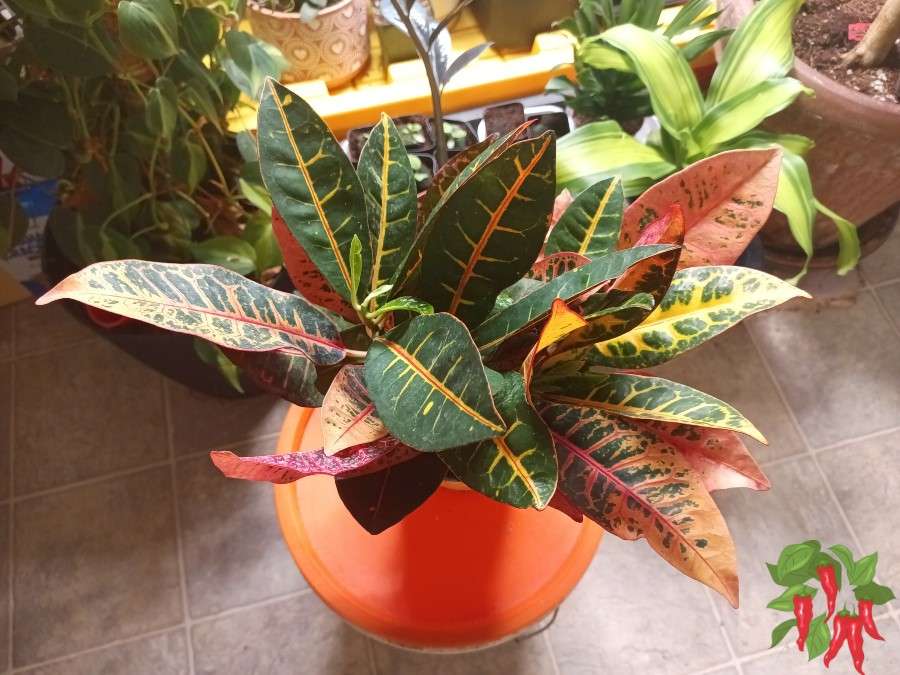
Croton Petra is one of those houseplants that can really brighten up a room. Its colorful leaves are the main attraction, and every leaf seems to have a slightly different combination of green, yellow, orange, and red.
I’ve grown this plant before and really enjoyed it. What surprised me was how well it did in a north-facing window, despite all the recommendations for bright light.
This time I’m growing my Croton Petra in an east-facing window, where it will receive more morning sunlight. I’m interested in seeing how that affects its new growth and leaf coloration.
If you’re thinking about adding Croton Petra to your indoor plant collection, don’t be discouraged by its reputation for being fussy. Give it a suitable growing location, keep the watering consistent, and avoid sudden changes in temperature or light.
With a little attention, you can enjoy this colorful tropical houseplant for years.
Get your Codium Petra on Amazon
🌿 Explore More Indoor Houseplant Guides
Enjoy growing colorful houseplants? Here are a few more guides to help you choose the right plants and keep them growing indoors.
📚 References & Further Reading
- North Carolina State University Extension – Croton (Codiaeum variegatum)
- University of Florida IFAS Extension – Crotons: Growing and Care
- ASPCA – Toxic and Non-Toxic Plants Database
 Steve S. is the creator of