
If you’ve got shady corners begging for a little life, the Best Houseplants for Low Light are your shortcut to a calmer, greener home.
In this guide, you’ll find effortless picks that brighten dim rooms, uplift your mood, and fit your style, no sunny windows (or green-thumb wizardry) required.
You’ll discover the best houseplants for low light that will thrive in your home!
Our comprehensive guide covers top picks, care tips, and common mistakes to avoid. Here’s a few tips:
- Some of the best houseplants for low light are the Snake Plant, ZZ Plant, Pothos, Peace Lily, and Spider Plant.
- These plants are not only tolerant of low light conditions but also require minimal care.
- They’re ideal for rooms with limited natural sunlight and are great for both beginners and experienced plant owners.
Best Houseplants for Low Light
Ready to turn those dim, dreary corners of your home into cozy, green sanctuaries? You’ve come to the right place!
Our guide dives deep into the world of the best houseplants for low light, offering you a variety of options that are as easy to care for as they are beautiful.
No bright light? No problem! Turn that dark corner in your living room into a green wonder.
We’ll cover everything from what exactly constitutes a low light environment to how to keep your new leafy friends happy and healthy.
So, let’s get started and make your home a plant paradise, shall we?
Importance of Houseplants in Home Decor
Houseplants have become more than just decorative items; they’re now considered essential elements for creating a balanced and harmonious living space.
Indoor plants bring a slice of nature into our homes, offering both aesthetic and psychological benefits.
Looking to add a touch of green to those dim corners of your home? You’re in luck! Our guide on the best houseplants for low light is here to help you transform those shadowy spaces into lush, vibrant havens.
Whether you’re a seasoned plant parent or a budding green thumb, we’ve got the perfect picks to make your low-light rooms come alive.
The Challenge of Low Light Conditions
However, not every home is flooded with natural light. Many people live in apartments or houses where some rooms get little to no direct sunlight.
This can make it challenging to keep plants healthy and thriving.
Purpose of the Article
This article aims to solve that problem by providing a comprehensive guide on the best houseplants that not only survive but thrive in low-light conditions.
II. What Constitutes a Low Light Environment?

Definition of Low Light
In botanical terms, low light conditions refer to spaces that receive less than 200 foot-candles of light.
In simpler terms, if a room is too dark to comfortably read a book for an extended period, it’s considered low light.
Common Low Light Areas in Homes
These areas often include bathrooms without windows, hallways, and rooms with north-facing windows.
Even a room with a large window can have low light if it’s frequently covered by curtains or blinds.
Factors to Consider When Choosing a Houseplant for Low Light
So you’re all set to bring home some leafy companions, but wait—there’s more to consider than just picking the prettiest plant on the shelf!
In this section, we’ll delve into the key factors you should keep in mind when choosing the best houseplants for low light.
We’re talking low maintenance levels, air-purifying qualities, and even pet safety.
Trust us, a little bit of prep now will make your plant-parenting journey a whole lot smoother. Let’s dive in!
Maintenance Level
Consider how much time you can realistically dedicate to plant care. Some plants are forgiving and require minimal attention, making them ideal for busy or forgetful owners.
Air-Purifying Qualities
Plants like the Snake Plant and Spider Plant are known for their air-purifying abilities.
They can filter out harmful toxins and improve indoor air quality.
Pet Safety
If you have pets, it’s crucial to choose plants that are non-toxic to them.
Many plants can cause digestive issues or other health problems if ingested by pets.
Which of the 5 plants mentioned are toxic to pets?
If you have pets, it’s crucial to know which plants are safe and which aren’t. Among the five plants mentioned:
• Snake Plant: Toxic to both cats and dogs. It can cause nausea, vomiting, and diarrhea if ingested.
• ZZ Plant: Also toxic to both cats and dogs. Ingesting it can lead to symptoms like vomiting, diarrhea, and skin irritation.
• Pothos: Toxic to both cats and dogs. It can cause oral irritation, intense burning, and irritation of the mouth, lips, tongue, and excessive drooling.
• Peace Lily: Toxic to both cats and dogs. It can cause oral irritation, excessive drooling, vomiting, difficulty in swallowing, and intense burning and irritation of the mouth, lips, tongue.
• Spider Plant: Generally considered non-toxic to both cats and dogs. It’s one of the safer options if you have pets.
So, if you have pets, the Spider Plant would be the safest choice among these five. Always consult with your vet if you suspect your pet has ingested a toxic plant.
IV. Top 5 Houseplants for Low Light
Alright, let’s get to the good stuff—the plants themselves! In this section, we’re unveiling our top 5 picks for the best houseplants for low light.
These aren’t just any plants; they’re the crème de la crème when it comes to thriving in those less-than-sunny spots in your home.
We’ll walk you through care instructions and spill the beans on the unique benefits each plant brings to the table. Ready to meet your new roommates? Let’s go!
Snake Plant

Care Instructions
Ah, the Snake Plant, also known as Sansevieria or “Mother-in-Law’s Tongue.” This plant is as low-maintenance as they come.
Seriously, if you’re the type who forgets to water your plants, this one’s for you. Just water it sparingly once every 2-3 weeks is usually enough.
Overwatering can lead to root rot, so when in doubt, let the soil dry out a bit between waterings.
Benefits
Now, let’s talk perks. The Snake Plant is an air-purifying champion. It has a unique ability to perform photosynthesis at night, unlike most plants which only do so during the day.
This means it can convert CO2 into oxygen even when the sun’s not out, making it a great bedroom companion.
ZZ Plant

Care Instructions
Next up is the ZZ Plant, a plant so easy to care for that it’s often called “the king of neglect.”
Water it only when the soil is bone dry. It’s that simple. This plant is also highly resistant to pests, which is always a plus.
Benefits
The ZZ Plant has glossy, dark green leaves that can brighten up any space. It’s not just a pretty face, though.
This plant is known for its ability to survive in low light and even artificial light conditions, making it perfect for office spaces or rooms with little natural light.
Pothos
Care Instructions
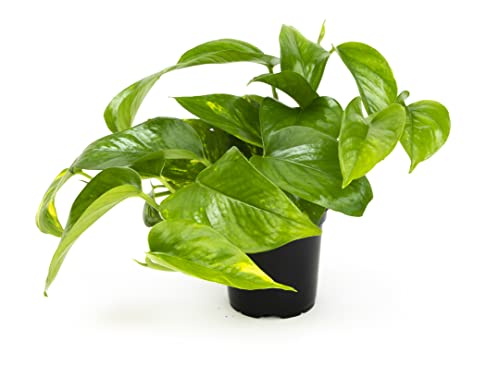
The Pothos, with its heart-shaped leaves, is a real crowd-pleaser. It’s forgiving when it comes to watering.
If you forget once in a while, it won’t hold a grudge. Just try to keep the soil slightly moist for the best results.
Benefits
Besides its good looks, the Pothos is also an excellent air purifier. It can remove toxins like xylene, benzene, and formaldehyde from the air.
Plus, it’s super easy to propagate. Just snip off a cutting, place it in water, and watch it grow!
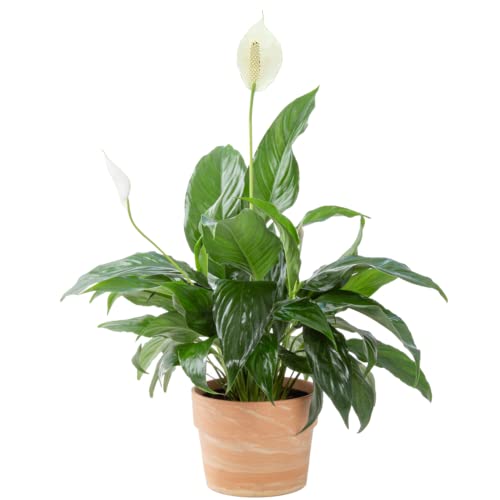
Peace Lily
Care Instructions
Peace Lilies are a bit more finicky compared to our other stars. It likes its soil to be kept moist but not waterlogged.
If you notice the leaves drooping, that’s its way of asking for a drink.
Also, it prefers filtered water to tap water, as it’s sensitive to chemicals like chlorine.
Benefits
The Peace Lily is a showstopper with its beautiful white blooms. But it’s not just about the looks.
This plant is also a fantastic air purifier. It can filter out harmful toxins like ammonia and formaldehyde, making your home a healthier place to live.
Spider Plant

Care Instructions
Last but not least, we have the Spider Plant. This one likes well-drained soil and moderate watering.
If the tips of its leaves start turning brown, it might be a sign that you’re overwatering or that the water you’re using is too hard.
Benefits
The Spider Plant is non-toxic to pets, so it’s a great choice for animal lovers.
It’s also an excellent air purifier, capable of removing pollutants like formaldehyde and xylene.
Plus, it’s super easy to propagate. Before you know it, you’ll have baby Spider Plants to share with friends and family!
There you have a detailed look at the top 5 houseplants for low light, complete with care instructions and benefits. Happy planting!
Bonus Section 5 More Low Light Plants to Try
Here a some other new plants that will grow under low-light conditions and are low-maintenance plants.
This is not the same as no light. All plants need at least a little light to grow. If you have a dark area use fluorescent lights or LED grow lights.
Pet Safe Or Not?
Let’s go through each of these plants and determine their safety for pets:
Croton: Not pet-safe. If ingested, it can cause skin irritation, mouth swelling, vomiting, and other symptoms in both cats and dogs.
Chinese Evergreen (Aglaonema): Not pet-safe. It contains calcium oxalate crystals which can cause oral irritation, drooling, vomiting, and difficulty swallowing if ingested by pets.
Parlor Palm (Chamaedorea elegans): Pet-safe! This plant is non-toxic to both cats and dogs, making it a popular choice for pet owners.
Lucky Bamboo (Dracaena sanderiana): Not pet-safe. While it’s called “bamboo,” it’s not a true bamboo. If ingested, it can cause vomiting, drooling, and other symptoms in pets due to the presence of toxic compounds.
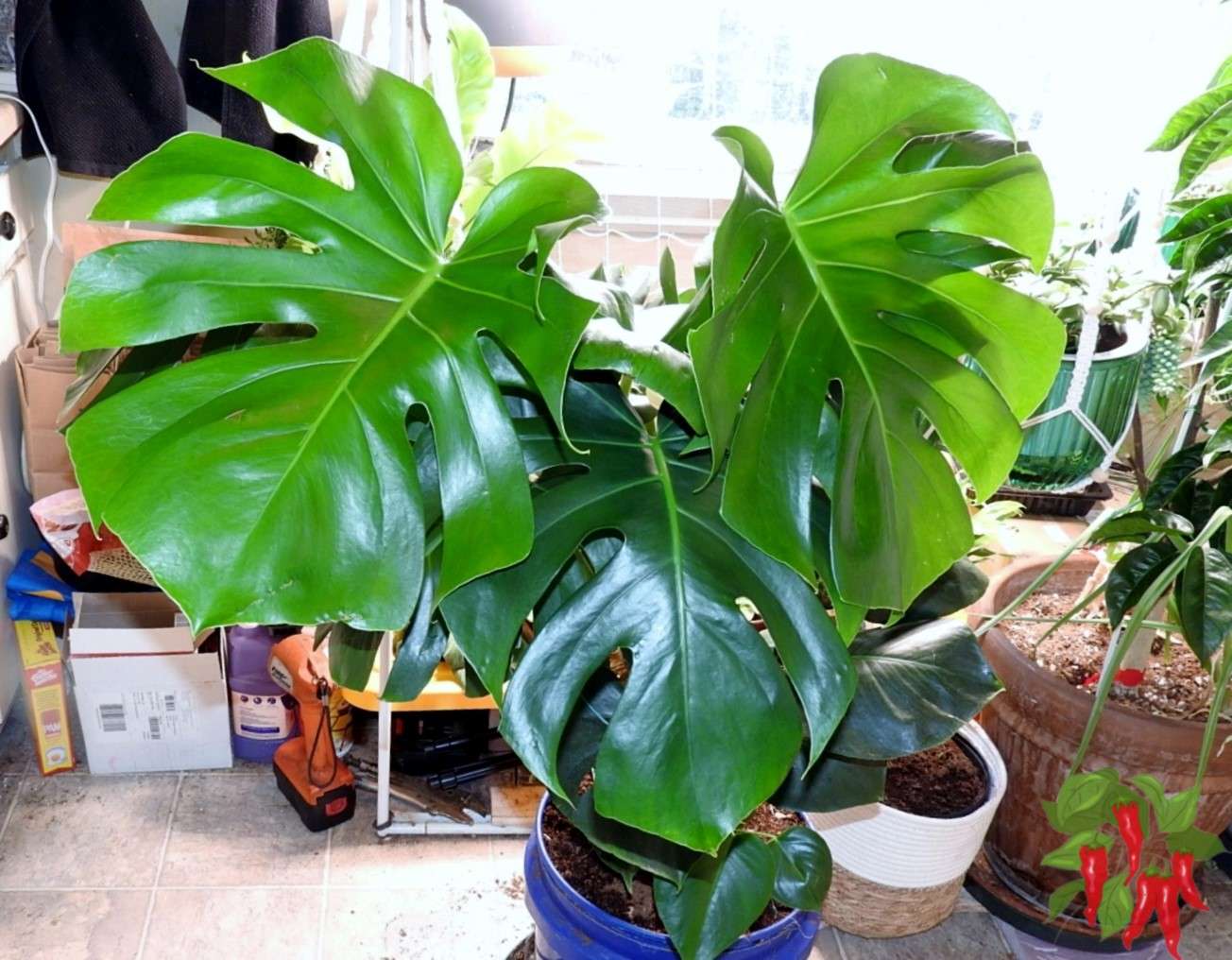
Swiss Cheese Plant (Monstera deliciosa): Not pet-safe. The plant contains calcium oxalate crystals, which can cause oral irritation, intense burning, and irritation of the mouth, lips, and tongue, and excessive drooling in pets.
Iron Plant (Aspidistra elatior or Cast Iron Plant): Generally considered pet-safe. It’s non-toxic to both cats and dogs.
While the Parlor Palm and Iron Plant are considered safe, it’s always a good idea to keep an eye on your pets and ensure they don’t chew on plants.
Even non-toxic plants can cause digestive upset if ingested. If you ever suspect your pet has ingested a harmful plant, it’s crucial to contact your veterinarian immediately.
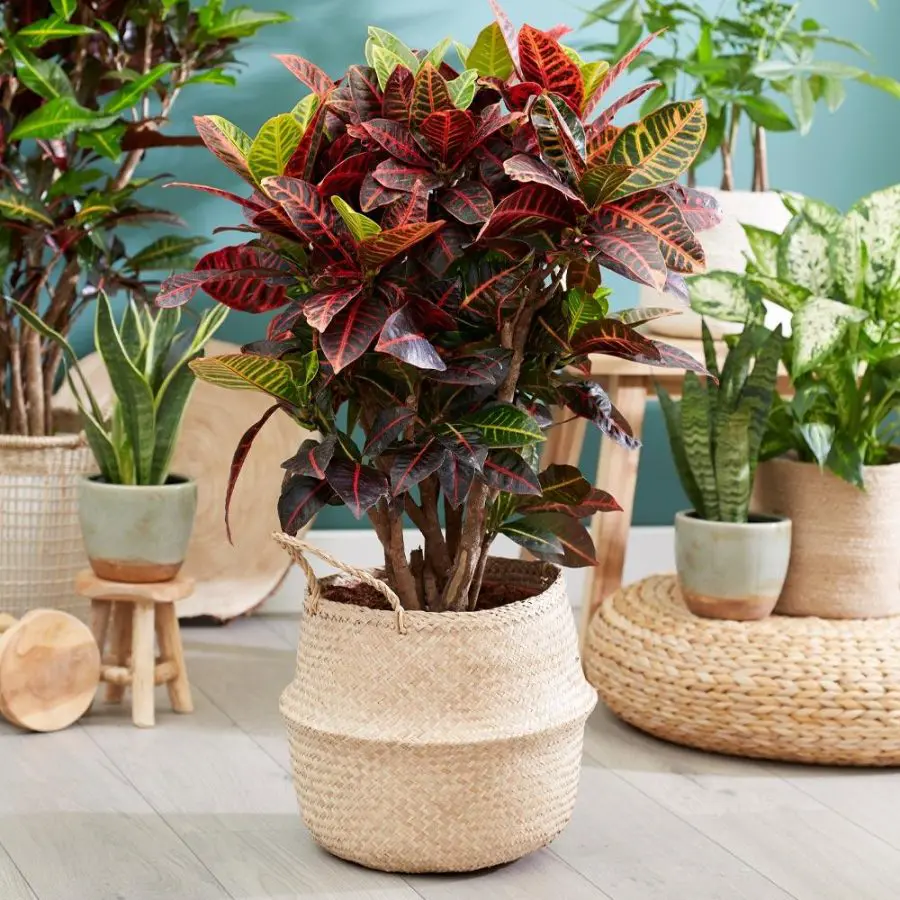
Croton

Crotons are a burst of color and a favorite for many plant enthusiasts, but they do have their specific needs. Here’s the lowdown:
Care Instructions
Light: These beauties thrive in bright, indirect sunlight. The colors of their leaves pop more vibrantly with the right amount of light.
But be cautious, direct sunlight can be a tad too harsh and might cause their leaves to burn.
Water: Patience is key here. Wait for the top inch of the soil to dry out before giving it another drink.
This plant isn’t a fan of soggy feet, so ensure your pot drains well to avoid root rot.
Temperature: Think tropical! Crotons are happiest in temperatures ranging from 60°F to 85°F.
Cold drafts or sudden temperature drops? Not their cup of tea.
Soil: Drainage is crucial. Opt for a well-draining potting mix. If you find water pooling, consider mixing in some perlite to help with drainage.
Benefits
Color Galore: The Croton’s claim to fame is undoubtedly its vibrant foliage. From yellows and reds to oranges and deep purples, it’s a visual treat that can brighten up any space.
Air Cleaner: Beyond its good looks, the Croton is also an ally in keeping your indoor air fresh by filtering out certain pollutants.
Versatility: While they have their quirks, with the right care, Crotons can adapt and thrive in various indoor settings.
A little word to the wise: If you’ve got pets that love nibbling on plants, be cautious.
Crotons can be toxic when ingested. Always best to keep them out of reach.
Read more about growing crotons.
Chinese Evergreen

Care Instructions
The Chinese Evergreen is another low-maintenance gem. It prefers well-drained moist soil and likes to be watered when the top inch of the soil is dry. It’s pretty forgiving if you forget to water it once in a while.
Benefits
This plant is not just easy to care for; it’s also a great air purifier. It can remove pollutants like benzene and formaldehyde from the air. Plus, its variegated leaves add a splash of color to any room.
Parlor Palm

Care Instructions
The Parlor Palm prefers a well-drained potting mix and indirect light. Water it when the top inch of the soil feels dry to the touch. It’s also sensitive to over-fertilizing, so less is more.
Benefits
This plant is a classic choice for an elegant, timeless look. It’s also pet-friendly and can adapt to a variety of indoor conditions, making it versatile as well as beautiful.
Lucky Bamboo

Care Instructions
Lucky Bamboo is unique in that it can grow in both water and soil. If you’re growing it in water, change the water every week. If it’s in soil, water it when the top inch becomes dry.
Benefits
As its name suggests, Lucky Bamboo is often associated with good luck and is a popular choice for Feng Shui arrangements. It’s also incredibly easy to care for, making it great for beginners.
Swiss Cheese Plant

Care Instructions
The Swiss Cheese Plant, also known as Monstera, likes a well-draining soil mix and indirect light. Water it when the soil feels dry up to your first knuckle.
Benefits
This plant is a real showstopper with its unique, holey leaves. It’s also relatively easy to care for and can grow quite large, making it a striking focal point for any room.
Iron Plant
 Care Instructions

The Iron Plant, or Cast Iron Plant, lives up to its name. It’s tough as nails. Water it when the soil is dry to the touch, and it’ll be just fine.
Benefits
This plant is nearly indestructible and can tolerate a wide range of conditions, including low light, low humidity, and temperature fluctuations. It’s the perfect plant for those who don’t have a green thumb.
There you go! Now you’ve got a broader list of low-light plants to consider, each with its own set of care instructions and benefits. Happy planting!
How to Care for Low-Light Houseplants
Ready to roll up your sleeves and dive into the care and keeping of your new leafy pals? You’re in the right place!
In this section, we’ll go beyond just naming the best houseplants for low light and get into the nitty-gritty of how to keep them thriving.
We’re talking watering, fertilizing, and even the art of repotting. Trust us, with these tips in your back pocket, you’ll be well on your way to earning that coveted “Plant Whisperer” title among your friends. Let’s get started!
Watering
The most common mistake people make is overwatering their tropical plants. Always check the soil before watering. If it’s dry to the touch, it’s time to water.
Fertilizing
Most low-light plants don’t require frequent fertilizing. A balanced, water-soluble fertilizer applied every six weeks is usually sufficient.
Repotting
Plants grow, and eventually, they’ll outgrow their pots. Repot your plants every 2-3 years to give them more room to grow and ensure better nutrient absorption.
VI. Common Mistakes to Avoid
Ah, the pitfalls of plant parenting. Let’s be honest, we’ve all been there.
Overwatering, under-fertilizing, you name it. But don’t worry, this section is all about helping you sidestep those common blunders.
We’ll go over the usual mistakes people make when caring for low light houseplants and how to avoid them.
Because let’s face it, nobody wants to be the person who killed a “hard-to-kill” plant.
So, grab a notepad, because you’ll want to remember these tips for a long, happy plant life!
Overwatering
The classic mistake is overwatering. It’s like giving someone too much love; it comes from a good place but can end up doing more harm than good.
Overwatering can lead to root rot, which is basically the plant version of pneumonia.
It’s often a one-way ticket to plant heaven and trust me, you don’t want to go there.
Always check the soil before you water. If it’s still damp, hold off. Your plant will thank you for it!
Using the Wrong Soil
So, you’ve got your new plant, and you’re ready to pot it. But wait, not so fast!
The soil you use can make or break your plant’s happiness. Different plants have different soil needs, and using the wrong type can lead to poor drainage and unhappy roots.
Always read up on what type of soil your specific plant prefers.
Coco Coir and Perlite is Recommended
Speaking of soil, let’s talk about a dynamic duo that can be a game-changer for your low-light plants: coco coir and perlite.
Coco coir is excellent for water retention while still providing good drainage.
Perlite, those little white balls you see in potting mix, helps aerate the soil.
Mixing these two can create a well-balanced soil that’s perfect for most low-light houseplants.
Ignoring Signs of Pests
Last but definitely not least, let’s talk bugs. Ignoring signs of pests like spider mites or aphids is like ignoring a leaky roof, it’ll only get worse.
Always inspect your plants when you water them. Look for discolored leaves, tiny webs, or a sticky substance on the surface.
If you spot any of these, it’s time to take action. There are plenty of natural remedies like neem oil that can help you get rid of these pesky invaders.
There you have it! Keep these tips in mind, and you’ll be well on your way to avoiding the common mistakes that can trip up even the most seasoned plant parents. Happy gardening!
VII. Houseplants for Low Light FAQs
Got questions? Don’t worry, we’ve got answers! In this FAQs section, we’ll tackle some of the most burning questions you might have about the best houseplants for low light.
From watering schedules to pet safety, we’ve got you covered. So, if you’ve been scratching your head wondering how to make the most of your leafy friends, read on!
We’re about to clear up all those plant-related queries you’ve been pondering.
Q: Can low light plants survive without any natural light?
A: While low light plants are more forgiving, they do need some form of light to carry out photosynthesis.
Artificial light can sometimes suffice, but no light at all is a no-go for any plant.
Q: How often should I water my low light houseplant?
A: The frequency varies depending on the plant, but a good rule of thumb is to water when the soil feels dry to the touch.
Overwatering can lead to root rot, so it’s better to err on the side of caution.
Q: Are low light plants safe for pets?
A: Some low light plants are pet-friendly, like the Spider Plant, but others can be toxic to animals.
Always do your research before bringing a new plant into a home with pets.
Q: Can low light plants improve air quality?
A: Yes, many low light plants are excellent air purifiers. They can remove toxins like formaldehyde and benzene from the air, making your living space healthier.
Hope this clears up any questions you had! Feel free to dive deeper into any of these topics for more detailed information.
VIII. 11 Best Houseplants for Low Light Conclusion
Well, folks, we’ve reached the end of our green journey together! In this conclusion, we’ll wrap up everything we’ve learned about the best houseplants for low light.
We’ve covered a lot of ground, from the nitty-gritty of plant care to the fabulous benefits these leafy wonders bring into our homes.
So, whether you’re a seasoned plant parent or just getting started, we hope this guide has been your go-to resource for all things low-light and leafy. Let’s recap, shall we?
Summary of Key Points
We’ve journeyed through the world of houseplants that love the shade as much as we love a good Netflix binge.
From understanding what “low light” really means to dive into the specific care instructions and benefits of our top 5 picks: Snake Plant, ZZ Plant, Pothos, Peace Lily, and Spider Plant we’ve covered it all.
We also added a bonus section with 6 more plants: Croton, Chinese Evergreen, Parlor Palm, Lucky Bamboo, Swiss Cheese Plant, and Iron Plant to grace your low-light apartment garden.
We even tackled some FAQs to clear up common misconceptions and give you the confidence to become the plant parent you were born to be.
Final Recommendations
So, what’s the takeaway? First off, don’t let a lack of sunlight deter you from adding some greenery to your life.
There are plenty of plants that will happily call your dimly lit room home and we have covered 11 of the best houseplants for low light in this article
Secondly, always consider your lifestyle and the specific needs of each plant.
If you’re a busy bee, go for low-maintenance options like the Snake Plant or ZZ Plant.
And let’s not forget about our furry friends; always double-check a plant’s pet safety before making it a part of your family.
There you have it! You’re now armed with all the knowledge you need to turn those dark corners of your home into lush, plant-filled paradises. Happy planting!
🌿 Indoor Houseplant Growing Guides
Want to fill your home with lush, vibrant greenery? These expert indoor houseplant guides will help you grow everything from exotic blooms to hardy foliage with ease!
- 🌿 Benefits of Keeping Indoor Houseplants (Pillar Guide)
- 🌱 Can You Grow Gladiolus Indoors? 11 Easy Gladioli Growth Tips
- 🍃 Pink Wandering Jew: Easy Nanouk Tradescantia Care
- 🌾 Tī Plant Care Indoors: 7 Proven Tips To Transform Your Space
- 🪴 Rubber Plant Care Indoors: 11 Best Care Tips For Beginners
- 🍀 Ficus Benjamina Indoors: 6 Easy Growth Tips For Beginners
- 🌼 How To Care For Peace Lily Indoors: 13 Easy Care Growth Tips
- 🌹 Bubble Gum Plant Care: 11 Tips And Tricks For Beginners
- 🌺 Hibiscus Plant Care Indoors: 7 Growth Tips For Beginners
- 🍂 Growing Jacob’s Ladder Indoors: Comprehensive Guide
- 🌷 Purple Shamrock Plant Care: 13 Tips And Tricks For Beginners
- 🌿 Creeping Jenny In Pots: 13 Lysimachia nummularia Growth Tips
- 🏡 Vertical Gardening Ideas: Best Small Space Garden Ideas
- 🪴 Chinese Money Plant Care Indoors: 7 Easy Growth Tips
- 🌳 9 Triangle Ficus Care Secrets for a Lush, Healthy Plant
- 🍌 Ice Cream Banana Tree Care: 15 Tip Complete Growth Guide
- 🌱 How to Make a Nerve Plant Thrive: 10 Tips and Tricks
- 🌸 African Violet Care Indoors: 11 Easy Care Tips For Beginners
- 🌺 Alternanthera Party Time Care: 7 Easy Growth Hacks
- 🌼 Geranium Care In Pots: 9 Geranium Growth Tips For Beginners
- 🌿 Purple Velvet Plant Care: 7 Easy Growth Tips And Tricks
- See all articles in our Indoor Houseplants category
 Steve S. is the creator of