

Looking for a plant that adds instant charm without the drama? The Japanese Bird’s Nest Fern might be your new favorite.
The Japanese Bird’s Nest Fern is a tropical beauty with wavy fronds that thrive indoors with just a little care.
With its wavy, glossy fronds and tidy, nest-like shape, it brings a peaceful, tropical vibe to any room while being surprisingly low-maintenance. It’s the perfect mix of beauty and chill.
Japanese Bird’s Nest Fern Care
- Japanese Bird’s Nest Fern is a tropical houseplant with wavy, glossy fronds that grow in a nest-like rosette.
- It thrives in bright, indirect light and high humidity.
- Water when the top inch of soil feels dry, and keep it away from direct sun and cold drafts.
- It’s non-toxic and easy to grow indoors.
Japanese Bird’s Nest Fern Care: Complete Guide
The Japanese Bird’s Nest Fern is one of those plants that looks fancy but is surprisingly easy to grow.
A lot of folks struggle to keep ferns alive indoors because they don’t realize how much humidity or care they actually need.
But don’t worry. With just a few simple tips, this beautiful plant can thrive and become the lush centerpiece of your home. Here’s how:
🌿 Introduction: Meet Your Japanese Bird’s Nest Fern
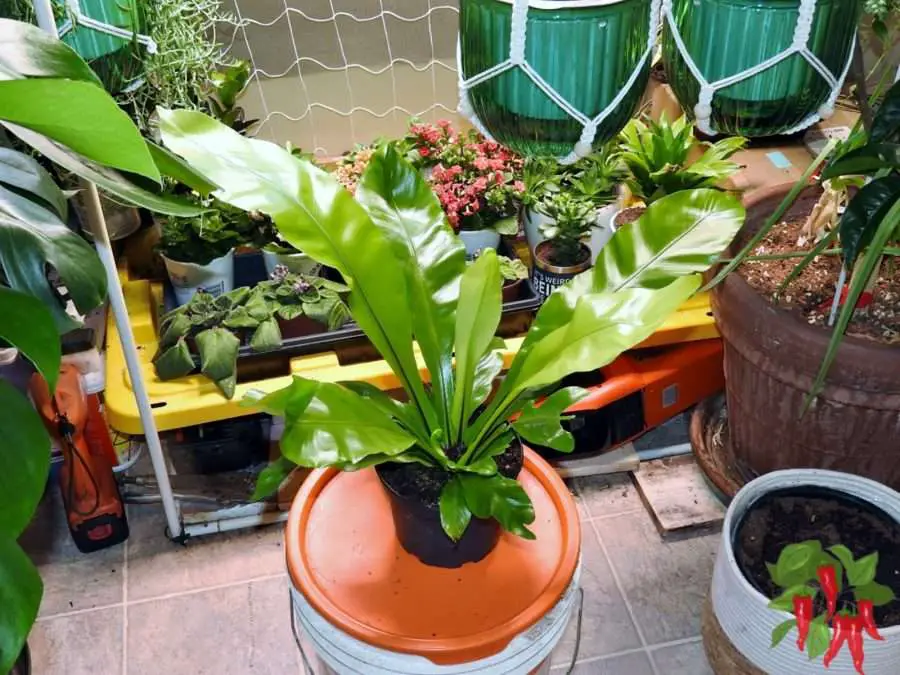
Say Hello to a Leafy Showstopper
Looking for a plant that’s eye-catching and easygoing? The Japanese Bird’s Nest Fern checks both boxes. With its wavy, sword-like fronds and nest-like shape, this fern brings an instant tropical vibe to your home, without demanding much in return.

Costa Farms Bird’s Nest Fern, Easy Care Houseplant in Modern Decor Planter, 15-Inches Tall
Straight from the Forests of Japan
This gorgeous green comes from the warm, humid forests of Japan and other parts of Asia. In the wild, it grows nestled in tree trunks, soaking up filtered sunlight and moisture from the air. Indoors, it’s become a popular houseplant thanks to its bold look and relatively low fuss.
Why You’ll Want One in Your Home
Besides being easy on the eyes, the Japanese Bird’s Nest Fern is known for being forgiving and adaptable. It’s perfect for bright bathrooms, cozy bedrooms, or that empty corner begging for a bit of green. Once you learn what it loves, it’ll thrive—and look good doing it.
🌱 What Is a Japanese Bird’s Nest Fern?
A Fern with Style and Grace
The Japanese Bird’s Nest Fern, known botanically as Asplenium antiquum, is a tropical houseplant with a lot of flair. It’s part of the larger Bird’s Nest Fern family, but this one stands out for its decorative fronds and tidy, upright growth habit.
Meet Asplenium antiquum
Often called the Japanese Bird’s Nest Fern, this variety has:
- Glossy, sword-shaped fronds
- Distinct wavy edges that give it a ruffled look
- A symmetrical, nest-like rosette pattern
It grows upward and outward from the center, almost like it’s cradling something—hence the name “bird’s nest.”
A Quick Look at Its Natural Home
In the wild, Asplenium antiquum grows in humid forests across Japan, Taiwan, and parts of Southeast Asia.
Here’s a fun fact:
- It’s an epiphyte, which means it can grow on trees without taking nutrients from them. It absorbs moisture from the air—how cool is that?
This fern doesn’t just look exotic—it is exotic. But don’t worry, it’s happy living in your home too, as long as you give it the right care.
🌿 Asplenium Antiquum vs Asplenium Nidus: What’s the Difference?
At first glance, Asplenium antiquum and Asplenium nidus can look like twins. Both are tropical ferns with glossy green fronds and that signature bird’s nest shape. But once you know what to look for, the differences start to stand out.
🪴 They Share the Same Family Look
Both of these ferns grow in a rosette pattern, with leaves that unfurl from a central crown. They love humidity, thrive in indirect light, and bring that same lush, rainforest feel to any indoor space.
But the similarities pretty much stop there.
🌱 Asplenium antiquum: The Japanese Bird’s Nest Fern
If your fern has a more upright posture and the fronds have a wavy, almost rippled edge, you’re likely growing Asplenium antiquum. Here’s what to look for:
- Thinner, longer fronds
- Decorative, wavy edges
- More upright and compact form
- Slightly tougher texture compared to nidus
This one tends to look a little more sculptural and tidy, which makes it great for clean, modern interiors.
🌿 Asplenium nidus: The Classic Bird’s Nest Fern
On the other hand, Asplenium nidus has a softer, more laid-back appearance. Its leaves are wider and gently ripple rather than wave. Key traits include:
- Broad, smooth-edged fronds
- Gentle, shallow ripples
- A more flowing, relaxed shape
- A more traditional bird’s nest appearance
It gives off a slightly more casual vibe and often grows a bit larger when happy.
🤔 Not Sure Which One You Have?
Here’s a quick cheat sheet:
| Trait | Asplenium antiquum | Asplenium nidus |
|---|---|---|
| Frond Shape | Thinner, wavy edges | Broader, smooth or rippled |
| Growth Habit | Upright and compact | Flowing and relaxed |
| Texture | Slightly firmer | Softer and smoother |
So next time you’re admiring your fern, take a closer look—you might be growing a stylish antiquum, or the ever-popular nidus. Either way, you’ve got a winner!
Japanese Bird’s Nest Fern Plant Care Reference Guide
| Characteristic | Details |
|---|---|
| Common Name | Japanese Bird’s Nest Fern |
| Botanical Name | Asplenium antiquum |
| Native Habitat | Japan, Taiwan, Southeast Asia |
| Plant Type | Evergreen, Epiphytic Fern |
| Growth Pattern | Rosette of upright, wavy fronds |
| Mature Size | 12–24 inches tall and wide |
| Watering | Keep soil consistently moist but not soggy |
| Light/Sun Exposure | Bright, indirect light |
| Soil Type | Well-draining mix with coco coir and perlite |
| Soil pH | Slightly acidic to neutral (5.5–7.0) |
| Temperature | 60–80°F (15–27°C) |
| Humidity | High; prefers 60% or higher |
| Bloom Time & Flower Color | Non-flowering; reproduces by spores |
| Potential Problems | Brown tips, yellowing fronds, spider mites, scale |
| Repotting | Every 2–3 years or when rootbound |
| Hardiness Zones (USDA) | 10–11 (outdoors); commonly grown indoors |
☀️ Light Requirements: Where Should You Put It?
🌤 Loves the Light—but Not Too Much
Your Japanese Bird’s Nest Fern thrives in bright, indirect light. Think of how sunlight filters through a forest canopy—that’s the kind of soft, diffused light this plant loves. It doesn’t do well in direct sun, which can scorch those delicate fronds in no time.
🚫 Too Much or Too Little? Here’s What Happens
If it gets too much direct sun, you’ll likely see:
- Crispy or brown tips
- Bleached or faded leaves
- Drooping from stress
If it doesn’t get enough light, it may start to:
- Grow slowly or stop growing altogether
- Develop dull, lifeless fronds
- Stretch toward the nearest light source
🪟 Best Spots in Your Home
Not sure where to place it? Try one of these cozy spots:
- Near an east-facing window for gentle morning light
- A few feet away from a north-facing window
- Behind a sheer curtain in a bright room
- On a shelf or plant stand where it gets indirect light all day
Keep it out of harsh afternoon sun, and you’ll have a happy fern that keeps those wavy fronds looking lush and healthy.
💧 Watering Tips: How to Keep It Hydrated Without Overdoing It
🌿 Damp, Not Drenched
Your Japanese Bird’s Nest Fern likes its soil consistently damp, kind of like a wrung-out sponge.
It doesn’t want to dry out completely, but it definitely doesn’t want to sit in soggy soil either. That’s a fast track to root rot.
🕵️♀️ How to Know It’s Time to Water
Stick your finger about an inch into the soil. If it feels dry at that depth, it’s time to water. Other signs it’s thirsty:
- The fronds start to look a little limp
- The edges may begin to curl in slightly
- The top layer of soil feels dry and crumbly
⚠️ Watch Out for These Common Mistakes
Watering can get tricky if you’re not careful. Here’s what to avoid:
- Overwatering: Leads to mushy roots and yellowing leaves
- Underwatering: Causes crispy fronds and slow growth
- Pouring water into the center of the plant: Can cause rot where the fronds meet in the middle
🪴 Try a Self-Watering Planter
Want a low-stress watering solution? A self-watering planter is a great option.
It keeps the soil evenly moist without the risk of overwatering, which ferns totally appreciate.
Just make sure the pot has good drainage and you keep an eye on the water level.
Stay consistent with your watering routine, and your fern will reward you with lush, healthy growth.
🌴 Humidity and Temperature: Create a Jungle Vibe
💦 This Fern Loves It Steamy
The Japanese Bird’s Nest Fern is a true tropical diva and it thrives in high humidity. Think rainforest, not desert.
Dry air from heaters or AC units can make the fronds brown and crispy, so if your home runs dry, it’s time to step up the moisture.
🌫️ Simple Ways to Boost Humidity
No rainforest? No problem. Here are a few easy ways to mimic those lush jungle vibes:
- Humidifier: The best way to keep humidity steady all day
- Pebble tray: Set your plant’s pot on a tray filled with pebbles and water (just don’t let the pot sit in the water)
- Misting: Lightly mist the fronds a few times a week for a quick boost
- Group plants together: Plants naturally increase humidity around each other
Bonus: Bathrooms with bright, indirect light are practically a spa day for this fern.
🌡️ Ideal Temperature Range
Your fern prefers a warm, cozy home with temps between 60–80°F (15–27°C). Keep it away from:
- Cold drafts near windows or doors
- Hot, dry air from heating vents or radiators
- Sudden temperature swings
If you’re comfortable in a room, chances are your fern will be too. Just don’t let it shiver or sweat—it likes things steady and mild.
🪴 Soil and Potting: Give It the Right Home
🌱 Loose and Airy Wins the Race
Your Japanese Bird’s Nest Fern doesn’t like heavy, compacted soil. It prefers a light, well-draining mix that holds moisture without staying soggy.
Think breathable, fluffy, and just moist enough to keep those roots happy.
🌿 My Favorite Mix for Happy Roots
Here’s a soil blend that works like a charm:
- Coco coir: My go-to instead of peat. It’s environmentally friendly, retains moisture well, and offers excellent aeration
- Perlite: Helps with drainage so the roots don’t suffocate
- Orchid bark (optional): Adds chunky texture and keeps the mix open and loose
This combo mimics the fern’s natural growing conditions and keeps the roots healthy and well-ventilated.
🔁 When and How to Repot
You don’t need to repot this fern often, but if it’s starting to outgrow its pot or the roots are circling the bottom, it might be time.
Here’s how to do it gently:
- Choose a pot 1–2 inches wider than the current one
- Gently loosen the root ball, but don’t break it apart
- Fill the new pot with your soil mix, keeping the crown above the soil line
- Water lightly after repotting to help it settle in
Avoid pots without drainage holes, and give it a week or two to bounce back after the move.
With the right soil and a cozy pot, your fern will feel right at home.
🌼 Feeding Your Fern: Do You Need Fertilizer?
🧃 Yes—But Go Easy on the Juice
Your Japanese Bird’s Nest Fern does benefit from fertilizer, but it’s a light feeder. Think of it like seasoning your food—you don’t need much to make a difference, but too much can ruin the whole dish.
🌿 What to Use and When
During the growing season (spring through early fall), feed your fern about once a month with a gentle, balanced fertilizer. Here’s what works best:
- Diluted liquid fertilizer (half strength is perfect)
- A balanced mix like 10-10-10 or 20-20-20
- Organic options like seaweed extract or fish emulsion if you want to keep things natural
No need to fertilize in winter—your fern is resting, and a break from feeding will help it stay healthy.
⚠️ Don’t Overdo It
Too much fertilizer can do more harm than good. Watch out for:
- Leaf burn (browned or crispy tips)
- Weak or leggy growth
- White crust on top of the soil (salt buildup)
When in doubt, less is more. A lightly fed fern is a happy fern!
✂️ Pruning and Grooming: Keep It Looking Fresh
🍂 Time to Say Goodbye to Damaged Leaves
Your Japanese Bird’s Nest Fern doesn’t need constant pruning, but it does appreciate a little tidying up now and then. If you spot fronds that are:
- Yellowing
- Brown or crispy at the tips
- Wilted or damaged
…it’s time to trim them off so the plant can focus on fresh growth.
🪛 How to Prune Without Hurting the Fern
Pruning is simple, but there’s a right way to do it. Here’s how:
- Use clean, sharp scissors or pruning shears
- Snip the frond at the base, near the crown, without cutting into the center
- Never remove too many fronds at once—just a few here and there
Avoid yanking or tearing leaves—it can damage the whole rosette and stress your plant out.
🌿 Want More Growth? Keep It Comfortable
You can’t force new fronds to grow overnight, but you can encourage them with good care:
- Consistent watering (never let it dry out)
- Bright, indirect light
- Regular humidity and light feeding during spring and summer
When your fern is happy, you’ll start to see those cute little baby fronds unfurling from the center—and that’s the best reward of all.
🌱 Propagation: Can You Multiply Your Fern?
🤔 Not as Easy as Snipping and Sticking
Unlike many houseplants, the Japanese Bird’s Nest Fern doesn’t grow from simple cuttings. Instead, it reproduces by spores, which are tiny dust-like particles that grow on the undersides of mature fronds. Propagating from spores is totally possible—but it’s a slow, delicate process that can take months (and a lot of patience).
🏡 What Most Home Growers Can Actually Do
For everyday plant lovers, spore propagation might be more effort than it’s worth. The setup requires:
- Sterile containers
- Fine soil or moss
- Humid, warm conditions for weeks
Not exactly beginner-friendly! But don’t worry—there’s another option.
✂️ Can You Divide a Bird’s Nest Fern?
Usually not. Bird’s Nest Ferns, including Asplenium antiquum, grow from a single central crown.
Unlike ferns with multiple offshoots, they don’t naturally divide into clumps.
Trying to split the crown can kill the plant so it’s not recommended unless you’re a fern expert with surgical hands.
🌱 The Third Option: Let Nature Do Its Thing
While spores are the fern’s natural method and division isn’t ideal due to the single crown, some plant lovers have noticed that mature ferns can sometimes produce small offshoots or pups around the base in very healthy, well-established conditions.
It’s not super common, but when it happens, it’s a nice bonus!
If your fern does produce a pup:
- Wait until it’s about a third the size of the main plant
- Use a sterile knife to gently separate it, making sure it has some roots attached
- Pot it in a small container with moist, well-draining soil and keep the humidity high
It’s not a guaranteed method, but it’s a natural alternative that can occasionally work without needing to go the full spore-propagation route. It’s rare but exciting when it shows up!
So, while multiplying this fern isn’t simple, taking great care of your original plant is the best way to keep the beauty going strong.
🐛 Common Problems and Solutions
🍂 What’s Up with Those Brown Tips?
If the fronds on your Japanese Bird’s Nest Fern are starting to look a little rough around the edges, your plant might be trying to tell you something.
Here’s what common symptoms usually mean:
- Brown tips: Usually caused by dry air or inconsistent watering
- Yellowing leaves: Often a sign of overwatering or poor drainage
- Wilting fronds: Can be due to underwatering—or root rot if the soil stays soggy too long
Make sure you’re checking the soil regularly and boosting humidity to keep your fern looking fresh.
🐞 Pesky Pests to Watch Out For
While pretty tough, your fern isn’t completely pest-proof. Here are the main culprits to look for:
- Scale insects: Tiny brown or tan bumps stuck to the fronds
- Mealybugs: White, cotton-like fluff in leaf joints
- Fungus gnats: Little flying pests that love damp soil
- Spider mites: Super tiny, hard to spot, but they leave behind fine webbing and speckled fronds
Spider mites especially love dry air, so if your humidity drops too low, they may move in. A quick misting or shower can help wash them away before they settle in.
🌿 Gentle Treatments That Work
No need to go nuclear. Start with these safe, natural options:
- Neem oil spray: A go-to for most pests, and safe for your fern
- Insecticidal soap: Gentle and effective, just spot-test first
- Rubbing alcohol on a cotton swab: Works great on scale and mealybugs
- Sticky traps: Catch fungus gnats around the soil
- Shower rinse: A quick, lukewarm rinse can knock off mites and clean the leaves
Keep your plant clean, well-hydrated, and in the right environment, and most of these problems will stay far away.
🧘 Japanese Bird’s Nest Fern in Feng Shui and Decor
🌿 A Plant That Brings Peace and Lush Energy
The Japanese Bird’s Nest Fern isn’t just pretty. It carries a calming, grounded energy that fits beautifully into Feng Shui practices.
Its soft, arching fronds and balanced, circular shape create a sense of gentle movement and harmony, which can help reduce stress and bring a refreshing stillness to your space.
This fern represents growth, renewal, and resilience, all of which are great energies to invite into your home.
🏠 Where to Place It for Good Feng Shui
Want to maximize the vibes? Here are the best spots to place your fern, based on Feng Shui principles:
- East or Southeast corner: Great for boosting health, family harmony, and prosperity
- Near your entryway: To welcome fresh energy into your home
- Bathroom with good light: Balances water energy and adds life to a damp space
- Home office or study area: Encourages focus and clears mental clutter
Wherever it goes, make sure it’s in a peaceful, uncluttered spot to let its natural energy shine.
🪴 Styling Ideas to Elevate Your Decor
The Japanese Bird’s Nest Fern pairs beautifully with minimalist or nature-inspired styles. Here are some decor ideas to try:
- Neutral-toned ceramic pots to let the fronds take center stage
- Wood or rattan plant stands for a cozy, earthy look
- Group it with other leafy green plants to create a lush indoor jungle
- Pair it with calming crystals like jade or clear quartz for a Zen touch
Its soft shape and rich color make it a stunning anchor plant in any room—elevating both your decor and the energy around you.
🌿 Final Thoughts: A Lush Houseplant With Big Personality

The Japanese Bird’s Nest Fern brings a lot to the table—bold, wavy fronds, a neat rosette shape, and a chill personality that makes it perfect for both new and seasoned plant lovers. It’s low-maintenance, beautiful, and full of life, making it a standout addition to any indoor garden.
If you haven’t tried growing one yet, this is your sign. Whether you’re looking to boost your home’s Feng Shui, add tropical flair to your decor, or just want a leafy friend that’s easy to care for, Asplenium antiquum is up for the job.
🌟 Ready to Grow Your Own Japanese Bird’s Nest Fern?
Now that you know how easy and rewarding it is to care for this lush, tropical beauty—why not bring one home? Whether you’re refreshing your plant shelf or creating a calming corner with good Feng Shui, the Japanese Bird’s Nest Fern is a perfect pick.
👉 Start your fern journey today and watch your space come to life—one wavy frond at a time!
Want to fill your home with lush, vibrant greenery? These expert indoor fern guides will help you grow everything from Boston ferns to exotic Staghorns with ease!
Buy Japanese Bird’s Nest Ferns on Amazon
❓ FAQs About Japanese Bird’s Nest Fern
Got questions? You’re not alone. Here are some quick answers to the most common things people wonder about when caring for a Japanese Bird’s Nest Fern.
Q. How do you take care of a Japanese bird’s nest fern?
A. Keep it in bright, indirect light, water when the top inch of soil feels dry, and boost humidity with misting or a humidifier. Avoid cold drafts and direct sun.
Q. How big do Japanese bird nest ferns get?
A. Indoors, they usually grow up to 1–2 feet tall and wide, but with the right conditions, they can sometimes get even bigger over time.
Q. Is Japanese bird’s nest fern toxic?
A. Nope! They’re non-toxic to both pets and people, making them a great choice for pet-friendly homes.
Q. Where is the best place to put a birds nest fern?
A. Near an east or north-facing window with filtered light. Bathrooms with bright light and humidity are also ideal.
Q. What is the lifespan of a bird’s nest fern?
A. With proper care, they can live for many years—sometimes even decades—growing more lush and full over time.
Q. How often should I water a bird’s nest fern?
A. About once a week, depending on your home’s humidity and light. Keep the soil consistently moist but never soggy.
Q. Can I put my birds nest fern outside?
A. Yes, but only in warm, humid climates. Keep it in a shady, protected area and bring it back in before temperatures drop below 60°F (15°C).
Q. What does an overwatered birds nest fern look like?
A. You’ll see yellowing leaves, soft or mushy stems, and possibly a funky smell from the soil—classic signs of root rot.
Q. Should I cut off brown leaves in birds’ nest fern?
A. Yes, go ahead and trim them at the base. Removing damaged fronds helps the plant focus on fresh, healthy growth.
Q. Should I mist my bird’s nest fern?
A. Absolutely! Misting helps raise humidity and keeps the fronds looking fresh. Just avoid letting water collect in the center of the plant.
🌿 Indoor Fern Growing Guides
Want to fill your home with lush, vibrant greenery? These expert indoor fern guides will help you grow everything from Boston ferns to exotic Staghorns with ease!
- 🌿 Indoor Ferns Care (Pillar Guide)
- 🌱 Asparagus Fern Indoor Care
- 🍃 Boston Fern Care Indoors
- 🌾 Japanese Bird’s Nest Fern
- 🪴 Crocodile Fern Indoor Care
- 🍀 Maidenhair Fern Care Indoors
- 🌳 Japanese Holly Fern Indoor Care
- 🪹 Caring for Bird’s Nest Fern Indoors
- 🪷 Staghorn Fern Care Indoors
- See all articles in our Indoor Ferns category
 Steve S. is the creator of