Lemon Button Fern Duffii: Easy Indoor Care
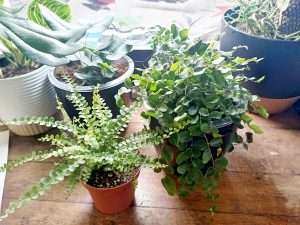
Lemon Button Fern Duffii, botanically known as Nephrolepis cordifolia ‘Duffii,’ is a compact fern with tiny rounded leaflets and gently arching fronds. It gives you … Read more

Practical Indoor Plant Care for Real Homes
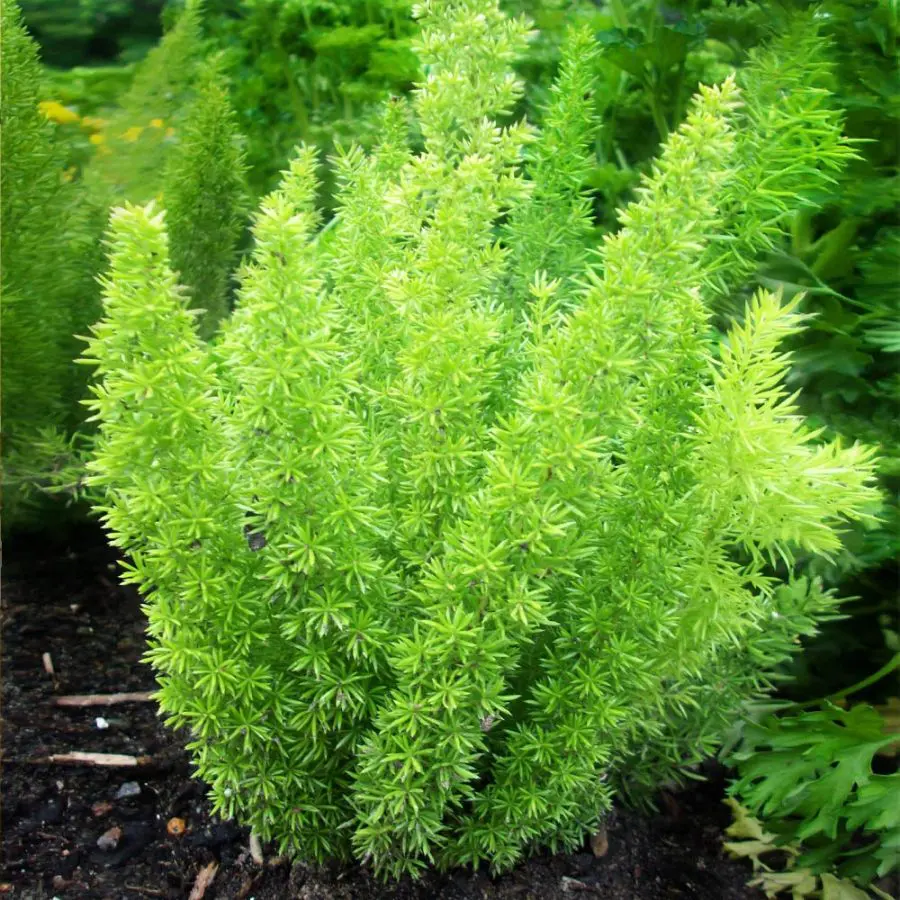
Indoor ferns are some of the most attractive houseplants you can grow, with everything from soft, feathery fronds to bold, glossy leaves. They can add a beautiful touch of greenery to your home, whether you’re decorating a shelf, filling a hanging basket, or growing plants in a bright bathroom.
If you’re anything like me, you can never have too many green friends around the house. And ferns are certainly worth making room for!
While some indoor ferns are easy to care for, others can be a little fussy about watering, humidity, and lighting. The good news is that once you understand what your particular fern needs, keeping it healthy becomes much easier.
These indoor fern growing guides cover popular varieties, beginner care tips, watering, lighting, humidity, and common growing problems.
Before choosing a fern, consider the growing conditions in your home. Some ferns tolerate ordinary household humidity fairly well, while others prefer consistently moist air and growing media.
Most popular indoor ferns prefer indirect light rather than intense afternoon sunlight. However, their individual lighting and watering requirements can vary quite a bit.
If you’re new to growing ferns, start with a variety that suits your home instead of choosing one based on appearance alone.
Some ferns have become houseplant favorites because of their attractive foliage and ability to grow in containers.
Boston ferns are popular for hanging baskets, while blue star ferns have distinctive blue-green fronds. Rabbit’s foot ferns are especially interesting because of their fuzzy rhizomes that grow across the surface of the pot.
Each has its own growing habits, so it’s worth learning about your plant before deciding where to keep it.
Bird’s nest ferns look quite different from the finely divided ferns many people are familiar with. Instead of delicate, feathery foliage, they produce broad fronds that grow from a central rosette.
Some varieties have smooth leaves, while others develop curled or wavy edges. They’re attractive houseplants that can make a strong statement without taking up a huge amount of space.
When watering, avoid allowing water to collect and remain in the center of the plant, where it can encourage crown problems.
If you enjoy collecting unusual houseplants, there are plenty of interesting ferns to choose from.
Maidenhair ferns have delicate foliage and can be sensitive to drying out. Heart ferns have distinctive heart-shaped leaves, while crocodile ferns have textured fronds that resemble reptile skin.
These plants can be rewarding to grow, but some need closer attention to moisture and humidity than more forgiving houseplants.
Not every plant commonly called a fern grows like a traditional potted fern.
Staghorn ferns are epiphytic plants that can grow mounted on boards or in suitable containers. Their unusual fronds make them a favorite for wall displays and indoor plant collections.
Asparagus ferns, on the other hand, aren’t true ferns at all. They’re relatives of asparagus, but their fine, feathery foliage gives them a fern-like appearance.
Both can make interesting additions to an indoor garden, although their growing requirements are different.
Although different fern varieties have their own needs, a few basic practices can help you get started.
My advice is to start with one or two ferns that fit your growing conditions. Once you understand their watering and lighting needs, you can add some of the more unusual varieties to your collection.
Below you’ll find our complete collection of indoor ferns growing guides, including beginner-friendly varieties, bird’s nest ferns, maidenhair ferns, staghorn ferns, and other interesting choices.
Whether you’re looking for an easy houseplant or something a little more challenging, there’s probably a fern that will fit your indoor growing space.
Lemon Button Fern Duffii, botanically known as Nephrolepis cordifolia ‘Duffii,’ is a compact fern with tiny rounded leaflets and gently arching fronds. It gives you … Read more
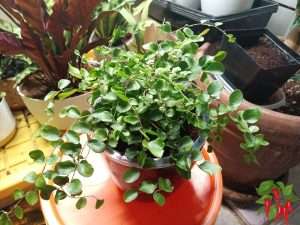
Best indoor ferns for beginners include Lemon Button Fern, Button Fern, Heart Fern, Crispy Wave Bird’s Nest Fern, Rabbit’s Foot Fern, Bird’s Nest Fern, Blue … Read more
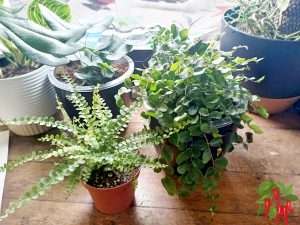
Lemon Button Fern care indoors is surprisingly simple, making this compact fern an excellent choice for beginners and experienced plant lovers alike. Its small, rounded … Read more
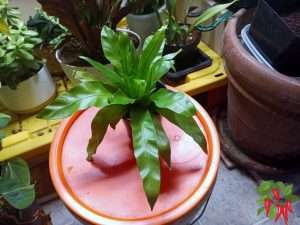
Crispy Wave Bird’s Nest Fern care indoors is simple once you understand what makes this compact cultivar different from traditional Bird’s Nest Ferns. Its upright, … Read more
Button Fern care indoors is surprisingly simple, making this compact fern an excellent choice for anyone looking to add lush greenery without the size or … Read more
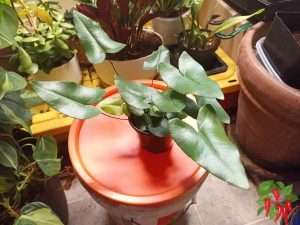
Heart Fern care indoors is easier than many people expect once you understand its love of warmth, humidity, and evenly moist soil. Unlike the feathery … Read more
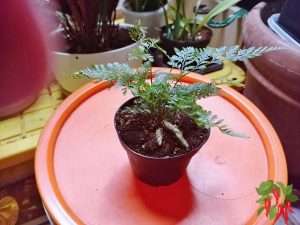
Rabbit’s Foot Fern care indoors is easier once you understand how its unusual fuzzy rhizomes grow. Unlike many traditional ferns, this plant creeps across the … Read more

The Blue Star Fern (Phlebodium aureum) is a unique, easy-care houseplant with soft blue-green fronds and fuzzy rhizomes. It thrives in bright, indirect light, evenly … Read more

Maidenhair fern care indoors can be a little challenging, but these beautiful ferns are worth the effort. Their delicate, fan-shaped leaflets and slender dark stems … Read more

Staghorn fern care indoors is a little different from caring for most houseplants. These unusual ferns naturally grow on trees rather than in the ground, … Read more

Discover the secrets to keeping your maidenhair fern thriving indoors! Learn everything you need to know about maidenhair fern indoor care in this helpful guide. … Read more

Boston fern care indoors comes down to providing plenty of indirect light, consistent moisture, and enough humidity to keep those long green fronds from drying … Read more

Japanese Holly Fern indoor care is simple when you know its needs. Place it in indirect light, keep humidity high, use well-draining soil, and water … Read more

Asparagus fern indoor care is pretty straightforward once you understand what these plants need. With their soft, feathery foliage and graceful, arching stems, asparagus ferns … Read more

Caring for Bird’s Nest Fern indoors means giving it bright, indirect light, moist soil, and high humidity. Discover simple tips to keep this tropical fern … Read more

The Japanese Bird’s Nest Fern is a low-maintenance tropical plant with glossy, wavy fronds. With the right light, water, and humidity, it makes a stunning … Read more

Indoor ferns care is mostly about finding the right balance of light, moisture, and humidity. Give your fern the conditions it prefers, and these plants … Read more

Crocodile Fern indoor care is simple with the right setup. Provide bright, indirect light, steady humidity, and moist soil to enjoy its unique crocodile-like fronds. … Read more