
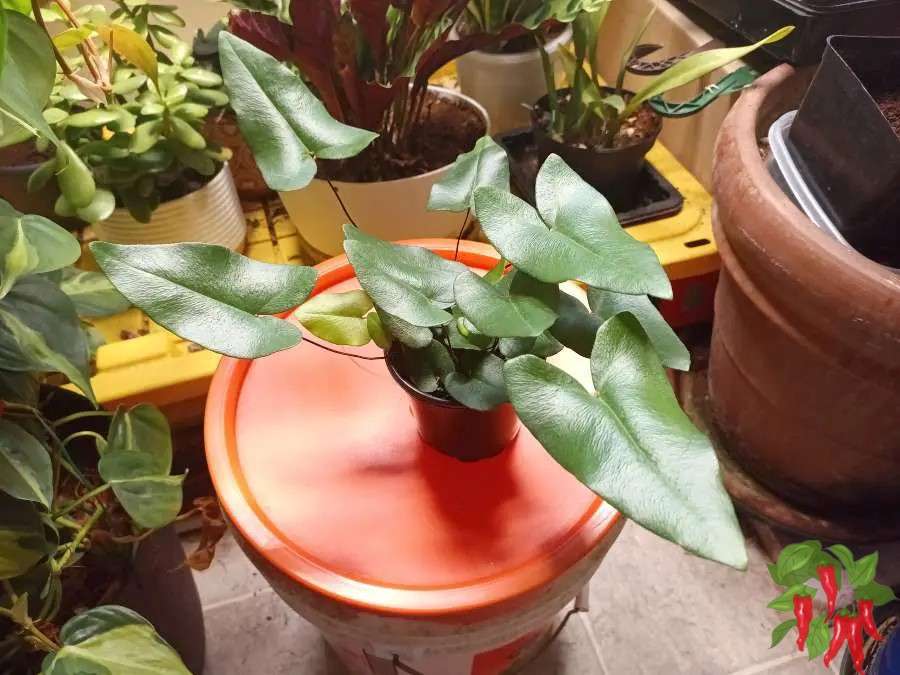
Heart Fern care indoors is easier than many people expect once you understand its love of warmth, humidity, and evenly moist soil. Unlike the feathery foliage of most ferns, Heart Fern produces glossy, heart-shaped leaves that give it a completely different appearance while still providing the lush look fern lovers enjoy.
Its compact size makes it an excellent choice for desktops, shelves, terrariums, and other small indoor spaces where larger ferns would quickly become overwhelming. The attractive foliage also makes it a favorite among collectors looking for something a little different.
Although Heart Fern appreciates higher humidity than some common houseplants, it rewards consistent care with healthy, deep green leaves and slow, steady growth. Once established, it becomes an attractive addition to almost any indoor plant collection.
In this guide, you’ll learn how to provide the right light, watering schedule, humidity, potting mix, and everyday care to help your Heart Fern thrive indoors.
What You’ll Learn
- How much light Heart Fern needs indoors
- The best way to water without causing root problems
- Humidity and temperature requirements
- The ideal potting mix and container
- How to prevent common growing problems
- Simple care tips for long-term success
Quick Answer: Grow your Heart Fern in bright, indirect light using a loose, well-draining potting mix that stays evenly moist but never soggy. Provide moderate to high humidity, warm temperatures, and avoid direct afternoon sunlight to encourage healthy, glossy foliage.
Heart Fern Care at a Glance
| Care Need | Best Conditions |
|---|---|
| Common Name | Heart Fern |
| Botanical Name | Hemionitis arifolia |
| Plant Type | Tropical evergreen fern |
| Best Feature | Glossy heart-shaped leaves |
| Light | Bright, indirect light |
| Water | Keep evenly moist but never soggy |
| Humidity | Moderate to high humidity |
| Potting Mix | Loose, rich, well-draining mix |
| Temperature | 65–80°F (18–27°C) |
| Mature Size | 12 inches tall and wide |
| Pet Safety | Generally considered non-toxic to cats and dogs |
| Care Level | Easy to moderate |
Why I’m Growing More Compact Indoor Ferns
I’ve been updating and expanding the indoor fern section here on Indoor Vegetable Grower, and one thing I’m paying much more attention to is mature plant size.
Ferns can be beautiful indoor plants, but some of the traditional choices can eventually take up a surprising amount of room.
I’ve grown Boston Fern before, and while it’s a great-looking plant, it can become huge. That’s not always practical when you’re growing plants in an apartment or another smaller indoor space.
A fern that looks manageable in a small nursery pot can be a completely different plant once it reaches maturity.
That’s one reason I’m particularly interested in compact ferns right now. Heart Fern caught my attention because it stays relatively small, typically reaching only about 12 inches tall and wide. You still get interesting fern foliage without needing to dedicate a large amount of space to the plant.
I’m trying several smaller fern varieties and will be comparing how they actually perform indoors as they grow. I’ll also be adding my own videos and observations to these guides so you can see what the plants look like beyond the nursery photos and care descriptions.
👀 My Heart Fern: First Look
In the video below, I take a closer look at my Heart Fern and what makes it such an unusual fern. Instead of the finely divided, feathery fronds you might expect from a fern, this plant produces distinctive heart-shaped leaves that give it a completely different appearance.
One of the main reasons I’m interested in Heart Fern is its compact size. A mature plant generally stays around 12 inches tall and 12 inches wide. I wouldn’t necessarily call it a miniature fern, but compared with something like a Boston Fern, it’s much easier to fit into an apartment or a smaller indoor growing space.
I also cover the basic growing conditions I’m using as a starting point: bright indirect light, higher humidity, and a growing medium that stays consistently moist without becoming soggy.
Why You’ll Love Heart Fern
Heart Fern looks unlike almost every other fern commonly grown indoors. Instead of delicate, divided fronds, it produces glossy leaves shaped like small hearts, giving it a bold tropical appearance while remaining compact enough for smaller spaces.
Its slow growth and manageable size make it an excellent choice for apartments, offices, bookshelves, and indoor plant displays. It is also a favorite for terrariums and enclosed plant cabinets where humidity naturally remains higher.
If you’re looking for a conversation plant that stands out from traditional ferns, Heart Fern offers something genuinely different while still providing relatively straightforward indoor care.
Native Habitat and Plant Characteristics
Heart Fern is native to tropical forests throughout parts of Southeast Asia, where it grows beneath the forest canopy in warm, humid conditions. It is commonly found growing on rocks, moss-covered surfaces, and rich organic material where moisture remains fairly consistent.
Unlike many familiar ferns, Heart Fern develops simple, glossy leaves instead of finely divided fronds. The heart-shaped foliage gives the plant its common name and makes it one of the easiest ferns to recognize.
Its natural environment explains many of its indoor preferences. It thrives with filtered light, warm temperatures, steady moisture, and good humidity while avoiding prolonged direct sunlight and dry air.
Heart Fern Light Requirements
Bright, indirect light produces the healthiest growth and richest leaf color. An east-facing window or a bright room with filtered sunlight is usually ideal.
Too much direct afternoon sun can scorch the glossy leaves, while very low light may slow growth and reduce the plant’s overall vigor.
Heart Fern also adapts well to full-spectrum LED grow lights, making it an excellent choice for indoor plant shelves and display cabinets.
Good Indoor Locations
- East-facing windows
- Bright north-facing rooms
- Plant cabinets with grow lights
- Terrariums with filtered lighting
- Bathrooms with bright natural light
Quick Tip: Heart Fern naturally grows beneath larger plants in the wild. Bright, filtered light is much better than several hours of direct afternoon sunshine.
How to Water a Heart Fern
Heart Fern prefers evenly moist soil throughout the growing season. Allow only the upper surface of the potting mix to begin drying before watering thoroughly.
Water until excess moisture drains from the bottom of the pot, then empty any saucer or decorative container. Constantly waterlogged soil can damage the roots, while allowing the plant to dry out completely may cause leaf damage.
Rather than watering on a fixed schedule, check the potting mix regularly. Temperature, humidity, light levels, and seasonal changes all affect how quickly the soil dries.
Simple Watering Routine
- Check the soil every few days.
- Water when the surface begins to dry.
- Water thoroughly until excess drains away.
- Never allow the pot to sit in standing water.
Humidity Requirements
Heart Fern appreciates moderate to high humidity and often performs best where humidity remains above average. Bathrooms, terrariums, and indoor plant cabinets are excellent growing locations.
If your home becomes especially dry during winter, using a humidifier or grouping plants together can help reduce brown leaf edges and encourage healthier growth.
Avoid placing the plant beside heating vents, fireplaces, or air-conditioning outlets where dry moving air can quickly stress the foliage.
Best Potting Mix for Heart Fern
Heart Fern grows best in a loose, moisture-retentive potting mix that drains well while remaining evenly moist. In its native habitat, this fern grows in humus-rich organic material where water is available but never stagnant.
A quality indoor potting mix amended with coarse materials creates the balance of moisture retention and airflow that Heart Fern prefers. A 75% coco coir and 25 % perlite mix makes an excellent soil mix.
Avoid heavy garden soil or compacted mixes that remain saturated for long periods. Healthy roots require oxygen just as much as they need moisture.
Quick Tip: If water sits on top of the soil instead of soaking in, it may be time to refresh the potting mix.
Choosing the Right Pot
Heart Fern performs best in containers with drainage holes that allow excess water to escape. Because it grows slowly, it does not need oversized pots.
Choose a container only slightly larger than the existing root ball. A pot that is too large holds excess moisture and increases the risk of root rot.
Plastic nursery pots retain moisture a little longer, while terracotta dries more quickly. Either can work well when watering is adjusted accordingly.
Best Container Choices
- Plastic nursery pots
- Decorative ceramic pots with drainage holes
- Small cachepots with removable liners
- Terrarium containers with proper ventilation
Temperature Requirements
Heart Fern prefers warm indoor temperatures between 65°F and 80°F (18°C to 27°C). Consistent temperatures encourage steady growth throughout the year.
Cold drafts, air conditioners, and heating vents can all stress the foliage. Try to keep the plant away from areas where temperatures fluctuate significantly.
Because it is a tropical fern, Heart Fern does not tolerate frost or prolonged exposure to cool temperatures.
Fertilizing Heart Fern
Heart Fern benefits from light feeding during its active growing season but does not require frequent fertilization.
Apply a balanced liquid houseplant fertilizer diluted to half strength every four to six weeks during spring and summer. Avoid overfeeding, which can damage the roots and brown the leaf edges.
Reduce or stop fertilizing during fall and winter when growth naturally slows.
Remember: Healthy light, moisture, and humidity contribute far more to long-term success than frequent fertilizer applications.
When to Repot Heart Fern
Heart Fern grows slowly and usually only needs repotting every two to three years. Spring is generally the best time to refresh the potting mix or move the plant into a slightly larger container.
Signs that repotting may be needed include roots circling the pot, poor drainage, or noticeably slower growth despite proper care.
Increase the pot size gradually. A container only one or two inches wider than the current one is usually sufficient.
How to Propagate Heart Fern
The easiest way to propagate Heart Fern is by dividing mature plants during repotting. Healthy clumps naturally produce multiple growing points that can be separated into new plants.
Propagation Steps
- Remove the plant from its pot.
- Locate natural divisions with healthy roots.
- Separate each section carefully using clean hands or a sterile knife.
- Plant each division into fresh potting mix.
- Water thoroughly.
- Keep the new plants warm and evenly moist while they establish.
Common Heart Fern Problems
Brown Leaf Edges
Brown edges are often caused by dry indoor air, underwatering, or fertilizer buildup.
Yellow Leaves
Yellow foliage usually indicates excessive watering, poor drainage, or soil that remains constantly wet.
Drooping Leaves
Drooping foliage often means the plant is either too dry or experiencing root stress from overwatering. Check the soil before adding more water.
Slow Growth
Growth slows naturally during winter, but poor light or cool temperatures can also reduce new leaf production.
Pests
Spider mites, scale insects, and mealybugs occasionally appear, particularly when humidity is very low. Regular inspection helps catch problems early.
Decision Framework: If your Heart Fern starts struggling, first check light, watering, drainage, and humidity. Correcting these four growing conditions solves the vast majority of indoor care problems.
Common Heart Fern Care Mistakes
- Allowing the potting mix to dry out completely.
- Keeping the soil constantly saturated.
- Growing the plant in direct afternoon sunlight.
- Using dense, poorly draining soil.
- Overfertilizing.
- Repotting into an oversized container.
- Placing the fern near heating or air-conditioning vents.
Is Heart Fern Safe for Cats and Dogs?
Heart Fern is generally considered non-toxic to cats and dogs, making it a good choice for many pet-friendly homes.
Even though it isn’t considered poisonous, it’s still a good idea to keep pets from chewing on the leaves. Eating large amounts of plant material may cause mild stomach upset, and repeated chewing can damage the attractive heart-shaped foliage.
If you have curious cats, placing the plant on a shelf, plant stand, or inside a well-lit plant cabinet can help protect both your pet and the fern.
Quick Tip: Heart Fern appreciates humidity, making it an excellent choice for bright bathrooms, enclosed plant cabinets, and many terrarium setups.
Is Heart Fern Right for Your Home?
Heart Fern is an excellent choice if you want something different from traditional ferns. Its glossy, heart-shaped leaves create a tropical appearance while remaining compact enough for apartments, offices, bookshelves, and indoor plant collections.
It is especially well suited to growers who already enjoy providing slightly higher humidity for their plants. If your home tends to be extremely dry, a humidifier or bright bathroom can make growing Heart Fern much easier.
| If You Want… | Is Heart Fern a Good Choice? |
|---|---|
| A unique-looking fern | Yes. The glossy heart-shaped leaves make it unlike most indoor ferns. |
| A compact houseplant | Yes. It stays relatively small and grows slowly. |
| A terrarium or plant cabinet fern | Yes. It enjoys the extra humidity these environments provide. |
| A pet-friendly houseplant | Yes. It is generally considered non-toxic to cats and dogs. |
| A plant for dark corners | No. Bright, indirect light produces the healthiest growth. |
| A drought-tolerant plant | No. It prefers consistently moist soil and moderate humidity. |
Frequently Asked Questions About Heart Fern
How do you care for a Heart Fern indoors?
Grow Heart Fern in bright, indirect light using a loose, well-draining potting mix. Keep the soil evenly moist, provide moderate to high humidity, and avoid direct afternoon sunlight.
How often should I water a Heart Fern?
Water whenever the surface of the potting mix begins to dry. Avoid letting the soil become completely dry or remain constantly saturated.
Does Heart Fern need high humidity?
Heart Fern grows best with moderate to high humidity and often thrives in bathrooms, terrariums, or plant cabinets with good air circulation.
Can Heart Fern grow under grow lights?
Yes. Full-spectrum LED grow lights provide excellent conditions when natural light is limited.
Why are my Heart Fern leaves turning brown?
Brown edges usually result from dry air, underwatering, fertilizer buildup, or exposure to direct afternoon sunlight.
Why are my Heart Fern leaves turning yellow?
Yellow leaves most often indicate overwatering, poor drainage, or soil that remains wet for extended periods.
Can Heart Fern grow in a terrarium?
Yes. Heart Fern is one of the best ferns for humid terrariums, provided there is adequate airflow and the growing medium does not remain waterlogged.
Is Heart Fern safe for pets?
Heart Fern is generally regarded as non-toxic to cats and dogs, although pets should still be discouraged from chewing on the foliage.
Heart Fern Care Indoors Final Thoughts
Heart Fern offers something few other indoor ferns can match. Its glossy, heart-shaped leaves create an elegant tropical look while remaining compact enough for even small growing spaces.
Provide bright, indirect light, evenly moist soil, warm temperatures, and moderate humidity, and this unique fern can remain an attractive part of your indoor plant collection for many years.



 Steve S. is the creator of