

If you’re new to indoor plants, knowing what indoor plants beginners should avoid starting with can save you a lot of frustration. Many first-time plant owners don’t fail because they’re bad with plants—they fail because they unknowingly start with plants that are difficult even for experienced growers.
Some houseplants look simple, common, or beginner-friendly at first glance, but they’re actually very sensitive to light, watering, or humidity. When these plants struggle, beginners often blame themselves instead of the plant’s needs.
Avoiding a few high-maintenance plants early on makes indoor gardening feel calmer, more predictable, and much more enjoyable.
What You’ll Learn
- 🚫 Why some popular houseplants are actually hard for beginners
- 🌿 Common traits of plants beginners should avoid
- 💧 How watering and light mistakes affect sensitive plants
- 🏠 Which environments make certain plants fail faster
- 🧠 How choosing the right starter plants builds confidence
🚫 Why Some Indoor Plants Are Hard for Beginners
Indoor plants become difficult for beginners when they require very specific conditions. Plants that need precise watering timing, high humidity, or narrow light ranges don’t leave much room for learning.
Beginners are still figuring out how their home behaves—how quickly soil dries, how light changes during the day, and how often they naturally check plants. Plants that demand exact care often struggle during this learning phase.
The goal early on isn’t perfection. It’s stability.
⚠️ Common Traits of Indoor Plants Beginners Should Avoid
Rather than memorizing a long list of plant names, it’s more helpful to understand the traits that make certain plants challenging.
Plants beginners should avoid often:
- 💦 React quickly to overwatering
- 🌫️ Need consistently high humidity
- ☀️ Require very specific light conditions
- 🪴 Decline rapidly when conditions aren’t ideal
These traits don’t make a plant bad—they just make it a poor starting point.
🌿 Indoor Plants That Commonly Frustrate Beginners
Some plants are repeatedly associated with beginner frustration because they show stress quickly and recover slowly. They’re often sold everywhere, which makes beginners assume they’re easy.
💧 Plants That Dislike Watering Mistakes
These plants are very sensitive to soil moisture and often struggle when watered on a schedule.
- ⚠️ Plants with thin roots that rot easily
- ⚠️ Plants that prefer evenly moist but never wet soil
Beginners often overwater out of care, which causes fast decline in these plants.
🌫️ Plants That Need High Humidity
Some indoor plants evolved in humid environments and struggle in normal homes.
- ⚠️ Plants that brown at the leaf edges in dry air
- ⚠️ Plants that drop leaves when humidity changes
Unless you already manage humidity, these plants can feel impossible to keep happy.
🧠 Why Starting With the Wrong Plant Feels So Discouraging
When beginners start with high-maintenance plants, they often think indoor gardening itself is hard. In reality, the plant choice created the difficulty.
This leads to:
- 😞 Feeling like you “can’t keep anything alive”
- 🔄 Replacing plants instead of learning from them
- 🧪 Buying unnecessary products to fix problems
Choosing forgiving plants at the beginning keeps the learning curve gentle.
In the next section, we’ll look at specific indoor plants beginners should avoid starting with, why they’re challenging, and what to choose instead.
🚫 Specific Indoor Plants Beginners Should Avoid Starting With
Some houseplants are challenging not because they’re rare or unusual, but because their care needs leave very little room for error. These plants often struggle in average homes, especially while beginners are still learning how light and watering behave indoors.
🌿 Plants That Are Very Sensitive to Watering
These plants often look fine until one small watering mistake causes a quick decline.
- ⚠️ Plants that need evenly moist soil at all times
- ⚠️ Plants with thin, delicate root systems
- ⚠️ Plants that rot quickly if soil stays wet
For beginners, it’s hard to judge moisture accurately at first. Plants that demand perfect timing don’t forgive that learning curve.
🌫️ Plants That Require High Humidity
Many popular houseplants evolved in humid environments and struggle in normal indoor air, especially during winter.
- ⚠️ Plants that develop brown leaf edges in dry air
- ⚠️ Plants that drop leaves when humidity changes
- ⚠️ Plants that need misting or humidifiers to stay healthy
Unless you’re already managing humidity, these plants can feel impossible to keep happy.
☀️ Plants With Very Narrow Light Requirements
Some indoor plants need a precise light level to survive. Too little light slows them down, while too much causes leaf damage.
- ⚠️ Plants that scorch easily in brighter rooms
- ⚠️ Plants that decline quickly in medium light
- ⚠️ Plants that need constant repositioning
Beginners often move plants around trying to “fix” problems, which makes these plants even less stable.
📋 Common Beginner-Frustrating Plants (And Why)
| Plant Type | Why It’s Challenging | What Beginners Experience |
|---|---|---|
| Ferns | Need consistent moisture and humidity | Dry, browning fronds and rapid leaf loss |
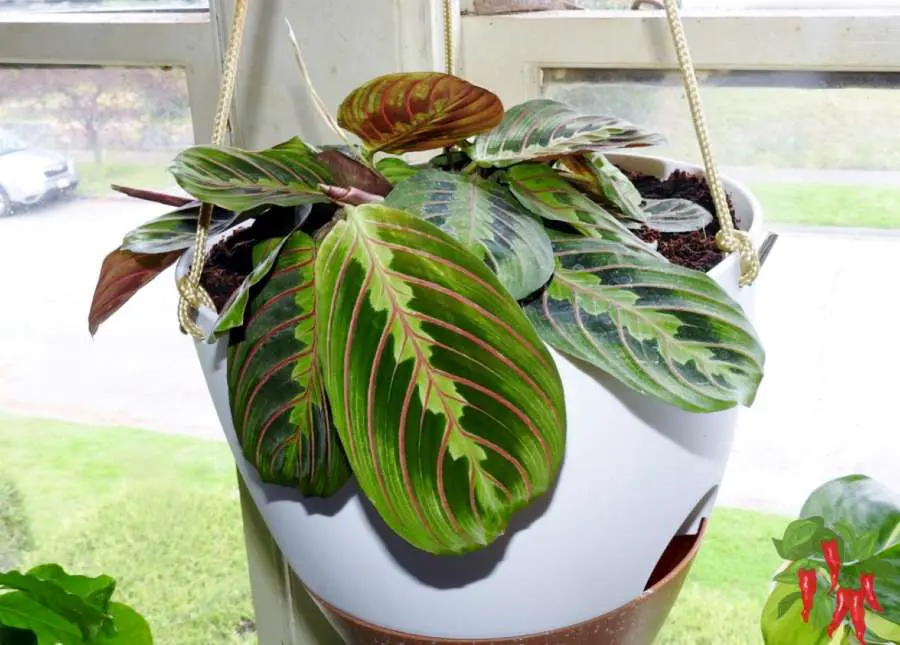
| Calatheas | Sensitive to water quality and air dryness | Crispy edges and constant leaf stress |
| Fiddle Leaf Fig | Needs bright, stable light and careful watering | Sudden leaf drop and slow recovery |
| Maidenhair Fern | Extremely sensitive to dryness | Rapid decline after minor care changes |
| Croton | Reacts strongly to light and temperature shifts | Leaf drop after moving locations |
🧠 Why These Plants Often Fail First for Beginners
These plants aren’t impossible—but they require skills beginners haven’t had time to build yet. They assume you already know how your home’s light changes, how quickly soil dries, and how to recognize early stress.
When beginners start with plants like these, every small mistake feels amplified. That creates stress, not learning.
🌱 What to Choose Instead (For Early Success)
Instead of starting with sensitive plants, beginners do better with options that tolerate inconsistency and grow slowly.
- 🪴 Plants that prefer drying out between waterings
- ☀️ Plants that adapt to a range of light levels
- 🧘 Plants that change gradually instead of suddenly
These choices make indoor gardening feel manageable instead of fragile.
In the final section, we’ll wrap things up, explain when it’s okay to try harder plants, and answer common beginner questions.
🌿 Easy Houseplant Alternatives for Beginners
- 🪴 Pothos – Very forgiving, handles missed waterings, and adapts to low or medium light.
- 🌿 ZZ Plant – Extremely drought-tolerant with thick leaves that store water.
- 🍃 Cast Iron Plant – Slow-growing, tough, and tolerant of low light and neglect.
- 🌱 Spider Plant – Easy to grow, flexible with light, and gives clear visual feedback.
- 🪴 Chinese Evergreen – Handles average indoor conditions well and grows steadily.
⏳ When Beginners Can Try More Challenging Indoor Plants
Avoiding certain plants at the beginning doesn’t mean avoiding them forever. Many indoor plants that frustrate beginners become much easier once you understand how your home behaves.
Beginners are usually ready to try more demanding plants when:
- 🪟 You understand which spots in your home provide reliable light
- 💧 You can judge soil dryness without guessing
- 🪴 You’ve kept a few plants stable for several months
At that point, challenging plants feel like experiments—not personal failures.
🧠 Why Plant Choice Matters More Than Skill at First
One of the biggest misconceptions about indoor gardening is that success depends on skill alone. In reality, plant choice does much of the work early on.
Beginner-friendly plants forgive mistakes while you’re learning. Difficult plants demand precision before you’ve had time to develop it.
Starting with the wrong plant can make indoor gardening feel harder than it actually is.
✅ Final Thoughts: What Indoor Plants Beginners Should Avoid Starting With
Indoor plants beginners should avoid starting with are usually those that require exact watering, high humidity, or very specific light conditions.
Avoiding these plants early doesn’t limit your success—it protects it. By choosing forgiving plants first, you build confidence, learn faster, and enjoy indoor gardening instead of stressing over it.
Once you’re comfortable with the basics, those harder plants will still be waiting for you.
If you’re just getting started, the Beginner Indoor Gardening: Start Here guide and the full Beginner Indoor Gardening category can help you choose plants that match your space and skill level.
✅ Better Beginner Options
- Indoor Houseplants – Easier plants to start with while you learn.
- Indoor Succulents – Forgiving choices for inconsistent watering.
- Indoor Ferns – A “try later” category once you feel more confident.
- Beginner Indoor Gardening: Start Here – Build your foundation first.
❓ Frequently Asked Questions
Why do beginners struggle with certain indoor plants?
Beginners often struggle with plants that need precise watering, high humidity, or narrow light ranges because these conditions are hard to control while learning.
Are these plants impossible for beginners?
No. These plants aren’t impossible, but they’re less forgiving. Beginners usually succeed more easily after gaining experience with simpler plants.
Can beginners ever grow plants like ferns or calatheas?
Yes. Once beginners understand their home’s light and watering patterns, they can successfully grow more sensitive plants.
Is it better to avoid difficult plants completely?
No. It’s better to postpone them. Starting with forgiving plants builds the skills needed to care for more demanding plants later.
What should beginners start with instead?
Beginners should start with plants that tolerate missed watering, adapt to various light levels, and grow slowly.
📚 Beginner Indoor Gardening References
If you’d like to learn more about indoor gardening basics from university and educational sources, the following references offer reliable, beginner-friendly information on houseplants, light, and indoor plant care.
🌿 Houseplant Care & Selection
- University of Maryland Extension
Selection and Care of Indoor Plants
- University of Wisconsin–Madison Extension
Houseplant Care Basics
- University of Illinois Extension
Houseplants: Care and Growing Information
☀️ Light, Environment & Indoor Conditions
- Iowa State University Extension
How to Care for Houseplants
- University of California Agriculture & Natural Resources
Caring for Indoor Houseplants
🧠 Additional Beginner Learning
- Cornell Cooperative Extension
Houseplants and Indoor Growing Resources
- University of Missouri Extension
Caring for Houseplants
These references provide general guidance that supports the beginner concepts covered in this guide. Indoor gardening success still depends on your home’s light, space, and routine — so use these as learning tools, not strict rules.


 Steve S. is the creator of