
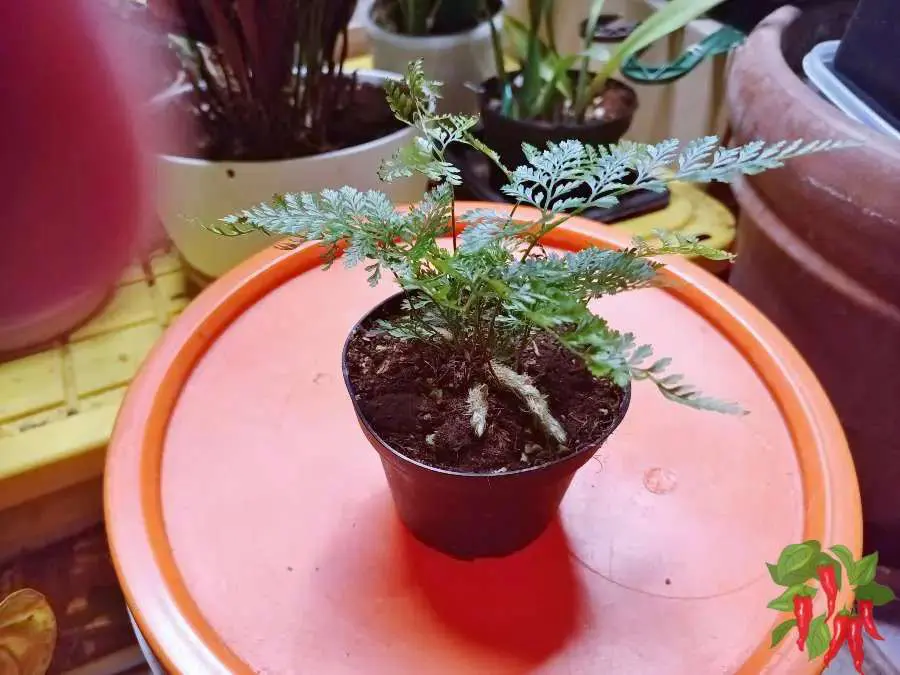
Rabbit’s Foot Fern care indoors is easier once you understand how its unusual fuzzy rhizomes grow. Unlike many traditional ferns, this plant creeps across the surface of its pot and eventually sends its furry “feet” over the sides.
That unusual growth habit is what makes the Rabbit’s Foot Fern such an interesting houseplant. The soft-looking rhizomes create plenty of character, while the finely divided green fronds add a light, graceful texture.
It is especially attractive in a hanging basket or a wide pot where the rhizomes have room to spread. You do not want to bury those fuzzy rhizomes under the potting mix. They should remain on or above the surface where they can continue creeping outward.
In this guide, you’ll learn how to provide the right light, watering, humidity, potting mix, and everyday care. I’ll also explain how to protect the rhizomes, avoid common problems, and help your Rabbit’s Foot Fern settle into an indoor growing space.
What You’ll Learn
- How much light a Rabbit’s Foot Fern needs indoors
- When to water without leaving the roots soggy
- Why its fuzzy rhizomes should remain above the potting mix
- How much indoor humidity it really needs
- Which pot and growing medium work best
- How to recognize and correct common care problems
Quick Answer: Grow your Rabbit’s Foot Fern in bright, indirect light and a loose, well-draining potting mix. Water when the upper surface begins to feel slightly dry, but do not allow the root ball to remain dry for long. Keep the fuzzy rhizomes above the potting mix, provide moderate humidity and protect the plant from direct afternoon sun, cold drafts, and waterlogged soil.
Rabbit’s Foot Fern Care at a Glance
| Care Need | Best Conditions |
|---|---|
| Common Name | Rabbit’s Foot Fern |
| Botanical Name | Davallia fejeensis |
| Plant Type | Evergreen epiphytic fern |
| Best Feature | Fuzzy creeping rhizomes and finely divided fronds |
| Light | Bright, indirect light or filtered morning light |
| Water | Water when the upper surface begins to feel slightly dry |
| Humidity | Moderate household humidity; higher humidity supports fuller growth |
| Potting Mix | Loose, moisture-retentive and well-draining |
| Temperature | Warm indoor temperatures above 55°F |
| Growth Habit | Creeping rhizomes with arching green fronds |
| Best Container | Wide pot or hanging basket with drainage holes |
| Pet Safety | Generally considered non-toxic to cats and dogs |
| Care Level | Easy to moderate |
👀 My Rabbit’s Foot Fern: First Look
I recently added a Rabbit’s Foot Fern to my indoor fern collection, and one of the first things that stood out was just how unusual this plant looks in person. Mine arrived from California Tropicals in very good condition, with healthy green fronds and those fuzzy creeping rhizomes already visible around the base.
Right now, mine is still a small plant, which is actually one of the reasons I chose it. I previously grew a Boston Fern that became quite large, and this time I wanted to try some ferns that would be easier to fit into a smaller indoor growing space.
In the video below, you can see what my Rabbit’s Foot Fern looked like when it first arrived and get a close look at the fuzzy rhizomes that give this fern its name.
What Makes a Rabbit’s Foot Fern Different?
The feature that immediately separates the Rabbit’s Foot Fern from most other indoor ferns is its creeping rhizome. These thick, fuzzy stems grow across the surface of the pot before extending over the edge.
Seeing the rhizomes in person was one of the things that made me want to grow this fern. They really are fuzzy, and once you see them it becomes obvious why the plant is called a Rabbit’s Foot Fern.
I also grow a Blue Star Fern with creeping rhizomes, so it will be interesting to compare how the two plants develop as they mature.
The rhizomes may look like roots, but they are actually modified stems. Fronds and roots develop from different points along them as the fern gradually spreads.
Those furry stems are also where the plant gets its common name. As they lengthen and hang over the container, they resemble small animal feet resting against the side of the pot.
The green fronds grow upward from the rhizomes and then arch outward. Their divided foliage creates a soft, airy appearance that contrasts nicely with the heavier-looking rhizomes underneath.
Quick Tip: Never completely bury the fuzzy rhizomes. Place them on top of the potting mix and allow them to creep naturally across the surface and over the container.
Is Rabbit’s Foot Fern Easy to Grow Indoors?
Rabbit’s Foot Fern is generally a manageable indoor fern once you understand its watering needs. It appreciates steady moisture, but it is less dependent on constantly wet soil than some delicate ferns.
The main goal is balance. The growing medium should hold enough moisture to keep the plant comfortable while still allowing excess water to drain freely. A compacted or permanently saturated potting mix can cause the roots and rhizomes to deteriorate.
It is a good choice when you want fern-like foliage but also want something visually different from a traditional Boston Fern. Its surface rhizomes make it especially well suited to hanging baskets, elevated shelves, and wide decorative pots.
It can also become more attractive with age. As additional rhizomes spread over the pot, the plant develops the unusual, mature appearance that makes Rabbit’s Foot Fern so recognizable.
Size was another reason I decided to try this fern. My previous Boston Fern eventually became much larger than I wanted for my indoor space.
My Rabbit’s Foot Fern is tiny right now, and although it will spread as it matures, its growth habit looks much easier to work into the space I have available.
Rabbit’s Foot Fern Light Requirements
Place your Rabbit’s Foot Fern where it receives bright, indirect light. An east-facing window with gentle morning sun is often a good choice, as is a position several feet back from a brighter south- or west-facing window.
Filtered light helps the plant maintain healthy green fronds without exposing the foliage to the hottest part of the day. A sheer curtain can soften strong window light while still giving the fern enough brightness for steady growth.
The plant can adapt to somewhat softer light, but growth may slow and the fronds may become less full. Very dark corners usually do not provide enough energy for a healthy, expanding fern.
Direct afternoon sunlight is more likely to cause trouble. Strong sun can dry the potting mix quickly and may leave pale, scorched, or crispy areas on the fronds.
Good Indoor Locations
- A hanging basket near an east-facing window
- A plant stand in a bright room with filtered light
- A shelf near a window where the rhizomes can trail
- A bathroom with a bright window and good airflow
- Under a grow light when natural window light is limited
Remember: Watch the plant rather than relying only on the direction of the window. Pale or scorched foliage may indicate excessive direct light, while weak or sparse growth can point to insufficient light.
How to Water a Rabbit’s Foot Fern
Water your Rabbit’s Foot Fern when the upper surface of the potting mix begins to feel slightly dry. Check the moisture with your finger instead of watering automatically on a fixed schedule.
When watering, apply enough to moisten the entire root ball. Allow the excess to flow from the drainage holes, and empty any water that collects in the saucer or decorative outer pot.
The potting mix should not remain waterlogged. Although Rabbit’s Foot Fern appreciates moisture, its roots still need air. A constantly saturated container can lead to yellowing fronds, damaged roots, and soft or deteriorating rhizomes.
You also do not want the plant to remain completely dry for an extended period. Severe drying can cause fronds to wilt, curl, or develop crispy brown edges.
A Practical Watering Check
- Feel the upper surface of the potting mix.
- Lift the container and notice whether it feels lighter than usual.
- Check that the drainage holes are not blocked.
- Water thoroughly when the surface is beginning to dry.
- Let excess water drain before returning the plant to its usual location.
Rabbit’s Foot Fern Humidity Needs
Rabbit’s Foot Fern appreciates moderate to higher humidity, but it does not necessarily require a sealed terrarium or greenhouse conditions. Many plants can adapt to normal household humidity when their watering, light, and airflow are balanced.
Dry indoor air may become more noticeable during winter when heating systems are running. If the frond tips repeatedly turn brown despite proper watering, low humidity may be contributing to the problem.
A small humidifier is generally more effective than occasional misting. You can also group the fern with other houseplants, provided there is still enough space for air to circulate around the foliage.
Avoid placing the plant directly beside a heating vent, fireplace, air conditioner, or frequently opened exterior door. Sudden temperature changes and blasts of dry air can stress the fronds.
Quick Tip: Do not try to compensate for dry air by keeping the potting mix constantly wet. Humidity around the foliage and moisture around the roots are separate conditions, and excessively wet soil can create a new set of problems.
Best Potting Mix for Rabbit’s Foot Fern
Rabbit’s Foot Fern grows best in a loose, airy potting mix that retains some moisture while draining well. Unlike many houseplants, this fern naturally grows as an epiphyte, attaching itself to trees and decaying organic matter instead of growing in dense garden soil.
Because of that natural habit, the roots appreciate oxygen just as much as moisture. A heavy or compacted potting mix can remain wet for too long and increase the risk of root problems.
The Potting Mix I Use
- Coco coir for moisture retention
- Perlite for drainage and root-zone aeration
I adjust the amount of perlite depending on how quickly I want the container to drain. The goal is a loose growing medium that holds enough moisture for the fern without remaining soggy.
A mature Rabbit’s Foot Fern typically reaches about 12 to 18 inches tall and can spread roughly 18 to 24 inches wide. Much of that width comes from the arching fronds and creeping fuzzy rhizomes that gradually grow across the surface of the pot and over its edges.
Compared with larger indoor ferns such as Boston Fern, Rabbit’s Foot Fern remains relatively compact and is easier to fit into smaller indoor growing spaces.
Quick Tip: Never bury the fuzzy rhizomes beneath the potting mix. They should remain exposed where they can creep naturally across the container.
Choosing the Right Pot
Rabbit’s Foot Fern performs best in a container that allows its rhizomes to spread naturally. Wide, shallow pots often work better than deep containers because the rhizomes grow horizontally rather than downward.
Hanging baskets are another excellent option. As the rhizomes extend over the rim, they become one of the plant’s most attractive features.
Regardless of the style you choose, drainage holes are essential. Standing water can quickly damage the roots and eventually affect the exposed rhizomes.
Best Containers
- Wide decorative pots
- Shallow ceramic containers
- Plastic nursery pots placed inside decorative cachepots
- Hanging baskets with excellent drainage
Since mine is still young, I’m going to be watching the rhizomes as the plant develops before deciding how much more container space it really needs. Because those rhizomes creep horizontally, I’m more interested in giving them room to spread across the surface than simply putting the fern into a deeper pot.
Do Rabbit’s Foot Fern Rhizomes Need Special Care?
Yes. The fuzzy rhizomes are the most distinctive part of this fern, and they should be treated differently from ordinary roots.
These creeping stems store moisture and nutrients while producing both roots and new fronds. They naturally grow across the surface of the growing medium before extending over the edge of the pot.
Avoid forcing them back into the soil. Burying the rhizomes can trap excessive moisture around them and increase the chance of rot.
Handle them gently when moving or repotting the plant. Although they appear tough, damaged growing tips may slow future growth.
Temperature Requirements
Rabbit’s Foot Fern grows well under normal indoor temperatures between 60°F and 75°F (16°C to 24°C). It appreciates stable conditions throughout the year.
Avoid exposing the plant to temperatures below about 55°F. Cold drafts from windows or exterior doors may slow growth and damage tender foliage.
Likewise, avoid placing the fern directly above heating vents where warm, dry air constantly blows across the foliage.
Fertilizing Rabbit’s Foot Fern
Rabbit’s Foot Fern is not a heavy feeder. Too much fertilizer is often more harmful than too little.
Feed lightly during spring and summer using a balanced liquid houseplant fertilizer diluted to approximately half strength every four to six weeks.
Reduce or stop fertilizing during fall and winter when indoor growth naturally slows.
Always water the plant before applying liquid fertilizer if the potting mix has become dry.
Remember: Healthy light, watering, and humidity have a much greater effect on this fern than frequent fertilizing.
When to Repot Rabbit’s Foot Fern
Unlike many houseplants, Rabbit’s Foot Fern often tells you when it is ready for a larger container. Instead of watching the roots alone, watch the rhizomes.
When the fuzzy stems have completely covered the pot and have little room to continue spreading, it may be time to move the plant into a slightly wider container.
Spring is generally the best time for repotting because the plant is entering its active growing season.
Increase the pot size gradually. A container only one or two inches wider is usually enough.
How to Propagate Rabbit’s Foot Fern
The easiest way to propagate Rabbit’s Foot Fern is by dividing healthy rhizomes during repotting.
Choose a section with several healthy rhizomes, an established root system, and multiple fronds. Plant the division into fresh potting mix while leaving the rhizomes exposed above the surface.
Keep the growing medium lightly moist while the new division becomes established. Bright, indirect light and moderate humidity help encourage fresh growth.
Propagation Steps
- Remove the fern from its container.
- Locate a healthy section of rhizomes with roots attached.
- Separate it carefully using clean pruning shears or a sterile knife.
- Plant into fresh potting mix.
- Leave the fuzzy rhizomes above the surface.
- Water thoroughly and place in bright indirect light.
Common Rabbit’s Foot Fern Problems
Brown Frond Tips
Usually caused by dry indoor air, inconsistent watering, or a combination of both.
Yellow Leaves
Often indicate excessive moisture, poor drainage, or roots remaining wet for too long.
Soft Rhizomes
Rhizomes should remain firm. Soft areas often indicate excessive moisture or rot.
Slow Growth
Growth commonly slows when light levels are too low or during winter dormancy.
Decision Framework: If your Rabbit’s Foot Fern isn’t thriving, check the basics first. Healthy light, proper watering, exposed rhizomes, and a well-draining potting mix solve most indoor growing problems before fertilizer or other treatments become necessary.
Common Rabbit’s Foot Fern Care Mistakes
- Burying the fuzzy rhizomes beneath the potting mix.
- Using heavy soil that remains wet for long periods.
- Allowing water to stand in the saucer.
- Growing the plant in deep shade.
- Overfertilizing during active growth.
- Placing the fern beside heating or air-conditioning vents.
- Repotting into a container that is much too large.
Is Rabbit’s Foot Fern Safe for Cats and Dogs?
Rabbit’s Foot Fern is generally considered non-toxic to cats and dogs, making it a useful choice for homes with pets.
Even so, it is still best to discourage pets from chewing on the fronds or fuzzy rhizomes. Eating a large amount of any plant material can cause mild digestive upset, and repeated chewing can damage the fern’s growing points.
A hanging basket can help display the trailing rhizomes while keeping much of the plant beyond the reach of curious pets.
Quick Tip: Pet-safe does not mean chew-proof. Place the fern where pets cannot repeatedly pull at the fronds or damage the exposed rhizomes.
Is Rabbit’s Foot Fern Right for Your Home?
Rabbit’s Foot Fern is a good match when you want a fern with more personality than a traditional mound of green fronds. Its fuzzy creeping rhizomes make it especially attractive in hanging baskets, wide pots, and elevated displays.
It is also worth considering if you want a fern that appreciates humidity without demanding constantly saturated soil. The plant still needs regular attention, but its care routine is manageable once you learn how quickly the potting mix dries in your home.
| If You Want… | Is Rabbit’s Foot Fern a Good Choice? |
|---|---|
| An unusual conversation plant | Yes. The fuzzy trailing rhizomes make it immediately recognizable. |
| A fern for a hanging basket | Yes. Hanging containers allow the rhizomes and fronds to spill over the sides. |
| A pet-friendly houseplant | Yes. It is generally regarded as non-toxic to cats and dogs. |
| A plant for very dark rooms | No. It grows best with bright, indirect light. |
| A plant you can forget to water for weeks | No. It needs regular moisture checks and should not remain completely dry. |
| A compact desktop fern | Possibly when young, but mature rhizomes need room to spread. |
Frequently Asked Questions About Rabbit’s Foot Fern
How do you care for a Rabbit’s Foot Fern indoors?
Give it bright, indirect light, a loose and well-draining potting mix, moderate humidity, and regular watering when the upper surface begins to dry. Keep the fuzzy rhizomes above the potting mix.
How often should you water a Rabbit’s Foot Fern?
Check the potting mix rather than following a fixed calendar. Water when the upper surface begins to feel slightly dry, then allow excess water to drain completely.
Should Rabbit’s Foot Fern rhizomes be buried?
No. The fuzzy rhizomes should remain on top of the growing medium. Burying them can trap too much moisture and increase the risk of rot.
Can Rabbit’s Foot Fern grow in low light?
It can tolerate somewhat softer light, but growth may become slower and less full. Bright, indirect light generally produces healthier and more attractive growth.
Does Rabbit’s Foot Fern need high humidity?
It appreciates moderate to higher humidity but can often adapt to normal indoor conditions. Protect it from heating vents, cold drafts, and extended periods of very dry air.
Why are the tips of my Rabbit’s Foot Fern turning brown?
Brown tips are commonly associated with dry air, inconsistent watering, fertilizer buildup, or allowing the root ball to become too dry.
Why is my Rabbit’s Foot Fern turning yellow?
Yellowing fronds often point to overwatering, poor drainage, or a potting mix that remains wet for too long. Check the roots, drainage holes, and watering frequency.
Can Rabbit’s Foot Fern grow in a hanging basket?
Yes. A hanging basket is one of the best ways to display the arching fronds and allow the fuzzy rhizomes to trail naturally over the container.
Is Rabbit’s Foot Fern toxic to pets?
Rabbit’s Foot Fern is generally considered non-toxic to cats and dogs. However, pets should still be discouraged from chewing on it.
How do you propagate Rabbit’s Foot Fern?
Divide a healthy rhizome section with roots and several fronds attached. Replant it in fresh, well-draining potting mix while leaving the fuzzy rhizome exposed above the surface.
Rabbit’s Foot Fern Care Indoors Final Thoughts
Rabbit’s Foot Fern stands out because it offers more than attractive green fronds. Its fuzzy creeping rhizomes become part of the display, gradually spreading across the pot and trailing over the sides as the plant matures.
The key to successful indoor care is keeping those rhizomes exposed while providing bright, indirect light, regular moisture, moderate humidity, and a loose potting mix that drains freely.
A wide pot or hanging basket gives the fern room to show off its natural growth habit. With a little observation and a balanced watering routine, it can become one of the most unusual and rewarding ferns in your indoor collection.
Find Rabbit’s Foot Ferns on Amazon
Where to Go Next
Explore More Indoor Fern Guides
References
- North Carolina Extension Gardener Plant Toolbox – Davallia fejeensis
- ASPCA – Toxic and Non-Toxic Plants


 Steve S. is the creator of