
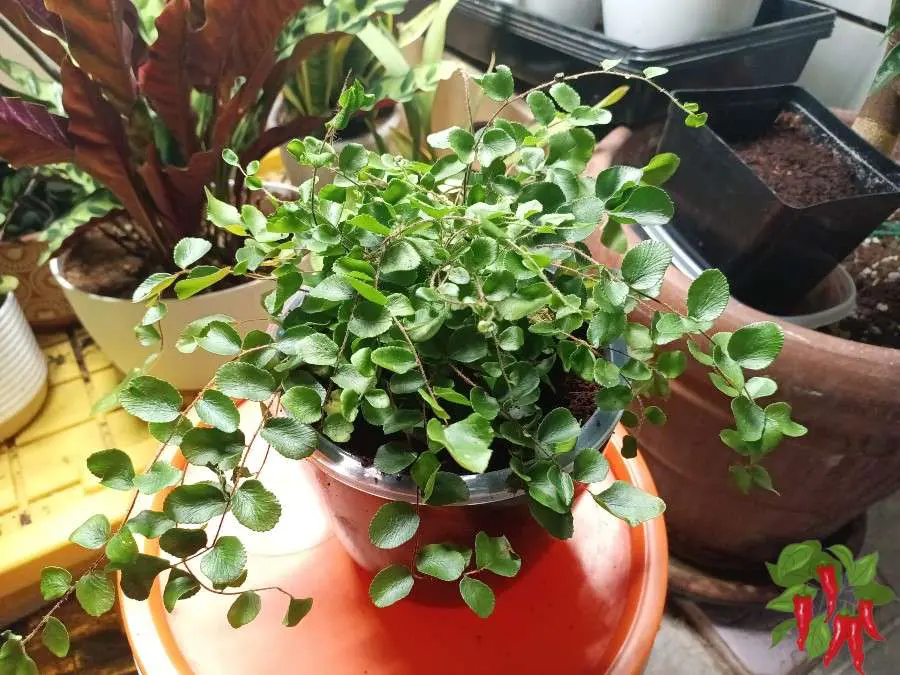
Best indoor ferns for beginners include Lemon Button Fern, Button Fern, Heart Fern, Crispy Wave Bird’s Nest Fern, Rabbit’s Foot Fern, Bird’s Nest Fern, Blue Star Fern, and Boston Fern. Some stay compact enough for a shelf, while others need considerably more room as they mature.
Ferns can add a lot of green to your home without requiring direct sunlight. The trick is choosing one that fits your available space, humidity, and watering habits.
I am especially interested in compact ferns because a plant such as Boston Fern can eventually take over a considerable amount of space. Lemon Button, Button, Heart, and Crispy Wave ferns give you the attractive texture of a fern in a more manageable package.
Rabbit’s Foot Fern also remains fairly compact compared with Boston Fern. Its fuzzy rhizomes spread over the edge of the container, but the plant is still manageable on a stand, table, or wide shelf.
What You’ll Learn
- Which indoor ferns are easiest for beginners
- Which ferns stay compact enough for small spaces
- How large each fern can become indoors
- Which ferns tolerate ordinary household humidity
- Which choices require more dependable moisture
- How to match a fern to your light and available space
Quick Answer
Lemon Button Fern and Crispy Wave Bird’s Nest Fern are two of the best starting choices when you want manageable growth and relatively straightforward care. Button Fern prefers slightly drier conditions than many ferns. Heart Fern stays small but needs more consistent moisture and humidity. Rabbit’s Foot Fern is another beginner-friendly option when you have room for its spreading rhizomes.
Best Indoor Ferns for Beginners at a Glance
| Fern | Approximate Indoor Size | Humidity Needs | Best Feature | Beginner Level |
|---|---|---|---|---|
| Lemon Button Fern | About 12 inches tall and wide | Moderate | Very compact growth | Easy |
| Button Fern | 12–18 inches tall and wide | Moderate | Tolerates slight drying | Easy to moderate |
| Heart Fern | About 12 inches tall and wide | High | Small heart-shaped fronds | Attentive beginner |
| Crispy Wave Bird’s Nest Fern | Approximately 18–24 inches | Moderate to high | Compact upright growth | Easy |
| Rabbit’s Foot Fern | 10–18 inches tall and 12–24 inches wide | Moderate | Fuzzy spreading rhizomes | Easy |
| Bird’s Nest Fern | Approximately 2–4 feet | Moderate to high | Broad, undivided fronds | Easy to moderate |
| Blue Star Fern | Approximately 2–3 feet wide | Moderate | Tolerant of household conditions | Easy |
| Boston Fern | Approximately 2–3 feet tall and wide | High | Full, arching display | Attentive beginner |
A note about plant size: These measurements are practical indoor estimates rather than fixed limits. Container size, plant age, growing conditions, and the exact cultivar can all affect the eventual size.
1. Lemon Button Fern
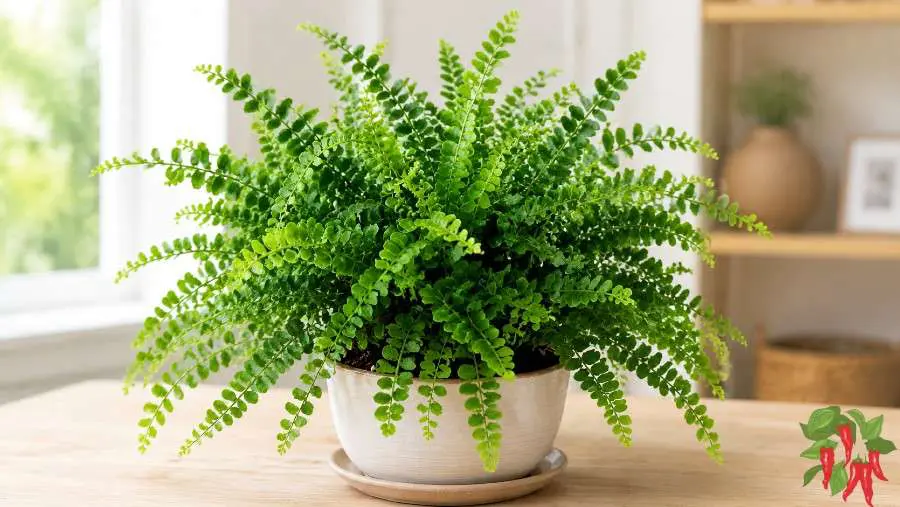
Lemon Button Fern, Nephrolepis cordifolia ‘Duffii,’ is one of the easiest compact ferns to fit into a small indoor growing area. Its arching fronds are covered with tiny rounded leaflets that resemble green buttons.
When you gently touch or brush the foliage, you may notice a light lemony scent. This small detail helps give the fern its common name.
Why Lemon Button Fern Is Good for Beginners
Lemon Button Fern gives you the traditional appearance of a fern without the size of a mature Boston Fern. It works well on a shelf, tabletop, windowsill, or small plant stand.
It prefers consistent moisture, but established plants can be more forgiving than delicate ferns such as Maidenhair Fern. Give it bright indirect light and do not allow the potting mix to become bone dry.
Lemon Button Fern Care at a Glance
- Light: Bright indirect light
- Water: Water when the surface begins to feel slightly dry
- Humidity: Moderate humidity
- Growth habit: Compact with gently arching fronds
- Best location: Shelf, tabletop, plant stand, or bright bathroom
A mature Lemon Button Fern generally stays close to 12 inches tall and wide, although growing conditions can affect its final size.
Read my complete guide to Lemon Button Fern care indoors for detailed watering, soil, humidity, and repotting instructions.
2. Button Fern
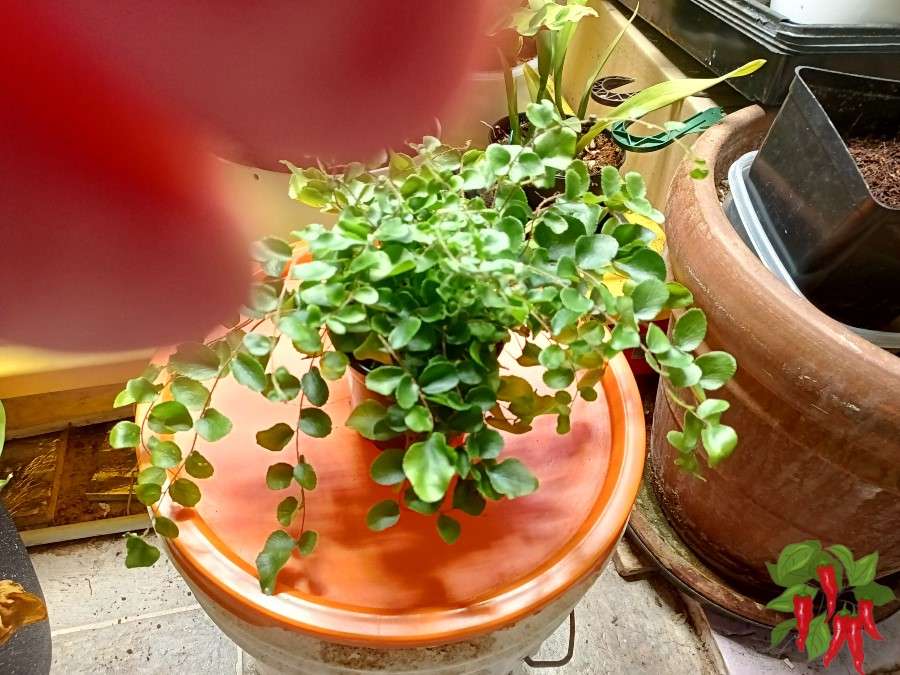
Button Fern, Pellaea rotundifolia, has wiry dark stems lined with small, rounded leaflets. Its tidy growth and leathery foliage give it a different appearance from the softer, feathery ferns you commonly see indoors.
Why Button Fern Is Good for Beginners
Button Fern is a useful choice if you tend to let the surface of the potting mix dry slightly before watering. It still needs regular moisture, but it generally prefers more air around its roots than ferns that grow in constantly damp conditions.
That does not make it drought-tolerant. The goal is lightly moist soil with good drainage rather than soggy soil or a completely dried-out root ball.
Button Fern Care at a Glance
- Light: Bright indirect light
- Water: Let the surface dry slightly before watering
- Humidity: Moderate humidity
- Growth habit: Compact and gently arching
- Best location: Tabletop, shelf, or bright room away from direct sun
Button Fern typically reaches approximately 12 to 18 inches tall and wide indoors.
My complete Button Fern care guide explains how to balance moisture and drainage without keeping the roots constantly wet.
3. Heart Fern
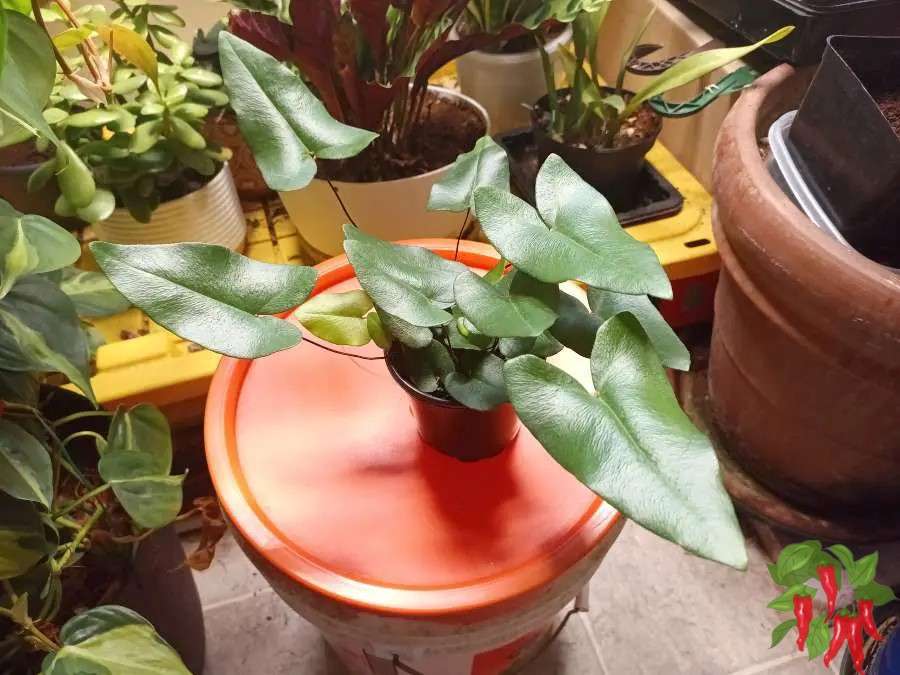
Heart Fern, Hemionitis arifolia, stands apart from most ferns because its fronds are shaped like small green hearts. It remains compact and makes an attractive choice for a small shelf, plant cabinet, or humid growing area.
Is Heart Fern Really Beginner-Friendly?
Heart Fern can be grown by a beginner, but it is not the most forgiving fern on this list. It needs dependable moisture and higher humidity. Dry air or allowing the root ball to dry completely can quickly damage its thin fronds.
I would recommend it for an attentive beginner who checks plants regularly. If you want a fern that can tolerate occasional missed watering, Lemon Button or Rabbit’s Foot Fern would be a safer starting point.
Heart Fern Care at a Glance
- Light: Bright indirect light
- Water: Keep evenly moist without becoming waterlogged
- Humidity: High humidity
- Growth habit: Compact and upright
- Best location: Humid bathroom, plant cabinet, or grouped with other plants
Heart Fern generally remains around 12 inches tall and wide indoors, making it one of the smallest ferns in this guide.
Learn more about its special moisture and humidity requirements in my Heart Fern care guide.
4. Crispy Wave Bird’s Nest Fern
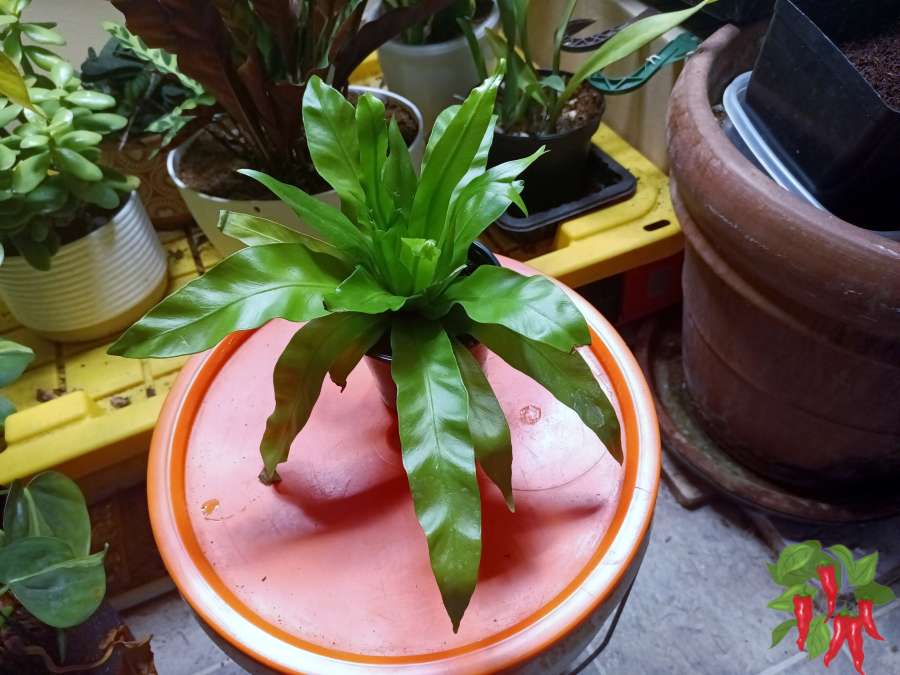
Crispy Wave Bird’s Nest Fern is a compact form of Bird’s Nest Fern with upright, rippled green fronds. It gives you a bold tropical appearance without the delicate divided foliage associated with many other ferns.
Why Crispy Wave Fern Is Good for Beginners
The thick, undivided fronds are easier to handle than the fragile foliage of Maidenhair Fern. Crispy Wave grows from a central rosette and maintains a neat, upright shape that works well in smaller rooms.
Water the potting mix around the plant rather than pouring water directly into the center. Water trapped in the crown can encourage rot.
Crispy Wave Fern Care at a Glance
- Light: Bright indirect light
- Water: Keep lightly and consistently moist
- Humidity: Moderate to high humidity
- Growth habit: Compact, upright rosette
- Best location: Tabletop, plant stand, or bright humid room
Indoors, Crispy Wave Bird’s Nest Fern commonly reaches approximately 18 to 24 inches tall and wide. Its upright shape can make it feel more compact than a fern with long, spreading fronds.
See my complete guide to Crispy Wave Bird’s Nest Fern care indoors for more information.
5. Rabbit’s Foot Fern
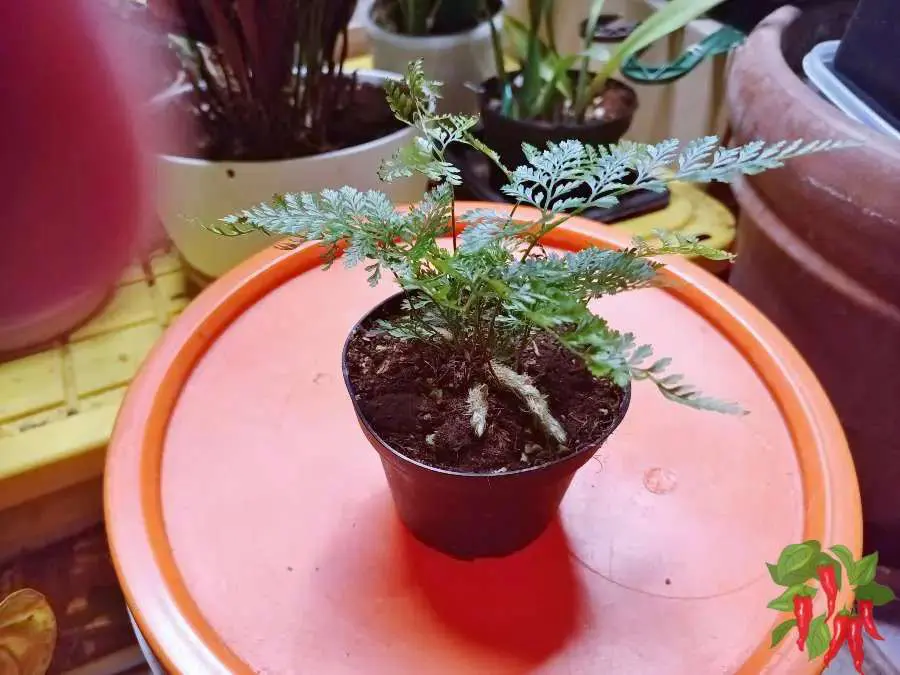
Rabbit’s Foot Fern, Davallia fejeensis, gets its name from the fuzzy rhizomes that crawl across the surface of the potting mix and eventually spill over the container’s edge. Those rhizomes are one of the plant’s most interesting features, so they should remain visible instead of being buried.
Why Rabbit’s Foot Fern Is Good for Beginners
Rabbit’s Foot Fern is more forgiving of slight drying than moisture-loving ferns such as Heart Fern and Boston Fern. Its thick rhizomes store some moisture, helping the plant handle short gaps between waterings.
This does not mean you should allow it to remain dry for long periods. Water when the upper portion of the potting mix begins to feel dry, then let the excess drain completely.
Is Rabbit’s Foot Fern Compact?
I consider Rabbit’s Foot Fern fairly compact, especially when compared with a Boston Fern. It commonly reaches approximately 10 to 18 inches tall and 12 to 24 inches wide indoors.
Its rhizomes and arching fronds spread outward, so it needs more horizontal room than Heart Fern or Lemon Button Fern. A wide shelf, plant stand, or hanging container can accommodate that growth.
Rabbit’s Foot Fern Care at a Glance
- Light: Bright indirect light
- Water: Water when the upper portion of the mix begins to dry
- Humidity: Moderate humidity
- Growth habit: Arching fronds with creeping surface rhizomes
- Best location: Wide shelf, plant stand, or hanging container
Avoid burying the fuzzy rhizomes when repotting. They naturally grow across the surface and can rot when covered with wet potting mix.
Read my complete guide to Rabbit’s Foot Fern care indoors for detailed growing instructions.
6. Bird’s Nest Fern

Bird’s Nest Fern, Asplenium nidus, produces broad, glossy fronds from a central rosette. Its foliage looks quite different from the finely divided fronds of Boston, Button, and Rabbit’s Foot ferns.
Why Bird’s Nest Fern Is Good for Beginners
Bird’s Nest Fern has sturdy fronds that are less delicate than those of Maidenhair Fern. It grows well in bright indirect light and appreciates moderate to high humidity.
The most important watering detail is keeping water out of the central crown. Water the potting mix around the plant instead of pouring water directly into the rosette.
How Large Does Bird’s Nest Fern Become?
A mature Bird’s Nest Fern can reach approximately two to four feet tall and wide under favorable conditions. Container-grown plants may remain smaller, but this is not a fern I would choose for a narrow shelf.
Give it enough room for the fronds to expand without rubbing against walls, furniture, or neighboring plants.
Bird’s Nest Fern Care at a Glance
- Light: Bright indirect light
- Water: Keep lightly moist without saturating the crown
- Humidity: Moderate to high humidity
- Growth habit: Upright rosette with broad fronds
- Best location: Plant stand, floor container, or bright bathroom
Learn more in my guide to caring for Bird’s Nest Fern indoors.
7. Blue Star Fern

Blue Star Fern, Phlebodium aureum, produces blue-green fronds from thick creeping rhizomes. Its unusual color and irregularly divided foliage make it easy to recognize among more traditional green ferns.
Why Blue Star Fern Is Good for Beginners
Blue Star Fern generally adapts well to ordinary indoor conditions. It appreciates humidity but is often more tolerant of household air than Heart Fern, Maidenhair Fern, or Boston Fern.
Allow the top portion of the potting mix to begin drying before watering again. Its thick rhizomes do not respond well to a dense mix that remains saturated.
Blue Star Fern Needs Room to Grow
Blue Star Fern is not compact. Its long arching fronds and creeping rhizomes can eventually form a plant approximately two to three feet wide.
A young plant may fit comfortably on a shelf, but you should plan for a wider stand, pedestal, or floor-level location as it matures.
Blue Star Fern Care at a Glance
- Light: Medium to bright indirect light
- Water: Let the upper portion of the mix begin to dry
- Humidity: Moderate humidity
- Growth habit: Spreading rhizomes with long arching fronds
- Best location: Wide plant stand, pedestal, or floor container
Keep the rhizomes close to the surface when repotting. Burying them deeply in a wet mix can increase the risk of rot.
See my complete Blue Star Fern care guide for more information about its light, water, soil, and humidity requirements.
8. Boston Fern

Boston Fern, Nephrolepis exaltata, is the classic indoor fern with long, arching fronds and dense green growth. A healthy plant makes an impressive hanging-basket or pedestal display.
Is Boston Fern Good for Beginners?
A beginner can successfully grow a Boston Fern, but it requires closer attention than Lemon Button, Rabbit’s Foot, or Blue Star Fern. Its potting mix should remain consistently moist without becoming waterlogged.
Low humidity and missed watering can quickly produce brown leaflets and crispy frond tips. It is best for someone who checks their plants regularly and has a naturally humid room or a humidifier.
Boston Fern Needs Plenty of Space
Boston Fern commonly grows approximately two to three feet tall and wide indoors. Its arching fronds can make the plant appear even larger when displayed in a hanging basket.
This is a good statement plant for an open corner, large bathroom, pedestal, or sturdy hanging location. It is not the best option for a crowded shelf or narrow windowsill.
Boston Fern Care at a Glance
- Light: Bright indirect light
- Water: Keep consistently moist but not soggy
- Humidity: High humidity
- Growth habit: Large, full, and arching
- Best location: Hanging basket, pedestal, or humid room
My complete guide to Boston Fern care indoors explains how to manage its moisture, humidity, light, and seasonal needs.
Which Indoor Fern Is Easiest for a Beginner?
Lemon Button Fern is my first choice for a beginner who wants a genuinely compact fern. It provides the familiar feathery appearance people expect from a fern while remaining small enough for a shelf or tabletop.
Crispy Wave Bird’s Nest Fern is another strong choice if you prefer broad, rippled fronds and upright growth. Just remember to water around the crown rather than into it.
Rabbit’s Foot Fern is a good option if your watering is not always perfectly consistent. Blue Star Fern is also relatively forgiving, but it needs considerably more room as it matures.
My Beginner Pick: Choose Lemon Button Fern when space is limited. Choose Rabbit’s Foot Fern when you want a slightly larger fern that can tolerate the upper part of its potting mix drying between waterings.
Best Compact Ferns for Small Spaces
A compact fern should fit its location after it matures, not just when it comes home in a small nursery pot. Based on eventual indoor size and growth habit, these are the strongest small-space choices from this guide:
- Heart Fern: One of the smallest choices at approximately 12 inches tall and wide, but it requires dependable humidity.
- Lemon Button Fern: Compact, feathery, and easier for most beginners.
- Button Fern: A tidy fern that usually remains between 12 and 18 inches.
- Crispy Wave Bird’s Nest Fern: Its upright growth makes efficient use of limited horizontal space.
- Rabbit’s Foot Fern: Fairly compact, although its creeping rhizomes and arching fronds gradually spread outward.
Bird’s Nest, Blue Star, and Boston ferns belong in the larger group. They may start small, but each needs more room as it matures.
Choose a Fern Based on Your Watering Habits
If You Occasionally Let the Surface Dry
Consider Rabbit’s Foot Fern, Blue Star Fern, or Button Fern. These ferns generally prefer more air around their roots and should not remain waterlogged.
They are not drought-tolerant houseplants, but they can be more forgiving than ferns that need constantly even moisture.
If You Check Your Plants Regularly
Heart Fern and Boston Fern become possibilities when you are willing to monitor moisture closely. Both can develop brown or crispy foliage when allowed to become too dry.
If You Tend to Overwater
Use a loose, well-draining potting mix and always choose a container with drainage holes. No fern benefits from having its roots remain in stagnant, waterlogged potting mix.
Check the potting mix with your finger before adding more water. A fixed calendar cannot account for changes in temperature, humidity, light, plant size, or container size.
Choose a Fern Based on Indoor Humidity
Ferns for Average Household Humidity
Lemon Button, Button, Rabbit’s Foot, and Blue Star ferns are among the more adaptable choices for ordinary indoor conditions. They still appreciate moderate humidity, especially during winter, but they do not generally require the same consistently humid environment as Heart Fern.
Ferns for Naturally Humid Rooms
Heart Fern, Bird’s Nest Fern, Crispy Wave, and Boston Fern are good candidates for a bright bathroom or another room with dependable humidity.
A bathroom still needs enough light. High humidity cannot compensate for a windowless room or a location that remains too dark for healthy growth.
Choose a Fern Based on Available Space
For a Small Shelf or Tabletop
- Lemon Button Fern
- Button Fern
- Heart Fern
- Crispy Wave Bird’s Nest Fern
For a Wide Shelf or Plant Stand
- Rabbit’s Foot Fern
- Young Blue Star Fern
- Young Bird’s Nest Fern
For an Open Corner, Pedestal, or Hanging Basket
- Mature Blue Star Fern
- Mature Bird’s Nest Fern
- Boston Fern
Choosing for mature size now can save you from having to rearrange your entire plant collection later. Ferns may not grow as quickly as some tropical houseplants, but healthy specimens can eventually occupy much more room than their nursery pots suggest.
Basic Indoor Fern Care for Beginners
Each fern has its own preferences, but most indoor ferns need the same basic combination of indirect light, dependable moisture, good drainage, and protection from dry air.
Your goal is not to make every fern follow the same watering schedule. It is to understand how quickly each plant uses water in your particular growing area.
Provide Bright or Medium Indirect Light
Most indoor ferns grow well in medium to bright indirect light. An east-facing window is often a good starting point because it provides gentle morning light without the heat of afternoon sun.
You can also place ferns several feet from a bright south- or west-facing window. Use a sheer curtain if direct sunlight reaches the foliage for an extended period.
Pale, scorched patches can indicate excessive sunlight. Weak, sparse, or leaning growth may mean the fern needs more light.
Check the Potting Mix Before Watering
Check the potting mix with your finger instead of automatically watering on a particular day. Temperature, humidity, light, plant size, and container material all affect how quickly a fern dries.
Heart Fern and Boston Fern prefer more consistent moisture. Rabbit’s Foot, Button, and Blue Star ferns can usually tolerate the upper portion of the mix becoming slightly drier.
When it is time to water, moisten the entire root ball and let the excess drain from the container. Empty any water remaining in the saucer or decorative outer pot.
Use a Loose, Moisture-Retentive Potting Mix
Indoor ferns need a potting mix that holds useful moisture while still allowing air to reach the roots. Dense garden soil can remain wet too long and should not be used in indoor containers.
I commonly use coco coir as the moisture-retentive part of an indoor potting mix. Adding perlite improves drainage and creates air spaces around the roots.
The exact ratio can be adjusted for the fern. Heart Fern and Boston Fern benefit from a mix that remains evenly moist, while Rabbit’s Foot and Blue Star ferns need especially good aeration around their rhizomes.
Increase Humidity When Necessary
Humidity becomes especially important during winter when indoor heating dries the air. Brown tips and crispy leaflet edges can appear when a moisture-loving fern remains in dry air.
A room humidifier is the most dependable way to increase humidity. You can also group plants together, but leave enough space for gentle air movement.
Occasional misting briefly wets the foliage but does not raise room humidity for very long. Repeatedly wet foliage combined with poor airflow can also encourage leaf spotting.
Fertilize Lightly During Active Growth
Ferns generally need less fertilizer than fast-growing vegetables or flowering houseplants. Apply a balanced houseplant fertilizer at half strength during active spring and summer growth.
You may only need to feed every four to six weeks, depending on the product and the plant’s growth. Reduce or stop feeding during winter when growth slows.
Too much fertilizer can cause dry brown tips and damage tender roots. When in doubt, use less rather than more.
Common Beginner Mistakes With Indoor Ferns
Choosing a Fern Based Only on Its Current Size
A young Blue Star or Boston Fern may look compact at the store, but it can eventually occupy several feet of space. Check the expected mature size and growth habit before deciding where the plant will live.
Treating Every Fern the Same
Ferns are a diverse group. Heart Fern needs more consistent moisture and humidity than Rabbit’s Foot Fern. Button Fern does not want to remain as wet as Boston Fern.
A routine that works well for one fern can damage another, even when the plants sit next to each other.
Allowing the Root Ball to Dry Completely
Even the more forgiving ferns in this guide are not desert plants. Repeatedly allowing the entire root ball to become dry can produce brown fronds, leaf drop, and weak growth.
Keeping the Potting Mix Constantly Soggy
Ferns need moisture, but their roots also need oxygen. A saturated mix and a container without drainage can lead to root rot.
Use a pot with drainage holes, water thoroughly, and allow the excess to escape.
Burying Surface Rhizomes
The visible rhizomes of Rabbit’s Foot and Blue Star ferns naturally grow across the potting mix. Covering them with a deep layer of wet mix can increase the risk of rot.
Position the rhizomes on or close to the surface when repotting.
Pouring Water Into a Bird’s Nest Fern Crown
Bird’s Nest and Crispy Wave ferns grow from a central crown. Water that remains trapped in the center can encourage rot.
Apply water directly to the potting mix around the outside of the rosette.
Placing Ferns in Direct Afternoon Sun
Most indoor ferns prefer indirect or filtered light. Strong afternoon sunlight through a west-facing window can bleach or scorch the fronds.
Move the plant farther from the glass or use a sheer curtain to soften the light.
Assuming a Bathroom Is Automatically Suitable
A bathroom may provide useful humidity, but the fern still needs adequate light. A dark bathroom without a window or grow light is not a good long-term location.
Frequently Asked Questions
What is the easiest indoor fern for a beginner?
Lemon Button Fern is one of the best starting choices because it remains compact and adapts well to indoor growing. Rabbit’s Foot Fern is another forgiving choice when you can provide a little more horizontal space.
What is the smallest beginner-friendly fern?
Lemon Button Fern and Heart Fern are among the smallest choices in this guide. Both generally remain close to 12 inches tall and wide.
Lemon Button Fern is the more forgiving choice. Heart Fern needs higher humidity and more dependable soil moisture.
Which fern is best for an apartment?
Lemon Button, Button, Heart, and Crispy Wave ferns are all useful for apartments because they remain reasonably compact. Rabbit’s Foot Fern also works well if you have a wide shelf or plant stand for its spreading rhizomes.
Which indoor fern tolerates lower humidity?
Blue Star, Rabbit’s Foot, Button, and Lemon Button ferns are generally more adaptable to ordinary household humidity than Heart, Maidenhair, or Boston ferns.
More tolerant does not mean they prefer extremely dry air. Keep them away from heating vents and cold or hot drafts.
Can indoor ferns grow in low light?
Some ferns tolerate medium light, but very low light usually results in weak or sparse growth. Most indoor ferns perform best in medium to bright indirect light.
If you cannot comfortably read near the plant during the daytime without turning on a lamp, the location may be too dark.
Can I grow an indoor fern under a grow light?
Yes. A full-spectrum LED grow light can supplement a dim window or provide the fern’s primary light. Follow the fixture manufacturer’s recommended distance and watch the foliage for bleaching, scorching, or weak growth.
How often should I water an indoor fern?
There is no watering interval that works for every fern and every home. Check the potting mix regularly and water according to the species and current growing conditions.
A fern may use water faster during warm, bright weather and more slowly during cool winter conditions.
Why are my fern’s leaves turning brown?
Brown foliage can result from dry potting mix, low humidity, fertilizer buildup, excessive direct sun, or damaged roots. Look at the entire plant and review its recent care before deciding what needs to change.
Should I mist my indoor fern?
Misting is optional, but it only raises humidity briefly. A humidifier provides a more consistent improvement for ferns that need high humidity.
If you mist, provide airflow and avoid leaving the foliage wet for extended periods.
Are indoor ferns safe for pets?
Many true ferns are considered non-toxic, but common names can cause confusion. Asparagus Fern, for example, is not a true fern and should not be treated as pet-safe.
Confirm the botanical name of your particular plant with a reliable pet-safety source before placing it where a pet can chew it.
Final Thoughts on the Best Indoor Ferns for Beginners
The best indoor ferns for beginners are the ones that match your available space and normal plant-care routine. A compact fern is not automatically easier, and a large fern is not automatically difficult.
Lemon Button Fern is my top compact starting choice. Crispy Wave gives you neat upright growth, while Rabbit’s Foot Fern is fairly compact and more forgiving of slight drying.
Heart Fern is small and unusual, but it is best for an attentive beginner who can provide consistent moisture and humidity. Blue Star Fern is more adaptable, although it needs plenty of room as it matures.
Bird’s Nest and Boston ferns are attractive options when you want a larger plant. Boston Fern requires closer attention to moisture and humidity, while Bird’s Nest Fern needs careful watering around its central crown.
Start with one fern that suits the conditions you already have. Once you understand how quickly it dries and responds to your indoor environment, keeping it healthy becomes much easier.
Where to Go Next
Once you choose your fern, use its individual care guide for detailed watering, potting, humidity, and repotting instructions:
- Lemon Button Fern Care Indoors
- Button Fern Care Indoors
- Heart Fern Care Indoors
- Crispy Wave Bird’s Nest Fern Care Indoors
- Rabbit’s Foot Fern Care Indoors
- Caring for Bird’s Nest Fern Indoors
- Blue Star Fern Care Guide
- Boston Fern Care Indoors
Explore Related Indoor Fern Guides
- Indoor Fern Care Made Simple
- Crocodile Fern Indoor Care
- Japanese Holly Fern Indoor Care
- Staghorn Fern Care Indoors
References
- University of Minnesota Extension: Growing Tropical Ferns Indoors
- University of Minnesota Extension: Managing Insects on Indoor Plants
- Iowa State University Extension: Winter Care for Houseplants
- Iowa State University Extension: Heartleaf Fern Growing Conditions
 Steve S. is the creator of