
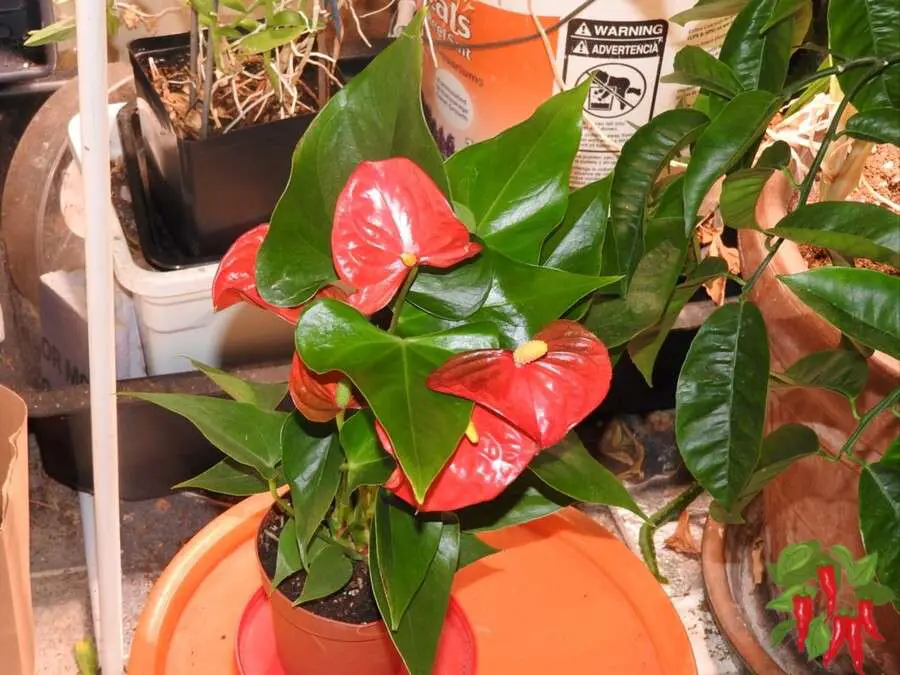
Flowering houseplants for bright windows can turn a sunny room into a colorful indoor garden. The key is matching each plant with the right kind of window light. Some flowering plants enjoy several hours of direct sun, while others bloom best when strong sunlight is softened by a sheer curtain.
I’ve grown flowering plants indoors for years, and light is usually what determines whether you get healthy leaves or a steady display of flowers. A bright window gives you plenty of options, but the plant’s distance from the glass and the direction the window faces still matter.
What You’ll Learn
- Which flowering houseplants grow well near bright windows
- Whether each plant prefers direct or filtered sunlight
- The best window direction for encouraging flowers
- How large each plant can grow indoors
- Which choices need special care to bloom again
Quick Answer
The best flowering houseplants for bright windows include kalanchoe, tropical hibiscus, African violet, gloxinia, gerbera daisy, indoor azalea, clivia, and anthurium. Kalanchoe and hibiscus appreciate some direct sunlight. African violets and gloxinias prefer bright light with protection from intense afternoon sun.
Flowering Houseplants for Bright Windows at a Glance
| Plant | Best Window | Light Preference | Typical Indoor Size |
|---|---|---|---|
| Florist kalanchoe | East or filtered south | Bright indirect light with gentle morning sun | 6–18 inches tall |
| Tropical hibiscus | South or southwest | Very bright light and direct sun | 2–6 feet |
| African violet | East, north, or northeast | Bright indirect light | 6–8 inches tall |
| Gloxinia | East or filtered west | Bright indirect light | 6–12 inches |
| Gerbera daisy | South or west | Bright light with direct sun | 8–18 inches |
| Indoor azalea | East or filtered south | Bright filtered light | 1–3 feet |
| Clivia | East or bright north | Bright indirect light | 18–30 inches |
| Anthurium | East or filtered south | Bright indirect light | 12–30 inches |
1. Flaming Katy: Kalanchoe blossfeldiana
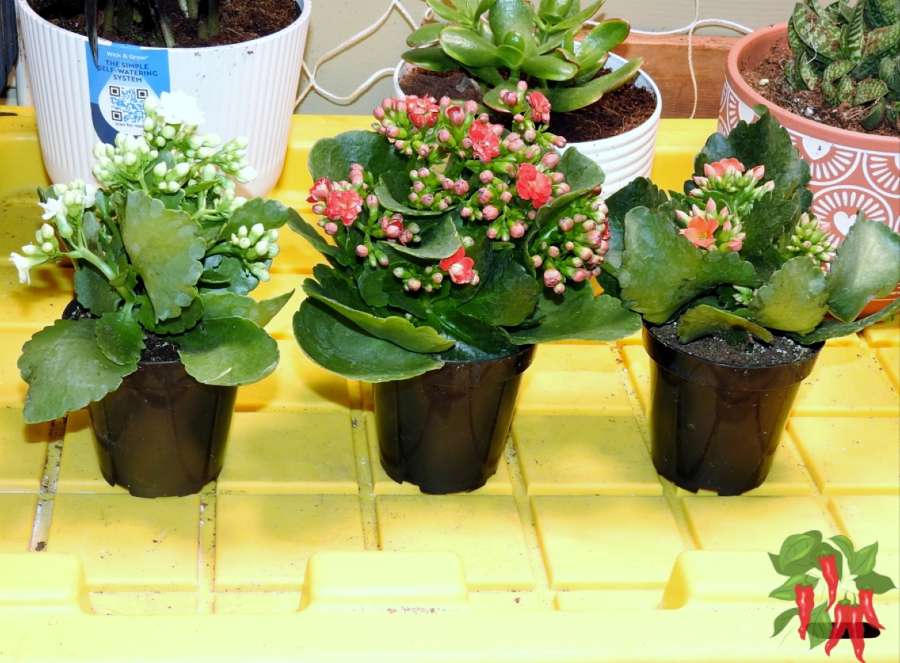
I grow Flaming Katy, Kalanchoe blossfeldiana, for its compact shape and bright clusters of long-lasting flowers. Its thick succulent leaves store water, while the flowers rise above the foliage in shades of red, orange, yellow, pink, or white.
Kalanchoe is one of the easiest ways to add long-lasting flowers to a sunny windowsill. Its thick succulent leaves store water, while clusters of small flowers rise above the foliage in red, orange, yellow, pink, or white.
Best window: A south- or west-facing window provides the strong light kalanchoe needs to remain compact and colorful. It can handle some direct sunlight, although a plant coming from a dim store display should be introduced to stronger sun gradually.
Allow the potting mix to dry noticeably between waterings. Kalanchoe is more likely to struggle from consistently wet soil than from a brief dry spell. A pot with drainage holes and an airy succulent mix will help protect the roots.
Getting a kalanchoe to flower a second time requires more than placing it in a sunny window. It is a short-day plant that develops flower buds after receiving long, uninterrupted nights for several weeks. You can continue growing it as an attractive succulent even if you choose not to manage its reblooming schedule.
Mature indoor size: Most flowering kalanchoes remain about 8 to 18 inches tall and wide, depending on the variety and growing conditions.
Learn more Flaming Katy Plant Care Indoors: 7 Easy Tips and Tricks
You can find additional bright-light plants in the Indoor Succulents growing guides.
2. Tropical Hibiscus
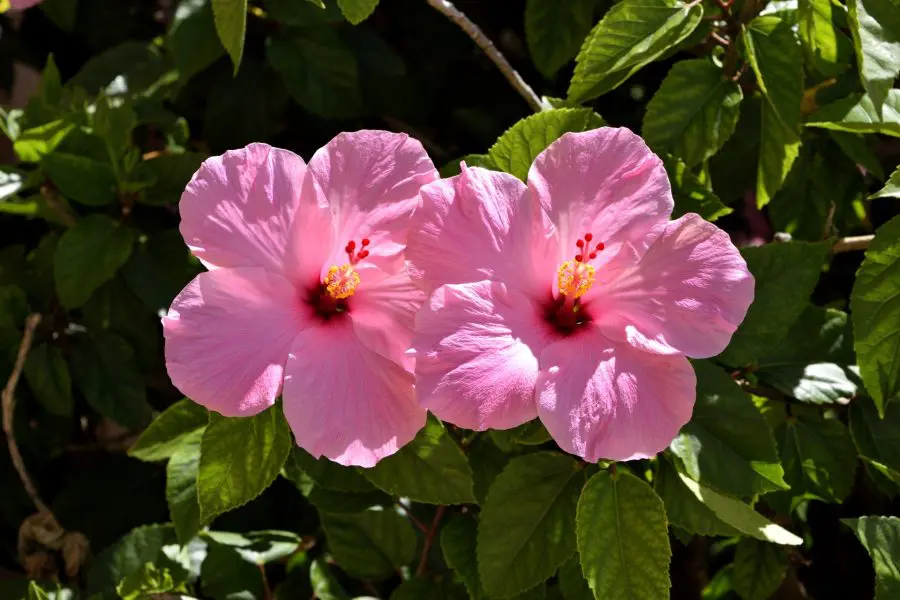
Tropical hibiscus is the choice for you when you want large flowers and have one of the brightest windows in your home. Its dramatic blooms may last only a short time individually, but a healthy plant can continue producing new buds during active growth.
Best window: Place tropical hibiscus directly in front of a south- or southwest-facing window. It needs several hours of strong light to support flowering. If the window receives intense summer afternoon sun, watch the plant closely for rapid drying and leaf scorch.
Hibiscus uses more water than the succulent plants on this list. Check the soil frequently and water when the upper layer begins to dry. Avoid letting the root ball remain waterlogged, but do not allow it to become completely dry while the plant is actively growing and flowering.
This is also one of the larger choices. Regular pruning can keep it bushier and more manageable, but it still needs more room than an African violet or kalanchoe.
Mature indoor size: Tropical hibiscus commonly reaches 2 to 6 feet indoors when grown in a container.
Use my complete indoor hibiscus care guide to learn more about watering, feeding, pruning, and encouraging flowers.
3. African Violet
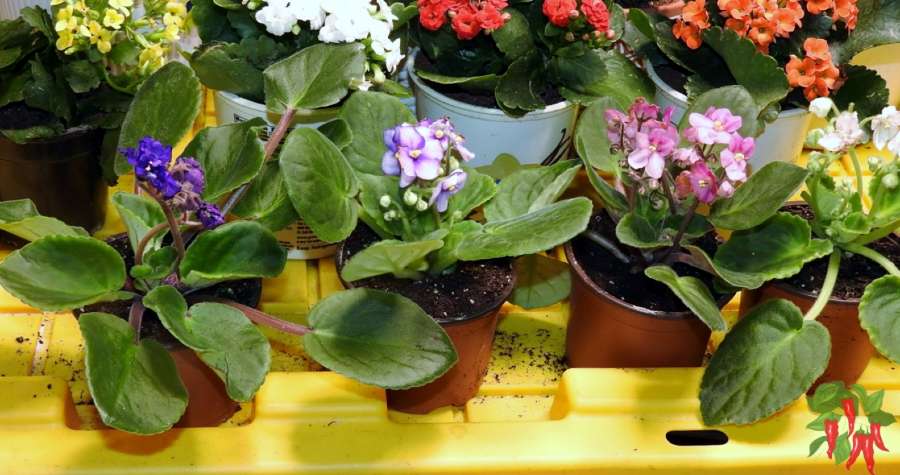
African violets give you plenty of flower color without taking over the windowsill. Their compact rosettes and fuzzy leaves fit comfortably in apartments, on plant stands, and beneath supplemental lights.
Best window: An east-, northeast-, or bright north-facing window is usually a comfortable location. African violets want plenty of bright light, but their leaves can scorch against hot glass or under strong afternoon sun. A sheer curtain can make a bright south-facing window more suitable.
Rotate the pot regularly so the rosette grows evenly instead of leaning toward the window. Too little light often produces stretched leaf stems and fewer flowers, while excessive direct sun may leave pale or scorched patches.
Water when the potting mix begins to dry near the surface. Lukewarm water and careful watering around the edge of the pot help prevent cold-water spotting on the leaves. Bottom watering can also work well, provided you empty any water left in the saucer.
Mature indoor size: Standard African violets generally reach 6 to 8 inches tall and 6 to 12 inches wide. Miniature varieties remain considerably smaller.
My African violet care guide explains lighting, watering, potting mix, feeding, and how to encourage repeat blooms.
4. Gloxinia
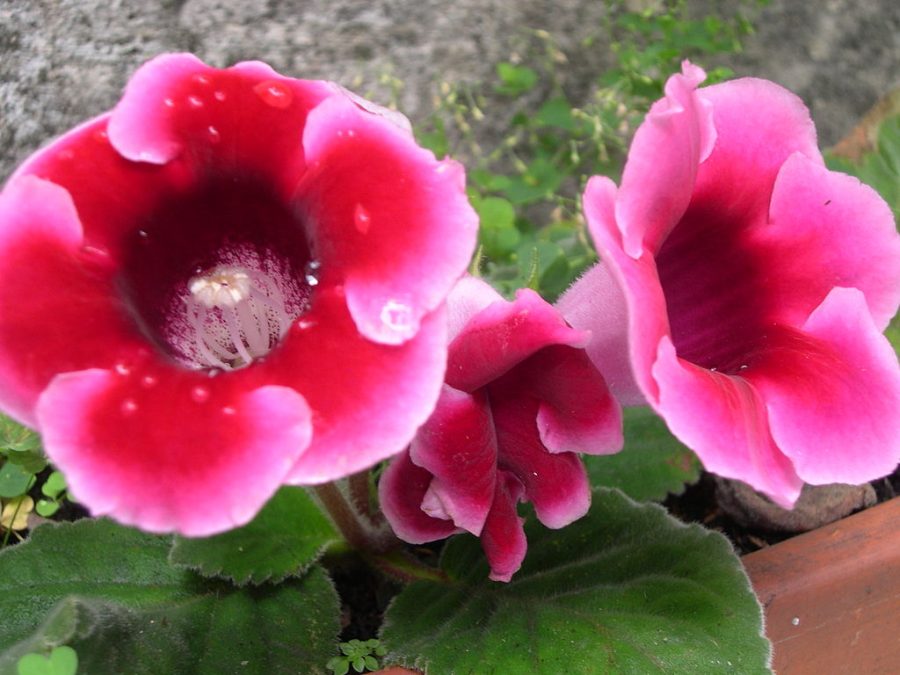
Gloxinia produces velvety, trumpet-shaped flowers that can make a small plant look surprisingly dramatic. The blooms come in shades of purple, red, pink, and white, including varieties with contrasting edges or speckled petals.
Best window: An east-facing window provides bright light with gentler morning sun. You can also use a west- or south-facing window when a sheer curtain filters the strongest rays. Direct afternoon sunlight can damage the soft leaves.
Keep the potting mix evenly moist while the plant is actively growing and flowering, but avoid leaving the roots in standing water. Water the soil rather than pouring water over the fuzzy foliage.
Gloxinia may slow down and enter dormancy after flowering. When the foliage naturally begins to decline, reduce watering instead of trying to force continued growth. New growth can emerge from the tuber after its resting period.
Mature indoor size: Most florist gloxinias grow approximately 6 to 12 inches tall and wide.
Read the complete gloxinia plant care guide for more information about light, watering, feeding, and flowering.
5. Gerbera Daisy
Gerbera daisies bring large, cheerful flowers indoors in shades of red, orange, pink, yellow, and white. They need plenty of light to continue producing flowers, but that does not mean exposing them to intense afternoon sun through hot window glass.
Best Light for Gerbera Daisies
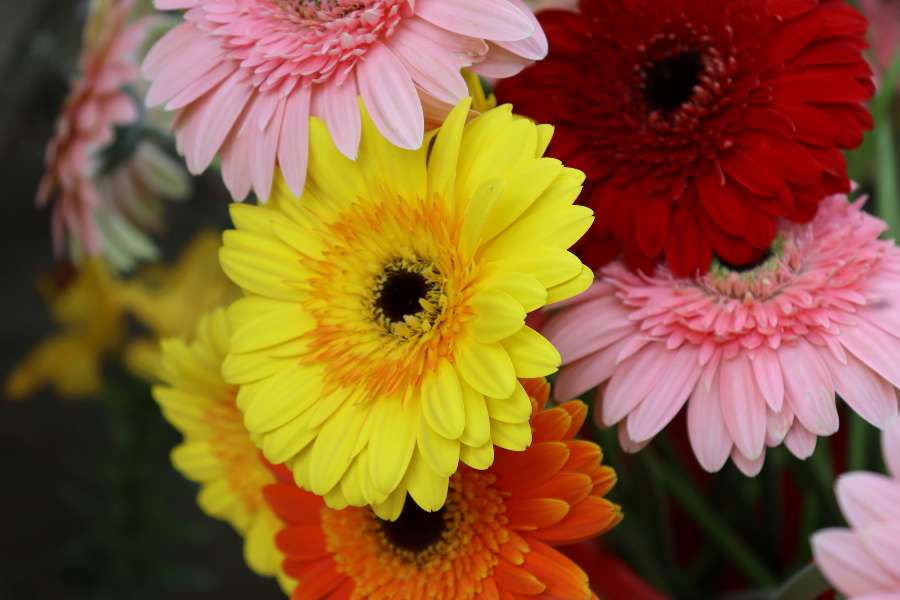
Place your Gerbera daisy near an east-facing window where it can receive gentle morning sun followed by bright light. A south- or west-facing window can also work when a sheer curtain filters the strongest sunlight.
Give the plant at least six hours of bright light each day. Insufficient light can produce weak growth and fewer flowers.
Gerbera Daisy Care Tips
- Water when the top inch of potting mix feels dry.
- Keep water away from the center of the crown.
- Use a container with drainage holes and a fast-draining potting mix.
- Remove spent flowers at their base to keep the plant tidy.
- Watch for spider mites, thrips, and powdery mildew.
Most indoor Gerbera daisies grow approximately 18 to 24 inches tall. Learn more in my complete guide to Gerbera daisy care indoors.
6. Indoor Azalea
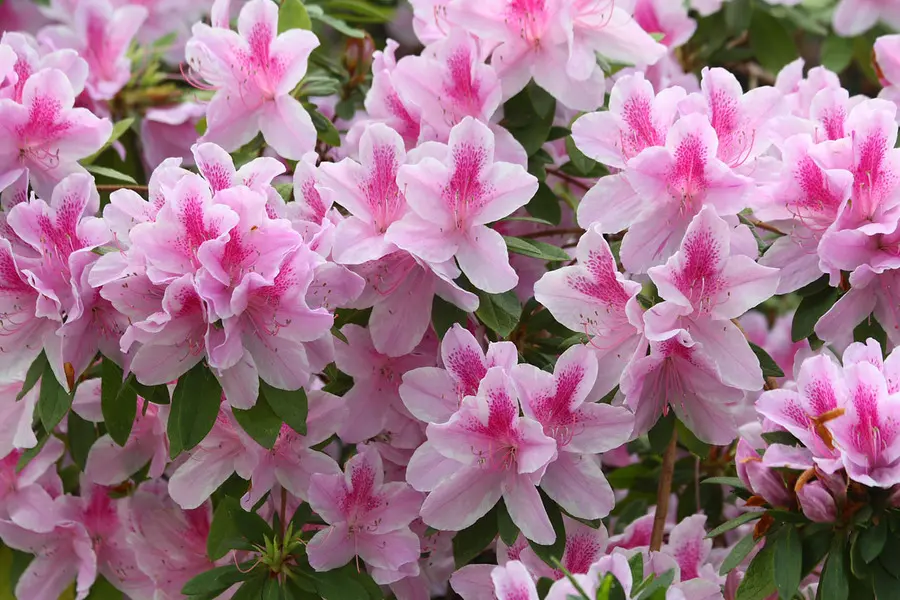
A florist azalea can fill a bright window with masses of pink, red, white, or lavender flowers. It is a beautiful choice, but it requires more attention to moisture and temperature than many other flowering houseplants.
Best Light for Indoor Azaleas
Indoor azaleas grow best in bright, filtered light. An east-facing window is an excellent starting point. You can also use a south-facing window if you place the plant behind a sheer curtain or far enough from the glass to avoid direct midday sun.
Direct sunlight can scorch the foliage and shorten the life of the flowers. A cool, bright location will usually help the blooms last longer.
Indoor Azalea Care Tips
- Keep the potting mix consistently moist but never waterlogged.
- Do not allow the root ball to dry out completely while the plant is flowering.
- Keep the plant away from heating vents and hot drafts.
- Use a fertilizer intended for acid-loving plants during active growth.
- Remove faded flowers to keep the plant looking its best.
Florist azaleas are generally compact, but their eventual size depends on the cultivar and how long you keep them. My indoor azalea growing guide explains their light, water, soil, and flowering requirements in greater detail.
7. Clivia
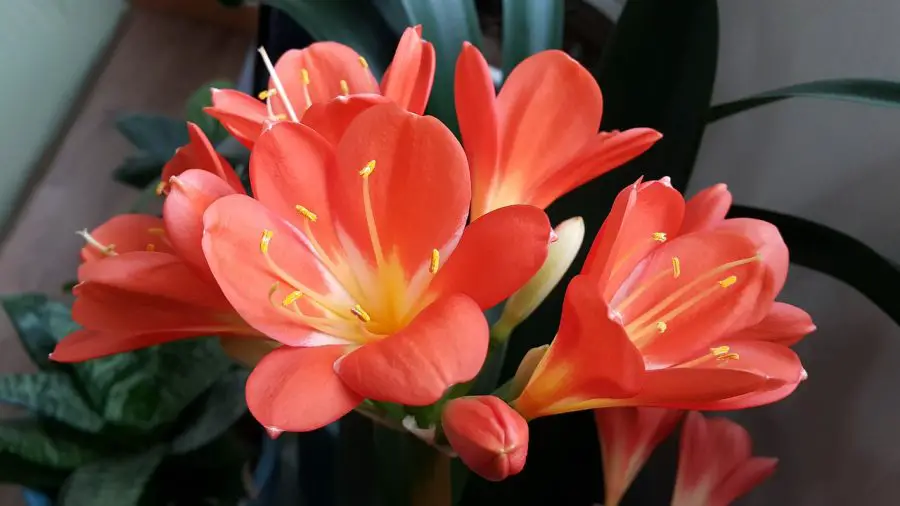
Clivia, or bush lily, produces clusters of orange, red, or yellow trumpet-shaped flowers above wide, strap-like leaves. It is a dependable flowering plant for a bright room because it does not need direct sunlight to grow well.
Best Light for Clivia
An east-facing window with filtered morning light is a good location for Clivia. It can also grow near a bright west-facing window when protected from direct afternoon sun.
Avoid placing Clivia in strong direct sunlight. Excessive sun can bleach or scorch its dark green leaves.
Clivia Care Tips
- Allow the top inch or two of potting mix to dry before watering.
- Use a well-draining mix and a container with drainage holes.
- Keep the plant slightly root-bound instead of repeatedly moving it into oversized pots.
- Reduce watering and stop fertilizing during its fall and winter rest.
- Provide a cool, drier rest period to help initiate flowers.
A mature Clivia usually reaches approximately 18 to 24 inches tall and develops a similar spread. You can find detailed instructions in my guide explaining how to grow Clivia in pots.
8. Anthurium
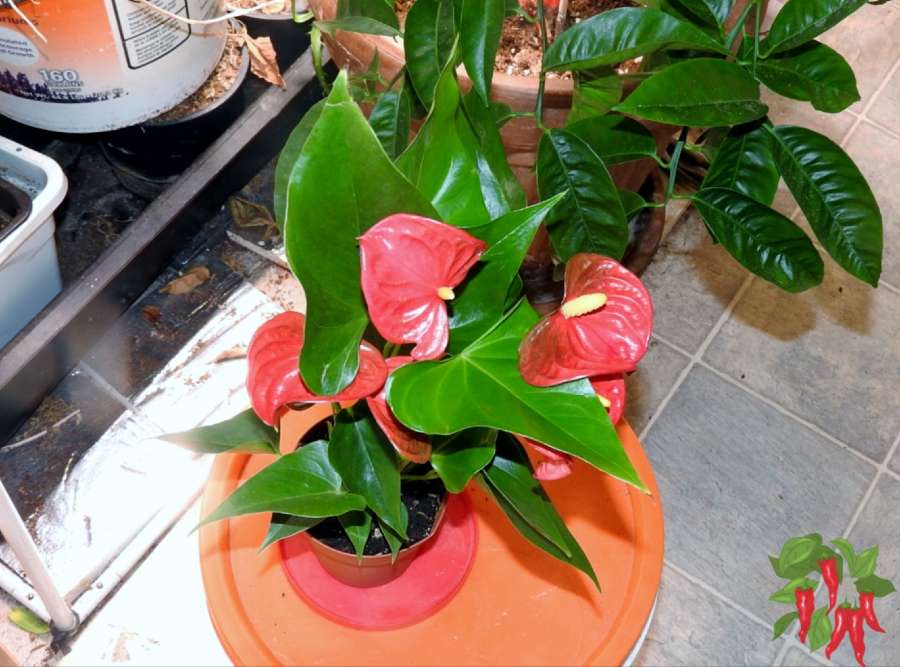
Anthuriums are popular for their glossy foliage and colorful, heart-shaped spathes. The actual flowers are the tiny blooms located on the upright structure called the spadix.
The red, pink, white, or purple spathes can remain attractive for weeks, making Anthurium one of the longest-lasting choices in this list.
Best Light for Anthuriums
Place your Anthurium near an east-facing window or behind a sheer curtain at a brighter south- or west-facing window. It needs bright indirect light to flower reliably, but direct midday or afternoon sun can scorch its foliage.
Anthurium Care Tips
- Water when the top inch of potting mix begins to feel dry.
- Use a loose, well-aerated mix that drains freely.
- Provide moderate to high humidity when possible.
- Keep the plant away from cold drafts and heating vents.
- Wipe dust from the leaves so they can use the available light efficiently.
Most commonly sold indoor Anthuriums grow approximately one to two feet tall and wide. Read my complete Anthurium and laceleaf plant care guide for additional growing information.
How to Choose the Best Window for Flowering Houseplants
Window direction is a useful starting point, but it does not tell you everything about the amount of light reaching your plants. Trees, nearby buildings, roof overhangs, window screens, curtains, and the time of year can all change the intensity.
East-Facing Windows
East-facing windows receive morning sunlight, which is generally cooler and gentler than afternoon sun. They are a good choice for Flaming Katy, African violets, Gloxinia, indoor azaleas, Clivia, Anthuriums, and Gerbera daisies.
Some sensitive plants should be set slightly back from the glass if the morning light becomes intense.
South-Facing Windows
South-facing windows normally provide the longest period of daylight in the Northern Hemisphere. They can be especially useful for tropical hibiscus and other plants that need very bright conditions.
For plants that prefer indirect light, use a sheer curtain or place them far enough from the window that the sun does not strike their leaves for long periods.
West-Facing Windows
West-facing windows receive strong afternoon light and can become hot during summer. Tropical hibiscus may appreciate the brightness, but more sensitive plants often need protection from direct afternoon sun.
A sheer curtain is an easy way to soften the light without making the room dark.
North-Facing Windows
North-facing windows usually provide gentle indirect light, but they may not supply enough intensity for consistent flowering. African violets and Clivia may grow there if the window is large and unobstructed, although flowering could decrease during winter.
If your plant grows well but stops flowering, supplemental light may be needed.
Direct Sunlight vs. Bright Filtered Light
Bright light and direct sunlight are not the same thing. A room can look bright even when direct rays never reach the plant.
- Direct sunlight reaches the foliage without passing through a curtain or being blocked by another object.
- Filtered sunlight passes through a sheer curtain, tree canopy, or similar material that softens its intensity.
- Bright indirect light illuminates the plant strongly without direct sun remaining on its leaves.
Tropical hibiscus can tolerate and benefit from more direct light than African violets, Gloxinia, Clivia, Anthuriums, or indoor azaleas. Flaming Katy appreciates bright indirect light and may tolerate gentle morning sun, but prolonged intense sunlight through glass can scorch it.
Adjusting for Seasonal Light Changes
The amount and angle of sunlight entering your windows changes during the year. A location that is perfect in winter can become too hot and bright in summer.
- Move sensitive plants back from south- and west-facing windows during summer.
- Use a sheer curtain when direct sunlight becomes too intense.
- Move plants closer to the window during darker winter months.
- Clean the window and remove dust from large leaves to improve light exposure.
- Rotate pots one-quarter turn every week or two for balanced growth.
- Add a grow light if winter conditions are too dark to support flowering.
Make changes gradually. A plant moved suddenly from low light into intense sunlight can develop damaged leaves even if the species normally tolerates brighter conditions.
How to Prevent Leaf Scorch Near Bright Windows
Leaf scorch often appears as pale, tan, or brown patches on the parts of the plant facing the window. The damage will not turn green again, but you can prevent it from spreading to new growth.
- Move the plant several inches or feet back from the glass.
- Install a lightweight sheer curtain to diffuse direct sunlight.
- Introduce plants to brighter light over seven to fourteen days.
- Check the leaves and potting mix more frequently during hot weather.
- Keep foliage from touching extremely hot or cold window glass.
Do not assume that every brown leaf edge is caused by excessive light. Low humidity, inconsistent watering, fertilizer buildup, and root damage can produce similar symptoms. Look at the plant’s location and recent care before deciding what needs to change.
Choosing the Right Flowering Plant for Your Window
The best plant for your window depends on more than its direction. You also need to consider the temperature near the glass, the number of daylight hours, and how much attention you want to give the plant.
Choose Flaming Katy for Long-Lasting Color
Flaming Katy is a good choice when you want a compact plant with colorful flower clusters that last for several weeks. Give it bright indirect light, gentle morning sun, and a potting mix that can dry between waterings.
Choose Tropical Hibiscus for the Brightest Window
Tropical hibiscus is the best choice on this list for a sunny window. It needs plenty of light, room to grow, and more frequent watering than a succulent such as Flaming Katy.
Choose African Violets or Gloxinia for Filtered Light
African violets and Gloxinia are better suited to bright filtered light than prolonged direct sun. Their compact growth also makes them useful when windowsill space is limited.
Choose an Indoor Azalea for a Cool Room
An indoor azalea is worth considering if you have a bright room that stays relatively cool. It needs consistent moisture, so it is not the best choice if you frequently forget to check your plants.
Choose Clivia for an Impressive Seasonal Display
Clivia is a long-lived houseplant with attractive foliage even when it is not flowering. It is a good fit if you have enough patience to provide the cooler, drier winter rest that encourages it to bloom.
Choose Anthurium for Flowers and Foliage
Anthurium gives you glossy foliage along with colorful, long-lasting spathes. It fits nicely into a warm, humid room with bright indirect light.
Quick Tip: Start with the conditions you already have. It is much easier to match a plant to your window than to constantly move a struggling plant from one location to another.
Common Mistakes With Flowering Houseplants
Assuming All Flowering Plants Need Direct Sun
Flowering houseplants generally need more light than foliage plants, but several plants in this guide can be damaged by prolonged direct sunlight. African violets, Gloxinia, Clivia, Anthuriums, and indoor azaleas prefer bright light that is indirect or filtered.
Keeping the Plant Too Far From the Window
Light intensity decreases quickly as you move away from a window. A plant sitting on the other side of a bright room may receive far less usable light than you expect.
If a plant produces healthy foliage but few flowers, try moving it closer to the window while watching for signs of excessive sun.
Moving a Plant Into Strong Sun Too Quickly
Plants need time to adjust to brighter conditions. Move your plant a little closer to the window every few days instead of placing it directly in intense sunlight all at once.
Overwatering Because the Window Is Bright
A sunny location can dry potting mix faster, but that does not mean every plant should be watered on the same schedule. Check the mix before watering and adjust for the plant, container, temperature, and season.
Flaming Katy should dry more between waterings than an indoor azalea. Treating them the same can quickly lead to trouble.
Using an Oversized Container
A large volume of unused potting mix remains wet longer than the plant’s root ball. That can increase the risk of root rot. When repotting, move up only one container size unless the plant has an unusually large root system.
Adding More Fertilizer to Force Flowers
Fertilizer cannot compensate for inadequate light. Excess fertilizer can damage roots or encourage leafy growth instead of flowers. Correct the light first, then feed moderately while the plant is actively growing.
Ignoring a Plant’s Natural Rest Period
Some flowering plants need more than good everyday care to bloom again. Clivia benefits from a cooler, drier rest, while Flaming Katy uses long, uninterrupted nights to initiate flower buds.
A plant that looks healthy but refuses to flower may need a seasonal change rather than more fertilizer.
Frequently Asked Questions
What is the best flowering houseplant for a sunny window?
Tropical hibiscus is one of the strongest choices for a window receiving several hours of sunlight. It generally needs more direct light than African violets, Gloxinia, Clivia, Anthuriums, or indoor azaleas.
Which flowering houseplant is best for an east-facing window?
An east-facing window can support several flowering houseplants because it provides gentle morning light. Flaming Katy, African violets, Gloxinia, Gerbera daisies, Clivia, Anthuriums, and indoor azaleas are all possibilities.
Watch the plant during summer because even morning sunlight can become intense through unobstructed glass.
Can flowering houseplants grow in a north-facing window?
Some flowering houseplants can grow near a large, unobstructed north-facing window, but they may produce fewer flowers. African violets and Clivia are among the better possibilities. A grow light can supply the additional light needed during darker months.
How close should a flowering plant be to a window?
There is no single distance that works for every window. Start within one to three feet of the glass and observe the plant. You can place sun-tolerant plants closer and move sensitive plants back or use a sheer curtain.
Outdoor shade, window size, screens, curtains, and nearby buildings can all change the amount of light that reaches the plant.
Why is my flowering houseplant growing leaves but not flowers?
Insufficient light is one of the most common reasons. Other possibilities include excessive nitrogen, recent repotting, improper pruning, or failure to provide the seasonal rest or day length required by that plant.
Can I use a grow light with flowering houseplants?
Yes. A full-spectrum LED grow light can supplement a dim window or provide most of the plant’s light. Many flowering houseplants benefit from approximately 14 to 16 hours of total light followed by a regular dark period.
Use a timer to keep the schedule consistent. Follow the light manufacturer’s recommended hanging distance because light intensity varies considerably between fixtures.
Should I leave a grow light on overnight?
No. Plants need a regular period of darkness. An overnight light can also interfere with the flowering cycle of plants such as Flaming Katy, which requires long nights to set buds.
Do flowering houseplants bloom throughout the year?
Some plants can flower repeatedly under good indoor conditions, while others have a more distinct blooming season. Anthuriums and African violets can flower several times, but Clivia normally produces a seasonal display after its rest period.
Final Thoughts on Flowering Houseplants for Bright Windows
The best flowering houseplants for bright windows are the ones matched to the light you actually have. Tropical hibiscus can use a sunny exposure, while African violets, Gloxinia, Clivia, Anthuriums, and indoor azaleas need protection from intense direct sun.
Flaming Katy falls somewhere in between. I grow Kalanchoe blossfeldiana, commonly called Flaming Katy, in bright indirect light where it can receive gentle sun without spending hours against hot window glass.
Pay attention to the plant instead of relying entirely on the window direction. Weak growth and a lack of flowers can indicate insufficient light. Pale or scorched patches on the window-facing leaves can indicate that the sunlight is too intense.
Once you find the right location, try to keep the conditions consistent. That simple match between the plant and your window gives you a much better chance of enjoying healthy growth and another round of flowers.
Where to Go Next
If one of these flowering plants caught your attention, the following guides will help you provide more specialized care:
- How to Care for a Tropical Hibiscus Indoors
- African Violet Care Indoors
- Gloxinia Plant Care
- Gerbera Daisy Care Indoors
- Growing an Azalea Plant Indoors
- How to Grow Clivia in Pots
- Anthurium Laceleaf Plant Care
References
- Iowa State University Extension: How to Care for Flowering Houseplants
- Iowa State University Extension: Growing Gesneriads
- Iowa State University Extension: Growing Clivia Indoors
- University of Minnesota Extension: Lighting for Indoor Plants
 Steve S. is the creator of