
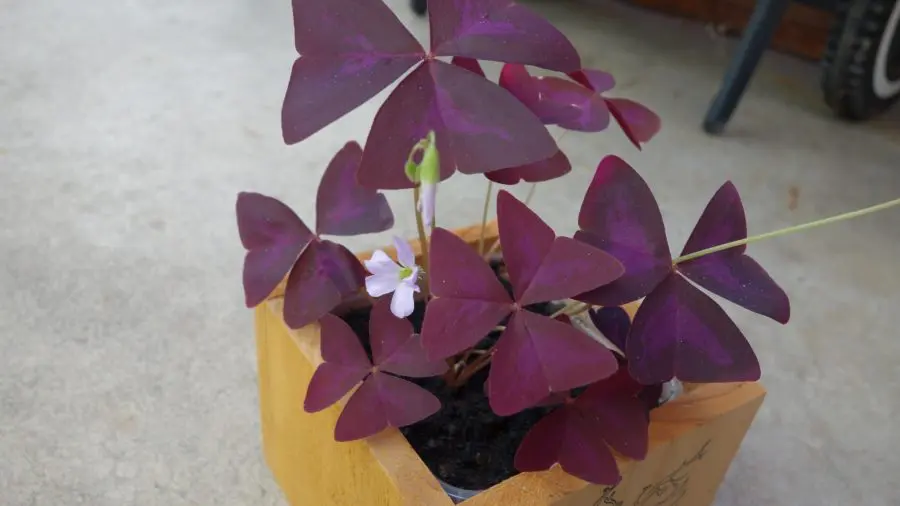
Purple Shamrock Plant Care is fairly simple once you understand the growing cycle of Oxalis triangularis. Give it bright indirect light, a well-draining growing medium, and water when the top begins to dry.
Purple Shamrock stands out from ordinary green houseplants with its deep purple, triangular leaves and delicate white or pale pink flowers. The leaves can even fold downward at night and reopen when light returns, giving this small houseplant plenty of personality.
In this guide, I’ll show you how to care for Purple Shamrock indoors, including light, watering, coco coir and perlite, temperature, humidity, dormancy, propagation, pruning, pests, and common growing problems.
What You’ll Learn
- How much light Purple Shamrock needs indoors
- When and how to water Oxalis triangularis
- How I use coco coir and perlite as a growing medium
- Temperature and humidity requirements
- What happens when Purple Shamrock goes dormant
- How to plant and divide Purple Shamrock corms
- How to propagate new plants
- How to recognize common watering and pest problems
- What you should know about Purple Shamrock and pets
Quick Answer
Grow Purple Shamrock in bright, indirect light and a well-draining growing medium. Water when the top begins to dry, but don’t leave the roots sitting in soggy conditions. I like a 1:1 mix of coco coir and perlite. Fertilize lightly while the plant is actively growing, and don’t be alarmed if the foliage dies back during dormancy. The underground corms can produce new growth when the plant becomes active again.
Purple Shamrock Plant Care at a Glance
| Care Requirement | What Purple Shamrock Needs |
|---|---|
| Botanical Name | Oxalis triangularis |
| Plant Type | Perennial grown from underground corms |
| Mature Size | About 6–12 inches tall and 12–18 inches wide |
| Light | Bright, indirect light; tolerates partial shade |
| Water | Water when the top of the growing medium begins to dry |
| Growing Medium | Well draining; I use a 1:1 coco coir and perlite mix |
| Temperature | About 59–81°F |
| Humidity | Moderate humidity; average household conditions are usually suitable |
| Fertilizer | Light feeding during active growth |
| Dormancy | Foliage may die back during a rest period and regrow from the corms |
| Propagation | Division of corms is the easiest method |
| Pet Safety | Contains soluble oxalates; keep away from cats and dogs |
| Common Problems | Overwatering, root rot, spider mites, aphids, and confusing normal dormancy with plant decline |
Purple Shamrock Indoor Care

The Purple Shamrock plant, scientifically known as Oxalis triangularis, is a captivating perennial native to South America.
The popular common name for this plant is false shamrock but it is also called Love Plant, and Purple Wood Sorrel.
With its deep maroon, trifoliate leaves resembling a shamrock and delicate white or pale pink flowers, this plant brings a touch of elegance and charm to any space.
Purple Shamrock Plant Care Reference Guide
| Characteristic | Details |
|---|---|
| Common Name | Purple Shamrock, False Shamrock, Love Plant |
| Botanical Name | Oxalis triangularis |
| Native Habitat | South America (Brazil, Paraguay, Argentina) |
| Plant Type | Perennial, bulb/corm-based houseplant |
| Growth Pattern | Compact, clumping, spreads via bulbs (corms) |
| Mature Size | 6–12 inches tall, 12–18 inches wide |
| Watering | Water when topsoil is dry; avoid soggy soil |
| Light/Sun Exposure | Bright, indirect light; tolerates partial shade |
| Soil Type | Well-draining potting mix with perlite or coco coir |
| Soil pH | Slightly acidic to neutral (6.0–7.0) |
| Temperature | 59–75°F (15–24°C), avoid frost |
| Humidity | Prefers moderate humidity, average household is fine |
| Bloom Time & Flower Color | Spring–Summer; white to pale pink flowers |
| Potential Problems | Overwatering (root rot), spider mites, aphids, dormancy confusion |
| Repotting | Every 2–3 years or when overcrowded; divide bulbs |
| Hardiness Zones (USDA) | 8a–11 (often grown as a houseplant elsewhere) |
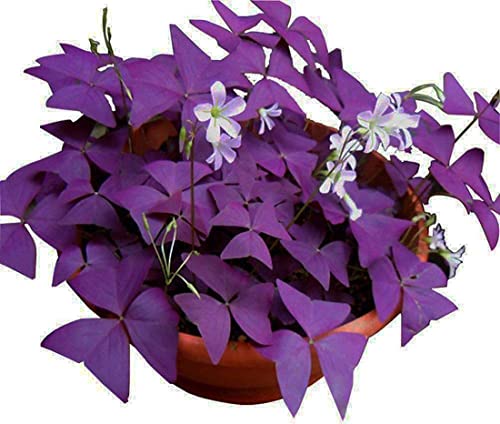
See Purple Shamrock Plants on Amazon
Hardiness Zone
Often grown as a houseplant, the Purple Shamrock can also be found outdoors in USDA climate zones 8a–11, typically thriving in partial shade.
Proper care for your Oxalis triangularis is essential to ensure its health and longevity.
By providing the right balance of lighting, watering, temperature, and soil conditions, you’ll be able to maintain the plant’s vibrant foliage and consistent blooming.
Additionally, a well-cared-for Purple Shamrock is more resistant to pests and diseases, making it a hassle-free addition to your indoor garden.
Purple Shamrock Plant Benefits

Are you ready to dive into the wonderful world of Purple Shamrock plant benefits?
This enchanting false shamrock plant not only adds a pop of color and elegance to your home but also boasts a range of perks that will leave you wondering why you didn’t add it to your indoor garden sooner.
From air purification to mental health benefits, let’s explore the many reasons why the Purple Shamrock plant is an all-around fantastic choice for your home.
Aesthetic Appeal: Captivating Beauty
The Purple Shamrock plant is a true showstopper with its deep maroon, trifoliate purple leaves and delicate 5 petal white flowers, and occasionally it can produce light pink flowers.
This vibrant houseplant adds a touch of elegance to any room, making them a popular choice of indoor plants for those seeking to elevate their indoor garden’s visual appeal.
The unique shape and color of its foliage create an eye-catching contrast against other green plants, turning heads and sparking conversations.
Air Purification: Breathing Easier
Who doesn’t love a plant that not only looks stunning but also helps purify the air?
The Purple Shamrock plant is known to help remove common indoor air pollutants, contributing to a cleaner and fresher atmosphere in your home.
As a natural air purifier, this charming plant makes it easier for you to breathe and enjoy your indoor space.
Mental Health Benefits: A Boost of Happiness
Caring for plants, including the enchanting Purple Shamrock, can have a positive impact on our mental health.
The process of nurturing and watching a plant grow is known to reduce stress, anxiety, and even feelings of loneliness.
By adding a Purple Shamrock to your indoor garden, you’re not only enhancing your home’s aesthetics but also investing in your emotional well-being.
Symbolism and Cultural Significance: Rich History
The Purple Shamrock plant holds a special place in cultural history and symbolism.
Although not a true shamrock like the plants from the Trifolium genus, its trifoliate leaves resemble the iconic symbol associated with Ireland and St. Patrick’s Day.
In various cultures, the shamrock represents good fortune, making the Purple Shamrock an interesting conversation starter and a charming addition to your collection of houseplants.
Purple Shamrock Plant Indoor Care

Ready to embrace the rewarding journey of Purple Shamrock plant indoor care?
Caring for this stunning Oxalis triangularis is a breeze, and we’re here to guide you every step of the way.
In this section, we’ll delve into the essentials of nurturing your captivating houseplant, from providing the perfect growing conditions to addressing its unique needs.
So, let’s get started and embark on a delightful adventure that will help you grow a thriving and enchanting Purple Shamrock in the comfort of your home.
Ideal Growing Conditions: A Happy Home
To help your Purple Shamrock plant thrive indoors, it’s essential to recreate its preferred natural environment.
Oxalis triangularis enjoys bright, indirect sunlight, which can be provided through a well-lit windowsill or by using artificial grow lights.
Maintaining a cool indoor temperature of around 15 °C (59 °F) is also beneficial, although the plant can tolerate higher temperatures as long as they don’t exceed 27 °C (81 °F) for extended periods.
Watering and Feeding Requirements: Quenching Its Thirst
Purple Shamrocks appreciate consistent moisture but dislike sitting in soggy soil. To strike the right balance don’t use too much water.
Water your plant when the topsoil appears dry, ensuring that the excess water drains away.
During the growing season, you can also provide your plant with a diluted, balanced liquid fertilizer every few weeks to encourage growth and flowering.
Regular Maintenance and Pruning: Keeping It Tidy

To keep your Purple Shamrock plant looking its best, regular maintenance and pruning are crucial.
Remove any dead foliage or yellowing leaves to promote healthy growth and prevent diseases.
If the plant starts to look leggy or overgrown, you can trim it back to maintain its compact shape.
Remember to always use clean, sharp pruning shears to avoid damaging the plant.
Winter Care and Dormancy: Time to Rest
Oxalis triangularis naturally enters a period of dormancy during winter.
As the days get shorter and cooler, you may notice your plant’s growth slowing down and its leaves beginning to drop.
This is entirely normal! Reduce watering during this time, allowing the soil to dry out slightly between waterings.
You can also move your Purple Shamrock to a cooler, darker spot in your home to help it conserve energy.
Once spring arrives, your plant will awaken from dormancy, ready to resume its vibrant growth.
Purple Shamrock Bulbs

Curious about the magic of Purple Shamrock bulbs?
These little wonders hold the key to creating new Oxalis triangularis plants for your home or to share with friends and family.
In this section, we’ll uncover the secrets of working with Purple Shamrock bulbs, from planting and storing to propagating new plants.
So, let’s dive in and unlock the potential of these tiny treasures, as we expand our Purple Shamrock family and spread the joy of this enchanting plant!
Types of Bulbs: Tiny Treasures
Purple Shamrock bulbs, also known as corms, are the small, rounded, underground storage structures from which new Oxalis plants grow.
These bulbs contain all the necessary nutrients and energy for the plant to develop and produce its captivating maroon leaves and delicate flowers.
Proper Storage and Care: Safeguarding Potential
To ensure successful growth, it’s essential to store your Purple Shamrock bulbs properly before planting.
Keep them in a cool, dark, and dry place, such as a garage or basement, to prevent premature sprouting or rotting.
Storing the bulbs in a breathable container, like a paper bag or a cardboard box filled with peat moss, can help maintain the ideal environment and protect them until it’s time to plant.
Planting and Spacing: Giving Them Room to Grow
When you’re ready to plant your Purple Shamrock bulbs, choose a new pot with adequate drainage holes and fill it with a well-draining potting mix.
Plant the bulbs about 1-2 inches deep, with the pointed end facing upward.
Space the bulbs approximately 3-4 inches apart to ensure they have enough room to grow and develop a healthy root system.
When to Plant Bulbs: Timing Is Everything

The best time to plant Purple Shamrock bulbs indoors is during the early spring, as this aligns with the plant’s natural growth cycle.
By planting the bulbs in the spring, you’ll provide your new Oxalis triangularis plants with the optimal conditions to grow and flourish, eventually rewarding you with their alluring foliage and charming blooms.
Oxalis Triangularis Lighting
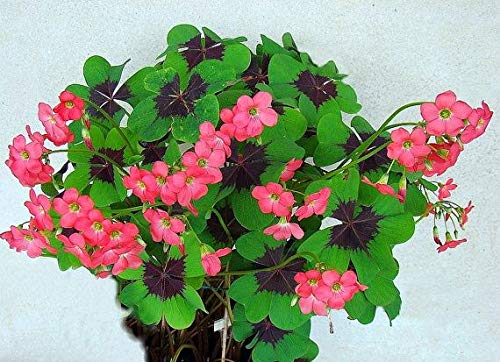
Eager to learn the secret to keeping your Purple Shamrock plant vibrant and happy? It’s all about the lighting!
In this section, we’ll explore the ins and outs of Oxalis triangularis lighting, guiding you through the best practices to ensure your plant receives the perfect amount of sunlight.
So, let’s shine a bright light on this essential aspect of Purple Shamrock care, and help your captivating houseplant bask in its ideal environment.
Light Requirements for Growth: Striking the Balance
Oxalis triangularis thrives in bright, indirect light.
While it appreciates plenty of light, it’s important to protect your Purple Shamrock plant from direct, harsh sunlight, which can damage its delicate leaves.
By providing the right balance of light, you’ll promote healthy growth and beautiful foliage.
How to Provide Optimal Lighting Indoors: Perfect Placement
To ensure your Purple Shamrock plant receives optimal lighting indoors, place it near a bright window with filtered sunlight, such as an east or west-facing window.
If your home doesn’t have an ideal spot with natural light, you can use sheer curtains to diffuse the sunlight or place the plant a bit further away from the window to protect it from direct rays.
Sunlight vs Artificial Lighting: Flexibility for Your Plant
While natural sunlight is ideal for Oxalis triangularis, artificial lighting can also be a viable option, especially during winter months or in homes with limited natural light.
Using grow lights or fluorescent bulbs can provide the necessary light intensity for your Purple Shamrock plant to grow and thrive.
Be sure to maintain a consistent schedule, mimicking natural daylight patterns, to avoid disrupting the plant’s growth cycle.
Effects of Harsh Sunlight on Leaves: Protecting Your Plant
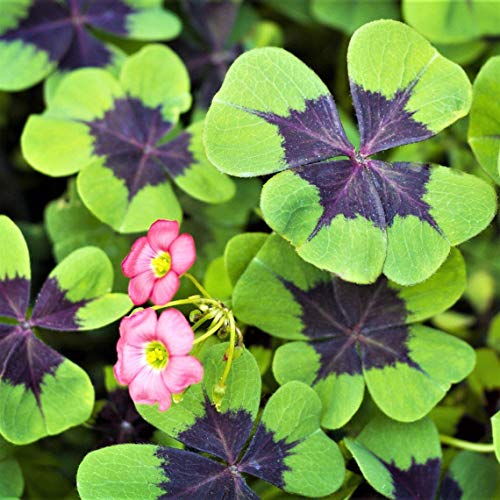
Exposing your Purple Shamrock plant to harsh, direct sunlight can cause the leaves to become scorched, wilt, or even die.
The delicate foliage is particularly susceptible to sunburn, which can result in unsightly brown or bleached spots.
To maintain the health and appearance of your plant, always protect it from direct sunlight and monitor its environment for any signs of stress or damage.
Purple Shamrock Watering
Wondering how to quench your Purple Shamrock plant’s thirst without overdoing it? You’re in the right place!
In this section, we’ll dive into the art of watering your Oxalis triangularis, sharing tips and tricks to keep your plant perfectly hydrated.
So, grab your watering can and join us as we explore the essential dos and don’ts of Purple Shamrock watering, ensuring your enchanting houseplant remains healthy and vibrant.
Water Requirements for Optimal Growth: Finding the Sweet Spot
Your Purple Shamrock plant prefers good drainage with consistent moisture without being drenched or waterlogged.
Striking the right balance is crucial for optimal growth, as Oxalis triangularis is sensitive to both overwatering and underwatering.
A good rule of thumb is to water your plant when the topsoil appears dry, ensuring the roots receive ample hydration without becoming soggy.
How to Water the Plant Correctly: Technique Matters
To water your Purple Shamrock plant correctly, water it thoroughly, allowing the water to drain out of the bottom of the pot.
This helps to prevent root rot, a common issue caused by waterlogged soil.
After watering, empty any excess water from the saucer to ensure the plant isn’t sitting in standing water.
Signs of Overwatering and Underwatering: Reading Your Plant’s Signals
It’s essential to recognize the signs of overwatering and underwatering, as both can negatively impact your Purple Shamrock plant’s health.
Overwatered plants may display yellowing leaves, a mushy stem, or root rot, while underwatered plants often exhibit wilted or crispy leaves.
By paying close attention to these signals, you can adjust your watering routine to better suit your plant’s needs.
Importance of Well-Draining Soil: Laying the Foundation
Using well-draining soil is vital for maintaining the perfect moisture balance for your Oxalis triangularis.
A good quality potting mix with ingredients like perlite or coco coir can help to improve drainage and prevent waterlogging.
Additionally, always choose a pot with drainage holes to allow excess water to escape and protect your plant’s delicate roots.
Temperature and Humidity

Ready to create the perfect cozy environment for your Purple Shamrock plant? Let’s talk about temperature and humidity!
In this section, we’ll discuss the ideal conditions for your Oxalis triangularis to thrive, helping you strike the right balance between warmth and moisture.
So, let’s get started and create a comfortable, inviting home for your Purple Shamrock plant, ensuring it flourishes and brightens your space for years to come.
Ideal Temperature Range: Comfort Zone
The Purple Shamrock plant prefers a temperature range between 15 °C (59 °F) and 27 °C (81 °F) for optimal growth.
While it can tolerate slightly higher temperatures, prolonged exposure to extremes can cause your Oxalis triangularis to enter dormancy prematurely or appear tired and stressed.
How to Maintain Proper Humidity Levels: Balanced Moisture
Oxalis triangularis enjoys moderate humidity levels, similar to the natural humidity found in most homes.
However, if you live in a particularly dry environment, consider placing a tray filled with water and pebbles beneath the plant to create extra humidity, or use a room humidifier to maintain adequate moisture levels.
Effects of Extreme Temperatures on the Plant: Staying Safe
Extreme temperatures can have negative effects on your Purple Shamrock plant.
Exposure to temperatures below 10 °C (50 °F) can cause the plant to enter dormancy or even die, while high temperatures can lead to premature dormancy or stress.
To ensure the health of your Oxalis triangularis, always protect it from temperature extremes and sudden fluctuations.
Tips for Controlling Indoor Climate: Keeping Things Comfy
To maintain the perfect indoor climate for your Purple Shamrock plant, keep it away from drafty windows, heating vents, and air conditioning units that can cause sudden temperature changes.
Monitor the temperature and humidity levels in your home, using tools like a digital thermometer and hygrometer, and make adjustments as necessary to keep your plant comfortable and thriving.
Oxalis Triangularis Soil – Coco Coir and Perlite Mix

Do you want to give your Purple Shamrock plant a happy home in the perfect soil mix?
Let’s talk about the ideal blend of coco coir and perlite for Oxalis triangularis!
In this section, we’ll delve into the benefits of this fantastic soil combination and guide you through creating the ultimate environment for your plant’s roots.
So, let’s put on our gardening gloves and mix up a nourishing, well-draining soil that will help your Purple Shamrock plant thrive and flourish.
Benefits of Using Coco Coir and Perlite: A Winning Combination
Coco coir and perlite are fantastic soil amendments that provide numerous benefits for your Purple Shamrock plant.
Coco coir, derived from coconut husks, improves water retention and aeration, while perlite, a natural volcanic glass, enhances drainage and prevents soil compaction.
Together, they create a well-balanced soil environment that promotes healthy root growth and optimal plant development.
How to Create the Perfect Soil Mix: Crafting Your Blend
To make the ideal soil mix for your Oxalis triangularis, mix together equal parts of coco coir and perlite.
You can adjust the proportions based on your plant’s specific needs, but a general guideline is to use a 1:1 ratio of coco coir, and perlite.
This blend will provide your plant with the right balance of nutrients, water retention, and drainage for a happy, healthy life.
Other Soil Mix Alternatives: Exploring Your Options
While coco coir and perlite are excellent choices for your Purple Shamrock plant, there are other soil mix alternatives to consider.
Vermiculite can be used in place of or in addition to perlite for improved water retention and aeration.
Additionally, adding compost or well-aged manure can enrich the soil with beneficial nutrients and organic matter.
Importance of Proper Soil Composition: Laying the Groundwork
Proper soil composition is crucial for the overall health of your Oxalis triangularis.
A well-balanced soil mix provides the necessary nutrients, water retention, and drainage to support robust root growth and prevent common issues like root rot or nutrient deficiencies.
By investing time and care into creating the ideal soil environment, you’ll set the stage for your Purple Shamrock plant to thrive and flourish.
Purple Shamrock Plant Propagation

Ready to share the beauty of your Purple Shamrock plant with friends or expand your own collection?
Then, let’s dive into the exciting world of Oxalis triangularis propagation!
In this section, we’ll explore the various methods you can use to multiply your gorgeous Purple Shamrock plants.
With a little patience and know-how, you’ll soon have plenty of these stunning plants to enjoy and share with your loved ones.
So, let’s get started on this rewarding propagation journey!
Propagation Methods: Multiplying Your Beauties
There are two main methods for propagating Purple Shamrock plants: dividing the bulbs (rhizomes) and growing from seeds.
Dividing the bulbs is the most common method and produces new plants with the same characteristics as the parent plant.
Seeds are another option, but they will take longer to establish and grow into a new plant.
When to Propagate the Plant: Perfect Timing

The best time to propagate your Oxalis triangularis is during its dormancy period, typically in late fall or early winter.
This is when the plant’s growth slows down, making it less stressful for both the parent and the new plants.
However, if you notice the plant becoming overcrowded in its pot, you can also propagate it at other times of the year with extra care.
Steps for Successful Propagation: A Guided Journey
For bulb division, gently remove the plant from its pot, shake off excess soil, and carefully separate the bulbs.
Replant the divided bulbs in a well-draining soil mix, maintaining the same depth as they were previously growing.
Caring for the New Plants: Nurturing Beginnings
Treat your newly propagated Purple Shamrock plants with extra care, providing them with optimal growing conditions like indirect sunlight, proper watering, and well-draining soil.
Monitor their progress and adjust care as needed, ensuring they receive the nutrients and attention they need to grow strong and healthy.
With patience and love, your new Oxalis triangularis plants will flourish with new growth and brighten your home or garden.
Shamrock Plant Problems
As enchanting as Purple Shamrock plants can be, they may occasionally face a few challenges.
Don’t worry, we’re here to help you identify and tackle these common issues!
In this section, we’ll discuss the most common problems that can affect Oxalis triangularis, and provide you with practical solutions to keep your plant healthy and vibrant.
Armed with this knowledge, you’ll be ready to handle any curveballs that come your way and ensure your Purple Shamrock continues to thrive.
Common Issues and How to Address Them: Troubleshooting Tips
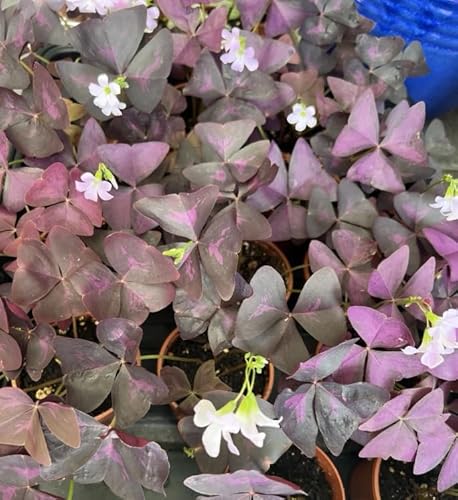
Some common problems faced by Purple Shamrock plants include yellowing leaves, wilting, and pests.
Yellowing leaves may indicate overwatering or inadequate lighting, while wilting can result from underwatering or extreme temperatures.
Pests like spider mites, aphids, and mealybugs may also attack your plant. To address these issues, adjust your plant’s care routine accordingly and use insecticidal soap or neem oil to manage pests.
Signs of Plant Stress: Detecting Trouble
Be vigilant for signs of stress in your Purple Shamrock plant, which can include drooping or discolored leaves, slowed growth, or a lack of flowering.
Identifying these signs early on allows you to take corrective action before any significant damage occurs.
Remember that some leaf movement and dormancy are normal, so don’t be alarmed if your plant’s leaves close up at night or it enters a rest period.
How to Prevent Common Problems: Proactive Care
Preventing common problems starts with providing the proper care for your Oxalis triangularis.
Ensure your plant receives adequate light, well-draining soil, and a balanced watering schedule.
Regularly inspect your plant for signs of pests or disease, and take prompt action if needed.
By staying attentive to your plant’s needs and addressing issues early, you can keep your Purple Shamrock healthy and thriving.
Pests and Diseases

Every plant owner wants to keep their green friends free from harm, and Purple Shamrock plants are no exception.
In this section, we’ll delve into the world of pests and diseases that could potentially affect your beloved Oxalis triangularis.
We’ll discuss common culprits, how to identify them, and the best ways to keep these unwelcome guests at bay.
With the right knowledge and care, you can protect your Purple Shamrock from harm and keep it thriving in your home or garden.
Common Pests and How to Treat Them: Effective Solutions
Some common pests that may infest your Purple Shamrock plant include spider mites, aphids, and mealybugs.
To treat these pests, first, try removing them with a gentle spray of water or by wiping the leaves with a damp cloth.
If the infestation persists, consider using insecticidal soap, neem oil, or a diluted rubbing alcohol solution to target the pests without harming your plant.
Diseases Affecting the Purple Shamrock: Staying Vigilant
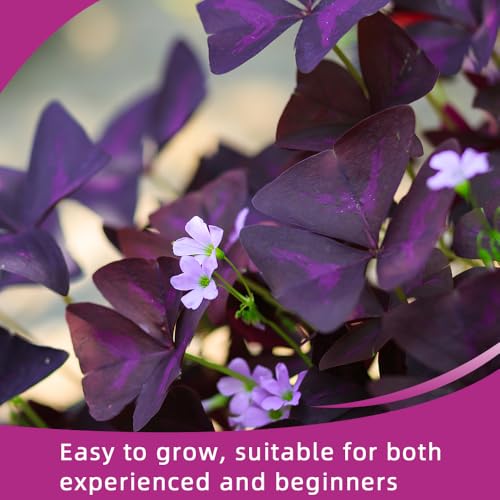
While Oxalis triangularis is relatively resistant to diseases, it can still be affected by fungal infections like root rot, which is often caused by overwatering or poorly draining soil.
To address this issue, reduce watering frequency, improve soil drainage, or consider repotting your plant in fresh, well-draining soil.
Powdery mildew is sometimes a problem fungal disease with a white powdery coating on the leaves.
A solution of baking soda and water is a popular home remedy for this.
Preventative Measures and Treatments: Nipping Problems in the Bud
To keep your Purple Shamrock plant healthy and pest-free, implement preventative measures like regular inspection, proper watering, and good air circulation.
Ensure your plant receives the right care and promptly address any signs of distress.
In case of disease, isolate the affected plant from others and treat it with appropriate fungicides or other treatments as needed.
Organic and Chemical Pest Control Options: Choose Wisely
When dealing with pests, you can opt for organic or chemical pest control methods.
Organic options like insecticidal soap, neem oil, or beneficial insects (e.g., ladybugs) are often preferred as they tend to be less harmful to the environment and your plant.
However, in severe infestations, chemical pesticides may be necessary. Always follow the product instructions and use caution when applying any pest control products to your Purple Shamrock plant.

Is Purple Shamrock Toxic to Pets?
Yes. Purple Shamrock (Oxalis triangularis) should be kept away from cats and dogs. The ASPCA lists Oxalis species, commonly called Shamrock Plant, Good Luck Plant, or Sorrel, as toxic to cats, dogs, and horses.
Purple Shamrock contains soluble calcium oxalates. If a pet eats a small amount, signs can include stomach upset, drooling, and head shaking. More serious problems are possible if a large amount of the plant is eaten.
The easiest precaution is to keep your Purple Shamrock somewhere your pets can’t reach it. A high plant shelf or another protected growing area can let you enjoy the colorful foliage without giving a curious cat or dog easy access to the leaves.
If you suspect your pet has eaten Purple Shamrock, contact your veterinarian or the ASPCA Animal Poison Control Center for advice rather than waiting for symptoms to develop.
Pet Safety Reference
Purple Shamrock FAQs
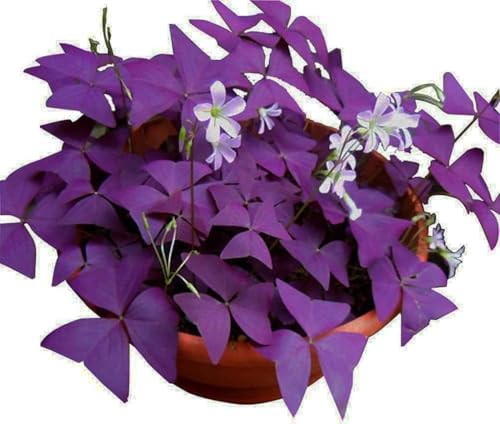
How do you take care of a Purple Shamrock?
Give your Purple Shamrock bright, indirect light and a well-draining growing medium. Water when the top begins to dry rather than keeping it constantly wet. Fertilize lightly during active growth, remove old or damaged foliage as needed, and reduce watering if the plant enters dormancy.
Does Purple Shamrock like sun or shade?
Purple Shamrock does best in bright, indirect light and can tolerate partial shade. Indoors, a bright east- or west-facing window can work well. Protect the leaves from harsh direct sunlight that can cause scorching or faded areas.
How often should I water Purple Shamrock?
Check the growing medium rather than watering on a fixed schedule. Water thoroughly when the top begins to feel dry, and allow excess water to drain from the pot. Purple Shamrock likes moisture while actively growing but doesn’t like sitting in a soggy growing medium.
Why is my Purple Shamrock drooping?
Drooping can happen when the plant becomes too dry, but don’t confuse normal leaf movement with a watering problem. Purple Shamrock leaves naturally fold downward at night and open again in response to light. Check the growing medium before deciding that the plant needs water.
Why are my Purple Shamrock leaves turning yellow?
Yellow leaves can be a sign that the growing medium is staying too wet, especially if several leaves are declining at once. Check the moisture level and drainage before watering again. Individual older leaves can also yellow naturally and can simply be removed.
Does Purple Shamrock go dormant?
Yes. Oxalis triangularis can enter a dormant period when growth slows and the foliage dies back. This doesn’t necessarily mean you’ve lost the plant. Reduce watering while it is resting. The underground corms can produce fresh foliage when active growth resumes.
Should I cut back my Purple Shamrock?
You can remove yellow, damaged, or dead foliage whenever necessary. If the plant becomes leggy or untidy, trimming it back can encourage a cleaner, more compact appearance. Foliage that dies back during dormancy can also be removed.
How do you propagate Purple Shamrock?
Dividing the underground corms is the easiest way to propagate Purple Shamrock. Carefully remove the plant from its container, separate some of the corms, and replant them in a well-draining growing medium. Division is also useful when an established plant becomes crowded.
Can Purple Shamrock grow indoors year-round?
Yes. Purple Shamrock makes an excellent indoor plant when it receives enough light and proper watering. It may still experience a dormant period even when grown indoors, so don’t assume the plant is dying if its foliage temporarily disappears.
Purple Shamrock Plant Care Final Thoughts
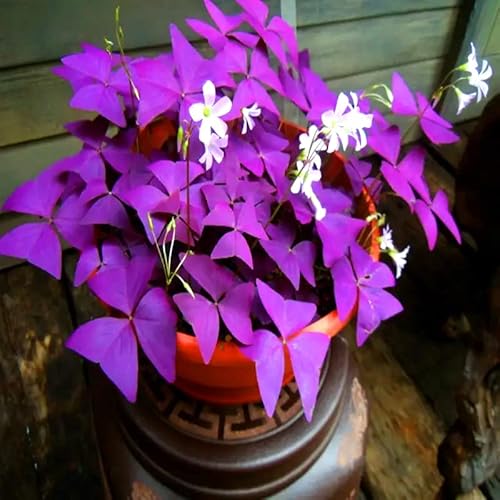
Purple Shamrock is one of those houseplants that can add something completely different to your indoor garden. The deep purple foliage stands out among green houseplants, while the small white or pale pink flowers add even more interest when the plant is blooming.
The basic care isn’t difficult. Give your Oxalis triangularis plenty of bright, indirect light, use a well-draining growing medium, and water when the top begins to dry. I like using an equal mix of coco coir and perlite because it gives the roots a good combination of moisture retention, drainage, and aeration.
Pay attention to the plant rather than relying entirely on a schedule. Purple Shamrock doesn’t like sitting in a soggy growing medium, but it also appreciates consistent moisture while actively growing. Checking the growing medium before watering is the easiest way to find the right balance.
One thing that makes Purple Shamrock a little different from many common houseplants is dormancy. If the foliage begins dying back, don’t automatically assume you’ve killed your plant. The underground corms can remain alive while the plant rests and produce a fresh flush of purple foliage when active growth resumes.
Those corms also make Purple Shamrock easy to propagate. As an established plant becomes crowded, you can divide the corms and start additional plants for your own collection or share them with other plant growers.
Keep an eye out for common problems such as overwatering, root rot, spider mites, and aphids, but don’t mistake the plant’s natural nighttime leaf movement or dormancy for a serious problem. Learning its normal growth habits makes Purple Shamrock much easier to understand.
With the right light, careful watering, good drainage, and a little patience during its resting periods, Purple Shamrock can reward you with colorful foliage and delicate flowers year after year.
Happy growing, and keep it green!
See Purple Shamrock Plants on Amazon
🌿 Indoor Houseplant Growing Guides
Want to fill your home with lush, vibrant greenery? These expert indoor houseplant guides will help you grow everything from exotic blooms to hardy foliage with ease!
- 🌿 Benefits of Keeping Indoor Houseplants (Pillar Guide)
- 🌱 Can You Grow Gladiolus Indoors? 11 Easy Gladioli Growth Tips
- 🍃 Pink Wandering Jew: Easy Nanouk Tradescantia Care
- 🌾 Tī Plant Care Indoors: 7 Proven Tips To Transform Your Space
- 🪴 Rubber Plant Care Indoors: 11 Best Care Tips For Beginners
- 🍀 Ficus Benjamina Indoors: 6 Easy Growth Tips For Beginners
- 🌼 How To Care For Peace Lily Indoors: 13 Easy Care Growth Tips
- 🌹 Bubble Gum Plant Care: 11 Tips And Tricks For Beginners
- 🌺 Hibiscus Plant Care Indoors: 7 Growth Tips For Beginners
- 🍂 Growing Jacob’s Ladder Indoors: Comprehensive Guide
- 🌷 Purple Shamrock Plant Care: 13 Tips And Tricks For Beginners
- 🌿 Creeping Jenny In Pots: 13 Lysimachia nummularia Growth Tips
- 🏡 Vertical Gardening Ideas: Best Small Space Garden Ideas
- 🪴 Chinese Money Plant Care Indoors: 7 Easy Growth Tips
- 🌳 9 Triangle Ficus Care Secrets for a Lush, Healthy Plant
- 🍌 Ice Cream Banana Tree Care: 15 Tip Complete Growth Guide
- 🌱 How to Make a Nerve Plant Thrive: 10 Tips and Tricks
- 🌸 African Violet Care Indoors: 11 Easy Care Tips For Beginners
- 🌺 Alternanthera Party Time Care: 7 Easy Growth Hacks
- 🌼 Geranium Care In Pots: 9 Geranium Growth Tips For Beginners
- 🌿 Purple Velvet Plant Care: 7 Easy Growth Tips And Tricks
- See all articles in our Indoor Houseplants category
 Steve S. is the creator of