
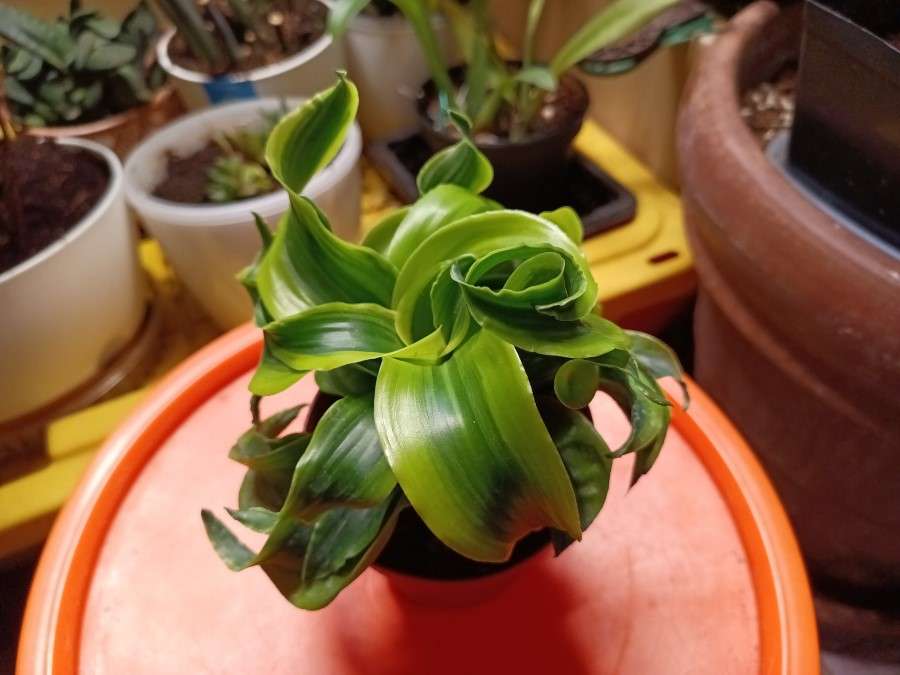
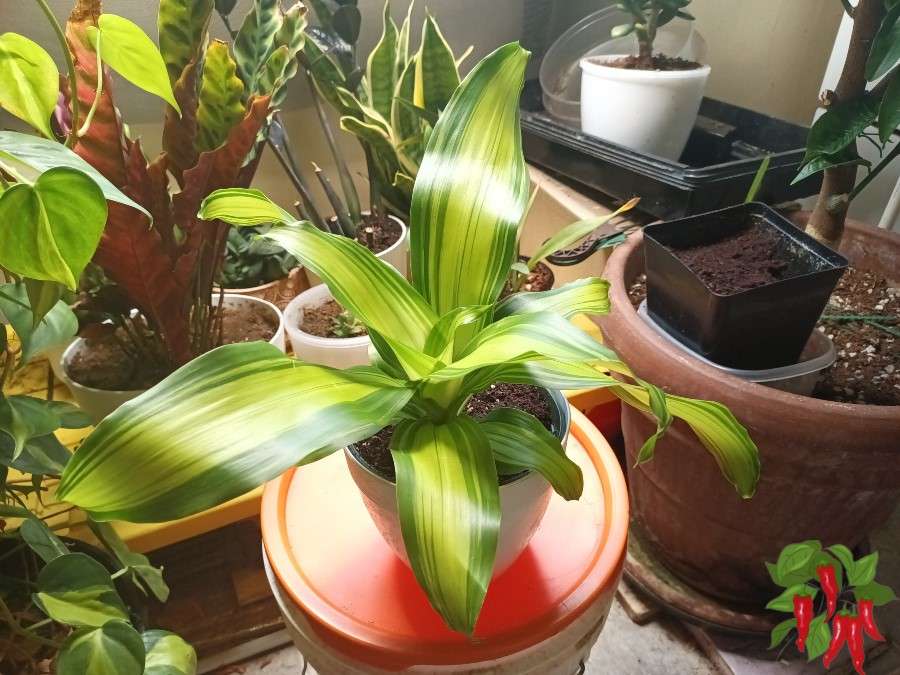
Dracaena Tornado is one of the more unusual Dracaena fragrans varieties I’m growing indoors. Instead of producing the long, fairly straight leaves you see on many Dracaenas, Tornado develops leaves in tight, twisting whorls. Once you see the plant, the name makes a lot of sense.
There’s another reason this Dracaena caught my attention. Tornado stays compact. While some Dracaena fragrans varieties can eventually become 5- or 6-foot floor plants, Tornado grows as a compact rosette and typically stays around 12 to 18 inches tall indoors.
That makes it an interesting choice if you like Dracaenas but don’t have room for a tall cane plant. You can grow Tornado on a table, shelf, plant stand, or other relatively small indoor space while still getting the easy-care qualities that make Dracaenas popular houseplants.
What You’ll Learn
- What makes Dracaena Tornado different from taller Dracaenas
- How large Tornado gets indoors
- How much light I give my plant
- How I water Dracaena Tornado
- Why I don’t use a self-watering planter for this plant
- Why Tornado can be a good Dracaena for apartments and small spaces
Quick Answer: Dracaena Tornado Care Indoors
Dracaena Tornado is a compact Dracaena fragrans that grows best in bright, indirect light but can tolerate lower indoor light. Water it thoroughly and allow the upper portion of the potting mix to dry before watering again. Don’t leave the pot sitting in water. Tornado stays much smaller than the tall cane-forming Dracaenas, typically reaching around 12 to 18 inches tall indoors and developing a dense rosette of twisting leaves.
Dracaena Tornado at a Glance
| Botanical group | Dracaena fragrans ‘Tornado’ |
| Common name | Dracaena Tornado |
| Indoor height | Usually around 12–18 inches |
| Spread | Approximately 14–20 inches as a mature indoor plant |
| Growth habit | Compact, dense rosette with twisting whorls of leaves |
| Light | Bright, indirect light preferred; tolerates lower light |
| Water | Water thoroughly, then allow the upper potting mix to dry |
| Humidity | Normal household humidity is generally adequate |
| Growth rate | Slow |
| Best feature | Twisting foliage and compact size |
| Pet safety | Dracaenas are toxic to cats and dogs if eaten |
Meet My Dracaena Tornado
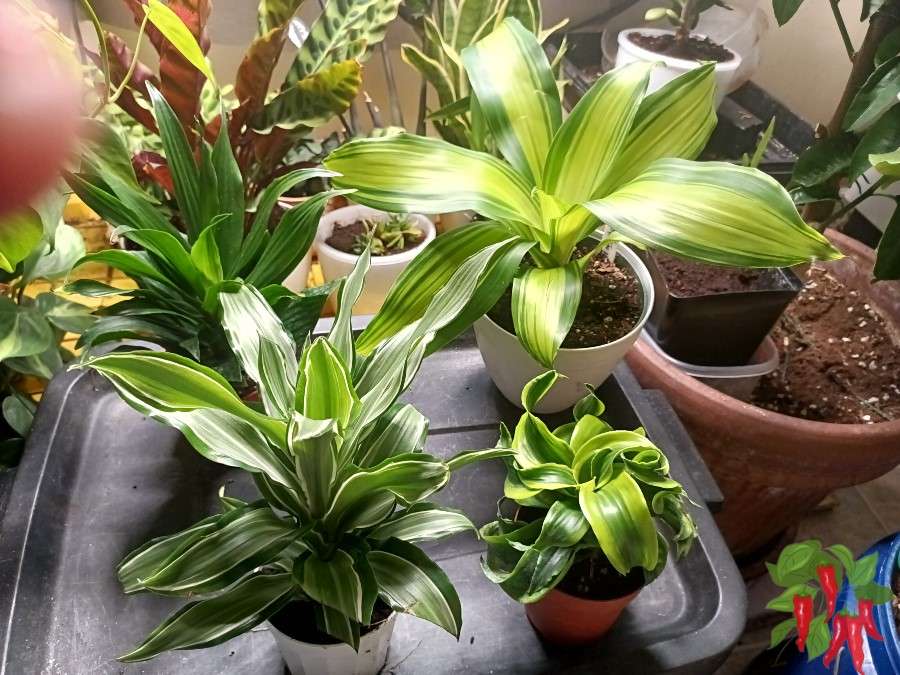
Tornado is part of the group of Dracaena fragrans plants I’m growing and comparing indoors. When you put this plant next to something like a Mass Cane or Golden Heart, however, it doesn’t immediately look like the same kind of Dracaena.
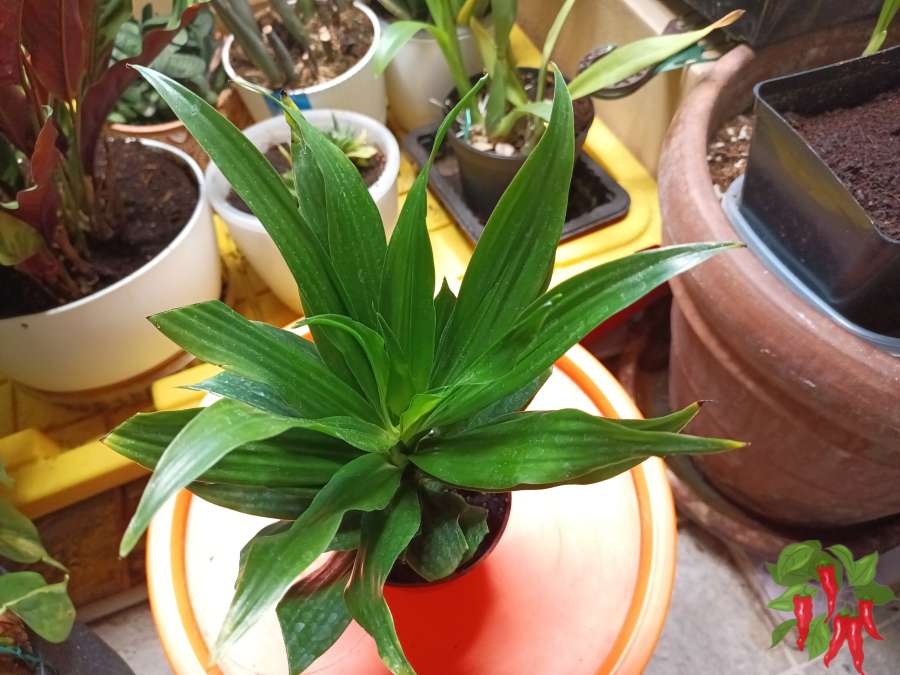
The leaves are the first thing you notice. Instead of simply arching outward, they grow in twisting whorls that give the entire plant a spiraling appearance. That’s where the Tornado name comes from.
xxxx
What interests me just as much is how the plant grows. Tornado doesn’t develop the long, exposed cane you see on many of the taller Dracaena fragrans varieties. Its central stem stays compact while new leaves continue developing in tight whorls.
That difference in growth habit is important. If you’ve seen descriptions suggesting that Tornado will eventually turn into a 5- or 6-foot Dracaena tree, that’s not the plant I’m talking about here. This is the compact Dracaena fragrans Tornado that grows as a dense rosette.
How Big Does Dracaena Tornado Get?
One of the best things about Tornado is that you don’t have to plan for a 6-foot houseplant. A mature indoor Tornado will typically stay around 12 to 18 inches tall. Older plants may occasionally become somewhat larger, but this is a naturally compact Dracaena.
The plant tends to fill out sideways as additional leaves develop. You can expect roughly 14 to 20 inches of spread from a mature plant, although the exact width will depend on age, growing conditions, and the individual plant.
The important difference is that Tornado doesn’t keep elongating upward into a tall cane. It produces new whorls of foliage, so much of its development goes into creating a fuller rosette rather than a taller trunk.
A Dracaena for Small Spaces
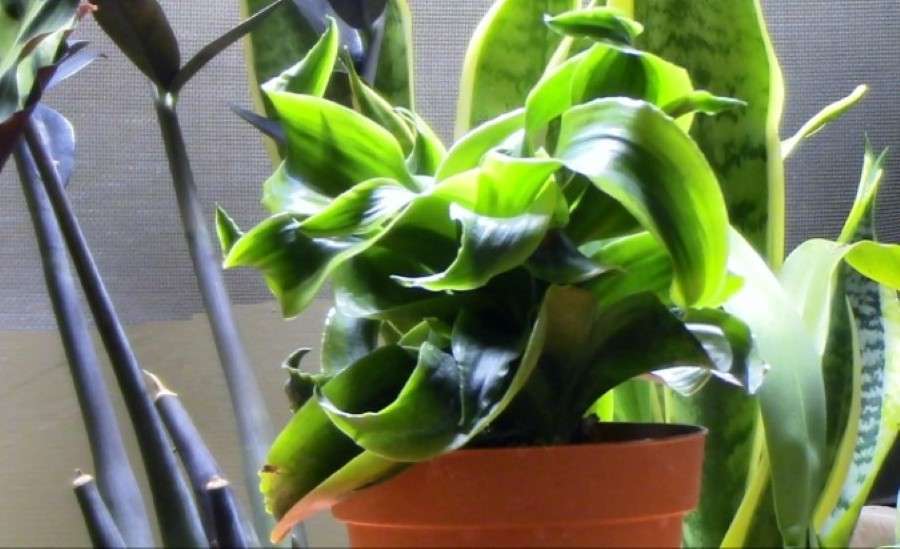
That compact growth makes Tornado especially useful if you’re growing plants in an apartment or another space where every square foot matters.
A Mass Cane can eventually become a substantial floor plant. Tornado gives you the look and easy-care nature of a Dracaena in a plant that can remain on a table, shelf, plant stand, or similar spot.
You also don’t have to wait for the plant to become large before it looks interesting. The twisting foliage gives even a relatively young Tornado plenty of character.
How Much Light Does Dracaena Tornado Need?
I prefer giving my Tornado bright, indirect light. Dracaenas are popular houseplants partly because they tolerate lower light, and Tornado shares that adaptability.
Lower-light tolerance doesn’t mean the plant doesn’t need light. Every green plant needs enough light to photosynthesize. If you put Tornado in a very dark corner, it isn’t going to thrive just because it’s described as a low-light houseplant.
Under lower light, I would expect slower growth, and the foliage may not look as colorful or vigorous. If you have a choice, give it plenty of indirect light.
An east-facing window can be a good location because the plant gets useful light without hours of intense afternoon sun. A north-facing window may also work if it’s bright enough and the plant receives light for much of the day.
I avoid putting mine where it will receive hours of strong direct sun. Tornado doesn’t need full sun to grow well indoors, and intense sunlight can damage the foliage.
How I Water Dracaena Tornado
If there’s one part of Tornado care I pay particular attention to, it’s watering. This is a forgiving plant, but keeping the root zone constantly wet can cause problems.
When my Tornado needs water, I don’t give it a little splash. I water the potting mix thoroughly until excess water begins draining from the bottom of the container.
If the plant is sitting in a saucer, I empty the excess water. I don’t want the bottom of the pot sitting in water after I’ve finished.
Then I wait.
I allow the upper portion of the potting mix to dry before watering thoroughly again. That gives the roots a wet-and-dry cycle instead of keeping them continuously saturated.
How long that takes will depend on your home, the size of the plant and pot, your potting mix, temperature, humidity, and the amount of light the plant receives. That’s why I don’t recommend watering Tornado according to a fixed calendar.
How I Know When Tornado Needs Water
You don’t need anything complicated to figure out when your Dracaena needs water. I usually start by checking the potting mix with my finger. If the upper couple of inches are still moist, I wait.
You can also learn a lot by lifting the pot. A freshly watered container is noticeably heavier than one that has dried down. After you’ve grown the plant for a while, you’ll start getting a feel for how heavy the pot is when it’s getting close to watering time.
I would rather check the plant than say something like, “It’s Saturday, so it’s time to water the Dracaena.” Your plant doesn’t know what day of the week it is.
Light levels also make a difference. A Tornado growing in brighter indirect light will generally use water faster than one growing under lower light. During winter, when growth slows and indoor light levels are lower, the potting mix may take considerably longer to dry.
Why I Don’t Use a Self-Watering Planter for Tornado
If you’ve read some of my other indoor plant guides, you know I like self-watering planters. I use them for plants that appreciate a more consistent supply of moisture, particularly some of my ferns.
Tornado isn’t one of the plants I choose to grow that way.
I want the potting mix around my Dracaena roots to partially dry between waterings. A self-watering planter is designed to keep supplying moisture from a reservoir, which works against the wet-and-dry cycle I’m trying to provide.
I prefer a regular container with drainage holes. I can thoroughly water the entire root zone, allow the excess to drain away, and then leave the plant alone until the mix has dried enough for another watering.
Quick Tip: Don’t confuse letting the potting mix partially dry with deliberately keeping the plant dry for long periods. I water thoroughly when the plant needs it. I simply don’t keep the roots continuously wet.
Best Potting Mix for Dracaena Tornado
The potting mix and watering method work together. If you’re using a dense growing medium that stays saturated for a long time, waiting a few extra days between waterings may not solve the underlying problem.
I prefer a loose, well-draining growing medium for my indoor Dracaenas. Coco coir and perlite are ingredients I commonly use because the combination can hold useful moisture while still allowing air and excess water to move through the root zone.
A good commercial indoor potting mix can also work. What matters to me is that the mix doesn’t become a heavy, waterlogged mass around the roots.
Choosing the Right Pot
Tornado is a compact plant, so it doesn’t need an oversized container. I prefer a pot that’s appropriate for the existing root system rather than moving a small plant into a container several sizes larger.
A large volume of unused potting mix can hold moisture for a long time while a small root system is unable to use it quickly. That’s exactly what I’m trying to avoid with this plant.
Whatever container you choose, drainage holes are important. I want to be able to water thoroughly without trapping excess water around the roots.
Temperature and Humidity
Tornado fits nicely into normal household conditions. You don’t need unusually high temperatures or greenhouse humidity to grow it indoors.
Normal comfortable household temperatures generally work well. I would protect the plant from cold drafts and avoid placing it directly beside heating or air-conditioning vents where temperatures can change quickly.
Average household humidity is also usually adequate. I don’t consider Tornado a plant that requires constant misting or a humidifier just to keep it growing.
That’s another reason Dracaenas make practical houseplants. They can adapt to the conditions that already exist in many homes rather than requiring you to create a special growing environment.
Fertilizing Dracaena Tornado
Tornado is a slow-growing plant, so I wouldn’t try to force rapid growth with a lot of fertilizer. More fertilizer doesn’t automatically mean a better plant.
During active growth, a balanced houseplant fertilizer can be used according to the directions on the product. I prefer a conservative approach rather than continually adding fertilizer to the pot.
Fertilizer salts can accumulate in container-grown plants over time. Thorough watering that allows excess water to drain from the bottom of the pot can help move some accumulated salts out of the growing medium.
If the plant is barely growing during the darker part of winter, there’s little reason to push it with extra fertilizer. I would rather wait until the plant is actively growing again.
Does Dracaena Tornado Need Pruning?
One advantage of Tornado’s compact growth habit is that there isn’t much reason to prune it for size. Unlike a tall cane-forming Dracaena, you’re not dealing with a plant that’s eventually heading toward the ceiling.
Most of the maintenance is simply removing an old or badly damaged leaf when necessary. Otherwise, I would let the rosette develop naturally.
The twisting whorls are what give Tornado its character, so I don’t see any reason to start shaping a healthy plant just for the sake of pruning it.
Dracaena Tornado vs. Tall Dracaena fragrans Varieties
This is where Tornado really separates itself from several of the other Dracaena fragrans plants I’m growing.
Mass Cane and Golden Heart can develop into taller plants with cane-like stems and foliage held higher above the floor. They’re good choices when you want an upright floor plant and have vertical room available.
Tornado fills a different role. Its stem doesn’t continue elongating into a tall cane. New foliage develops in whorls, maintaining the compact rosette that gives the plant its distinctive shape.
That means choosing between Tornado and one of the taller varieties isn’t really about which one is better. It’s about what kind of plant fits the space you have.
If I want a Dracaena that can eventually become a substantial floor plant, I have other varieties for that. If I want one that can stay around 12 to 18 inches tall and still have plenty of visual interest, that’s where Tornado stands out.
Is Dracaena Tornado a Good Apartment Plant?
I think Tornado is particularly well suited to apartments and smaller indoor spaces. You’re getting a plant with an unusual appearance without committing space to something that may eventually become 5 or 6 feet tall.
Its mature size gives you more placement options. A table, plant stand, shelf with adequate room, or a bright spot near a window can all be possibilities.
The light tolerance helps, too. Bright indirect light is my preference, but Tornado can tolerate lower indoor light as long as you’re still giving it enough light to grow.
Combine that adaptability with its slow growth and compact size, and you have a Dracaena that doesn’t require much space or constant attention.
Common Dracaena Tornado Problems
Dracaena Tornado is a pretty forgiving houseplant. Most of the time, I would look at watering, drainage, and light first if the plant starts looking unhappy. Those basic growing conditions can tell you a lot.
Yellow Leaves
An occasional older leaf turning yellow isn’t automatically a problem. Leaves don’t last forever, and older foliage will eventually decline as the plant produces new growth.
Several yellowing leaves at the same time deserve a closer look. Check the potting mix first. If it stays wet for a long time, you may be watering too frequently or using a growing medium that isn’t draining well enough.
That’s why I don’t automatically reach for the watering can when I see a yellow leaf. I check the plant and potting mix before deciding what it needs.
Brown Leaf Tips
Brown tips are common on Dracaenas and can have more than one cause. Inconsistent watering and accumulated fertilizer or mineral salts are possibilities worth checking.
Dracaenas are also known to be sensitive to fluoride and salts in water. If you’re getting persistent brown tips even though your watering looks good, water quality may be something to consider.
I wouldn’t immediately blame low humidity. Tornado generally adapts well to normal household humidity.
Soft Growth and Constantly Wet Potting Mix
This would concern me more than an occasional brown leaf tip. If the potting mix remains wet for a long time and the plant begins developing soft or declining growth, check the roots and drainage conditions.
Tornado likes moisture when it’s watered, but I don’t keep the roots constantly saturated. Water thoroughly, let the excess drain, and then allow the mix to partially dry before watering again.
Slow Growth
Remember that Tornado is naturally a slow-growing Dracaena. Slow growth by itself doesn’t necessarily mean something is wrong.
If the plant seems to have stopped growing completely during the growing season, however, take a look at its light. Dracaenas can tolerate lower light, but they still need enough light for photosynthesis and healthy growth.
Faded or Less Distinctive Foliage
If the plant is growing in a darker location and the foliage isn’t looking as good as it once did, I’d consider moving it into brighter indirect light.
Low-light tolerance is useful, but I still prefer giving Tornado good indirect light whenever possible.
Is Dracaena Tornado Toxic to Pets?
Yes. Dracaenas are considered toxic to cats and dogs if eaten. The ASPCA identifies Dracaena fragrans as containing saponins. Reported signs after ingestion include vomiting, loss of appetite, increased salivation, and depression. Cats may also develop dilated pupils.
Tornado’s small size can make it easy to place on a table or plant stand, but that doesn’t necessarily put it beyond the reach of a curious cat. If you have a pet that chews plants, choose a location the animal can’t access.
If you believe your pet has eaten part of a Dracaena, contact your veterinarian or an animal poison-control service for advice.
You can find additional information from the ASPCA’s Dracaena fragrans pet-safety information.
Dracaena Tornado FAQs
How tall does Dracaena Tornado get?
Dracaena Tornado is a compact form that typically stays around 12 to 18 inches tall indoors. Unlike taller cane-forming Dracaenas, Tornado maintains a dense rosette rather than developing into a tall tree-like houseplant.
Does Dracaena Tornado grow a tall cane?
No. That’s one of the characteristics that makes Tornado different from many familiar Dracaena fragrans varieties. Its central stem remains compact while new foliage develops in twisting whorls.
Can Dracaena Tornado grow in low light?
Tornado can tolerate lower indoor light, but that doesn’t mean it can grow in darkness. I prefer bright, indirect light. In lower light, you can expect slower growth, and the foliage may not look as good as it does with better light.
How often should I water Dracaena Tornado?
I don’t water Tornado according to a fixed schedule. I check the potting mix and allow the upper portion to dry before watering thoroughly again. How quickly that happens depends on light, temperature, humidity, pot size, and your growing medium.
Can Dracaena Tornado grow in a self-watering planter?
I don’t grow mine in one. I like self-watering planters for plants that prefer more consistent moisture, but I want Tornado’s potting mix to partially dry between thorough waterings.
Does Dracaena Tornado need high humidity?
No special high-humidity setup is usually necessary. Tornado adapts well to ordinary household humidity, which is one reason it makes an easy indoor plant.
Why are Dracaena Tornado’s leaves twisted?
The twisting foliage is a normal characteristic of Tornado. New leaves develop in tight whorls, creating the spiraling appearance that gives the cultivar its name.
Is Dracaena Tornado good for an apartment?
I think it’s particularly well suited to apartments and small spaces. It gives you the look of a Dracaena without eventually becoming a large 5- or 6-foot floor plant. Its slow growth and compact size also make placement easier.
Final Thoughts on Growing Dracaena Tornado Indoors
The thing I like most about Tornado is that it gives you something genuinely different within the Dracaena fragrans group. It’s not simply another corn plant with a different stripe down the leaf.
Those twisting whorls give it an unusual shape, and its compact growth makes it useful in places where one of the taller Dracaenas might eventually become too large.
Care is pretty straightforward. Give it good indirect light, water thoroughly when it needs it, make sure excess water can drain away, and then give the potting mix time to partially dry before watering again.
Most importantly, don’t assume that because Dracaena is described as a low-light plant it doesn’t need light, and don’t keep watering it just because you think houseplants need water every week. Check the plant first.
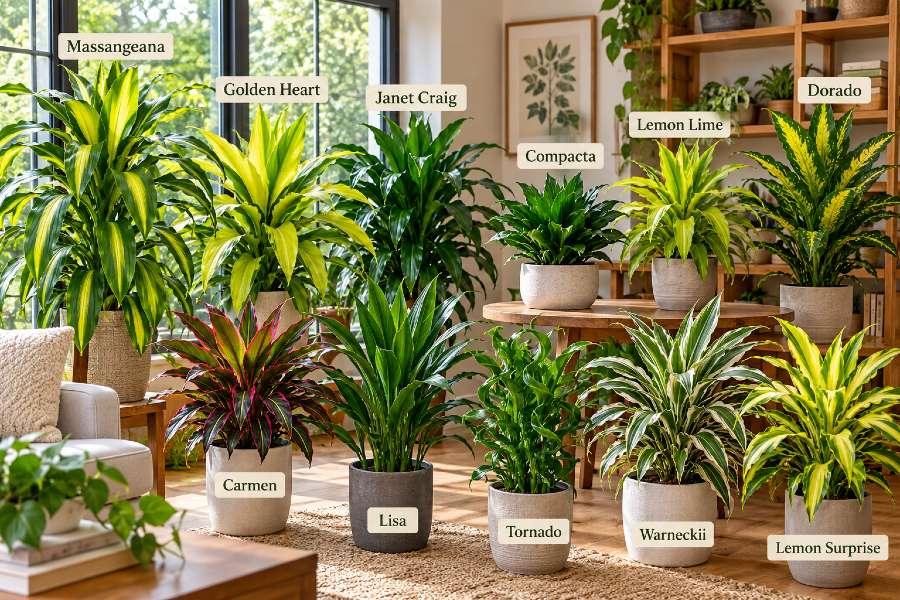
I’m growing Tornado alongside Golden Heart, Mass Cane, Janet Craig, Warneckii, and Lemon Lime. As they grow, I’ll be able to compare all six under my own indoor conditions. Tornado already has one obvious advantage if you’re short on space: this is the Dracaena that stays small.
- Dracaena fragrans Varieties: Corn Plants I Grow Indoors
- Dracaena fragrans Cultivars
- Janet Craig Dracaena Care Indoors
- Warneckii Dracaena Care Indoors: White Jewel
- Dracaena Tornado Care Indoors
- Golden Heart Dracaena Care Indoors
- Dracaena Golden Heart Care
- Mass Cane Plant Care: How to Grow Dracaena Massangeana
- Corn Stalk Dracaena Plant Care
References
- North Carolina State University Extension – Dracaena fragrans
- Clemson Cooperative Extension – Dracaena
- ASPCA – Cornstalk Plant (Dracaena fragrans)
 Steve S. is the creator of