
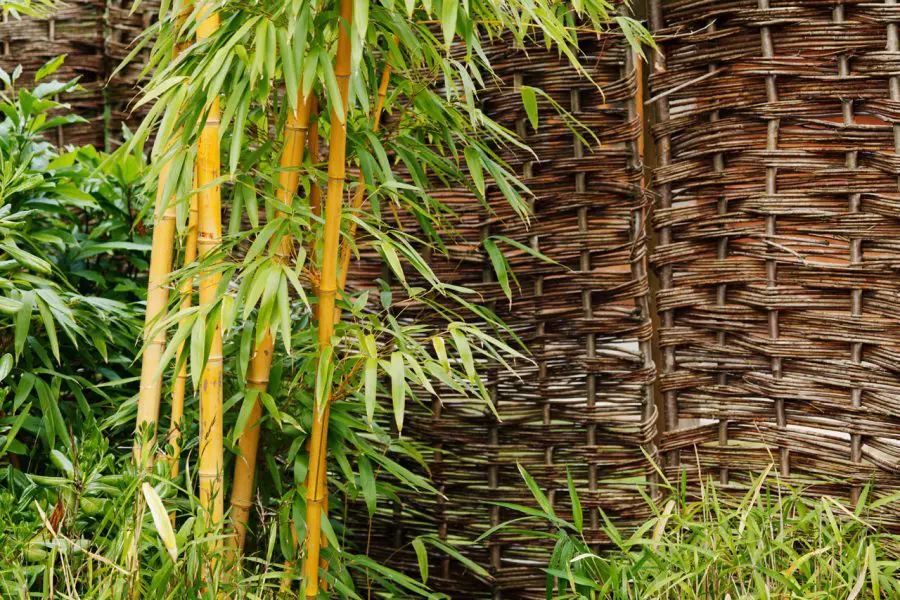
Bamboo Plant Indoor Care
Bamboo Plant Indoor Care starts with one simple question: what kind of “bamboo” do you actually have?
A lot of people think they’re growing true bamboo when they’re really growing lucky bamboo or even a bamboo palm. The care is different, and that’s where most problems begin.
If your leaves are yellowing, the plant looks thin, or it just isn’t growing the way you expected, it’s usually a light or watering issue—not bad luck.
Once you understand the basics of indoor light, moisture, and drainage, bamboo is actually pretty straightforward to grow indoors.
Let’s break it down so you can keep your plant healthy instead of guessing.
What You’ll Learn
- How to tell if your “indoor bamboo” is true bamboo, lucky bamboo, or bamboo palm
- Light, watering, and humidity targets that prevent yellow leaves and weak growth
- The best container + soil setup so roots stay moist but never swampy
- When (and how) to fertilize bamboo indoors without burning it
- Quick fixes for common indoor bamboo problems
Quick check: What “indoor bamboo” do you have?
- Lucky bamboo (Dracaena sanderiana): Often grown in water or rocks. Common desk plant. Not true bamboo.
- Bamboo palm (Chamaedorea seifrizii): A palm with bamboo-like stems. Handles lower light better.
- True bamboo in a pot: Needs brighter light, room to grow, and a container setup that drains well.
If you’re not sure which one you have, look at the stems: lucky bamboo has smooth “canes” with leaf tufts, palms have fronds, and true bamboo has hollow segmented culms and a more grass-like look.
Indoor bamboo care basics (works for most setups)
- Give it bright, indirect light (or gentle morning sun). Dark corners make bamboo stretch and weaken.
- Keep moisture steady—moist, not swampy. The #1 killer indoors is soggy roots.
- Use a pot that drains and a mix that holds moisture without turning to mud.
- Feed lightly during active growth (spring/summer). Don’t hammer it with fertilizer indoors.
- Protect it from drafts and heater blasts. Cold window + hot vent swings = leaf problems.
Caring for Bamboo Indoors
Caring for bamboo indoors is really about control. Outdoors, bamboo has space, airflow, and natural humidity. Inside your house, you’re managing all of that manually.
Most indoor bamboo problems come down to three things: not enough light, poor drainage, or inconsistent watering. Fix those, and 80% of the struggle disappears.
True bamboo varieties need bright light and room to grow. Lucky bamboo can tolerate lower light and even grow in water. Bamboo palms prefer indirect light and steady moisture.
The key is matching the plant type to the environment you actually have — not the environment you wish you had.
Once that’s aligned, bamboo becomes one of the more predictable indoor plants to grow.
Bamboo Plant Indoor Care Introduction
Bamboo Plant Indoor Care sounds simple — and it can be — but only if you understand what you’re actually growing.
Most people treat bamboo like a generic houseplant. That’s where the problems start. True bamboo, lucky bamboo, and bamboo palms all behave differently indoors, especially when it comes to light and water.
Get those basics wrong and you’ll see yellow leaves, weak growth, or constant decline. Get them right and bamboo becomes one of the most reliable, structured plants you can grow inside.
In this guide, we’ll break down exactly how Bamboo Plant Indoor Care works — from choosing the right variety to dialing in light, watering, soil, and long-term maintenance.
Benefits of Growing Indoor Bamboo
When most people think of bamboo, they imagine tall, swaying stalks in a tropical forest. However, bamboo is actually an incredibly versatile indoor plant that can thrive indoors as well.
Here are just a few of the benefits of growing bamboo indoors:
• Air purification: Bamboo plants are natural air purifiers, meaning they can help remove harmful toxins from your indoor environment.
• Aesthetic appeal: Bamboo plants come in a variety of shapes, sizes, and colors, making them a great addition to any home decor.
• Stress relief: Research has shown that simply being around plants can help reduce stress and promote a sense of calm.
• Low maintenance: Unlike some other houseplants, bamboo plants are relatively low maintenance and can thrive with minimal attention.
Types of bamboo plants suitable for indoor care
Not all bamboo plants are created equal, and that’s especially true when it comes to indoor growing and bamboo plant indoor care.
Some bamboo species are better suited for life inside, while others require more space and sunlight than most indoor environments can provide.
In this section, we’ll take a closer look at the types of bamboo plants that are best suited for indoor care, and what makes them unique.
So whether you’re looking for a small and compact bamboo plant to adorn your windowsill or a larger statement piece for your living room, we’ve got you covered!
Types of Bamboo Plants Suitable for Indoor Growing
When it comes to bamboo plants suitable for indoor growing, there are a few species that stand out.
Here are the three most popular types of bamboo plants for indoor growing:
Dwarf Bamboo: As the name suggests, dwarf bamboo is a small variety of bamboo that’s perfect for indoor growing.
It typically reaches a maximum height of 2-4 feet and is well-suited for small spaces.
Lucky Bamboo: The lucky bamboo common name is misleading because it is not actually bamboo, but rather a popular houseplant plant known as Dracaena sanderiana.
It’s a popular choice for indoor growing due to its unique appearance and low maintenance requirements. They are tropical plants and not cold hardy.
Bamboo Palm: While not technically a bamboo plant, the bamboo palm gets its name from its bamboo-like appearance.
It’s a larger plant than the other two types mentioned, but it’s well-suited for indoor growing due to its adaptability to low-light conditions.
Characteristics and Requirements of Each Type of Bamboo Plant
Each type of bamboo plant has its own unique set of characteristics and requirements.
Here are some key things to keep in mind when for providing each type of bamboo plant indoor care:
Dwarf Bamboo: Dwarf bamboo prefers bright light and thrives in warm and humid environments. It’s important to keep the soil moist but not waterlogged and to fertilize the plant every few months.
Lucky Bamboo: Lucky bamboo can be grown in soil or water and prefers bright, indirect sunlight.
It’s important to change the water frequently if growing in water and to fertilize the plant every few weeks. Read more about growing Lucky Bambo in water or soil.
Bamboo Palm: (Chamaedorea seifrizii) Bamboo palms prefer low to moderate light conditions and well-draining soil. Read more about Bamboo Palms
They should be watered regularly, but care should be taken not to overwater the plant. Fertilization is important during the growing season.
Bamboo-like plants are worth growing indoors too
In addition to traditional bamboo plants, there are a couple of other bamboo-like plants that are worth considering for indoor growing: lucky bamboo and heavenly bamboo.
Lucky bamboo, which is actually a member of the lily family, is a popular choice for indoor growing due to its striking appearance and low maintenance needs.
Lucky bamboo is often sold in small, ornamental arrangements and can be grown in just water or in soil.
It’s a great choice for those who want the look of bamboo without the height or space requirements.
Heavenly bamboo, on the other hand, is a shrub that gets its name from its resemblance to bamboo, but is not actually related.
It’s known for its vibrant, evergreen foliage and is a great choice for those looking for a larger statement plant.
Heavenly bamboo is also relatively low maintenance, making it a great choice for indoor growing.
Both lucky bamboo and heavenly bamboo offer unique benefits for indoor growing and can be a great way to add a touch of natural beauty to your home or office.
Even though are not even true bamboo plants although they are still worth growing. Read about 20 Benefits Of Keeping Indoor Plants
Our Top Picks For Bamboo Plant Indoor Care
Black Bamboo Plants(Phyllostachys nigra)
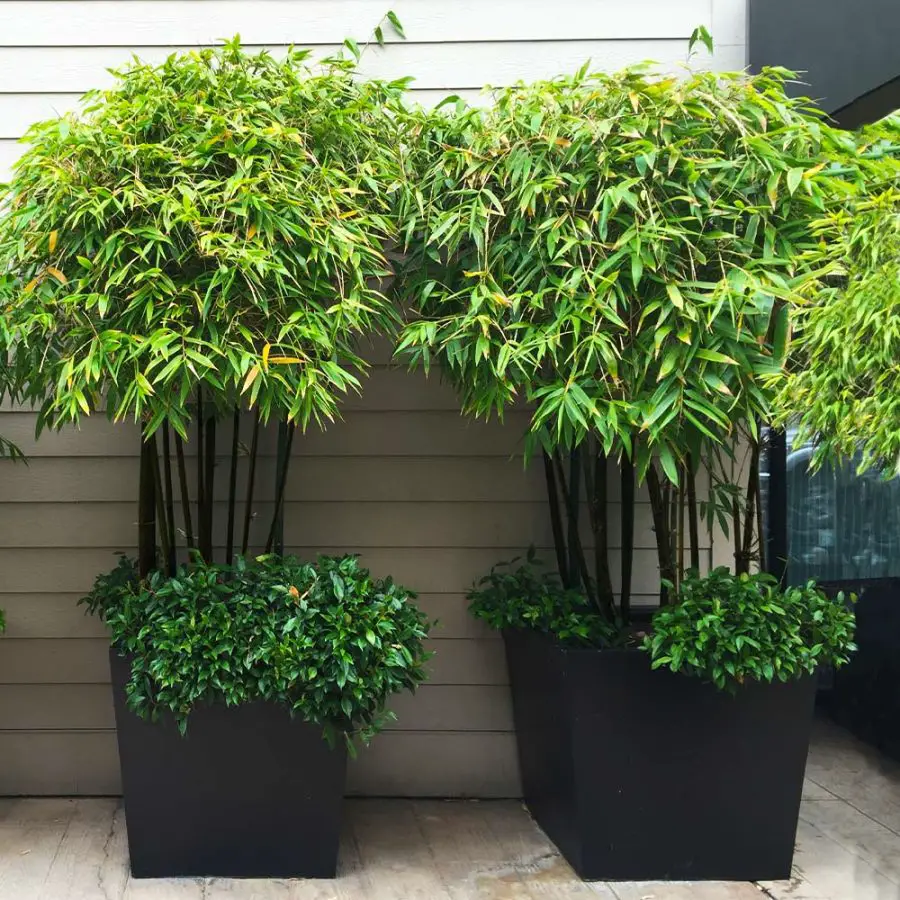
The Black Bamboo plant, scientifically known as Phyllostachys nigra, is a highly desirable choice for both indoor and outdoor gardening due to its unique and fast-growing nature. With its low-maintenance qualities, it’s an ideal option for beginner gardeners who are looking for an easy-to-care-for plant.
One of the most notable features of the Black Bamboo is its incredible hardiness. It can withstand extremely low temperatures, surviving in temperatures as low as 0 degrees Fahrenheit. This makes it one of the most resilient varieties of bamboo and a popular choice for gardeners in colder regions. It can be grown in pots as an outdoor plant and moved indoors during the winter months.
In addition to its resilience, Black Bamboo is also renowned for its striking appearance. The shoots start off green but turn a flat black color in their second year, providing a unique and eye-catching contrast to its deep green foliage. It can serve as a central part of home decor or as a focal point in any garden.

The Black Bamboo is also a rapid and robust grower, typically growing between 10-12 feet per year and eventually reaching a height of 25 feet. Its growth is easy to manage, and it can be trimmed to a desired height.
Many gardeners choose to plant several Black Bamboo plants 3-5 feet apart to create a privacy screen.
Overall, the Black Bamboo plant is a fantastic addition to any garden or home, offering both resilience and aesthetic appeal. With all it has going for it it is a great candidate for bamboo plant indoor care.

Read more about Black Bamboo
Multiplex Bamboo (Bambusa Glaucescens ‘Alphonso Karr’)

The Multiplex Bamboo, scientifically known as Bambusa Glaucescens ‘Alphonso Karr’, is an excellent option for those seeking a tropical feel and easy growth without the hassle of invasiveness.
This cold hardy, sub-tropical bamboo is capable of thriving in temperatures as low as 10 degrees Fahrenheit, making it a resilient option for a variety of climates. It prefers bright light and moist soil.
Often referred to as the Hedge Bamboo or Clumping Bamboo, the Multiplex grows at a rapid pace, forming a dense living wall that can reach heights of up to 30 feet in less than two years.
This fast growth, combined with its versatile nature, makes it a great option for creating an exotic privacy fence or planting in a container on a patio.
Its dense, clumping growth makes it ideal for hedging along borders, driveways, and other areas, without the risk of invasiveness.
The yellowish-green Multiplex bamboo is perfect for creating a secluded, island-inspired retreat no matter where it’s grown.
Maintaining your desired height is easy with annual pruning, meaning you won’t have to continuously trim your bamboo to achieve your desired look.
Additionally, the Multiplex is drought-tolerant, requiring little watering, as rain takes care of most of its watering needs.
In summary, the Multiplex Bamboo is a fantastic choice for those looking for a tropical feel with easy growth and versatility.
Its non-invasiveness and cold-hardy nature make it an excellent option for a variety of climates, while its rapid growth and dense, clumping nature make it ideal for creating unique and secluded retreats. Read more about Multiplex Bamboo.
Fernleaf Bamboo (Bambusa multiplex ‘Fernleaf’)

Looking for a unique and low-maintenance plant to add tropical vibes to your yard or even indoors?
Look no further than the Fernleaf Bamboo, a variety of the Multiplex Bamboo plant.
The Fernleaf Bamboo features graceful, thin canes that gather at the base of the plant and produce long, slender, fern-like foliage.
The full branches create a voluminous canopy that offers privacy, shade, and a touch of the tropics, no matter where you plant it.
This compact and clumping bamboo variety offers fast-growing color without the hassle of maintenance.
It thrives in almost any condition, including tough urban soil, and becomes hardy and drought-tolerant once established.
Additionally, it responds well to trimming, making it easy to maintain the perfect height and shape.
When fully mature, the Fernleaf Bamboo reaches a height of just 6-10 feet and a width of 4-6 feet, making it perfect for easy privacy in yards or on patios, or even planted in containers for indoor use.
And the best part? As a clumping variety, it’s less likely to spread where it’s not wanted, ensuring that it stays contained and easy to manage.
Overall, the Fernleaf Bamboo is a fantastic choice for those looking for a low-maintenance and unique tropical hedge.
So why wait? Add some Fernleaf Bamboo to your space today and enjoy the beauty and ease of this stunning plant. Read more about Fernleaf Bambo.
Bamboo plant myths
Hey there! Have you ever heard myths about bamboo plants?
Many people have misconceptions about these plants, and it’s time to set the record straight.
In this blog post, we’ll debunk some common bamboo plant myths and give you the right information to properly care for your indoor bamboo garden.
Let’s get started!
There are many myths and misconceptions surrounding bamboo plants, such as the idea that they are invasive or that they require constant watering.
You could probably write a book debunking some of these common myths and setting the record straight on how to properly care for indoor bamboo plants.
Common myths and misconceptions about bamboo plants
Bamboo plants are beloved for their unique and exotic appearance, as well as their ease of care.
However, there are many myths and misconceptions surrounding these plants that can make bamboo plant indoor care for them confusing.
In this section, we’ll debunk some of the most common bamboo myths and set the record straight on how to properly care for your indoor bamboo plants.
Debunking bamboo myths – Bamboo is invasive
One of the most persistent myths about bamboo plants is that they are invasive and will take over your garden or home.
While it is true that some species of bamboo can be quite aggressive, there are many non-invasive varieties that can be safely grown indoors. Some popular non-invasive species include lucky bamboo and dwarf bamboo.
Bamboo requires constant watering
Another myth about bamboo plants is that they require constant watering and high water levels to thrive.
While it is true that bamboo plants require regular watering, they do not need to be watered every day.
In fact, overwatering can be detrimental to the plant’s health.
A good rule of thumb is to water your bamboo plant once a week, or when the top inch of soil feels dry to the touch.
Bamboo plants are hard to care for
Finally, some people believe that bamboo plants are difficult to care for and require a lot of maintenance.
In reality, bamboo plants are relatively low-maintenance and can thrive with minimal attention.
With proper watering, occasional fertilization, and the right amount of light, your indoor bamboo plant can live for many years.
Setting the record straight on bamboo care
Now that we’ve debunked some common bamboo myths, it’s important to understand the proper care for indoor bamboo plants.
In general, bamboo plants prefer bright, indirect sunlight and should be kept in a well-draining pot with a good-quality potting mix.
They should be watered regularly, but not overwatered, and fertilized every few months with a balanced fertilizer.
Proper bamboo plant indoor care
By understanding the truth about bamboo myths and properly caring for your indoor bamboo plant, you can enjoy the beauty and benefits of these unique plants without any confusion or frustration.
Remember to choose a non-invasive variety, water your plant once a week, and give it plenty of bright, indirect sunlight, and you’ll have a happy and healthy bamboo plant for years to come.
How To Grow Bamboo Indoors
Growing bamboo indoors isn’t complicated — but it is specific.
Outdoors, bamboo spreads roots deep and wide. Indoors, it’s restricted to a container. That means light, drainage, and watering have to be dialed in from the start.
If you choose the right variety, give it strong indirect light, and keep the soil evenly moist without letting it sit in water, bamboo will grow steadily and predictably.
Ignore those basics and it declines fast — usually from root issues long before the leaves show it.
Think of indoor bamboo as a controlled system. When you control light, moisture, and airflow, the plant does the rest.
Light requirements for bamboo plants
Bamboo plants are known for their love of sunlight, but did you know that not all types of bamboo plants require the same amount of light?
In fact, indoor bamboo plants have specific light requirements that can make all the difference when it comes to their health and growth.
In this section, we’ll explore the different light requirements for bamboo plants and offer tips on how to ensure your bamboo thrives in its indoor environment.
Whether you have a bright and sunny windowsill or a darker corner of your home, we’ve got you covered!
Ideal Lighting Conditions for Bamboo Plants
Bamboo plants require a certain amount of light to grow and thrive.
While some types of bamboo plants can tolerate lower light conditions, all types benefit from bright, indirect sunlight.
Ideally, bamboo plants should receive 6-8 hours of sunlight per day.
Strategies for Providing Adequate Light in Indoor Settings
Providing adequate light for your indoor bamboo plants can be a challenge, especially if you don’t have access to a lot of natural light.
Here are a few strategies for ensuring your bamboo plants get the light they need:
Place your bamboo plant near a bright, sunny window. South-facing windows are ideal for providing the most light, but any window that receives at least 6 hours of sunlight per day should be sufficient.
Use artificial lighting. If you don’t have access to natural light, or if the light in your home is not sufficient, you can use artificial lighting to supplement your bamboo plant’s needs.
LED grow lights are a great option for indoor bamboo plants, as they provide the right spectrum of light and are energy efficient.
Rotate your plant. If your bamboo plant is not getting enough light from its current location, try rotating it every few days to ensure that all sides of the plant receive adequate light.
Common Problems Related to Lighting
If your bamboo plant isn’t getting enough light, you may notice a few common problems.
The leaves may turn yellow and drop off, or the plant may become leggy and thin.
On the other hand, if your bamboo plant is getting too much light, the leaves may become scorched or discolored.
It’s important to monitor your plant regularly and adjust its lighting conditions as needed to ensure that it stays healthy and vibrant.
Choosing the right container
Are you considering starting an indoor bamboo garden but feeling a little overwhelmed by all the different container options out there?
Don’t worry – choosing the right container for your bamboo plant is an important decision, but it doesn’t have to be a stressful one.
In this post, we’ll cover the pros and cons of different types of containers, and offer tips on factors like drainage, pot size, and soil mix to consider when making your decision.
With a little bit of knowledge, you’ll be able to choose the perfect container for your indoor bamboo plant in no time!
Choosing the right container:
The container you choose for your bamboo plant can have a big impact on its growth and health.
Here’s a section on the different types of containers available, and the pros and cons of each.
We will also cover topics like drainage, pot size, and choosing the right soil mix.
Importance of choosing the right container
Choosing the right container for your bamboo plant is an important part of keeping it healthy and thriving.
The container you choose can affect everything from how much water your plant gets to how much room its roots have to grow.
In this section, we’ll go over the different types of containers available, the factors you should consider when choosing a container, and the pros and cons of each type.
Types of containers available
There are many different types of containers available, and each has its own unique advantages and disadvantages.
Plastic containers are lightweight and inexpensive, making them a popular choice for many indoor gardeners.
Terracotta and ceramic containers are more decorative and can help regulate moisture levels, but they can be heavier and more fragile.
Bamboo containers are a more eco-friendly option, but they may not be as durable as other materials.
Factors to consider when choosing a container
When choosing a container for your bamboo plant, there are several factors you should consider.
One of the most important is drainage, as bamboo plants can be sensitive to overwatering.
Make sure the pot you choose has a drainage hole in the bottom of the pot.
You’ll also want to choose a pot size that is appropriate for your plant’s current size and growth rate, and make sure to use a soil mix that provides adequate nutrients and drainage.
Pros and cons of different container types
Each type of container has its own pros and cons.
Plastic containers are lightweight and easy to clean, but they may not be as aesthetically pleasing as other materials.
Terracotta and ceramic containers are more decorative and can help regulate moisture levels, but they can be more expensive and may require more maintenance.
Bamboo containers are eco-friendly and biodegradable, but they may not last as long as other materials and may not be as sturdy.
Reap: Choosing the right container for your bamboo plant
Choosing the right container for your bamboo plant is an important part of keeping it healthy and thriving.
By considering factors like drainage, pot size, and soil mix, you can help ensure that your plant has the right conditions to grow and thrive.
Whether you choose a plastic, terracotta, ceramic, or bamboo container, be sure to select one that meets your needs and fits your personal style.
Watering and humidity
When it comes to providing bamboo plant indoor care your bamboo tree is just like any other houseplant, bamboo plants require proper watering and humidity to thrive.
However, the specific watering and humidity requirements for bamboo plants can be a bit trickier to master, especially if you’re new to indoor gardening.
In this section, we’ll dive into the ins and outs of watering and humidity for bamboo plants, offering tips and tricks to keep your plant healthy and happy.
So grab your watering can and let’s get started!
Importance of Proper Watering and Humidity for Bamboo Plants
Bamboo plants require a certain level of moisture to grow and thrive, but it’s important to strike the right balance.
Overwatering or underwatering can lead to a host of problems, including root rot, yellowing leaves, and even plant death.
In addition to proper watering, bamboo plants also benefit from high humidity levels, which can be a challenge in some indoor environments.
Strategies for Maintaining Appropriate Moisture Levels
To ensure your bamboo plant gets the right amount of water and humidity, it’s important to follow a few key strategies. These include:
• Water your plant only when the top inch of soil is dry. Avoid overwatering, which can lead to soggy soil and root rot.
• Providing additional humidity by misting your plant regularly, using a humidifier, or placing a tray of water near the plant is a good idea.
• Using a well-draining soil mix that allows excess water to drain away from the roots.
Signs of Overwatering and Underwatering
Overwatering and underwatering can have similar symptoms, making it difficult to determine which issue is affecting your bamboo plant.
Signs of overwatering include yellow leaves, mushy stems, and a foul odor.
Signs of underwatering include crispy brown leaves and dry, crumbly soil.
Regularly checking the soil moisture level and adjusting your watering habits as needed can help prevent these issues.
Avoiding the Use of Tap Water
Tap water can contain chlorine, fluoride, and other chemicals that can be harmful to bamboo plants.
To avoid these issues, consider using filtered or distilled water instead for the best results. You can also use bottled water or rainwater.
Can bamboo be grown in water?
Bamboo can be grown in water, but it depends on the species of bamboo and the conditions in which it is grown.
Some bamboo species can grow well in water, while others prefer well-drained soil.
In general, bamboo prefers moist soil, but excessive water can lead to root rot and other problems.
It is also possible to propagate bamboo by rooting cuttings in water.
Simply place the cuttings in a container filled with water and change the water frequently until roots develop.
Once the roots are established, the bamboo can be planted in soil.
Overall, bamboo can be grown in water, but it requires careful attention to ensure that the plant is healthy and thriving.
Is lucky bamboo grown in water?
Lucky Bamboo (Dracaena sanderiana) is typically grown in water.
It is a popular houseplant that is often grown in a container filled with water and pebbles or decorative rocks.
The plant is commonly sold as a small arrangement of stalks that have been trained into interesting shapes or braided together.
To grow Lucky Bamboo in water, the stalks should be placed in a container filled with distilled or filtered water, and pebbles or rocks should be added to provide support.
The water should be changed every one to two weeks to prevent the buildup of harmful bacteria and to provide the plant with fresh nutrients.
It is important to note that Lucky Bamboo is not actually bamboo, but rather a member of the Dracaena family.
It is a low-maintenance plant that can thrive in a variety of indoor conditions, making it a popular choice for beginners and experienced gardeners alike.
Soil and fertilization
The soil you use for your bamboo plant is just as important as the watering and lighting conditions for bamboo plant indoor care.
In this section, we’ll cover the ideal soil mix for bamboo plants and offer tips on fertilizing your plant to promote healthy growth.
Whether you’re a seasoned plant parent or new to indoor gardening, understanding the soil and fertilization needs of your bamboo plant can help ensure it thrives in its indoor environment.
So let’s dig in and explore the world of soil and fertilization for bamboo plants!
Soil Requirements for Bamboo Plants
Bamboo plants require a well-draining soil mix that is rich in nutrients.
A good soil mix should be loose, porous, and able to hold moisture without becoming waterlogged.
A mix of potting soil, perlite, and coco coir is ideal for bamboo plants, as it provides good drainage while retaining moisture.
Types of Fertilizers Suitable for Bamboo Plants
Bamboo plants benefit from regular fertilization to support healthy growth and development.
Organic fertilizers, such as fish emulsion, kelp meal, and worm castings, are great options for bamboo plants.
These fertilizers provide a slow-release source of nutrients that won’t burn the plant’s roots.
Using Coco Coir and Perlite Mix Instead of Peat Moss
Coco coir and perlite are great alternatives to peat moss, which can be harmful to the environment.
Coco coir is made from coconut fibers and is an excellent alternative to peat moss.
Perlite, on the other hand, is a lightweight volcanic glass that provides good drainage and aeration to the soil mix.
Tips for Fertilizing Bamboo Plants in Indoor Settings
To keep your bamboo plant healthy and thriving, it’s important to fertilize it regularly. Here are some tips to keep in mind:
• Fertilize your bamboo plant every two to three months during the growing season.
• Use a balanced fertilizer, such as a 10-10-10 or 20-20-20, to provide your plant with the nutrients it needs.
• Apply fertilizer to the soil around the base of the plant, being careful not to get it on the leaves or stems.
Using Slow-Release Fertilizer and Slow-Release Fertilizer Spikes
Slow-release fertilizers are a great option for bamboo plants, as they provide a steady source of nutrients over a longer period of time.
You can also use slow-release fertilizer spikes, which are inserted into the soil around the base of the plant.
These spikes slowly release nutrients into the soil as they dissolve, providing your bamboo plant with a steady source of nutrition.
Pruning and propagation
Pruning and propagation are important aspects of bamboo plant indoor care. Pruning helps to maintain the plant’s shape and size, while propagation allows you to create new plants from your existing ones.
Whether you’re new to gardening or an experienced gardener, learning how to prune and propagate your bamboo plant can be a rewarding experience.
In this section, we’ll cover the basics of pruning and propagation and provide you with tips to help your bamboo plant thrive.
Importance of pruning and propagation for bamboo plants
Pruning and propagation are essential techniques for maintaining the health and beauty of your bamboo plant.
Pruning can help control the size and shape of your plant, preventing it from getting too large or unruly.
Propagation, on the other hand, allows you to create new plants from your existing ones, giving you more options for decorating your home with lush greenery.
Techniques for pruning bamboo plants to control their size and shape
When it comes to pruning your bamboo plant, there are a few key techniques to keep in mind.
• First, you should always use sharp, clean pruning shears to make your cuts.
This will help prevent damage to the plant and minimize the risk of infection.
• Second, you should prune your bamboo plant regularly to keep it from becoming too large or unwieldy.
• Finally, you should focus on removing any dead, diseased, or damaged branches, as well as any branches that are crossing or rubbing against each other.
Strategies for propagating bamboo plants
There are several ways to propagate your bamboo plant, including division, cuttings, and layering.
Division involves separating your entire plant into smaller sections, each of which can be potted up and the new growth will become a new plant.
A good time to do this is when your plant needs to be repotted.
Cuttings involve taking a small section of stem and rooting it in water or soil to create a new plant.
Layering involves burying a section of the stem in the soil while it’s still attached to the parent plant, allowing it to develop roots, and then separating it to create a new plant.
Each of these methods has its own advantages and disadvantages, so it’s important to choose the one that works best for your specific situation.
Common Bamboo Problems and Pest Control
Even with proper bamboo plant indoor care, pests can show up — especially in dry indoor environments.
The two most common issues are spider mites and mealybugs. Neither is unusual, but both should be handled early before they spread.
Spider Mites
Spider mites are tiny and often go unnoticed until you see fine webbing between leaves or speckled yellow discoloration.
They thrive in dry air. If your indoor humidity is low, bamboo becomes an easy target.
What to do: Rinse the leaves thoroughly, increase humidity, and treat with insecticidal soap or neem oil if needed.
Mealybugs
Mealybugs appear as small white cotton-like clusters along stems and leaf joints.
They feed on plant sap and can weaken growth if ignored.
What to do: Remove visible insects with alcohol on a cotton swab and follow up with insecticidal soap.
Prevention
Healthy plants resist pests better than stressed ones.
Maintain proper light, avoid overwatering, provide airflow, and inspect leaves regularly. Catching an issue early makes treatment simple.
When It’s Not Pests
Yellow leaves aren’t always insects. Overwatering, poor drainage, or low light are far more common causes indoors.
Always check soil moisture and root health before assuming a pest problem.
Decorating with bamboo
Bamboo isn’t just a plant — it’s structure. Indoors, it adds height, texture, and movement that most houseplants can’t match.
If you’re using bamboo for décor, think vertical. A tall clumping variety in a simple container works better than scattering small plants around a room.
Bamboo is a popular plant in feng shui, as it is believed to bring good fortune, prosperity, and positive energy into your home.
Although bamboo is often associated with feng shui, proper light and drainage matter more than symbolism.
Where bamboo works best indoors
• Entryways: A tall bamboo near the door makes a clean, architectural first impression.
• Corners with bright indirect light: Bamboo fills empty vertical space without feeling bulky.
• Home offices: It adds greenery without sprawling across your desk.
Using bamboo as a visual divider
Clumping bamboo in large containers can separate spaces in open layouts without building a wall. It softens the room while still creating definition.
Choosing the right type for indoor décor
Lucky bamboo works for small accents.
Bamboo palms handle lower light areas.
True clumping bamboo varieties make the strongest statement — but only if you have the light to support them.
The key is restraint. One strong plant in the right location looks intentional. Too many starts looking like a garden center display.
Best Types of Bamboo Plants for Decorating
If you’re choosing bamboo for indoor decorating, size control matters more than looks. Most true bamboo species outgrow rooms fast unless heavily pruned.
Lucky Bamboo (Dracaena sanderiana) is the safest decorative option. It stays compact, tolerates lower light, and can grow in water or soil. Just remember — it’s not true bamboo, but it behaves well indoors.
Bamboo Palm (Chamaedorea seifrizii) works in larger rooms with moderate light. It gives that bamboo look without aggressive root spread.
Dwarf or Clumping Bamboo varieties can work in large containers, but they need bright light and regular pruning. Indoors, they’re more maintenance than most people expect.
If you’re decorating a normal-sized home, stick with contained growers. Full-size landscape bamboo belongs outside unless you’re managing it aggressively.
Incorporating Bamboo Into Your Home Decor
If you’re going to use bamboo indoors, use it with intention.
A single well-placed plant in a solid container looks better than a cluster of small decorative pieces scattered around the room.
In larger spaces, a bamboo palm or contained clumping variety can work as a vertical anchor near a bright window. In smaller rooms, lucky bamboo on a shelf or desk keeps things simple and manageable.
Just remember — decoration follows health. If the plant isn’t getting proper light and drainage, it won’t look good for long.
Bamboo Plant Indoor Care FAQs
Bamboo Plant Indoor Care is straightforward once you understand light, moisture, and drainage. If you’re new to growing bamboo indoors, these answers cover the basics that keep plants healthy and steady.
How do you take care of indoor bamboo?
Indoor bamboo grows best in bright, indirect light with evenly moist, well-draining soil. Avoid cold drafts, keep temperatures stable, and feed lightly during active growth. Most problems come from overwatering or weak light.
Do bamboo plants need direct sunlight?
No. Most indoor bamboo prefers bright, indirect light. Strong direct sun through glass can scorch leaves, especially during summer afternoons.
How often should you water an indoor bamboo plant?
Water when the top inch of soil feels dry, then water thoroughly and let excess drain away. The goal is consistent moisture — not soggy soil. Frequency depends on light levels, pot size, and indoor humidity.
Why are bamboo leaves turning yellow?
Yellow leaves are usually caused by overwatering, poor drainage, low light, or mineral-heavy tap water. Check the soil first. If it stays wet too long, improve drainage and reduce watering.
Is lucky bamboo the same as true bamboo?
No. Lucky bamboo is typically Dracaena sanderiana, not true bamboo. It’s commonly grown in water and has slightly different care needs than real bamboo species grown in soil.
Bamboo Plant Indoor Care: Final Thoughts
Bamboo Plant Indoor Care really comes down to getting a few basics right — steady light, consistent moisture, good drainage, and choosing the correct plant.
Once those are dialed in, bamboo is not difficult to grow indoors. Most problems come from too much water, weak light, or confusing lucky bamboo with true bamboo species.
If you keep things simple and pay attention to how your plant responds, bamboo can grow strong and steady year-round. It’s not about perfection — it’s about consistency.
Start with the right setup, avoid overcomplicating it, and your indoor bamboo should do just fine.
Why Grow Bamboo Indoors?
Bamboo adds structure and movement to an indoor space without demanding constant attention. When grown correctly, it stays clean, upright, and reliable.
Beyond appearance, indoor bamboo can help soften a room visually and create a calmer atmosphere. Some cultures associate bamboo with good fortune, but even without symbolism, it’s simply a strong, adaptable plant that fits well indoors.
Starting Your Own Indoor Bamboo Setup
If you’re thinking about growing bamboo indoors, keep it simple. Choose the right variety, give it bright indirect light, avoid soggy soil, and use a well-draining mix.
Once those basics are in place, maintenance is straightforward. Bamboo responds well to steady conditions and doesn’t need constant adjustment.
If you want more details on specific varieties or growing methods, explore the guides below.
Want to grow healthy bamboo indoors? The guides below cover planting, watering, containers, and long-term care in more detail.
🎍 Indoor Bamboo Growing Guides
- 📘 Bamboo Plant Indoor Care (Pillar Guide)
- 🌿 Heavenly Bamboo in Pots
- 🖤 Black Bamboo in Pots
- 🌱 Multiplex Bamboo Indoors or Outdoors
- 🍃 Fernleaf Bamboo Indoor Care
- 🪴 Growing Bamboo in Pots Indoors
- 💧 Planting Lucky Bamboo in Rocks
- 🌟 Growing Lucky Bamboo in Pots
- See all articles in our Indoor Bamboo category
 Steve S. is the creator of