
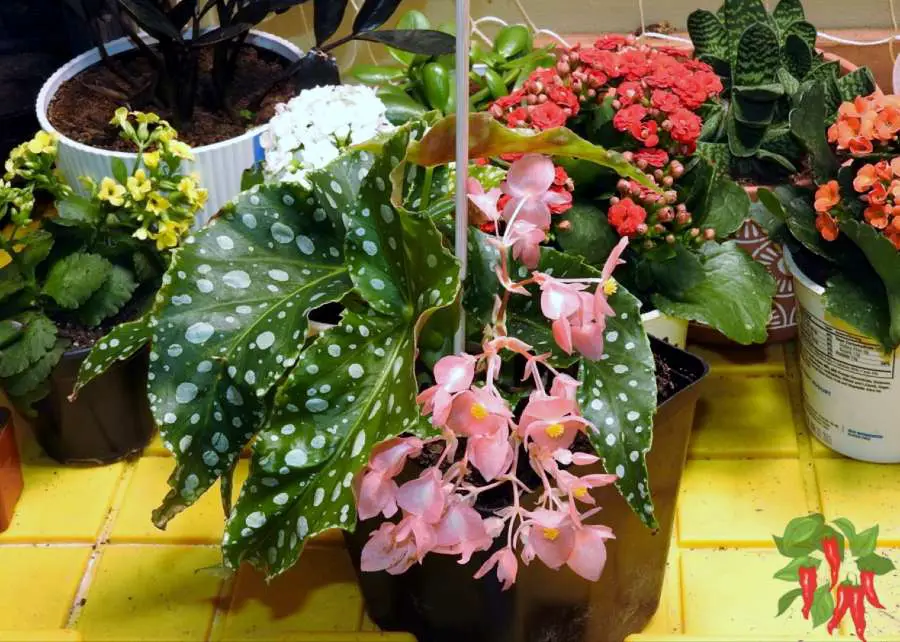
If you’re new to growing plants indoors, beginner indoor gardening is the page I wish everyone could read before buying their second “hopeful” plant. Not because indoor gardening is hard — but because the internet makes it feel way more complicated than it needs to be.
Most beginners don’t struggle because they’re “bad with plants.” They struggle because they start with the wrong expectations. They think every plant needs the same light, the same watering schedule, and the same routine. Then something droops, a leaf turns yellow, and it feels like failure.
This post is your calm starting point. It’s written for beginner plant owners who want simple, practical guidance that fits real homes — apartments, small rooms, imperfect windows, busy routines, and all.
🌱 What You’ll Learn
- 🧭 How to pick a beginner-friendly “first path” (so you’re not trying everything at once)
- ☀️ The 3 things that matter most: light, watering habits, and placement
- 🚫 The most common beginner mistakes (and the easy fixes)
- 🪴 How to build confidence without turning your home into a plant lab
🧭 Indoor Gardening Isn’t One Hobby — It’s a Few Simple Paths
One reason indoor gardening feels overwhelming is that it’s not one single thing. It’s more like a handful of paths that all count as “indoor gardening,” but they don’t require the same setup.
If you try to follow advice from every path at once, you end up with a mess: too many plants, too many rules, too many purchases, and not enough confidence.
Here are the most beginner-friendly paths. You only need to pick one to start.
🌿 Path #1: Easy Houseplants (Best First Step)
This is the simplest entry point for most people. You’re learning the basics of indoor light and watering without juggling harvest schedules or complicated equipment.
- ✅ Great if you want something attractive and low-pressure
- ✅ Great if you’re learning your home’s light
- ⚠️ Watch-out: overwatering is the #1 beginner issue
🌱 Path #2: Herbs on a Windowsill (Simple + Useful)
Herbs feel “productive” without being as demanding as full vegetables. If you have decent light, herbs can be a fun beginner win.
- ✅ Great if you like quick results and using what you grow
- ✅ Great if you cook and want a small project
- ⚠️ Watch-out: weak light leads to thin, leggy growth
🌾 Path #3: Microgreens (Fast Results, Simple Routine)
Microgreens are beginner-friendly because they’re quick. You learn timing, moisture control, and consistency — without long-term plant upkeep.
- ✅ Great if you want results within 7–14 days
- ✅ Great if you like simple repeatable routines
- ⚠️ Watch-out: airflow and moisture balance matter
💧 Path #4: Hydroponics (Beginner-Friendly, But Different)
Hydroponics isn’t “hard,” but it’s different. You’ll be learning a system (water, nutrients, light) instead of learning soil cues. Some beginners love it because it feels structured.
- ✅ Great if you like tidy systems and consistency
- ✅ Great if you don’t want to deal with soil
- ⚠️ Watch-out: nutrient routines replace watering routines
✅ Your First Decision: Choose ONE Path for 30 Days
Here’s a surprisingly effective beginner rule: choose one path and stick with it for a month. Not forever — just long enough to learn what your home and routine support.
- 🗓️ If you’re busy and forgetful: start with easy houseplants
- 🏡 If you have a bright window and cook a lot: start with herbs
- ⚡ If you want quick wins: start with microgreens
- 🧪 If you like structured routines: try simple hydroponics
Once you’ve got one path working, adding more feels fun — not stressful.
☀️ The 3 Things That Matter Most (In Almost Every Home)
Indoor gardening advice can spiral into a thousand details, but beginners only need to master three things first. If you get these right, most plants become dramatically easier.
☀️ 1) Light: “Bright” Is Not a Feeling — It’s a Location
Beginners often describe a room as “bright,” but plants don’t care how the room feels — they care how much usable light hits their leaves. A room can feel bright to you and still be low light for a plant.
- 🪟 A plant right next to a window gets far more light than one across the room
- 📍 Moving a plant 3–6 feet can change everything
- ⛅ Winter light is usually weaker and shorter than summer light
Beginner tip: before you buy more plants, spend a week noticing where sunlight actually lands during the day. That one habit saves more plants than any “watering schedule” ever will.
💧 2) Watering: Most Beginners Water Too Often
If there’s a single beginner mistake that shows up everywhere, it’s watering “just in case.” It comes from a good place — you care — but constant damp soil creates root stress.
- 🚿 Overwatering usually looks like yellow leaves, drooping, or mushy stems
- 🪴 Underwatering usually looks like dry soil, crispy edges, and quick perk-up after watering
- 🧠 The goal isn’t “water on schedule” — it’s “water when the plant needs it”
A beginner-friendly habit: check the soil before you water. If the top inch still feels damp for most houseplants, wait. (Some plants like more consistent moisture, but beginners win by learning the “wait” muscle first.)
📍 3) Placement: Plants Live in Your Routine, Not Just Your Room
A plant placed in a “perfect” light spot can still fail if it’s in a spot you forget exists. Beginners do better when plants are easy to notice.
- 👀 Put beginner plants where you’ll actually see them daily
- 🚪 Avoid high-traffic spots where plants get bumped or blasted by drafts
- 🌬️ Keep plants away from direct heat vents if possible
The best placement is the place you’ll naturally check — because consistency beats perfection every time.
🚫 Common Beginner Mistakes (And the Quick Fix)
🚿 Mistake #1: Watering on a Schedule
Schedules sound helpful, but indoor conditions change. Heat, light, pot size, and season all affect how fast soil dries.
- ✅ Fix: check soil first, then water
- ✅ Fix: learn what “dry enough” looks like for your plants
🛒 Mistake #2: Buying a Plant Before Knowing Your Light
A plant that “needs bright light” may struggle in your favorite corner, even if it looks nice there.
- ✅ Fix: choose plants that match your actual window situation
- ✅ Fix: start with forgiving plants while you learn your space
🔄 Mistake #3: Changing Too Many Things at Once
When a plant looks unhappy, beginners often repot, move it, water it, and fertilize it — all in one weekend. That makes it impossible to know what helped or hurt.
- ✅ Fix: change one variable, then wait a week
- ✅ Fix: keep notes if you like (even one sentence)
🌿 Mistake #4: Starting With “Fussy” Plants
Some plants are gorgeous but demanding. They’re not “bad,” but they’re not confidence-builders.
- ✅ Fix: start with forgiving plants, then upgrade later
- ✅ Fix: treat your first month as learning, not performance
🪴 A Beginner-Friendly Indoor Plant Setup (No Fancy Gear)
You don’t need a wall of tools to start. For most beginners, a simple setup is not only cheaper — it’s more successful because it’s easier to maintain.
- 🪴 A pot with drainage (or a way for water to escape)
- 🌊 A saucer or tray to protect surfaces
- 🧤 A basic pair of pruning snips (even scissors work at first)
- 📝 A tiny note on your phone: “watered on ___”
That’s it. If you want to level up later, you can — but beginners succeed faster when the routine stays simple.
🌱 Your First 30-Day Plan (Simple and Realistic)
If you want a clear plan that doesn’t feel like homework, use this beginner-friendly approach:
📅 Week 1: Learn Your Light
- ☀️ Notice where direct sun hits (and for how long)
- 🪟 Pick one window area as your “starter zone”
- 🧠 Don’t buy more plants yet — just observe
📅 Week 2: Add One Beginner Plant
- 🪴 Choose a forgiving plant that matches your light
- 📍 Place it somewhere you’ll see daily
- 💧 Water only after checking soil first
📅 Week 3: Build a Tiny Routine
- 🕒 Pick one day to check plants (not necessarily water)
- 👀 Look for simple changes: new growth, droopiness, leaf color
- 🔄 If something seems off, change one thing at a time
📅 Week 4: Decide Your Next Path
- 🌿 If you enjoyed it, add one more easy plant
- 🌱 If you want “useful,” try herbs
- 🌾 If you want fast results, try microgreens
- 💧 If you like systems, explore simple hydroponics
Indoor gardening should feel like progress, not pressure. Once you have one small success, everything else gets easier.
❓ Frequently Asked Questions
What is beginner-indoor-gardening-start-here supposed to help with?
It’s meant to give you a simple starting point so you don’t feel overwhelmed. Instead of trying to learn everything at once, you’ll choose one beginner-friendly path, focus on the few things that matter most, and build confidence before going deeper.
Is indoor gardening hard for beginners?
It doesn’t have to be. Most beginner struggles come from starting with the wrong plant for the light you have, or watering too often. If you begin with forgiving plants and a simple routine, indoor gardening is very learnable.
What’s the easiest way to start indoor gardening?
Start with one forgiving houseplant and spend a week learning your light. Place the plant somewhere you’ll see daily, check the soil before watering, and avoid making lots of changes at once. A small win builds momentum fast.
Do beginners need grow lights right away?
Not always. Many beginners can succeed by choosing plants that match the window light they already have. Grow lights can help if your home is very dim or you want to grow edibles, but they’re not required for a beginner to get started.
How many plants should a beginner start with?
One or two is ideal. Starting small makes it easier to learn what “normal” looks like and prevents you from juggling too many needs at once. Once you have consistent success, adding more plants becomes fun instead of stressful.
What’s the most common beginner mistake?
Overwatering. Beginners often water on a schedule or water “just in case,” which can lead to root stress. A better habit is to check the soil first and water only when it actually needs it.
🌼 Conclusion: Your Best Indoor Gardening Advantage Is Starting Simple
If you take one thing from this page, let it be this: indoor gardening gets easier the moment you stop trying to do everything at once. Choose one beginner-friendly path for the next 30 days, focus on light, watering habits, and placement, and let small wins build your confidence.
You don’t need to be “naturally good with plants.” You just need a routine that fits your home. Start small, stay consistent, and give yourself permission to learn as you go.
When you’re ready, explore the Beginner Indoor Gardening posts in this category and pick the next question that matches what you’re experiencing right now.
📚 Beginner Indoor Gardening References
If you’d like to learn more about indoor gardening basics from university and educational sources, the following references offer reliable, beginner-friendly information on houseplants, light, and indoor plant care.
🌿 Houseplant Care & Selection
- University of Maryland Extension
Selection and Care of Indoor Plants
- University of Wisconsin–Madison Extension
Houseplant Care Basics
- University of Illinois Extension
Houseplants: Care and Growing Information
☀️ Light, Environment & Indoor Conditions
- Iowa State University Extension
How to Care for Houseplants
- University of California Agriculture & Natural Resources
Caring for Indoor Houseplants
🧠 Additional Beginner Learning
- Cornell Cooperative Extension
Houseplants and Indoor Growing Resources
- University of Missouri Extension
Caring for Houseplants
These references provide general guidance that supports the beginner concepts covered in this guide. Indoor gardening success still depends on your home’s light, space, and routine — so use these as learning tools, not strict rules.


 Steve S. is the creator of