
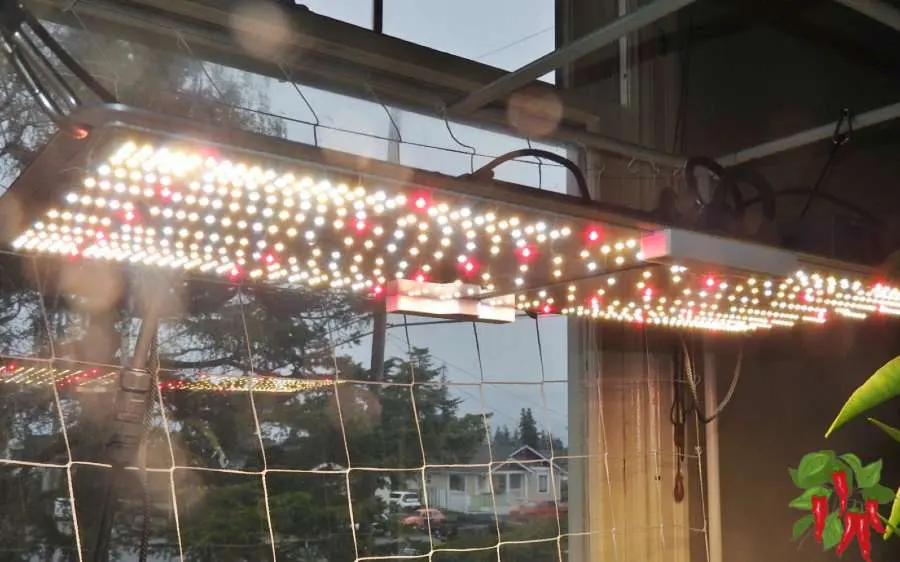
If you’re new to indoor gardening, one of the first questions that usually comes up is: can you grow plants indoors without grow lights? The internet makes it feel like grow lights are mandatory — as if every plant needs a glowing purple setup just to survive.
The reality is much calmer. Many indoor plants grow perfectly well without grow lights, especially when you start with houseplants and work with the natural light you already have. Grow lights are tools, not requirements.
This guide breaks down what really happens when you grow plants indoors without grow lights, which plants handle it best, and how to set up your space so natural light does the heavy lifting.
What You’ll Learn
- Whether plants can survive indoors without grow lights
- Which plants grow best using only natural light
- How window direction affects plant success
- Common beginner mistakes that block light without realizing it
- When grow lights help — and when they’re unnecessary
🌤️ The Short Answer: Yes, Many Plants Grow Without Grow Lights
Yes — you can grow plants indoors without grow lights, as long as you choose plants that match your light conditions. For decades, people kept houseplants long before grow lights were common or affordable.
What matters isn’t artificial light — it’s usable light. Windows provide that. Even indirect light counts, and many beginner-friendly plants evolved to live under forest canopies where light is filtered and uneven.
Grow lights become useful when natural light is extremely limited, inconsistent, or blocked. But they are not required for most starter indoor gardens.
🪟 Understanding Natural Light Indoors (Without the Science Overload)
When beginners struggle without grow lights, it’s usually because they misunderstand indoor light — not because the light is “bad.”
Indoor light works differently than outdoor sunlight. It drops in intensity quickly as you move away from windows, and the direction of the window matters more than people expect.
☀️ Window direction basics
- South-facing: Brightest and most reliable light
- East-facing: Gentle morning light (great for many plants)
- West-facing: Strong afternoon light (can be intense)
- North-facing: Low, indirect light
Many houseplants thrive in east- or north-facing windows without any artificial lighting. Problems usually happen when plants are placed too far back from the window, not because grow lights are missing.
🌿 Plants That Grow Indoors Without Grow Lights
Some plants are naturally adapted to lower light. These are ideal if you want to skip grow lights entirely.
Beginner-friendly houseplants
- Pothos
- Snake plant
- ZZ plant
- Spider plant
- Peace lily
These plants don’t need bright sun and often grow best with indirect window light.
Succulents without grow lights?
Some succulents can grow indoors without grow lights if they’re placed in very bright windows. South- or west-facing windows work best. Low light causes stretching, not immediate death — which is why people get confused.
If you don’t have bright windows, succulents are where grow lights become more useful.
⚠️ Why Plants Struggle Indoors Without Grow Lights
When plants fail indoors without grow lights, the cause is usually one of these issues — not the absence of artificial lighting.
1) Plants placed too far from windows
Light intensity drops dramatically just a few feet from a window. A plant that would thrive on a windowsill may struggle on a shelf across the room.
2) Overwatering in low light
Lower light means slower growth. Slower growth means less water use. Beginners often water low-light plants too frequently, which causes root problems.
3) Expecting fast growth
Plants grown without grow lights often grow more slowly — and that’s normal. Slow growth does not mean unhealthy growth.
4) Seasonal light changes
Winter reduces daylight hours. Plants may pause growth without needing intervention. This doesn’t mean grow lights are required — it means patience helps.
🌱 What About Growing Edibles Without Grow Lights?
This is where expectations matter. Leafy greens and microgreens can grow without grow lights if placed near bright windows. Fruiting plants usually struggle without extra light.
Works better without grow lights
- Microgreens
- Green onions
- Leaf lettuce (slow growth)
- Herbs like mint or chives
Harder without grow lights
- Tomatoes
- Peppers
- Cucumbers
- Fruit-bearing herbs
This is why houseplants are the best starting point when growing indoors without grow lights.
💡 When Grow Lights Actually Make Sense
Grow lights are helpful when:
- You have no usable windows
- You want faster growth
- You’re growing fruiting plants indoors
- Your space has consistent shade
They’re optional tools — not a requirement for success.
🧠 A Beginner Mindset That Helps Without Grow Lights
The best indoor gardens without grow lights are built slowly. Instead of chasing ideal conditions, they work with existing light and choose plants accordingly.
If a plant looks healthy, growing slowly, and holding color — it’s doing fine. No upgrades required.
🌿 Conclusion: Grow Lights Are Helpful, Not Mandatory
So, can you grow plants indoors without grow lights? Yes — especially if you start with houseplants and match them to your available light. Grow lights make some things easier, but they are not required for most beginner indoor gardens.
If your plants are near windows, watered based on soil dryness, and growing steadily (even slowly), you’re doing it right.
Explore More Indoor Gardening Topics
Frequently Asked Questions
Can you grow plants indoors without grow lights?
Yes. Many houseplants and some edible greens grow indoors using only natural window light.
Do houseplants need grow lights?
Most common houseplants do not need grow lights if they receive consistent indirect light from windows.
What happens if indoor plants don’t get enough light?
Plants may grow slowly, stretch toward light, or drop leaves. These signs indicate placement issues more than lighting failure.
Is natural light enough in winter?
Often yes. Growth may slow, but most houseplants can rest during winter without additional lighting.
Is can-you-grow-plants-indoors-without-grow-lights a good beginner topic?
Yes. It helps beginners set realistic expectations and avoid unnecessary equipment purchases.
📚 Beginner Indoor Gardening References
If you’d like to learn more about indoor gardening basics from university and educational sources, the following references offer reliable, beginner-friendly information on houseplants, light, and indoor plant care.
🌿 Houseplant Care & Selection
- University of Maryland Extension
Selection and Care of Indoor Plants
- University of Wisconsin–Madison Extension
Houseplant Care Basics
- University of Illinois Extension
Houseplants: Care and Growing Information
☀️ Light, Environment & Indoor Conditions
- Iowa State University Extension
How to Care for Houseplants
- University of California Agriculture & Natural Resources
Caring for Indoor Houseplants
🧠 Additional Beginner Learning
- Cornell Cooperative Extension
Houseplants and Indoor Growing Resources
- University of Missouri Extension
Caring for Houseplants
These references provide general guidance that supports the beginner concepts covered in this guide. Indoor gardening success still depends on your home’s light, space, and routine — so use these as learning tools, not strict rules.



 Steve S. is the creator of