
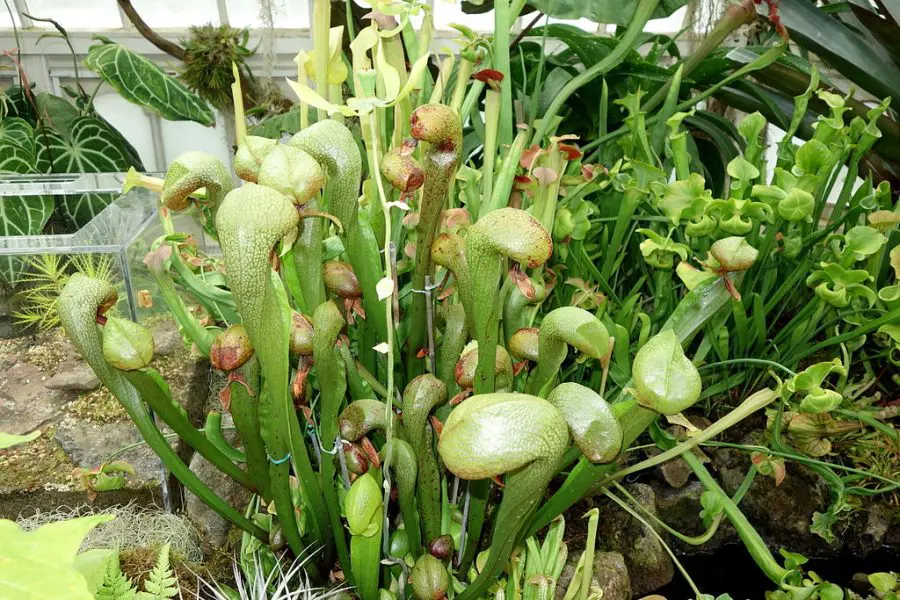
Are cobra lilies hard to grow?
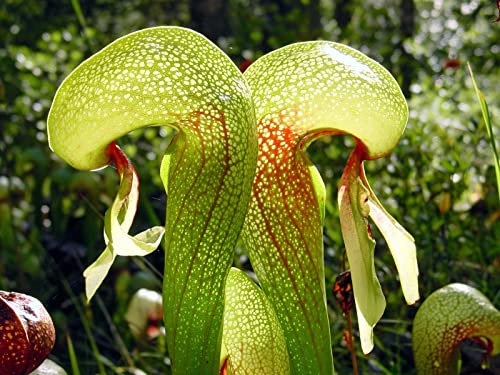
20 Darlingtonia Сalifornica Seeds | California Pitcher Plant | Yellow Cobra Lily Plant
Dive into the fascinating world of cobra lily care! Learn how to nurture Darlingtonia californica, one of the most striking carnivorous plants, with the right light, soil, water, and humidity.
With a little know-how, your cobra lily can thrive and become the star of your garden or indoor collection. Here’s some tips:
- Cobra lily care involves providing full sun to partial shade.
- Use well-draining soil mixed with peat moss and perlite.
- Water with cool, distilled or rainwater.
- High humidity is essential, and during winter, a dormancy period is required.
- Avoid tap water and fertilizers for optimal growth.
Cobra Lily Care: A Comprehensive Guide
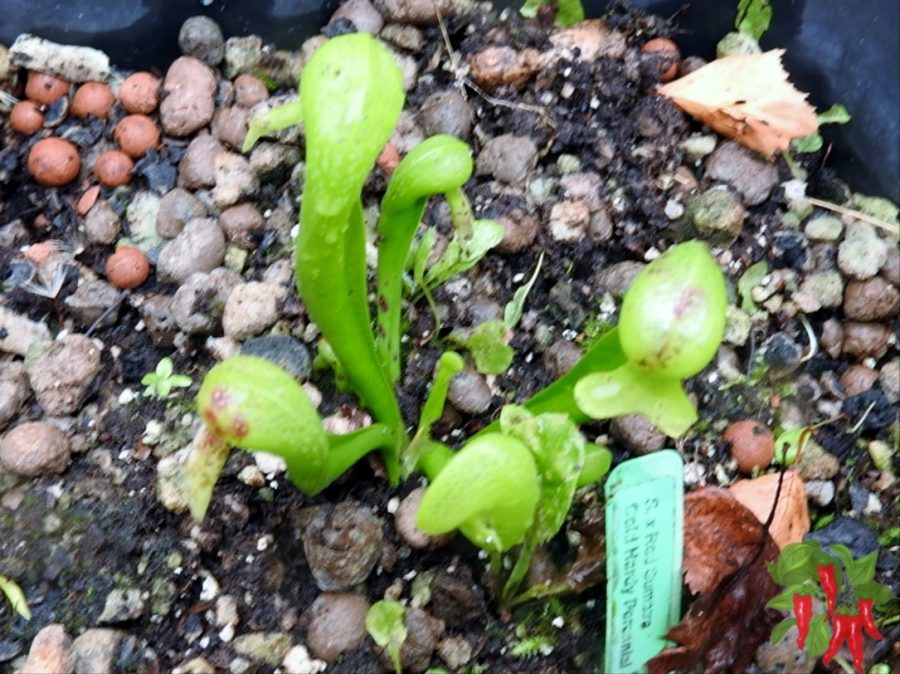 Here is a new clump of cobra lilies growing from the mother plant
Ever gazed upon the mesmerizing curves of the cobra lily and wondered how to keep it thriving?
Dive into the world of cobra lily care with us, and let’s unravel the secrets of nurturing this captivating plant together. Your garden is about to get a whole lot more interesting!
The fascinating cobra lily, scientifically known as Darlingtonia californica, is one of the strangest carnivorous plants native to North America.
With its unique appearance resembling the hood of a cobra, this plant has captivated many enthusiasts. Let’s delve into the comprehensive care guide for this captivating plant.
Cobra Lily Plant Care Reference Guide
| Characteristic | Details |
|---|---|
| Common Name | Cobra Lily, California Pitcher Plant |
| Botanical Name | Darlingtonia californica |
| Native Habitat | Boggy areas of Northern California and Oregon coast |
| Plant Type | Carnivorous perennial |
| Growth Pattern | Clumping via stolons (spreads underground) |
| Mature Size | 1–3 ft tall depending on origin (Oregon vs. California) |
| Watering | Cool rainwater, spring water, or distilled water; keep roots cool |
| Light/Sun Exposure | Full sun to partial shade (6+ hrs sunlight preferred) |
| Soil Type | Well-draining mix of peat moss, perlite, and lava rock |
| Soil pH | Acidic (5.0–6.0) |
| Temperature | Cool temperatures preferred; tolerates mild frost; requires winter dormancy |
| Humidity | High humidity essential for healthy growth |
| Bloom Time & Flower Color | Spring; nodding maroon to yellow-green flowers |
| Potential Problems | Root rot, heat stress, aphids |
| Repotting | Every 2–3 years; propagate via stolons |
| Hardiness Zones (USDA) | Zones 6–9 |
Cobra Lily Overview
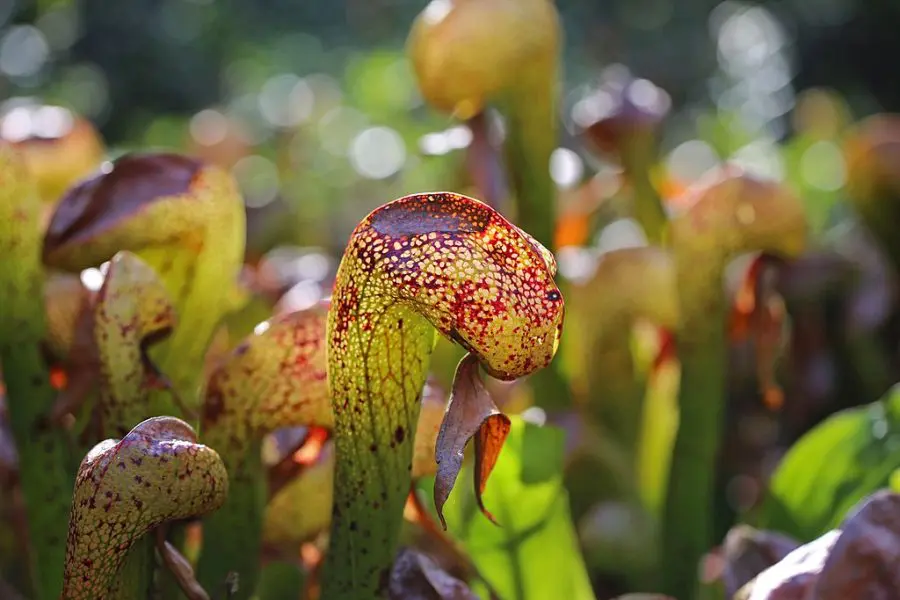 USFWS – Pacific Region, Public domain, via Wikimedia Commons
Darlingtonia californica, commonly referred to as the cobra lily, boasts a distinctive look that sets it apart in the plant kingdom.
Native to regions like northern California and the Oregon coast, this plant has a tubular leaf structure that’s reminiscent of a rearing cobra.
Botanical Name and Common Names
The botanical name for the cobra lily is Darlingtonia californica. It’s also popularly known as the California pitcher plant or simply the cobra plant.
Origin and Native Habitat
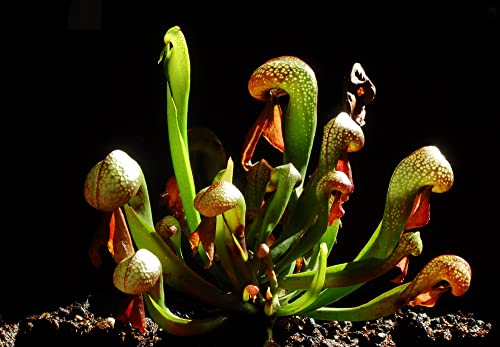
The cobra lily finds its natural habitat in the boggy areas of northern California and the Oregon coast.
These nutrient-poor soils and the specific conditions of its natural environment have shaped its carnivorous nature.
Physical Characteristics
The cobra lily’s tubular leaves, which give it its common name, are its most distinguishing feature. These leaves have bulbous tops, resembling the hood of a cobra, and a small opening that serves as a trap for small insects.
Subspecies?
I am not a botanist but I have noticed there seem to be 2 subspecies of this plant. The Cobra Lillies in California can be 2-3 feet tall while those found in Oregon are only about a foot tall.
I have a plant from Oregon stock and although I would like the California version they are protected and not available.
Essential Cobra Lily Care Requirements
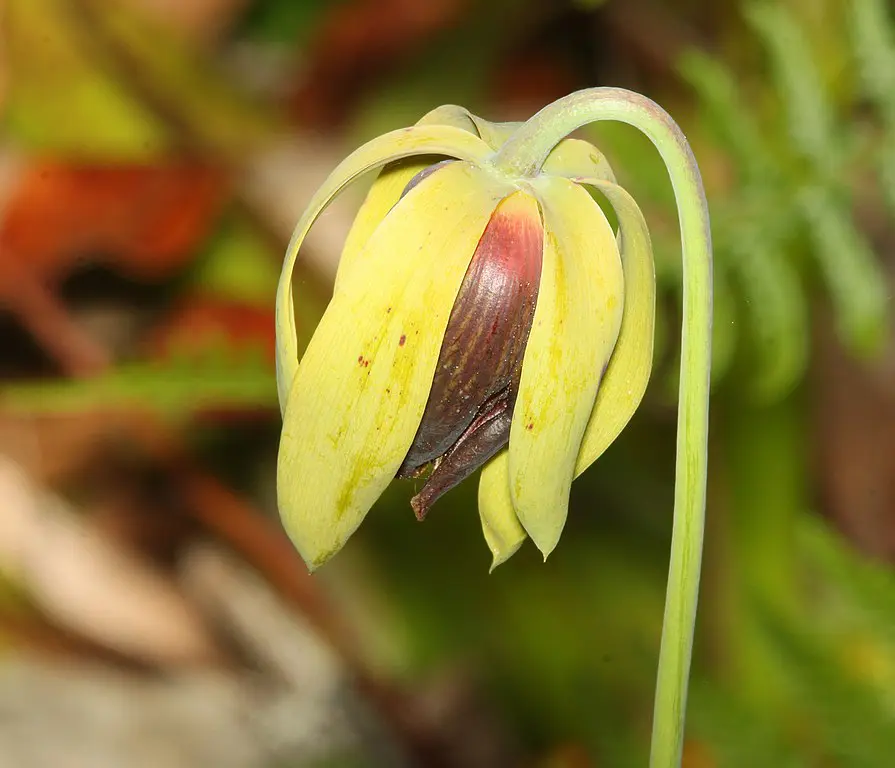
Understanding the essential care requirements of the cobra lily is crucial for its healthy growth, especially if you’re aiming to replicate its natural habitat.
Light Requirements
Cobra lilies thrive in full sun but can also tolerate partial shade. It’s a good idea to ensure they receive at least 6 hours of direct sunlight daily.
The more sun they get the happier they will be.
Watering Requirements
Water is an important part of cobra lily care. These plants prefer cool water, ideally rainwater or cold spring water.
Tap water is not recommended due to the chemicals it may contain. On a hot day, using ice cubes or ice water can help keep the soil cool and provide the plant with the cold water it craves.
When it is warm these plants can drink a lot of water and will need to be watered daily.
Soil Requirements
A well-draining soil mix is essential for the cobra lily. A mix of part peat moss, part perlite, and some lava rock can create the ideal environment. This ensures the root system remains cool and well-aerated.
In the wild, these plants often grow along stream beds and in rock crevices there. The addition of perlite to your peat moss will help them feel more at home
Temperature and Humidity
Cobra lilies prefer cool temperatures, especially during the night. While they can tolerate some cold temperatures in winter, they thrive best in high-humidity environments.
I use a 20-gallon plastic tote filled with a mix of peat moss, and perlite. I flood it to overflow almost every day during the summer.
Using the tray method can help maintain the desired humidity levels for single plants.
Fertilization
Given their carnivorous nature, cobra lilies obtain essential nutrients by trapping and digesting small vertebrates and insects. Therefore, there’s no need for additional fertilization.
Pruning
While cobra lilies are slow growers, removing dead leaves can promote healthier growth.
You can also deadhead the flowers or you can leave them to mature seeds.
Propagation of Cobra Lily
Propagation can introduce new plants to your carnivorous plant collection. Cobra lilies naturally spread from stolons.
They are one of the few if not the only carnivorous plants that do this. They are very easy to propagate because of this.
Using Stolons
Stolons are horizontal stems that can be used for propagation. By cutting these and planting them, you can cultivate new cobra lilies.
Seed Planting
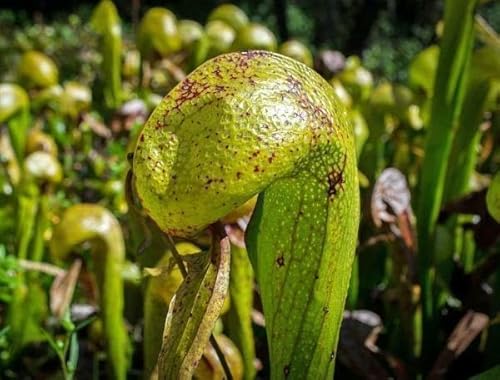
20 Darlingtonia Сalifornica Seeds | California Pitcher Plant | Yellow Cobra Lily Plant
Seeds offer another propagation method, though they might require specific conditions to germinate effectively. Can be done but extreme patience is required!
Just buy a plant, get it established use the stolons for new plants, and skip the seeds unless you can’t find a live plant.
Common Health Issues and Solutions
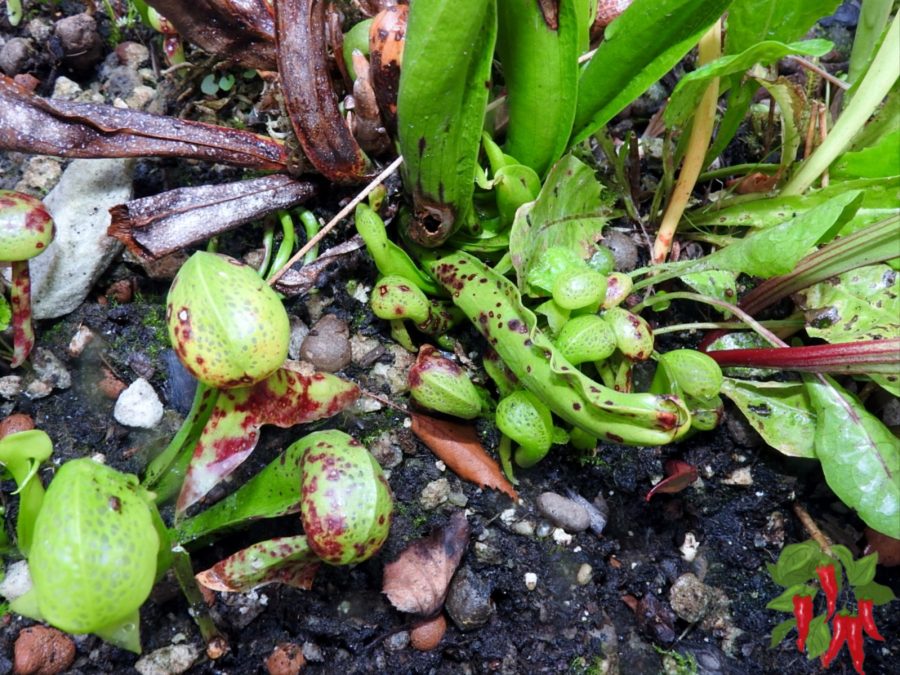 Darlingtonia californica – Cobra Lily mother showing new growth
Like all plants, cobra lilies can face certain health challenges.
Potential Pests
Common pests like aphids can sometimes trouble the cobra lily. Regular checks and early intervention can prevent severe infestations.
Diseases
Root rot can be a concern, especially if the plant sits in water for extended periods.
Overwintering and Dormancy
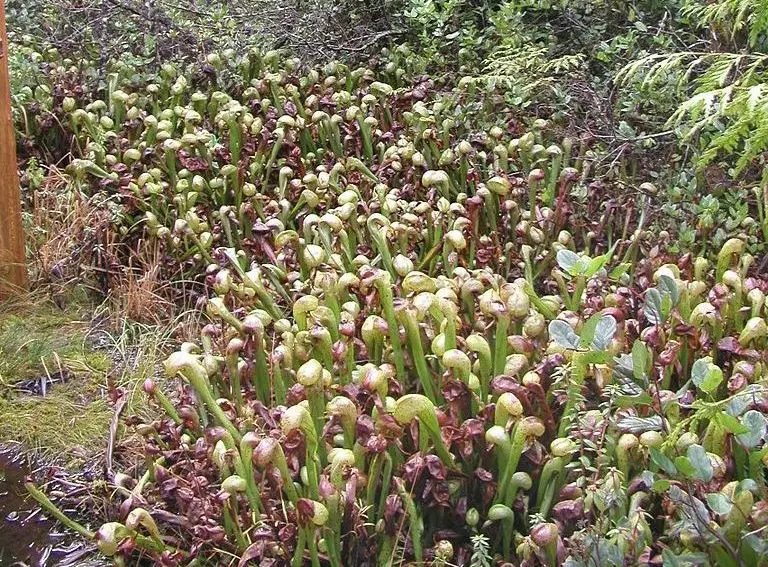
Cobra lilies undergo winter dormancy. During the winter months, they require specific care to ensure they remain healthy and ready for the next growing season.
These plants need cold during the winter months and are very hardy. I recommend growing them outdoors if possible. If you have them indoors move them outside or into a garage.
Cobra Lily Care FAQs
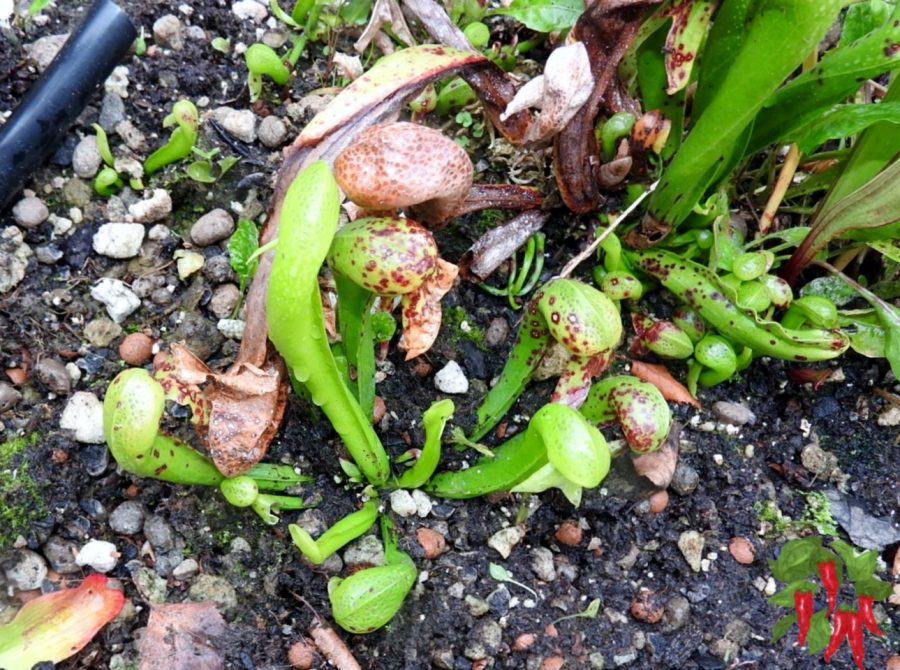 My Cobra Lily
Caring for the cobra lily, or Darlingtonia californica, often brings up a series of questions due to its unique nature and specific care requirements.
Here are some of the most commonly asked questions about this fascinating plant:
Q: Why is the plant called a cobra lily?
A: The name cobra lily is derived from its distinctive appearance. The tubular leaves of this plant, especially the bulbous tops of the pitchers, resemble the hood of a rearing cobra, giving it its evocative name.
Q: Are cobra lilies and venus flytraps similar?
A: While both are carnivorous and trap insects for nutrition, they belong to different families and have distinct trapping mechanisms.
The Venus flytrap actively snaps shut to trap its prey, while the cobra lily uses its tubular leaves to ensnare and digest its victims.
Q: Do cobra lilies require high humidity?
A: Absolutely. Cobra lilies thrive in high-humidity environments, which closely mimic their natural habitat in the boggy areas of northern California and southern Oregon.
Q: Can I use tap water for my cobra lily plant?
A: It’s best to steer clear of tap water due to the chemicals it might contain. Instead, opt for distilled water, rainwater, or cold spring water to ensure the health of your plant.
Q: Is a Japanese cobra lily plant the same as a cobra lily?
A: No, they are distinct species. While both have the common name cobra lily, the Japanese cobra lily belongs to a different genus and has different care requirements.
Q: Are cobra lilies rare?
A: In their natural habitat of northern California and southern Oregon, they can be found in specific boggy areas.
However, outside of these regions, they are considered rare and are often sought after by plant enthusiasts.
Q: Do cobra lilies need dormancy?
A: Yes, cobra lilies undergo a period of dormancy during the winter months. This rest period is essential for their health and longevity.
Q: Where does the cobra lily grow?
A: The cobra lily is native to North America, specifically the cool, boggy regions of northern California and the Oregon coast.
In these areas, they thrive in the nutrient-poor soils of their natural environment.
With the right care and understanding, the cobra lily can be a captivating addition to any plant collection.
Whether you’re a seasoned horticulturist or a curious beginner, this plant offers a unique experience in the world of gardening. Learn more about growing carnivorous plants.
Cobra Lily Care Guide Conclusion
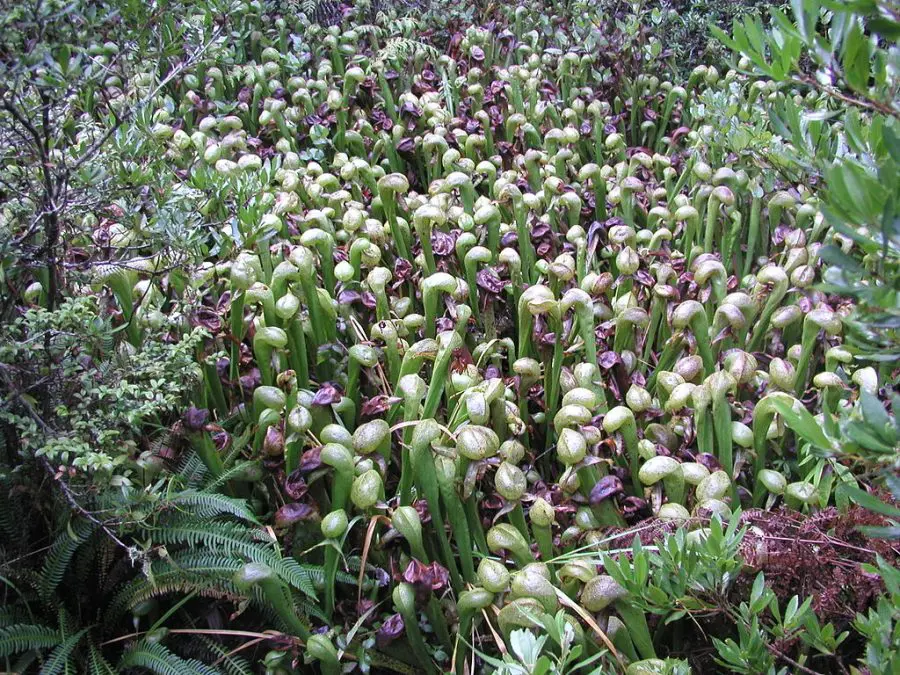
The cobra lily, with its unique appearance and intriguing feeding habits, is a gem in the world of carnivorous plants.
By understanding its care requirements and mimicking its natural habitat, you can ensure this fascinating cobra lily thrives in your care.
Whether you’re a seasoned gardener or just starting your carnivorous plant collection, the cobra lily is sure to captivate your interest.
20 Darlingtonia Сalifornica Seeds | California Pitcher Plant | Yellow Cobra Lily Plant
Want to grow strange, beautiful carnivorous plants? These expert guides will help you grow and care for Venus Flytraps, Pitcher Plants, Sundews, and more indoors.
🪰 Carnivorous Plants Care Guides
- 📘 Carnivorous Plant Care (Pillar Guide)
- 🌿 How to Grow Sundews Indoors
- 🪴 Cephalotus Follicularis Care
- 🌱 How to Propagate Carnivorous Plants
- 🪰 How to Grow Venus Flytrap
- 🌸 Growing Butterworts Indoors
- 🌴 Nepenthes Truncata Care
- 🐍 Cobra Lily Care
- 🧪 Sarracenia Pitcher Plant Care
- 🫧 Bladderworts: The Forgotten Carnivorous Plants
- 🌿 Nepenthes Pitcher Plant Care
- 💧 Water Quality for Carnivorous Plants
- 🦟 What to Feed Your Venus Flytrap
- 🌟 Best Indoor Carnivorous Plants
- See all articles in our Carnivorous Plants Care category
 Steve S. is the creator of