Growing Nepenthes Indoors: Two Standout Varieties
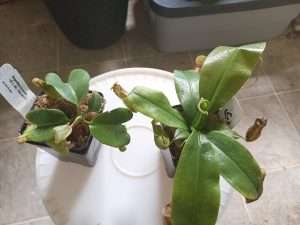
Growing Nepenthes indoors is a great way to enjoy tropical pitcher plants with some truly unusual foliage. These carnivorous plants produce hanging pitchers that can … Read more

Practical Indoor Plant Care for Real Homes

Carnivorous plants care is different from growing ordinary houseplants, but these fascinating plants aren’t nearly as difficult as many people think. From Venus flytraps and sundews to tropical pitcher plants, each has its own way of catching insects and getting the nutrients it needs.
I’ve grown several types of carnivorous plants indoors, including Venus flytraps, Sarracenia pitcher plants, and Nepenthes. I’ve also experimented with terrariums, artificial lighting, and different growing methods to see what works in an indoor garden.
One of the most important things I’ve learned is that carnivorous plants don’t all want the same conditions. Some need a winter dormancy period, while tropical species can grow year-round. Understanding those differences makes caring for them much easier.
Whether you’re choosing your first carnivorous plant or looking for advice on a particular species, these guides cover the basics along with more specialized growing methods.
If you’re new to carnivorous plants, start by learning about water quality, lighting, and growing media. Many species naturally grow in nutrient-poor environments, so ordinary potting soil and fertilizer can cause serious problems.
Different species also have different requirements. A tropical Nepenthes pitcher plant, for example, doesn’t need the same conditions as a temperate Venus flytrap.
Venus flytraps are probably the best-known carnivorous plants. Their snapping traps make them fun to grow, but they need plenty of light, suitable water, and an appropriate growing medium.
They are temperate plants that normally experience winter dormancy. That’s an important difference from tropical carnivorous plants that grow continuously under warm conditions.
Sarracenia are North American pitcher plants that catch insects in tall, modified leaves. Many varieties develop beautiful colors and unusual pitcher shapes when they receive enough light.
I’ve grown Sarracenia indoors in a terrarium setup, including the popular ‘Judith Hindle’ hybrid. These plants generally need strong lighting and a seasonal rest period, so their long-term care deserves special attention.
Nepenthes are tropical pitcher plants that produce hanging traps at the ends of their leaves. Unlike Sarracenia, they don’t require a cold winter dormancy period.
These plants can be excellent indoor growers when you match their temperature, humidity, lighting, and growing medium to the species. Some are much more forgiving of normal household conditions than others.
Not every carnivorous plant has a large snapping trap or a hanging pitcher. Sundews catch insects with sticky tentacles, butterworts use sticky leaves, and bladderworts have tiny suction traps that capture small organisms.
These plants are worth considering if you want to grow something a little different. Some species are well suited to indoor growing, although their water, lighting, and seasonal needs can vary considerably.
Once you’ve grown a few of the more familiar carnivorous plants, you may want to try something less common.
Cephalotus and Darlingtonia are two interesting choices, although they can be more demanding about their growing conditions. Learning to propagate your existing plants is another way to expand your collection.
Below you’ll find our complete collection of carnivorous plants care articles, including beginner guides, species-specific growing tips, terrarium projects, and advice based on my own indoor growing experience.
I’ll continue adding new guides as I grow and experiment with more carnivorous plants. Whether you’re starting with a Venus flytrap or building a larger collection, there’s always something interesting to learn about these unusual plants.
Growing Nepenthes indoors is a great way to enjoy tropical pitcher plants with some truly unusual foliage. These carnivorous plants produce hanging pitchers that can … Read more

Bladderworts: The Forgotten Carnivorous Plants Bladderworts: The Forgotten Carnivorous Plants are some of the most interesting plants you can grow, yet most people have never … Read more

Find the Best Indoor Carnivorous Plants: Learn which carnivorous plants thrive indoors, including Venus Flytrap, Sundews, Butterworts, and Nepenthes. Tips for light, water, and humidity … Read more

See how growing Sarracenia Judith Hindle can even transform your terrarium into a vibrant, conversation-starting centerpiece filled with color and natural charm. If you’ve ever … Read more

Can You Grow Sarracenia Pitcher Plants Indoors? Discover how a Sarracenia pitcher plant terrarium brings drama and beauty to your home. Enjoy exotic greenery, natural … Read more

🎥 Sarracenia Judith Hindle Video: A Gardener’s Voice I like to keep things simple and honest, so here’s a bit from my own notes while … Read more
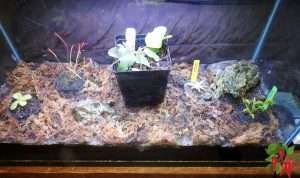
Learning how to build a carnivorous plant terrarium is a great way to grow some fascinating plants indoors. Venus flytraps, sundews, butterworts, and tropical pitcher … Read more

Wondering what to feed your Venus Fly Trap? Small insects and arachnids are the natural choice, including flies, ants, small crickets, and spiders. Indoor plants … Read more

How To Care for Cephalotus Follicularis Cephalotus follicularis care requires distilled water, bright light, and nutrient-poor soil. Follow our guide to keep your Albany Pitcher … Read more

Nepenthes truncata care requires bright, indirect light, high humidity, and pure water. With proper care, this unique carnivorous plant will thrive and display its impressive … Read more

Cobra Lily Care involves full sun to partial shade, cool distilled or rainwater, and a peat moss–perlite mix. Keep roots cool, maintain high humidity, and … Read more

The key to Nepenthes pitcher plant care is balancing light, humidity, and water. Provide bright, indirect light, maintain 70–80% humidity, and use distilled or RO … Read more

Discover the secrets to growing butterworts indoors. From soil and watering tips to light and humidity, our guide makes it easy to care for these … Read more

Sarracenia pitcher plant care means full sun, consistently moist soil with rainwater or distilled water, and a cool winter dormancy. Skip fertilizer—these plants get nutrients … Read more

Discover how to grow a Venus Flytrap. Learn soil, water, and light needs to keep your carnivorous plant healthy and thriving indoors or outdoors. Learn … Read more

Using the right water quality for carnivorous plants is key to their survival. Discover the best water sources, ideal pH and TDS levels, and how … Read more

Master how to grow sundews indoors! Discover care tips for soil, light, water, and humidity to help your carnivorous plants flourish naturally. Here’s how: To … Read more

Discover how to propagate carnivorous plants with seeds, cuttings, and leaf pullings. Grow Venus Flytraps, sundews, and pitcher plants with ease. Why Learn Carnivorous Plant … Read more

How To Care for Carnivorous Plants Carnivorous plant care is simple when you know the rules: use rain or distilled water, provide bright light, keep … Read more