
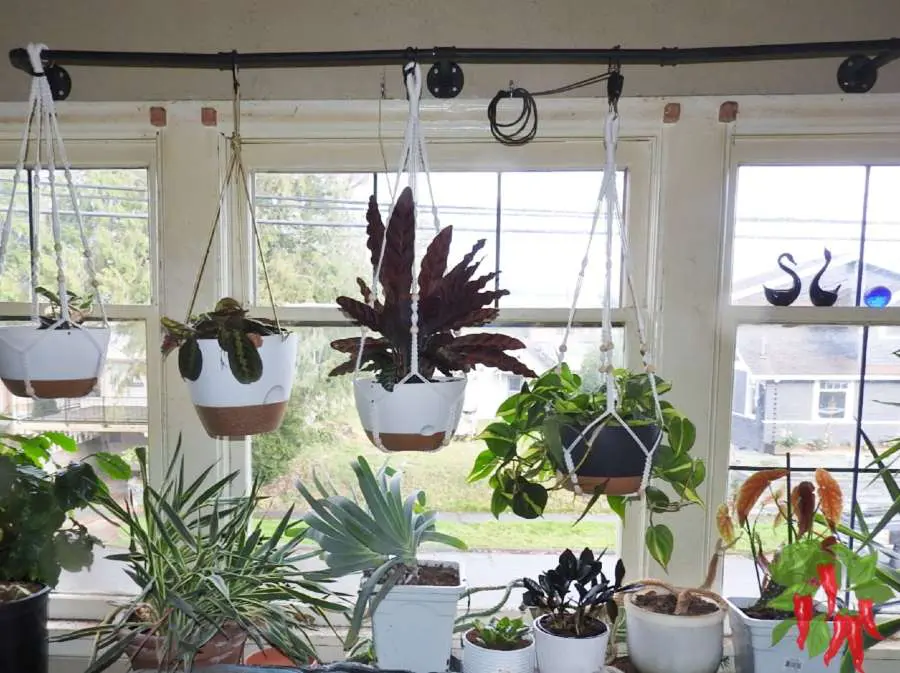
Few indoor gardening questions cause more stress for beginners than this one: do indoor plants really need direct sunlight? It’s usually one of the first things people worry about, especially after reading plant tags, scrolling social media, or hearing advice that sounds absolute and unforgiving.
Beginners often assume sunlight is either “right” or “wrong.” Either a plant gets direct sun and survives, or it doesn’t and slowly dies. That black-and-white thinking creates anxiety before the plant even has a chance to settle in.
The reality is far more forgiving. Most indoor plants do not need direct sunlight at all — and in some cases, direct sun can actually cause problems. What plants really need is usable light, not necessarily sunbeams hitting leaves for hours a day.
Confusion happens because the word “sunlight” means different things indoors than it does outdoors. Advice that makes sense in a garden or greenhouse doesn’t always translate well to apartments, homes, or offices. When beginners try to apply outdoor rules inside, plants suffer and confidence drops.
This post breaks down what direct sunlight actually means indoors, why most houseplants evolved to live without it, and how to think about light in a way that reduces stress instead of creating it.
What You’ll Learn
- Whether indoor plants actually need direct sunlight
- What “direct” and “indirect” light really mean indoors
- Why many common houseplants avoid direct sun
- How glass, windows, and placement change light
- How beginners should think about light without overcomplicating it
What People Mean by “Direct Sunlight” (And Why It’s Confusing)
When someone says a plant needs direct sunlight, they’re usually thinking about outdoor conditions — full sun, open sky, and no barriers between the plant and the sun. Indoors, that same phrase becomes misleading.
Sunlight that passes through a window is already filtered. Glass reduces intensity, changes heat, and alters how light reaches the plant. Even a bright, sunny window delivers far less usable light than being outside.
There’s also a difference between how light feels to people and how it functions for plants. A room can feel bright and pleasant while still providing relatively low light for photosynthesis. Human eyes adjust easily; plants do not.
This is why beginners often feel confused. They’re told a plant needs “bright light,” they place it in what looks like a bright room, and the plant still struggles. The issue isn’t effort — it’s interpretation.
Why Most Indoor Plants Don’t Need Direct Sun
Most popular houseplants did not evolve in open, sun-baked environments. Many come from forest floors or shaded understories where direct sun was rare and brief.
These plants adapted to filtered light, dappled shade, and slow, steady growth. When placed in strong direct sun indoors, they can scorch, fade, or dry out faster than beginners expect.
This is why indirect light works so well for many indoor plants. It provides enough energy for maintenance and growth without overwhelming the plant. For beginners, indirect light is often safer and easier to manage than chasing direct sun.
Understanding this removes a huge amount of pressure. Indoor gardening isn’t about forcing plants into sunlight — it’s about matching plants to the kind of light your space naturally provides.
Once that shift happens, light stops feeling like a test you can fail and starts feeling like a tool you can work with.
How Sunlight Actually Behaves Indoors
One of the biggest reasons beginners get confused about sunlight is that indoor light behaves very differently from outdoor light. Outside, sunlight spreads evenly, reflects off surfaces, and reaches plants from multiple angles throughout the day. Indoors, light becomes directional, weaker, and far more dependent on placement.
The moment sunlight passes through a window, its intensity drops. Glass blocks a portion of the light spectrum plants use for photosynthesis, even when the sun feels strong and warm to you. This is why a plant placed right next to a window can struggle just a few feet back — the drop-off in usable light happens quickly.
Distance matters more than most beginners expect. A plant sitting directly on a windowsill may receive several times more usable light than the same plant placed across the room. This is often why beginners feel like they “tried everything,” when the real issue was simply proximity.
Time also plays a role. Sunlight moves throughout the day, and indoor light exposure is often limited to a narrow window of time. A plant might receive bright light for only one or two hours, followed by much lower light for the rest of the day. That can be perfectly fine for many houseplants, but it rarely counts as full sun.
Why Window Direction Changes Everything
Window direction determines not just how much light a plant receives, but how intense that light is and when it arrives.
South-facing windows typically provide the strongest and longest-lasting light. East-facing windows offer gentler morning sun. West-facing windows deliver stronger afternoon light, which can sometimes be harsh. North-facing windows usually provide indirect, lower-intensity light throughout the day.
For beginners, this matters because not all light is equally manageable. Strong afternoon sun can overwhelm plants that prefer indirect light, while gentler morning light is often easier to work with.
Many beginners assume that only south-facing windows are useful. In reality, a wide range of plants thrive near east- or north-facing windows, as long as expectations match the light available.
Direct Sunlight vs Bright Indirect Light
Direct sunlight indoors usually means sun rays physically hitting the plant through a window for part of the day. This can be helpful for certain plants, but it is not universally beneficial.
Bright indirect light means the area is well-lit, but the sun is not directly striking the leaves. Light may reflect off walls, floors, or nearby surfaces. For many houseplants, this is the ideal balance.
Direct sun indoors can be intense in short bursts. Because the light is concentrated through glass, it can heat leaves quickly and cause scorching. Beginners are often surprised to learn that too much sun can damage a plant just as easily as too little.
This is why many care guides recommend indirect light for common houseplants. It provides consistency without the risk of sudden stress.
Plants That Prefer Direct Sun (And Why They’re Tricky Indoors)
Some plants genuinely prefer direct sun. Succulents, cacti, and many fruiting plants evolved in open, sunny environments and rely on high light levels to grow properly.
Indoors, these plants often struggle unless they are placed in very bright windows or supplemented with additional light. Without enough sun, they may stretch, fade in color, or grow unevenly.
For beginners, these plants can feel frustrating. They look simple and hardy, but their light needs are often higher than expected. When placed in average indoor light, they survive but don’t thrive.
This leads many beginners to assume all plants need more sun, when in reality the issue is plant selection, not sunlight itself.
Plants That Thrive Without Direct Sun
Many of the most popular houseplants grow best without direct sunlight. Plants like pothos, snake plants, spider plants, and ZZ plants evolved to handle filtered light and shaded conditions.
These plants use light efficiently and maintain slow, steady growth. They don’t need sunbeams hitting their leaves to stay healthy, which makes them ideal for indoor spaces with indirect light.
For beginners, these plants remove much of the pressure around placement. As long as they are near a window and not buried in darkness, they can adapt well.
Understanding this distinction helps beginners stop chasing sunlight and start choosing plants that fit their space instead.
Signs Your Plant Needs More Light (Not More Water)
One of the most common beginner mistakes is responding to light problems with water. When a plant isn’t growing well, watering feels like the safest action — but in many cases, light is the real issue.
Plants that need more light often stretch toward windows, producing long, weak stems with more space between leaves. This stretching is the plant’s attempt to reach a stronger light source.
Another sign is pale or dull foliage. Leaves may lose vibrancy or new growth may appear smaller than older leaves. Growth may slow dramatically, even if the plant otherwise looks “fine.”
When light is insufficient, plants also use water more slowly. If watering stays the same while growth slows, soil remains wet longer — increasing the risk of root problems. This is why light issues and overwatering often happen together.
Signs Your Plant Has Too Much Direct Sun
Too much direct sun can be just as stressful as too little light, especially indoors. Because sunlight is concentrated through glass, damage can happen quickly.
Sun-stressed leaves often develop pale patches, crispy edges, or scorched spots. Colors may fade, and leaves may feel dry or brittle even when soil moisture is adequate.
Beginners sometimes interpret this damage as underwatering and respond by watering more. Unfortunately, that doesn’t fix sun stress and can create additional problems below the soil.
If a plant declines after being moved closer to a window, especially during strong afternoon sun, excess direct light may be the cause.
How Beginners Should Think About Light
For beginners, the goal is not perfect lighting — it’s consistent lighting. Plants respond better to stable conditions than constant adjustments.
Instead of chasing the brightest possible spot, focus on placing plants where light is reliable day after day. Small differences in intensity matter less than consistency.
Observation is more important than action. Give plants time to respond before making changes. Most light-related issues develop slowly, and so do improvements.
Once you stop treating light like a test you can fail, indoor gardening becomes much calmer and more enjoyable.
Conclusion: Do Indoor Plants Really Need Direct Sunlight?
Most indoor plants do not need direct sunlight to survive or thrive. What they need is usable light — often in the form of bright, indirect exposure that matches how they evolved.
Direct sun can help certain plants, but it is not a universal requirement. In many cases, indirect light is safer and easier for beginners to manage.
When you choose plants that fit your space instead of forcing your space to fit the plant, light stops being a source of stress and starts becoming something you understand.
Explore Beginner-Friendly Categories
Frequently Asked Questions
Do indoor plants really need direct sunlight?
Most indoor plants do not need direct sunlight and grow well with bright, indirect light.
Is sunlight through a window considered direct sun?
Yes, but it is filtered and less intense than outdoor sun, which is why placement still matters.
Can plants survive in north-facing windows?
Many houseplants can survive and grow slowly in north-facing windows with consistent light.
How many hours of light do indoor plants need?
Most houseplants do well with several hours of indirect light each day rather than long periods of direct sun.
Is too much sunlight bad for indoor plants?
Yes. Excess direct sunlight can scorch leaves and stress plants, especially indoors.
📚 Beginner Indoor Gardening References
If you’d like to learn more about indoor gardening basics from university and educational sources, the following references offer reliable, beginner-friendly information on houseplants, light, and indoor plant care.
🌿 Houseplant Care & Selection
- University of Maryland Extension
Selection and Care of Indoor Plants
- University of Wisconsin–Madison Extension
Houseplant Care Basics
- University of Illinois Extension
Houseplants: Care and Growing Information
☀️ Light, Environment & Indoor Conditions
- Iowa State University Extension
How to Care for Houseplants
- University of California Agriculture & Natural Resources
Caring for Indoor Houseplants
🧠 Additional Beginner Learning
- Cornell Cooperative Extension
Houseplants and Indoor Growing Resources
- University of Missouri Extension
Caring for Houseplants
These references provide general guidance that supports the beginner concepts covered in this guide. Indoor gardening success still depends on your home’s light, space, and routine — so use these as learning tools, not strict rules.



 Steve S. is the creator of