
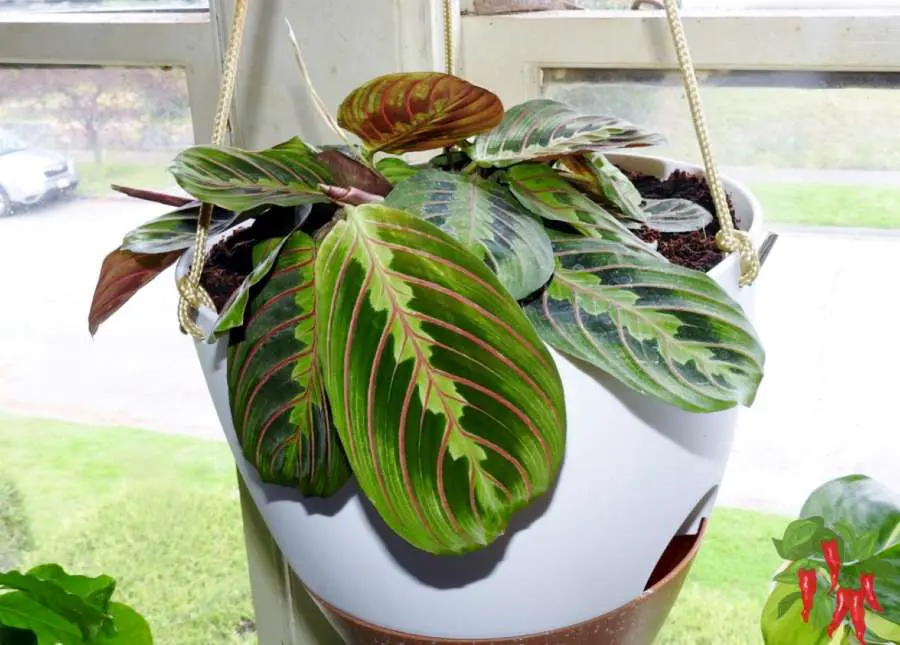
If you’re new to houseplants, it’s completely normal to wonder how long it takes to see results with indoor plants. You water them, put them near a window, and then… nothing seems to happen. Days go by, sometimes weeks, and you start questioning whether you’re doing something wrong.
This waiting period is where many beginners get discouraged. Indoor plants don’t give fast feedback, and progress often looks very different from what people expect when they first start growing plants indoors.
The good news is that slow change is usually a sign things are going fine. Understanding what “results” actually look like with indoor plants—and how long those changes normally take—can make indoor gardening feel far less frustrating.
What You’ll Learn
- ⏳ What realistic progress looks like for beginner indoor plants
- 🌱 Why indoor plants grow more slowly than outdoor plants
- 👀 Early signs that a plant is adjusting well—even without new leaves
- 🪴 How light, watering, and environment affect growth speed
- 🧠 When waiting is the right move instead of changing care
⏰ Why Indoor Plants Don’t Show Instant Results
One of the biggest surprises for beginners is how slow indoor plants can be. Outdoors, plants often grow quickly because they have strong sunlight, fresh air, and natural temperature changes. Indoors, everything is more controlled—and that usually means slower growth.
Indoor plants spend a lot of energy simply adjusting to their environment. Changes in light, humidity, airflow, and temperature all require time for the plant to adapt before it can focus on producing new leaves or stems.
This adjustment phase is easy to mistake for a lack of progress, but it’s actually a necessary step.
🌿 What “Results” Really Mean for Beginner Indoor Plants
Many beginners assume results mean fast growth. In reality, early success with indoor plants often looks much quieter.
Positive early results can include:
- 🍃 Leaves staying firm instead of drooping
- 🎨 Leaf color remaining consistent
- 🪴 No new yellowing or leaf drop
- 🌱 Roots settling into the soil
These signs mean the plant is stable. For beginners, stability is the first and most important result.
🧠 Why Stability Comes Before Growth
Before an indoor plant puts out new growth, it needs to feel secure in its environment. That means the light level is usable, watering is consistent, and the roots have access to oxygen.
If any of those factors are off, the plant pauses growth and focuses on survival. This is why rushing to “fix” a plant during this phase often slows progress instead of helping.
For beginners, patience during this stage is one of the most important skills to learn.
🌱 Typical Timelines for Seeing Indoor Plant Progress
While every plant and home is different, most beginners can expect general timelines like these:
- 🗓️ First 1–2 weeks: The plant adjusts to its new spot
- 🗓️ Weeks 3–5: Stability improves, stress signs fade
- 🗓️ Weeks 4–8: New leaves or shoots may appear
If nothing dramatic happens right away, that’s normal—and usually a good sign.
☀️ How Light Affects How Fast You See Results
Light is the biggest factor in how quickly indoor plants show visible progress. More usable light generally leads to faster growth, while low light slows everything down.
For beginners, this means plants in medium or low light may take longer to show results—and that doesn’t mean you’re doing anything wrong.
In the next section, we’ll look at how watering habits, plant type, and your home environment influence growth speed—and when waiting is better than making changes.
💧 How Watering Habits Affect How Fast You See Results
Watering plays a bigger role in growth speed than many beginners realize. Too little water slows growth, but too much water often stops growth entirely while the plant deals with stress.
Indoors, soil dries more slowly than people expect. When roots sit in wet soil for long periods, they can’t take in oxygen efficiently. The plant responds by pausing growth—even if everything else seems fine.
If you’re waiting to see results with indoor plants, consistent and careful watering matters more than frequent watering.
- 💧 Water only when the soil has partially dried
- 🖐️ Check soil moisture instead of following a schedule
- 🪴 Make sure excess water can drain out of the pot
Plants that are watered correctly may not grow fast—but they grow steadily.
🌱 Why Plant Type Changes How Long Results Take
Not all indoor plants grow at the same pace. Some are naturally slow growers, while others show visible changes more quickly. Beginners often compare their plants to photos online without realizing they’re looking at different growth habits.
In general:
- 🐢 Thick-leaf or woody plants grow slowly but steadily
- ⚖️ Average houseplants show gradual, seasonal growth
- 🚀 Fast growers need more light and attention
Slower growth doesn’t mean poor health. In many cases, it means the plant is conserving energy and adapting well to indoor conditions.
🧠 Why Beginners Shouldn’t Compare Growth Between Plants
Comparing one plant to another is one of the quickest ways to feel discouraged. Different species respond to light, temperature, and watering at different speeds.
A better comparison is between the plant’s current condition and how it looked a few weeks ago. If it’s holding steady or slowly improving, you’re seeing real results.
🏠 How Your Home Environment Influences Results
Indoor environments are stable, but they’re not identical. Temperature swings, dry air, and airflow all influence how quickly plants respond.
Common indoor factors that slow visible progress include:
- 🌬️ Very dry indoor air
- ❄️ Cool winter temperatures
- 🪟 Light that changes with the seasons
These conditions don’t prevent success—they simply stretch the timeline. Many beginners see more visible growth during brighter months without changing their care routine.
⏸️ When Waiting Is Better Than Making Changes
One of the hardest lessons for beginners is learning when not to act. When you’re waiting to see results with indoor plants, it’s tempting to move the plant, water again, or add something new.
But frequent changes reset the adjustment process. Each move or care change forces the plant to adapt again, which delays growth.
In many cases, the best choice is to wait and observe.
- 👀 Watch for trends over 1–2 weeks
- 📝 Change only one factor at a time
- 🧘 Give the plant time to respond
This patient approach often leads to clearer, more reliable results.
📉 Signs Results Are Being Delayed by Stress
If weeks go by with no improvement and new issues appear, stress may be slowing progress. Common signs include:
- 🍂 Repeated yellowing of new leaves
- 🥀 Ongoing drooping despite watering
- 🪴 Soil that stays wet for long periods
When this happens, simplifying care often helps more than adding solutions.
In the final section, we’ll look at realistic expectations for beginners, how to measure progress over time, and wrap everything up with clear answers to common questions.
📈 How to Measure Progress Without New Leaves
For beginners, it’s easy to assume that no new leaves means no progress. In reality, indoor plants often show improvement internally before anything visible happens above the soil.
Quiet signs that things are moving in the right direction include:
- 🍃 Leaves feeling firmer instead of soft or limp
- 🎨 Leaf color staying even and consistent
- 🪴 Soil drying at a predictable pace
- 🌱 The plant holding its shape instead of declining
These changes mean the roots are settling and the plant is conserving energy for future growth.
🧠 Why Beginners Often Miss Early Results
When you see your plant every day, small improvements are easy to overlook. Growth that would feel obvious over a month can feel invisible from one day to the next.
This is why beginners sometimes think nothing is happening—even when the plant is actually stabilizing.
A helpful trick is to take a quick photo when you bring a plant home. Comparing photos a few weeks apart often reveals progress you didn’t notice in real time.
🚦When Slow Results Are Actually a Good Sign
Slow progress isn’t always a problem. In many cases, it means your plant isn’t being pushed too hard by excess water, fertilizer, or sudden changes.
For beginners, slower growth often equals:
- 🧘 Less stress on the plant
- 💧 Fewer watering-related issues
- 🪴 Stronger long-term root health
Once the plant feels secure, visible growth usually follows.
❌ What Not to Do While Waiting for Results
Waiting can be uncomfortable, especially for beginners who want reassurance. But certain actions almost always delay results instead of speeding them up.
Avoid these common reactions:
- 🔄 Moving the plant every few days
- 💦 Watering again “just in case”
- 🧪 Adding fertilizer too early
- 🪴 Repotting without a clear reason
Each of these forces the plant to readjust, resetting the progress clock.
✅ Final Thoughts: How Long It Takes to See Results With Indoor Plants
So, how long it takes to see results with indoor plants depends on the plant, the light, and how steady the care is—but for most beginners, real progress happens gradually over weeks, not days.
Early success looks like stability. Leaves stay healthy, problems stop spreading, and the plant begins to feel settled. Growth comes after that foundation is in place.
If you focus on consistency instead of speed, indoor gardening becomes far less stressful—and much more rewarding over time.
If you’re just getting started, the Beginner Indoor Gardening: Start Here guide and the full Beginner Indoor Gardening category will walk you through the basics step by step.
⏳ Keep Building Momentum
- Indoor Houseplants – Plant choices that match your light make results easier to see.
- Apartment Gardening – Realistic expectations and setups for small spaces.
- Indoor Succulents – Slow-growing plants that are easier to keep stable.
❓ Frequently Asked Questions
How long does it usually take to see new growth on indoor plants?
Most indoor plants show new growth within 4 to 8 weeks once they’ve adjusted to their environment, though some slower-growing plants may take longer.
Is it normal for indoor plants to look unchanged for weeks?
Yes. Many indoor plants focus on root development and stabilization before producing visible growth, especially in lower light conditions.
Does more light always mean faster results?
More usable light can speed up growth, but too much light can cause stress. Matching the plant to the light you have matters more than maximizing brightness.
Should beginners fertilize to see faster results?
No. Fertilizing too early can stress plants. Beginners should focus on light and watering first before considering fertilizer.
Why does my plant look healthy but not grow?
A healthy plant that isn’t growing is often stable and conserving energy. Growth usually follows once conditions remain consistent over time.
📚 Beginner Indoor Gardening References
If you’d like to learn more about indoor gardening basics from university and educational sources, the following references offer reliable, beginner-friendly information on houseplants, light, and indoor plant care.
🌿 Houseplant Care & Selection
- University of Maryland Extension
Selection and Care of Indoor Plants
- University of Wisconsin–Madison Extension
Houseplant Care Basics
- University of Illinois Extension
Houseplants: Care and Growing Information
☀️ Light, Environment & Indoor Conditions
- Iowa State University Extension
How to Care for Houseplants
- University of California Agriculture & Natural Resources
Caring for Indoor Houseplants
🧠 Additional Beginner Learning
- Cornell Cooperative Extension
Houseplants and Indoor Growing Resources
- University of Missouri Extension
Caring for Houseplants
These references provide general guidance that supports the beginner concepts covered in this guide. Indoor gardening success still depends on your home’s light, space, and routine — so use these as learning tools, not strict rules.


 Steve S. is the creator of