
One of the most common beginner questions is How Many Indoor Plants Should a Beginner Start With? It usually comes right after buying the first plant—or standing in a store wondering whether to grab one more “just in case.”
It’s a fair question. Starting with too many plants can feel overwhelming fast, but starting with too few can make you wonder if you’re even doing indoor gardening at all.
The right number isn’t about rules or limits. It’s about setting yourself up to learn without stress, confusion, or plant burnout.
What You’ll Learn
- 🪴 The ideal number of indoor plants for most beginners
- 🧠 Why starting with fewer plants leads to better results
- 👀 How plant count affects learning and confidence
- 🏠 How your space and routine influence the right number
- ✅ When it makes sense to add more plants
🪴 So, How Many Indoor Plants Should a Beginner Start With?
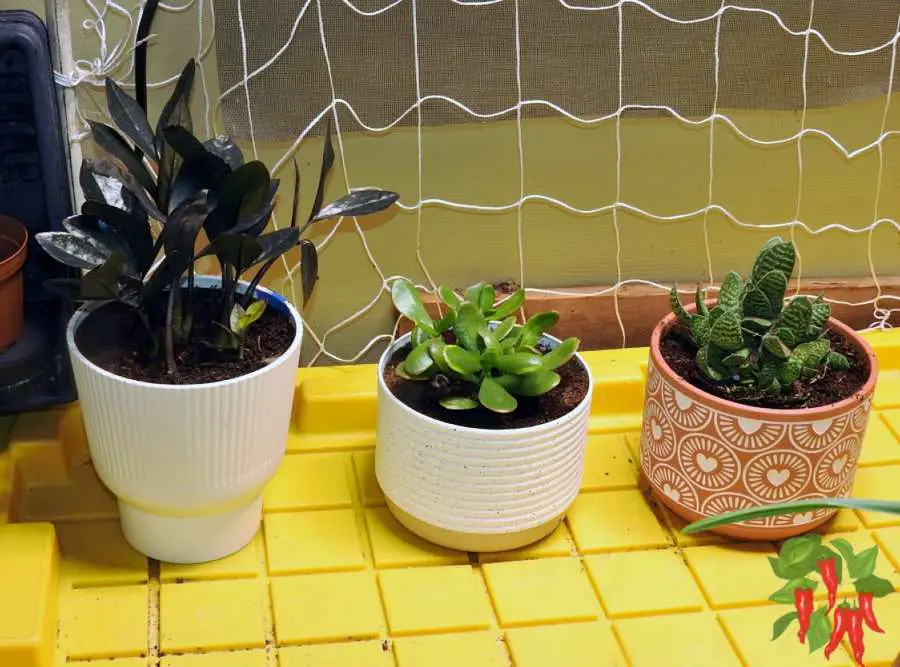
For most beginners, the sweet spot is one to three indoor plants.
That number gives you enough experience to notice patterns—how soil dries, how light changes, how plants respond—without creating confusion or turning plant care into a daily chore.
Starting with one plant is perfectly valid. Starting with three can also work well. Problems usually begin when beginners jump straight to five, ten, or more plants all at once.
🧠 Why Fewer Plants Make Indoor Gardening Easier
When you’re new to indoor gardening, every plant is teaching you something. With too many plants, those lessons overlap and become hard to interpret.
With a small number of plants:
- 👀 You can clearly see how each plant responds to your space
- 💧 Watering mistakes are easier to catch and correct
- 🧘 Care feels manageable instead of stressful
This makes it much easier to build confidence early on.
🙂 What Happens When Beginners Start With Too Many Plants
Starting with too many indoor plants doesn’t usually fail immediately—it fails slowly. Care becomes inconsistent, observation drops, and beginners start reacting instead of learning.
Common issues include:
- 🔄 Forgetting which plants were watered recently
- 🪴 Treating all plants the same even when they need different care
- 😵 Feeling overwhelmed by small problems
That stress is what makes indoor gardening feel hard—not the plants themselves.
🏠 How Your Space Affects the Right Number of Plants
The size and layout of your home also matters. A beginner in a small apartment may do best with fewer plants placed carefully, while someone with multiple bright windows may comfortably manage a few more.
Consider starting with fewer plants if:
- 🪟 You only have one main window for plants
- ⏰ You don’t want plant care to feel like a routine
- 🧠 You’re still learning how light works in your home
You can always add more later.
In the next section, we’ll look at how different beginner personalities affect the ideal plant count, when it’s safe to add more plants, and how to grow your collection without overwhelm.
🧠 How Your Personality and Routine Affect the Right Number
The ideal number of indoor plants for a beginner isn’t just about space—it’s also about how you naturally interact with plants. Different routines lead to different success points.
You may do best with fewer plants if you:
- ⏰ Have an unpredictable schedule
- 🧘 Prefer low-maintenance routines
- 👀 Tend to forget when you last watered
In these cases, starting with one or two plants keeps care simple and stress-free.
🙂 When Starting With Three Plants Works Well
Starting with three indoor plants can be a great option for beginners who enjoy observation and consistency. Three plants give you variety without overwhelming your routine.
This works well if you:
- 🪟 Have more than one good light source
- 📝 Like noticing small changes over time
- 🪴 Enjoy having plants as part of your daily environment
Three plants allow you to compare how different plants respond without juggling too many care needs.
🚦Signs You’ve Started With Too Many Plants
Sometimes beginners don’t realize they’ve taken on too much until care starts feeling chaotic. Recognizing these signs early helps you reset without losing confidence.
You may have started with too many plants if:
- 🔄 You’re unsure which plants were watered recently
- 😵 Plant care feels like a chore instead of enjoyable
- 🪴 Multiple plants are declining at the same time
If this happens, simplifying care—rather than adding solutions—is usually the best move.
➕ When It’s Okay to Add More Plants
Beginners often wonder when they’re “allowed” to add more plants. There’s no fixed timeline, but there are clear signals that you’re ready.
You’re usually ready to add another plant when:
- 👀 You understand how quickly your soil dries
- ☀️ You know which spots in your home work best
- 🧘 Care feels steady, not reactive
Adding plants gradually keeps learning manageable and enjoyable.
🪴 Why Quality Matters More Than Quantity
For beginners, the goal isn’t to have lots of plants—it’s to understand the ones you have. A few healthy plants teach you far more than many struggling ones.
Focusing on quality care builds skills that scale naturally as your collection grows.
In the final section, we’ll wrap things up, share a clear recommendation, and answer common beginner questions about starting plant counts.
✅ Final Recommendation: How Many Indoor Plants Should a Beginner Start With?
For most beginners, starting with one to three indoor plants is the best choice. That range gives you enough experience to learn how plants respond to your home without turning care into a source of stress.
Starting small doesn’t slow you down—it actually helps you build skills faster. Once you understand light, watering, and consistency with a few plants, expanding your collection feels natural instead of overwhelming.
There’s no prize for starting big. Confidence grows from stability, not quantity.
If you’re just getting started, the Beginner Indoor Gardening: Start Here guide and the full Beginner Indoor Gardening category will help you build a strong foundation step by step.
🪴 Grow at a Comfortable Pace
- Indoor Houseplants – Easy choices if you’re starting with 1–3 plants.
- Indoor Succulents – Great if you want plants that don’t need much attention.
- Apartment Gardening – Simple setups that don’t crowd your space.
- Beginner Indoor Gardening: Start Here – Keep building your basics step by step.
❓ Frequently Asked Questions
Is one indoor plant really enough for a beginner?
Yes. One indoor plant is enough to start learning how light, watering, and routine affect plant health. Many beginners succeed by mastering one plant before adding more.
Is it bad to start with several indoor plants?
It’s not bad, but starting with too many plants can make care confusing. Most beginners do better starting with a small number and adding plants gradually.
What happens if I already have too many plants?
If you already have several plants, focus on simplifying care. Group plants with similar needs and avoid making frequent changes.
When should a beginner add another plant?
Beginners are usually ready to add another plant once care feels consistent and existing plants are stable.
Does plant type affect how many plants a beginner should start with?
Yes. Beginner-friendly plants that tolerate missed watering and flexible light make it easier to start with more than one plant.
📚 Beginner Indoor Gardening References
If you’d like to learn more about indoor gardening basics from university and educational sources, the following references offer reliable, beginner-friendly information on houseplants, light, and indoor plant care.
🌿 Houseplant Care & Selection
- University of Maryland Extension
Selection and Care of Indoor Plants
- University of Wisconsin–Madison Extension
Houseplant Care Basics
- University of Illinois Extension
Houseplants: Care and Growing Information
☀️ Light, Environment & Indoor Conditions
- Iowa State University Extension
How to Care for Houseplants
- University of California Agriculture & Natural Resources
Caring for Indoor Houseplants
🧠 Additional Beginner Learning
- Cornell Cooperative Extension
Houseplants and Indoor Growing Resources
- University of Missouri Extension
Caring for Houseplants
These references provide general guidance that supports the beginner concepts covered in this guide. Indoor gardening success still depends on your home’s light, space, and routine — so use these as learning tools, not strict rules.


 Steve S. is the creator of