

Small Balcony Gardening Guide: 11 Easy Tips For Beginners will help you turn even a tiny apartment balcony into a place where you can grow flowers, herbs, and vegetables. You don’t need a large outdoor space to enjoy gardening. Sometimes a few containers and a little planning are all it takes.
One of the nice things about balcony gardening is that you can make it as simple or elaborate as you want. A couple of pots filled with herbs might be enough to get started, or you can add hanging baskets, railing planters, and shelves to make use of the space above the floor.
Before buying plants, though, take a good look at your balcony. How much sunlight does it receive? Is it exposed to strong winds? Do you have enough room for containers without blocking the walkway? These little details can make a big difference in how well your garden grows.
In this guide, we’ll cover practical small balcony gardening ideas, from choosing containers and arranging plants to handling sunlight, drainage, and seasonal changes. You’ll also find some simple ways to make your balcony more attractive without filling every available inch with pots.
🌿 What You’ll Learn
- 🪴 How to arrange containers without overcrowding a small balcony.
- ☀️ Why sunlight and shade patterns matter when choosing plants.
- 🌬️ How to protect balcony plants from wind and changing weather.
- 🌱 Which herbs, vegetables, and flowers grow well in containers.
- ⬆️ How to use hanging baskets, railing planters, and vertical space.
- 💧 Why drainage and proper watering are important for balcony gardens.
- 🏡 How to combine plants, furniture, and decorations in a limited space.
- 🛠️ What to consider before adding heavy containers or hanging planters.
🌱 Quick Answer: How Do You Start a Small Balcony Garden?
Start a small balcony garden by checking how much sunlight and wind your balcony receives. Choose a few containers with drainage holes and fill them with a suitable potting mix. Grow plants that match your conditions, such as herbs, leafy greens, compact vegetables, or flowers. Use shelves, hanging baskets, or secure railing planters to save floor space. Check your building’s rules and balcony weight limits before adding large or heavy containers.
🪴 Small Balcony Gardening at a Glance
You don’t need a complicated setup to get started. Here’s a quick look at the main things to consider when planning a balcony garden.
| What to Consider | Practical Advice |
|---|---|
| Sunlight | Watch how many hours of direct sunlight your balcony receives. Match plants to sunny, partly shaded, or shaded conditions. |
| Containers | Use pots with drainage holes and enough room for roots. Lightweight containers can be easier to move and arrange. |
| Wind Exposure | Choose sturdy containers and secure taller plants. Exposed balconies may need wind protection. |
| Drainage | Allow excess water to drain without dripping onto neighbors or creating slippery surfaces. |
| Best Plants | Herbs, lettuce, spinach, strawberries, compact tomatoes, petunias, and marigolds are good options when growing conditions are suitable. |
| Vertical Space | Use plant stands, shelves, hanging baskets, and securely mounted railing planters to free up floor space. |
| Watering | Check container moisture regularly. Small pots can dry out quickly during hot or windy weather. |
| Balcony Safety | Check building restrictions and structural load limits. Remember that wet potting mix, large planters, and water-filled containers add considerable weight. |
| Getting Started | Begin with three to five manageable containers and add more as you learn what works in your space. |

The Urban Greening Challenge:
Many city dwellers yearn for a touch of nature.
A balcony garden can be the perfect solution to this urban challenge, offering a slice of the countryside amidst the concrete jungle.
The Magic of Micro-Gardening:
Even with limited space, you can cultivate a diverse range of plants, from flowers to herbs to even a container vegetable garden.
It’s all about optimizing what you have.
Why Consider Small Balcony Gardening?

Imagine stepping out onto your balcony and being greeted by a myriad of colorful blossoms, the aroma of fresh herbs, and the satisfying feeling of having your own green space.
Economic Benefits:
Growing your own flowers, herbs or vegetables can save you money in the long run.
Plus, plants can act as natural air purifiers, potentially reducing the need for air purifiers or fresheners.
Environmental Impact:
Plants absorb carbon dioxide and release oxygen, making your balcony a small but significant contributor to a healthier environment.
Maximizing Space
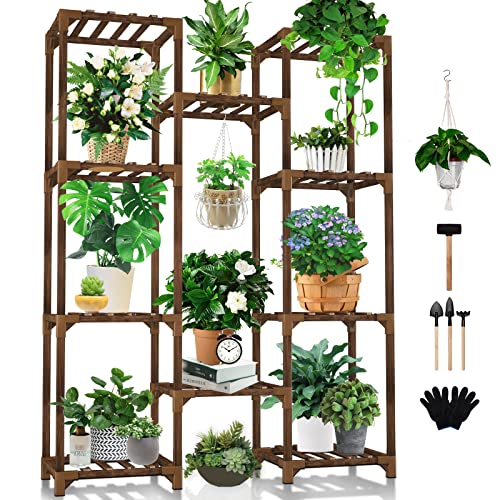
In the world of gardening, size isn’t everything. With the right approach, even the coziest of balconies can be transformed into a thriving green haven.
Let’s explore how to make every inch count and truly maximize your space.
Furniture Choices:
Opt for foldable or stackable furniture. This allows you to have functional pieces without permanently occupying precious space.
Double-Duty Items:
Use items that serve dual purposes. For example, a bench that offers storage inside or pots that can be used as decorative elements.
Design Considerations
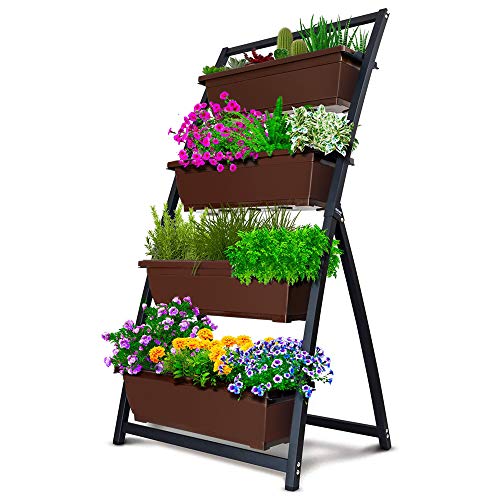
Creating a balcony garden isn’t just about planting seeds and hoping for the best.
It’s about envisioning a space that’s both functional and beautiful.
Before you get your hands dirty, let’s delve into the key design elements that will shape your green retreat.
Color Coordination:
Using a consistent color palette can make the space feel larger and more cohesive.
Consider matching your pots or choosing plants with complementary colors.
Texture Variety:
Introduce a mix of plants with different textures. This adds depth and interest to your garden, making it visually appealing.
Adding a Personal Touch
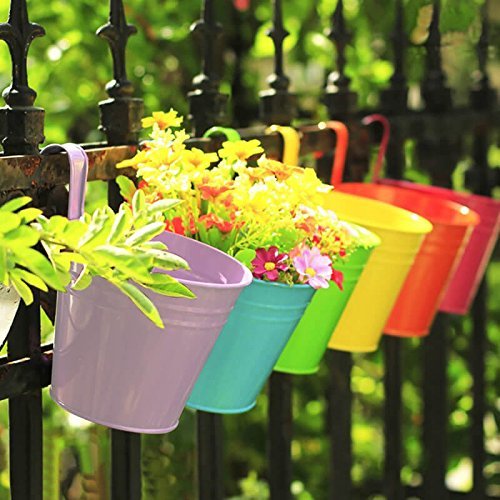
Every garden tells a story, and that story should be uniquely yours.
Beyond the choice of plants and pots, there’s a world of possibilities to infuse your personality into your garden.
Let’s discover how to add those special touches that make your garden distinctly yours.
Memory Lane:
Incorporate items that have sentimental value, like a pot from a vacation or a plant gifted by a loved one.
DIY Projects:
Personalize your space with DIY projects.
Whether it’s painted pots or handmade wind chimes, these personal touches make the garden uniquely yours.
Embracing Gardening

Gardening is more than a pastime. It’s a journey of the heart and soul.
Whether you’re a seasoned green thumb or just starting out, there’s a certain magic in nurturing plants.
Dive into the joys, challenges, and rewards of embracing the gardening lifestyle.
Learning Curve:
Embrace the journey. Every mistake is a lesson learned, and over time, you’ll become more attuned to the needs of your plants.
Community Building:
Connect with fellow balcony gardeners. Sharing tips, swapping plants, or simply discussing challenges can be enriching.
Planning for Success

A successful garden doesn’t happen by accident. It’s the result of careful planning, foresight, and a dash of garden wisdom.
Before you plant that first seed, let’s lay the groundwork for a flourishing balcony garden.
Seasonal Changes:
Understand the seasons. Some plants might thrive in summer but need protection in winter. Planning for these changes ensures year-round success.
Pest Control:
Be proactive about pests. Research common pests for your chosen plants and have preventive measures in place.
Designing Your Oasis

Your balcony has the potential to be more than just an outdoor space and it can be an oasis.
A place of relaxation, reflection, and rejuvenation. Let’s embark on a design journey to transform your balcony into a paradise you’ll love.
Focal Point:
Every garden, no matter how small, benefits from a focal point. This could be a particularly striking plant, a water feature, or a piece of art.
Flow and Movement:
Ensure there’s a sense of flow. This can be achieved by the arrangement of plants, the placement of furniture, or even the use of pathways.
Beginner’s Balcony Gardening Tips

Starting a garden can feel like stepping into uncharted territory. But don’t worry, every expert gardener was once a beginner too.
Arm yourself with these essential tips and tricks to kickstart your gardening adventure on the right foot.
• South-facing balconies soak in the sun, making them a dream for many plants.
• Monitoring shade patterns can guide plant placement, ensuring they get the right amount of sunlight.
• Windy balconies can benefit from sturdy pots and wind-tolerant plants.
• Drainage is crucial, not just for plant health but also to maintain good relations with neighbors below.
• Using different levels – floor, railing, and above – maximizes space and provides visual depth.
Small Balcony Gardening Guide FAQs

❓ Small Balcony Gardening Guide FAQs
How Do You Arrange a Small Balcony With Plants?
Start with larger containers along the walls or in corners, leaving enough room to walk around comfortably. Use plant stands, shelves, hanging baskets, and railing planters to make better use of vertical space. Group plants with similar sunlight and watering needs together, and avoid placing tall plants where they shade smaller ones that need direct sun.
How Do I Maximize My Balcony Garden?
Think about using several levels instead of keeping everything on the floor. A sturdy plant stand can hold multiple containers, while trellises let climbing vegetables grow upward. Hanging baskets and securely attached railing planters are useful for flowers and herbs. Choose compact plant varieties whenever possible, and leave enough space for watering, pruning, and harvesting.
What Are the Easiest Vegetables to Grow on an Apartment Balcony?
Lettuce, spinach, radishes, bush beans, and compact cherry tomatoes are good choices for beginners. Leafy greens are especially useful because they can grow in relatively shallow containers and tolerate some shade. Tomatoes and beans generally need more sunlight and larger pots. Choose vegetables that match your balcony’s light conditions and available growing space.
What Should I Plant on My Balcony?
That depends on how much sunlight your balcony receives. For sunny locations, consider basil, rosemary, cherry tomatoes, petunias, and marigolds. Balconies with partial shade may be better suited to lettuce, parsley, begonias, and certain ornamental foliage plants. Start with a few plants you enjoy and add more once you know how well they grow in your conditions.
What Plants Survive Winter on a Balcony?
Cold-hardy plants such as certain evergreen shrubs, heather, ornamental grasses, and some perennial herbs can survive winter outdoors, depending on your climate. However, plants growing in containers have less protection around their roots than plants growing in the ground. Choose varieties suited to your local winter temperatures, protect containers from strong winds, and move vulnerable plants to a sheltered location during severe cold.
What Plants Can You Put on a Balcony With Direct Sunlight?
Sunny balconies are good locations for lavender, rosemary, sage, petunias, geraniums, and many vegetables. Tomatoes, peppers, and strawberries also appreciate plenty of sunlight. Just remember that containers exposed to strong afternoon sun can dry out quickly, especially during summer. Check the growing medium regularly and provide enough water to keep plants from becoming stressed.
How Often Should You Water Plants on a Small Balcony?
There isn’t one watering schedule that works for every balcony garden. Small containers may need water daily during hot, windy weather, while larger pots can hold moisture longer. Check the growing medium with your finger and water according to each plant’s needs. Make sure containers have drainage holes, and avoid letting excess water drip onto balconies below yours.
Is It Safe to Put Large Planters on an Apartment Balcony?
Large planters can be used on some balconies, but you should check your building’s rules and weight limits first. Wet potting mix, ceramic containers, and water reservoirs can become surprisingly heavy. Use lightweight containers when practical, distribute weight appropriately, and make sure hanging baskets and railing planters are securely attached. Never place planters where they could fall or block an emergency exit.
🌿 Small Balcony Gardening Guide: Final Thoughts

A small balcony might not seem like much growing space at first, but you’d be surprised how many plants you can fit into a well-planned setup. A few containers, some hanging baskets, and a sturdy plant stand can turn an otherwise unused balcony into a place where you can enjoy flowers, fresh herbs, and even homegrown vegetables.
The trick is to work with the space you have rather than trying to squeeze in too many plants. Pay attention to sunlight, wind, and drainage, and choose containers that give your plants enough room to grow. Remember to check your balcony’s weight limits and keep walkways clear.
If you’re just getting started, I’d suggest choosing three or four plants that you really want to grow. Herbs, lettuce, and a few flowering plants are good options. Once you see how they respond to your balcony’s growing conditions, you can always add more.
You can also make your balcony a comfortable place to spend time. A small chair, a few colorful containers, or some hanging flowers can make a big difference without taking up much room.
And remember, you don’t need a large garden to enjoy growing plants. Even a tiny balcony can provide fresh herbs for the kitchen, a few vegetables for dinner, and a relaxing spot to enjoy some greenery.
🌿 Apartment Balcony Garden
Transform your balcony into a green oasis! Explore beginner tips, plant guides, seasonal ideas, and creative setups for small spaces.
-
- 🪴 Sustainable Balcony Gardening: Tips and Tricks for Beginners
- 🌱 Balcony Herb Gardening: 7 Easy Tips and Tricks For Beginners
- 🪟 Small Balcony Gardening for Beginners: 11 Easy Tips
- 🌼 Small Balcony Gardening Guide: 11 Easy Tips For Beginners
- 🌸 Apartment Balcony Gardening: 17 Best Tips for Beginners
- 🥕 Balcony Vegetable Gardening for Beginners: 9 Easy Tips
-
- 🌳 Best Balcony Plants for Privacy
- 🌺 Best Plants for Balcony Gardens: 11 Easy Tips for Beginners
- 💡 Balcony Gardening Ideas: Best Tips and Tricks for Beginners
- 💰 21 Budget Friendly Balcony Gardening Ideas
- ❄️ Balcony Gardening in Winter: 9 Helpful Tips and Tricks
- ⬆️ Vertical Gardening Ideas for Balconies: 5 Easy Methods
- See all articles in our Apartment Balcony Garden category
📚 References & Further Reading
- University of Maryland Extension – Growing Vegetables in Containers and Salad Tables – Choosing containers, growing herbs and vegetables, vertical supports, and making the most of limited growing space.
- Penn State Extension – Container Vegetable Gardening: Four Keys to Success – Container drainage, sunlight requirements, compact vegetable varieties, watering, and fertilizing.
- University of Illinois Extension – Growing Vegetables in Containers – Selecting suitable vegetables, choosing container sizes, supporting plants, and growing crops in sunny locations.
- University of New Hampshire Extension – Growing Vegetables in Containers – Practical advice for growing vegetables on balconies and patios, including potting mixes, sunlight, watering, and plant selection.
 Steve S. is the creator of