Are Bonsai Trees Good Luck? 6 Intriguing Lucky Facts

Are Bonsai Trees Good Luck? Explore the cultural history, spiritual meaning, and the Feng Shui role of bonsai trees. Learn how they inspire peace, balance, … Read more

Practical Indoor Plant Care for Real Homes

Indoor bonsai trees are a wonderful way to bring the beauty of miniature trees into your home or apartment. With the right species, proper lighting, and a little regular care, you can enjoy growing bonsai even without an outdoor garden.
One thing beginners should know is that bonsai isn’t a particular type of tree. It’s a method of growing and training trees to stay small while maintaining the appearance of mature trees.
Some tropical and subtropical trees make excellent indoor bonsai, while others, including junipers, generally need to grow outdoors where they can experience natural seasonal changes.
Whether you’re choosing your first bonsai or learning how to prune, repot, and maintain an existing tree, these indoor bonsai growing guides will help you get started.
Choosing the right tree is one of the most important decisions you’ll make. Some bonsai species adapt well to household conditions, while others need more sunlight, cooler temperatures, or seasonal dormancy.
For beginners, I recommend starting with a species that naturally grows well in warm indoor conditions rather than trying to keep an outdoor tree inside year-round.
Lighting is one of the biggest challenges when growing bonsai indoors. Even trees that tolerate lower light levels usually grow better with plenty of suitable light.
A bright window may work for some species, but an LED grow light can help when natural sunlight is limited.
It’s also important to understand that not every bonsai sold as an indoor plant belongs inside. Junipers, for example, are temperate trees that need outdoor conditions for long-term health.
Keeping a bonsai healthy involves more than trimming its branches. The roots, growing medium, watering routine, and container all play important roles.
Bonsai growing media need to provide good drainage while holding enough moisture for the tree’s roots. The right mixture depends on the species and your watering habits.
Regular pruning helps maintain the tree’s shape, while periodic repotting gives you a chance to inspect the roots and replace aging growing media.
Bonsai is more than a way to grow small trees. It’s also an art form that combines plant care with shaping, balance, and presentation.
You can display a single bonsai on a shelf or stand, arrange several trees together, or create a miniature landscape with rocks and other natural materials.
Bonsai also has a long cultural history, and you may have heard that certain trees are associated with good fortune. These traditions add another interesting side to growing miniature trees.
If you’re new to bonsai, start with one tree and get comfortable with its growing requirements before adding more to your collection.
Pay particular attention to lighting and watering. Bonsai containers are usually small, so their growing medium can dry out faster than you might expect. However, keeping the roots constantly wet can cause problems too.
Choose a species that fits your growing environment, provide enough light, and learn how the tree responds to your care. A healthy bonsai is much easier to prune and train.
Below you’ll find our complete collection of indoor bonsai trees articles, including beginner growing guides, lighting advice, soil and repotting tips, pruning methods, and bonsai garden ideas.
Whether you’re growing your first miniature tree or improving an existing collection, understanding your bonsai’s natural growing requirements will help you enjoy these remarkable plants for years to come.
Are Bonsai Trees Good Luck? Explore the cultural history, spiritual meaning, and the Feng Shui role of bonsai trees. Learn how they inspire peace, balance, … Read more

Bonsai soil basics are all about balance. Using Akadama, pumice, and lava rock gives your bonsai proper drainage, aeration, and nutrients for strong growth. Welcome … Read more
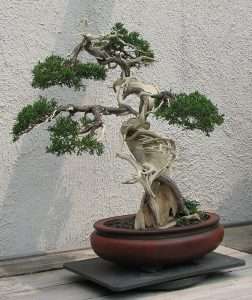
Discover the essentials of Indoor Juniper Bonsai Care! Learn proper lighting, watering, pruning, and fertilizing to keep your bonsai tree healthy and vibrant. Ready to … Read more
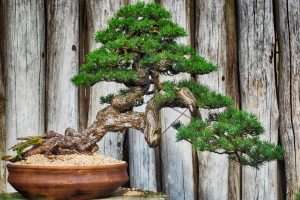
New to bonsai? Our guide to Choosing the Right Bonsai Tree makes it simple! Learn which beginner species—like Ficus, Juniper, and Jade—are easiest to grow … Read more

Explore bonsai garden ideas that bring beauty and tranquility to your home or yard. From indoor shelves and windowsill displays to outdoor pathways, koi ponds, … Read more

Discover how to repot a bonsai for beginners! Learn when and how to repot, the tools you’ll need, and step-by-step tips to keep your bonsai … Read more
Do Bonsai Trees Need Sun? Yes! Explore how much light bonsai trees require, the differences between species, and tips to give your bonsai the perfect … Read more

How Can Juniper Bonsai Be Kept Indoors and help you enjoy the beauty of junipers year-round 🌲. Learn how to adapt this classic outdoor bonsai … Read more

A bonsai tool kit for beginners includes pruning shears, scissors, wire cutters, root hook, tweezers, and soil. Learn how each tool helps your bonsai thrive. … Read more

How Do Bonsai Trees Stay Small? Find out how bonsai trees stay small with expert tips! From pruning and root trimming to container selection, learn … Read more
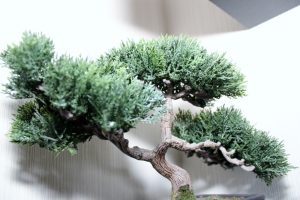
Explore Indoor Bonsai Trees and find the best species for your home. Get simple care tips to help your bonsai thrive in an indoor environment. … Read more

Indoor vs Outdoor Bonsai: Discover which bonsai thrives best in your space. Explore species suited for indoors and outdoors, plus care tips for light, water, … Read more

Explore Penjing vs Bonsai and uncover 7 key differences in history, aesthetics, pots, pruning, and philosophy. Learn what makes each art form unique! Curious about … Read more

Explore the top low light bonsai for indoors, including Ficus, Chinese Elm, Dwarf Jade, and more. Learn care tips to keep your bonsai thriving in … Read more