
If you’re asking What Is the Easiest Plant to Keep Alive Indoors? you’re probably looking for one simple win—not a long list, not a science experiment, and definitely not a plant that punishes small mistakes.
That’s a smart place to start. For beginners, indoor gardening works best when you build confidence with a plant that can handle imperfect light, inconsistent watering, and normal home conditions.
The good news is that there is a clear answer. While several plants are beginner-friendly, one stands out as the most forgiving, flexible, and low-pressure option for indoor spaces.
What You’ll Learn
- 🪴 The single easiest plant most beginners keep alive indoors
- 💧 Why this plant forgives missed waterings better than others
- ☀️ How much light it actually needs (and how little it tolerates)
- 🏠 Why it works well in apartments and everyday homes
- 🧠 What makes a plant truly “easy” for beginners
🌿 So What Is The Easiest Plant to Keep Alive Indoors for Beginners
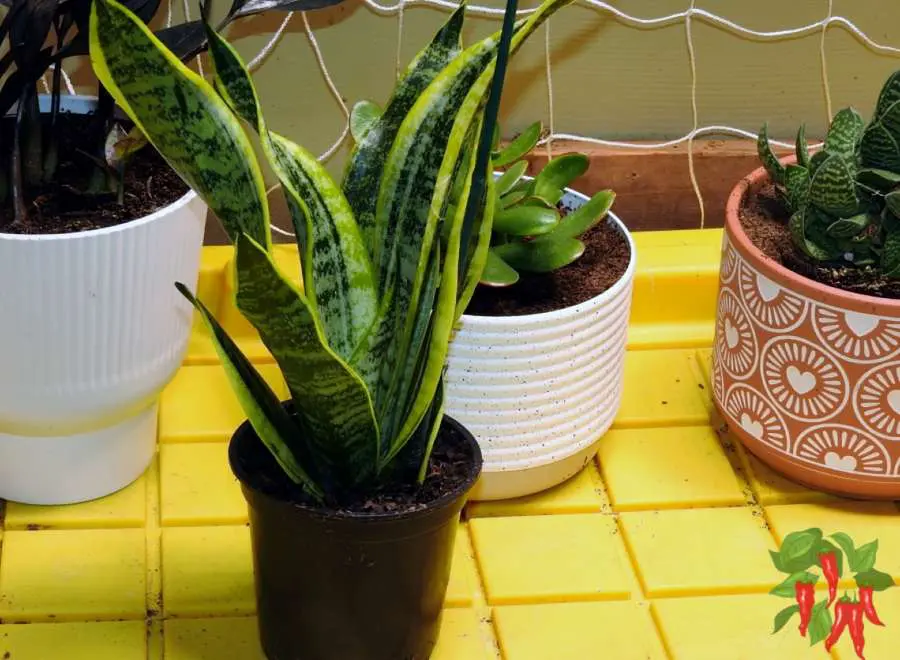
For most people, the easiest plant to keep alive indoors is the snake plant.
This plant consistently succeeds where others struggle because it’s built to handle neglect better than almost any common houseplant. It doesn’t demand perfect light, strict watering schedules, or special humidity.
If you’ve ever said, “I always kill plants,” the snake plant is often the first one that proves you wrong.
🙂 Why Snake Plants Are So Beginner-Friendly
Snake plants succeed indoors because they’re tolerant in the exact areas where beginners struggle most.
- 💧 They handle missed waterings better than wet soil
- ☀️ They adapt to low, medium, or bright indirect light
- 🏠 They’re comfortable in dry indoor air
- 🪴 They grow slowly and don’t demand attention
Instead of reacting quickly to small mistakes, snake plants change gradually. That gives beginners time to notice what’s happening and adjust without panic.
💧 Why Snake Plants Survive Beginner Watering Mistakes
Most beginner plant losses come from overwatering, not underwatering. Snake plants store water in their thick leaves and roots, which means they can go longer between waterings without stress.
This makes them ideal for beginners who aren’t sure when to water—or who tend to water “just in case.”
As long as the soil is allowed to dry between waterings, snake plants are remarkably forgiving.
☀️ How Much Light the Easiest Indoor Plant Really Needs
Another reason snake plants are the easiest plant to keep alive indoors is their flexibility with light.
They can survive in lower-light rooms, adjust to medium light, and even handle brighter indirect light without complaint. While brighter light can encourage faster growth, it’s not required for basic health.
This flexibility makes snake plants especially useful for apartments, offices, and rooms where light isn’t ideal.
🪟 A Simple Placement Rule for Beginners
Place your snake plant where the room feels naturally usable during the day—near a window, but not in harsh direct sun. Then leave it there.
Consistency matters more than finding the “perfect” spot.
🧠 What Actually Makes a Plant Easy for Beginners
The easiest plant to keep alive indoors isn’t the fastest grower or the most dramatic. It’s the one that stays stable when care isn’t perfect.
Beginner-friendly plants share these traits:
- 🧘 Slow, steady growth
- 💧 Preference for drier soil
- ☀️ Tolerance for a range of light levels
- 🪴 Minimal maintenance needs
Snake plants check every one of those boxes.
In the next section, we’ll cover how to care for a snake plant in a beginner-friendly way, common mistakes to avoid, and a few alternative “easy” plants if snake plants aren’t your style.
🪴 How to Care for a Snake Plant the Easy Way
One reason snake plants are the easiest plant to keep alive indoors is that their care routine is simple and forgiving. You don’t need to track schedules or buy special products to keep them healthy.
A beginner-friendly snake plant routine focuses on three things: light, watering, and leaving the plant alone long enough to adjust.
☀️ Light: Flexible, Not Fussy
Snake plants adapt to a wide range of indoor light conditions. They can live in lower-light rooms, but they tend to look best and grow more steadily in medium to bright indirect light.
For beginners, the goal isn’t maximum growth—it’s steady health. A spot near a window where the room feels naturally bright during the day is more than enough.
💧 Watering: Less Is More
Overwatering is the most common mistake beginners make with snake plants. Because they store water in their leaves, they prefer soil that dries out between waterings.
A simple beginner rule:
- 👉 Check the soil with your finger
- 🏜️ If the top few inches feel dry, it’s usually safe to water
- 💦 If the soil still feels damp, wait
In many homes, this means watering every 2–3 weeks, sometimes even less often.
🪟 Pots and Drainage Matter More Than Fertilizer
Snake plants don’t need rich soil or frequent feeding. What they do need is a pot that allows excess water to drain out.
For beginners, this means:
- 🪴 Always use a pot with drainage holes
- 🌱 Choose a basic indoor potting mix
- 🚫 Avoid letting the pot sit in standing water
Good drainage prevents root issues and makes care far more forgiving.
⚠️ Common Beginner Mistakes With Snake Plants
Even easy plants can struggle if a few basic rules are ignored. The good news is that snake plant problems usually develop slowly, giving beginners time to correct course.
Mistakes to avoid:
- 💦 Watering on a fixed schedule instead of checking the soil
- 🔄 Moving the plant frequently
- 🧪 Fertilizing early to “speed things up”
- 🪴 Repotting too soon after bringing it home
In most cases, doing less leads to better results.
🙂 What Success Looks Like for Beginners
With snake plants, success isn’t fast growth—it’s stability. A healthy snake plant may look almost unchanged for weeks, especially in lower light.
Positive signs include:
- 🍃 Upright, firm leaves
- 🎨 Consistent leaf color
- 🪴 Soil that dries at a steady pace
New leaves usually appear after the plant has fully adjusted to its space.
🌱 Easy Alternatives If Snake Plants Aren’t Your Style
While snake plants are the easiest plant to keep alive indoors for many beginners, they’re not the only option. If you prefer a different look, there are a few other forgiving choices.
- 🪴 Plants with thick or waxy leaves tend to handle missed watering better
- 🌿 Slow-growing plants usually require less attention
- ☀️ Plants labeled for low to medium light are often beginner-friendly
The key is choosing plants that match your light and routine, not the ones that look best in photos.
🌿 Easy Houseplant Alternatives for Beginners
| Plant | Why It’s Beginner-Friendly | Light Tolerance |
|---|---|---|
| Pothos | Forgiving of missed watering and adapts easily | Low to medium |
| ZZ Plant | Stores water in roots and leaves, very drought-tolerant | Low to medium |
| Cast Iron Plant | Extremely tough and slow-growing | Low to medium |
| Spider Plant | Gives clear visual cues and recovers easily | Medium |
| Chinese Evergreen | Stable growth and tolerant of average homes | Low to medium |
In the final section, we’ll wrap things up, set expectations for long-term success, answer common beginner questions, and point you to the next steps in beginner indoor gardening.
⏳ How Long the Easiest Indoor Plant Takes to Show Growth
One thing that surprises beginners is how slowly the easiest plant to keep alive indoors can grow. Snake plants are not fast growers, especially in average indoor light.
That slow pace is actually part of why they’re so beginner-friendly. Instead of reacting dramatically to small mistakes, snake plants take their time adjusting and conserving energy.
For most beginners, growth looks like this:
- 🗓️ Several weeks of little visible change
- 🌱 A new leaf emerging after the plant feels settled
- 🪴 Gradual improvement rather than rapid growth
Stability comes first. Growth follows naturally.
🧠 Why Snake Plants Build Beginner Confidence
The biggest benefit of starting with the easiest plant to keep alive indoors isn’t just survival—it’s confidence.
Snake plants allow beginners to learn:
- 👀 How soil moisture really behaves indoors
- ☀️ How light affects plant growth over time
- 🧘 When not to intervene
Once you’ve kept a snake plant healthy for a few months, other houseplants suddenly feel far less intimidating.
❌ When the “Easiest” Plant Can Still Struggle
Even the easiest plant to keep alive indoors can run into trouble under certain conditions. Knowing these limits helps beginners avoid unnecessary frustration.
Snake plants can struggle if:
- 💦 The soil stays wet for long periods
- ❄️ They’re exposed to cold drafts or sudden temperature drops
- 🌑 They’re kept in extremely dark rooms long-term
When issues appear, simplifying care usually fixes the problem faster than adding products or changing routines.
✅ Final Answer: What Is the Easiest Plant to Keep Alive Indoors?
For most beginners, the easiest plant to keep alive indoors is the snake plant. It tolerates missed waterings, adapts to different light levels, and doesn’t demand constant attention.
If you want a low-pressure way to build confidence with indoor plants, starting with a snake plant is one of the most reliable choices you can make.
If you’re just getting started, the Beginner Indoor Gardening: Start Here guide and the full Beginner Indoor Gardening category will help you choose plants, set expectations, and grow with confidence.
🌿 Easy Next Plants to Explore
- Indoor Houseplants – More beginner-friendly options once you’ve got one plant going.
- Indoor Succulents – Tough, low-maintenance choices for busy routines.
- Apartment Gardening – Helpful if your light or space is limited.
❓ What’s the Easiest Plant to Keep Alive Indoors FAQs
What makes a plant easy to keep alive indoors?
Easy indoor plants tolerate missed waterings, adapt to a range of light levels, and grow slowly without requiring frequent care.
How often should beginners water snake plants?
Most beginners only need to water snake plants every 2–3 weeks, once the soil has dried out. Overwatering is the most common problem.
Can snake plants survive in low light?
Yes. Snake plants tolerate low light, though growth will be slower. Medium light usually produces the best balance of health and growth.
Do snake plants need fertilizer to stay alive?
No. Snake plants do not need fertilizer to survive. Beginners should focus on light and watering before considering feeding.
Are snake plants good for apartments?
Yes. Snake plants are excellent for apartments because they handle dry air, limited light, and irregular routines well.
📚 Beginner Indoor Gardening References
If you’d like to learn more about indoor gardening basics from university and educational sources, the following references offer reliable, beginner-friendly information on houseplants, light, and indoor plant care.
🌿 Houseplant Care & Selection
- University of Maryland Extension
Selection and Care of Indoor Plants
- University of Wisconsin–Madison Extension
Houseplant Care Basics
- University of Illinois Extension
Houseplants: Care and Growing Information
☀️ Light, Environment & Indoor Conditions
- Iowa State University Extension
How to Care for Houseplants
- University of California Agriculture & Natural Resources
Caring for Indoor Houseplants
🧠 Additional Beginner Learning
- Cornell Cooperative Extension
Houseplants and Indoor Growing Resources
- University of Missouri Extension
Caring for Houseplants
These references provide general guidance that supports the beginner concepts covered in this guide. Indoor gardening success still depends on your home’s light, space, and routine — so use these as learning tools, not strict rules.


 Steve S. is the creator of