
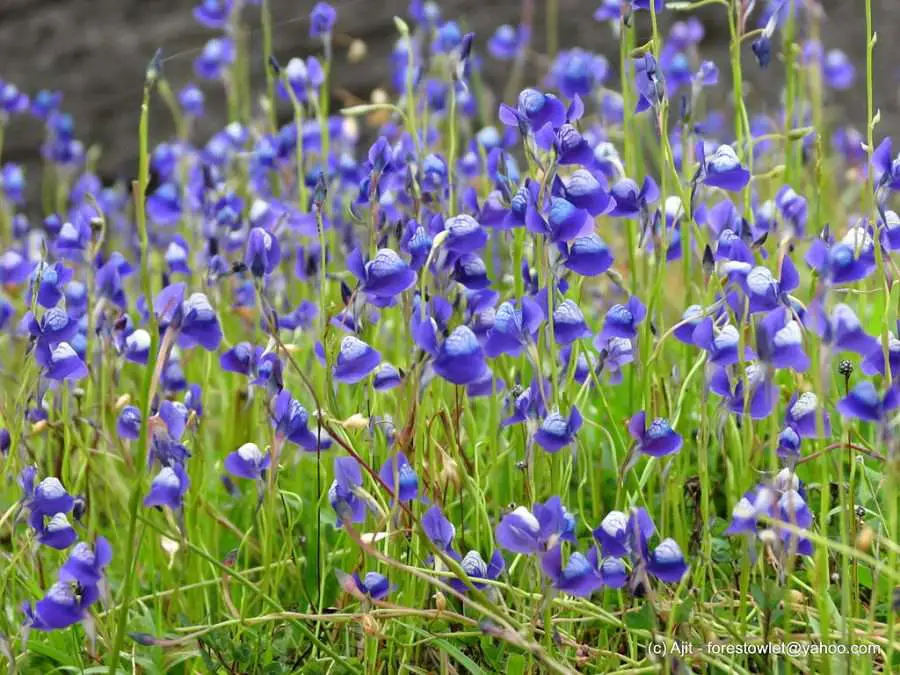
Why Grow Bladderworts?
Dive into the fascinating world of Bladderworts the Forgotten Carnivorous Plants!
These unique plants may not get the same attention as Venus Flytraps or Pitcher Plants, but their hidden beauty and ingenious trapping mechanisms make them true marvels of nature.
From their underground bladders to their orchid-like flowers, bladderworts are carnivorous treasures waiting to be rediscovered.
What Are Bladderworts?
- Bladderworts are carnivorous plants that capture and digest tiny aquatic organisms.
- Found in both fresh and saltwater environments, they use small, bladder-like traps to catch their prey.
- These traps have a trapdoor mechanism that sucks in tiny creatures when triggered.
- Provide acidic, nutrient-poor water and plenty of light for optimal growth.
Growing terrestrial bladderworts is a journey into the world of these often forgotten and overlooked carnivorous plants.
These unique plants thrive in wet, waterlogged soil, prefer moderate light, and showcase intricate flowers.
Their underground trapping mechanism sets them apart, making them a marvel of nature.
Are Bladderworts Forgotten Carnivorous Plants?
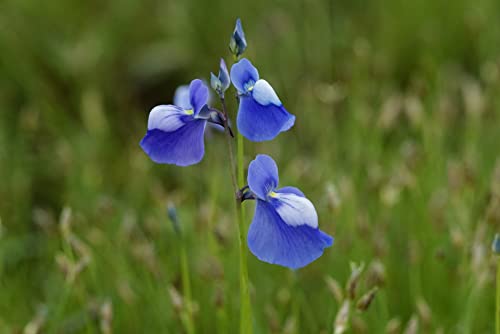
Bladderworts, often overshadowed by their carnivorous counterparts, possess a unique charm and mechanism that’s truly fascinating. Dive into the world of these often-forgotten plants and discover their allure.
Utricularia, commonly and collectively called the bladderworts, is a genus of carnivorous plants consisting of approximately 233 species (precise counts differ based on classification opinions; a 2001 publication lists 215 species).[1] They occur in fresh water and wet soil as terrestrial or aquatic species across every continent except Antarctica. Utricularia are cultivated for their flowers, which are often compared with those of snapdragons and orchids, especially amongst carnivorous plant enthusiasts. From Wikipedia.
Bladderworts Plant Care Reference Guide
| Characteristic | Details |
|---|---|
| Common Name | Bladderworts |
| Botanical Name | Utricularia spp. |
| Native Habitat | Freshwater ponds, wetlands, and damp soils worldwide (except Antarctica) |
| Plant Type | Carnivorous perennial (terrestrial or aquatic) |
| Growth Pattern | Spreading mats, fine foliage with hidden bladder traps |
| Mature Size | Varies by species; generally 2–12 inches tall with small flowers |
| Watering | Keep constantly wet; use rainwater, RO, or distilled water |
| Light/Sun Exposure | Bright, indirect light to full sun (depending on species) |
| Soil Type | Nutrient-poor, wet peat or sandy soils; some are free-floating |
| Soil pH | Slightly acidic (pH 5–6.5) |
| Temperature | Prefers mild to warm conditions; temperate species tolerate near freezing |
| Humidity | High humidity (60–90%) preferred |
| Bloom Time & Flower Color | Spring–summer; flowers resemble snapdragons/orchids, often yellow, purple, or blue |
| Potential Problems | Sensitive to poor water quality, fertilizer, and prolonged drought |
| Repotting | Infrequent; refresh soil or divide clumps every 1–2 years |
| Hardiness Zones (USDA) | Varies by species, generally Zones 3–11 |
The Unique Nature of Bladderworts
Bladderworts, with their intricate trapping mechanisms, stand out in the plant kingdom. Let’s delve into their types and understand their carnivorous nature.
Different Types of Bladderworts
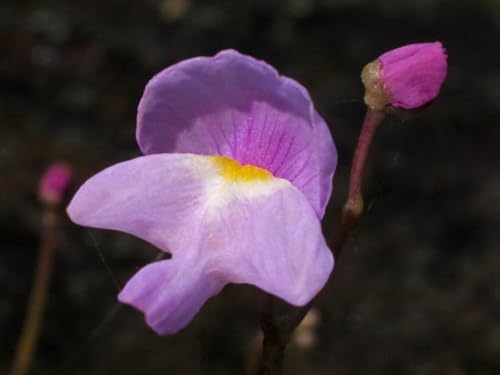
Terrestrial bladderworts are the primary focus here. Unlike their aquatic siblings, they thrive in soil, making them perfect for garden enthusiasts. Their adaptability to various environments is noteworthy.
The Carnivorous Mechanism
The genius of bladderworts lies beneath the surface. Their underground bladders, acting as traps, are nature’s marvels. These traps, efficient and quick, capture tiny organisms, showcasing the plant’s carnivorous side.
Growing and Caring for Terrestrial Bladderworts
Here is a table that shows some popular bladderworts and their hardiness:
| Species | Hardiness Zone |
|---|---|
| Utricularia vulgaris (common bladderwort) | 3-9 |
| Utricularia gibba (floating bladderwort) | 3-11 |
| Utricularia sandersonii (purple bladderwort) | 4-9 |
| Utricularia cornigera (horned bladderwort) | 4-9 |
| Utricularia reniformis (kidney bladderwort) | 5-9 |
| Utricularia livida (bluish bladderwort) | 5-9 |
| Utricularia alpina (alpine bladderwort) | 4-8 |
| Utricularia montana (mountain bladderwort) | 4-8 |
| Utricularia subulata (southern bladderwort) | 7-10 |
| Utricularia intermedia (intermediate bladderwort) | 4-9 |
Growing terrestrial bladderworts can be a rewarding experience. With the right care and conditions, these plants can thrive and showcase their unique beauty.
Bladderwort Growing Tips and Hardiness
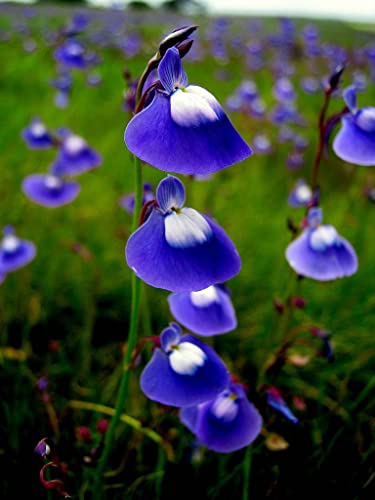
Terrestrial bladderworts are generally considered to be hardy plants, but their hardiness varies depending on the species.
Some species, such as the common bladderwort (Utricularia vulgaris), are quite hardy and can tolerate a wide range of conditions, including cold winters and dry summers.
Other species, such as the southern bladderwort (Utricularia subulata), are less hardy and may require some protection from cold or drought.
In general, terrestrial bladderworts prefer moist, shady conditions, but they can also tolerate some sun.
They are not particularly fussy about soil type, but they do best in well-drained soil.
If you are considering planting terrestrial bladderworts in your garden, it is important to choose a species that is appropriate for your climate.
You should also be prepared to provide some protection from cold or drought, if necessary.
Here are some tips for caring for terrestrial bladderworts:
• Plant them in a moist, shady spot.
• Water them regularly, especially during hot, dry weather.
• Mulch around the plants to help retain moisture.
• Fertilize them lightly in spring and summer.
• Protect them from cold winters if necessary.
• With proper care, terrestrial bladderworts can be a beautiful and low-maintenance addition to your garden.
Soil and Drainage Preferences
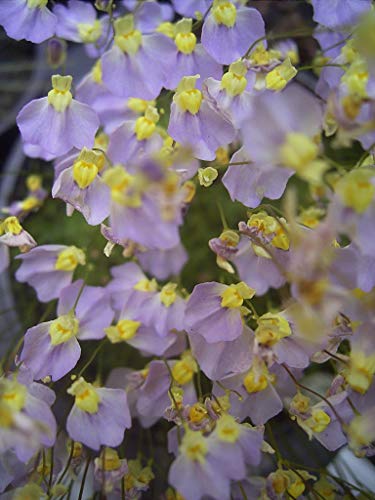
Terrestrial bladderworts have specific soil needs. They prefer a wet, waterlogged environment. Unlike many plants, they thrive in areas with little to no drainage, making their care distinct.
Light and Temperature Requirements
While they’re not overly fussy, bladderworts do have preferences. They enjoy a good amount of light, but not direct scorching sun. Temperature plays a role too, with most species preferring moderate climates.
The Aesthetic Appeal of Bladderworts

Beyond their carnivorous nature, bladderworts offer aesthetic value. Their flowers, especially, are a sight to behold.
The Beauty of Bladderwort Flowers
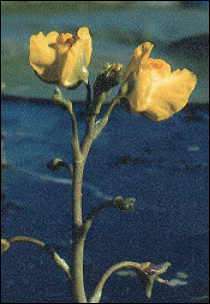 Often compared to orchids, bladderwort flowers are intricate and beautiful. Their delicate petals and vibrant colors make them a favorite among plant enthusiasts.
Incorporating Bladderworts in Home Decor
Their adaptability makes bladderworts perfect for various home decor ideas. From teacups to terrariums, these plants can be a centerpiece, adding a touch of nature’s wonder to any space.
The Science Behind Bladderworts
Bladderworts aren’t just about aesthetics; there’s a wealth of science behind these fascinating plants. Their carnivorous nature and the way they’ve evolved over time offer intriguing insights.
The Complexity of Their Carnivorous Mechanism
Beneath the soil, bladderworts employ a sophisticated mechanism to trap their prey. This system, while invisible to the naked eye, is a testament to nature’s ingenuity. The speed and efficiency with which they capture prey have been subjects of numerous scientific studies.
Research and Studies on Bladderworts
Over the years, experts like Dr. Barry Rice have delved deep into the world of bladderworts. Their findings shed light on the evolutionary significance of these plants and their place in the broader ecosystem.
Aquatic Bladderworts: A Unique Addition to Ponds
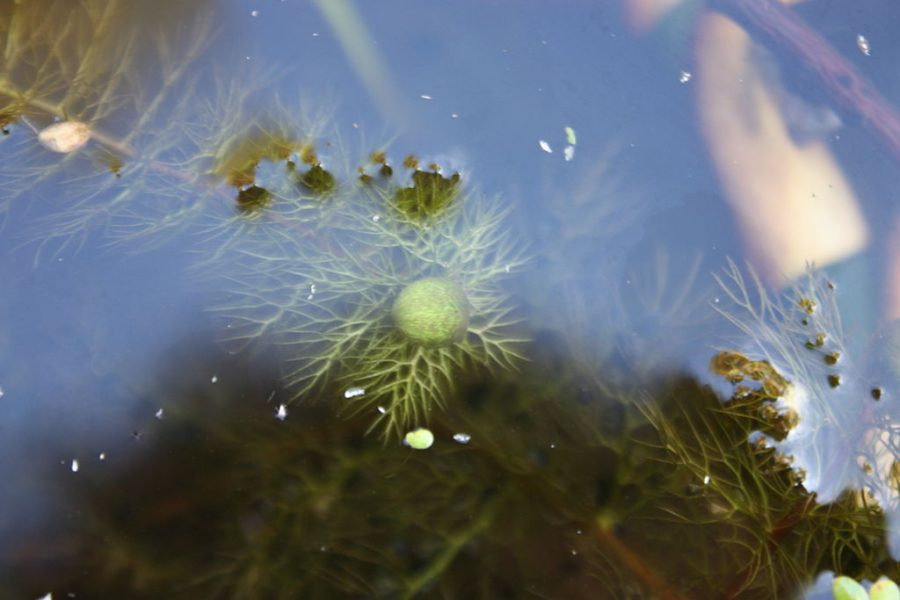
Aquatic bladderworts offer a mesmerizing touch to any pond. Not only do they serve as a natural water filter, but their carnivorous nature also helps in controlling certain aquatic pests. Let’s dive deeper into these floating wonders and see how they can transform your pond into a living spectacle.
Understanding Aquatic Bladderworts
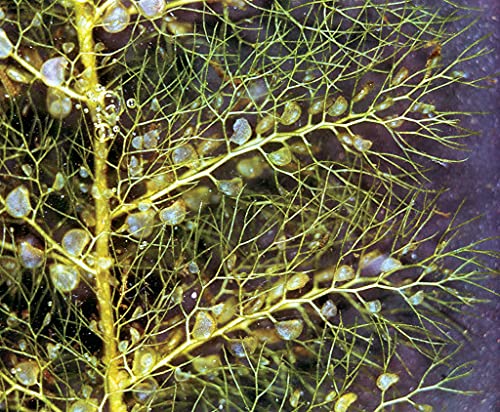
Unlike their terrestrial counterparts, aquatic bladderworts float gracefully on water surfaces. Their fine, feathery leaves often sprawl across the water, creating a delicate green carpet. But don’t be fooled by their gentle appearance; beneath the surface, tiny bladders are at work, trapping unsuspecting prey.
Benefits for Ponds
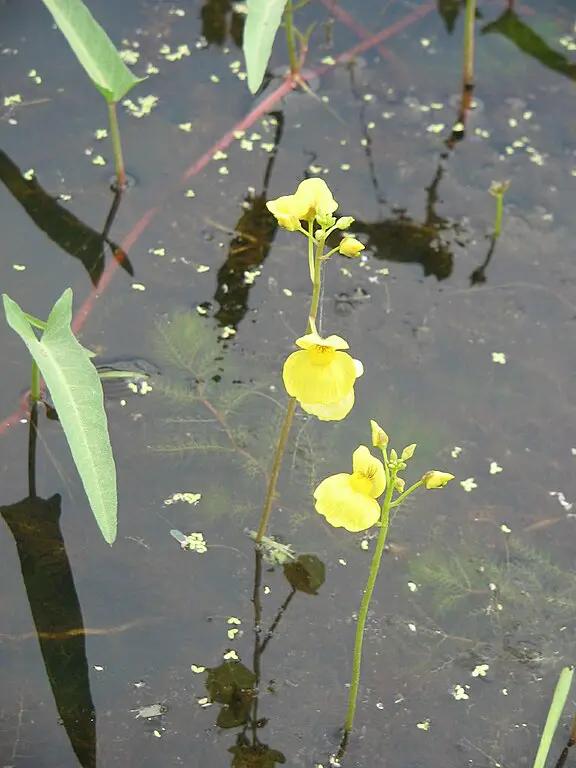
Natural Pest Control: Aquatic bladderworts help in controlling mosquito larvae and other tiny aquatic pests, reducing the need for chemical treatments.
Water Filtration: Their root-like structures absorb excess nutrients from the water, helping in reducing algae blooms and maintaining water clarity.
Growing Conditions
Water Quality: While they’re not overly fussy, bladderworts prefer slightly acidic to neutral pH levels. Regularly check the water quality to ensure it’s optimal.
Light Requirements: Just like their terrestrial siblings, aquatic bladderworts enjoy a good amount of light. However, ensure they’re not exposed to scorching midday sun, which can harm them.
Maintenance and Care
Pruning: Over time, bladderworts can spread across the pond. Regularly prune them to ensure they don’t overshadow other aquatic plants.
Winter Care: In colder regions, consider moving them to a greenhouse or indoor setup during harsh winters.
Integrating with Other Pond Plants
Aquatic bladderworts can coexist beautifully with other pond plants like water lilies and lotuses. However, ensure that they have enough space to grow and spread without competition.
Incorporating aquatic bladderworts into your pond not only adds a touch of nature’s marvel but also brings along functional benefits. As they float and sway with the water’s rhythm, they remind us of the intricate balance and beauty of aquatic ecosystems.
How hardy are aquatic bladderworts?
Aquatic bladderworts, belonging to the genus Utricularia, are quite hardy and adaptable, but their hardiness can vary depending on the specific species and the conditions they’re exposed to. Here’s a breakdown:
Temperature Tolerance:
Most aquatic bladderworts are tropical or subtropical, meaning they thrive in warmer temperatures. However, there are species that can tolerate cooler conditions, and some can even survive mild frosts. For instance, Utricularia vulgaris is a species found in temperate regions and can tolerate cooler temperatures.
Water Quality:
Aquatic bladderworts are not particularly fussy about water quality. They can thrive in a range of pH levels, though slightly acidic to neutral is optimal. They’re also capable of tolerating nutrient-poor waters, thanks to their carnivorous nature which allows them to obtain essential nutrients by trapping tiny aquatic organisms.
Pest and Disease Resistance:
Due to their carnivorous nature, bladderworts have a natural defense against certain pests, especially mosquito larvae. They’re not commonly afflicted by diseases, making them relatively low-maintenance.
Environmental Stress:
While they’re hardy, aquatic bladderworts can be sensitive to environmental stressors like pollution or drastic changes in water parameters. It’s essential to ensure consistent water quality and avoid introducing harmful chemicals into their environment.
Competition:
In a pond setting with multiple plant species, bladderworts can face competition for space and nutrients. While they can coexist with other aquatic plants, it’s essential to monitor their growth and ensure they have enough space.
In conclusion, aquatic bladderworts are relatively hardy and can adapt to a range of conditions. However, like all plants, they have their preferences and limits. If you’re considering adding them to a pond or water feature, it’s essential to research the specific species you’re interested in to ensure it’s suited to your local conditions.
What is the low temperature for survival over the winter
The low-temperature tolerance for aquatic bladderworts varies depending on the species. However, many of the temperate species, can survive in conditions where the water approaches freezing but doesn’t solidify completely.
For instance, Utricularia vulgaris, a temperate species, can tolerate water temperatures close to freezing (just above 0°C or 32°F). In regions where ponds or lakes freeze over in the winter, the bladderwort can survive as long as the entire water column doesn’t freeze solid. They often go dormant, with their buds (turions) sinking to the bottom where the water is slightly warmer. When spring arrives and the water warms up, these buds rise and grow, restarting the plant’s lifecycle.
If you’re considering growing bladderworts in an area with cold winters, it’s essential to ensure:
The pond is deep enough so that it doesn’t freeze solid.
The specific bladderwort species you’re interested in is suited for colder climates.
For those growing bladderworts in containers or smaller water features, it might be a good idea to bring them indoors or to a greenhouse during the coldest months to ensure their survival.
Bladderworts Carnivorous Plants FAQs

Diving into the world of bladderworts often brings up a plethora of questions. Here, we address some of the most common queries about these unique plants.
Q: Why are bladderworts considered carnivorous?
A: Bladderworts have specialized underground bladders that trap tiny organisms, classifying them as carnivorous.
Q: How do bladderworts differ from other carnivorous plants?
A: Unlike many carnivorous plants that use visible traps, bladderworts’ trapping mechanism is mostly underground, making it unique.
Q: What are the best conditions for growing bladderworts?
A: Terrestrial bladderworts thrive in wet, waterlogged soil with moderate light and temperature conditions.
Bladderworts Are the Forgotten Carnivorous Plants Conclusion
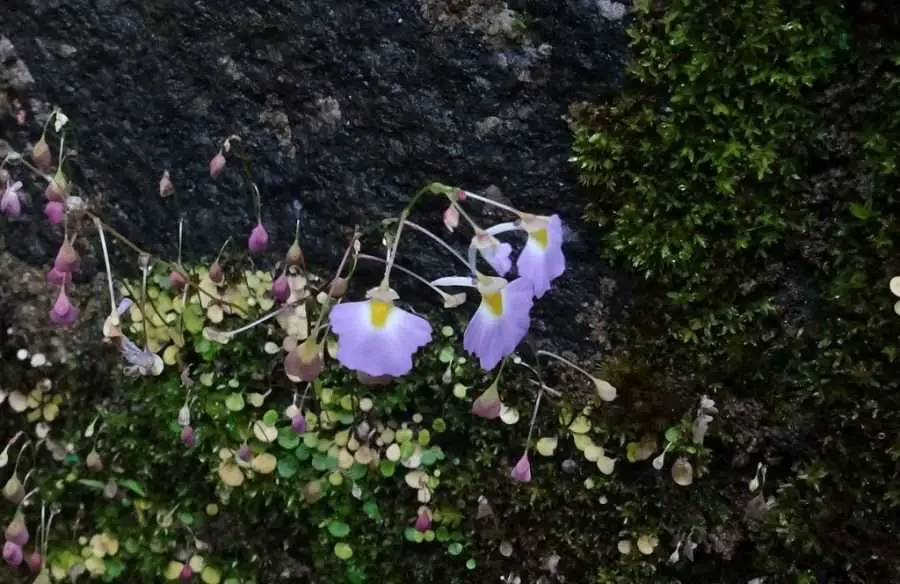
Although Bladderworts are the forgotten carnivorous plants they won’t stay that way for long.
Bladderworts, with their unique trapping mechanisms and beautiful flowers, are truly nature’s hidden gems.
As we’ve explored, there’s more to these plants than meets the eye. Whether you’re a gardening enthusiast or a curious reader, there’s no denying the allure of these often-forgotten carnivorous plants.
Want to grow strange, beautiful carnivorous plants? These expert guides will help you grow and care for Venus Flytraps, Pitcher Plants, Sundews, and more indoors.
🪰 Carnivorous Plants Care Guides
- 📘 Carnivorous Plant Care (Pillar Guide)
- 🌿 How to Grow Sundews Indoors
- 🪴 Cephalotus Follicularis Care
- 🌱 How to Propagate Carnivorous Plants
- 🪰 How to Grow Venus Flytrap
- 🌸 Growing Butterworts Indoors
- 🌴 Nepenthes Truncata Care
- 🐍 Cobra Lily Care
- 🧪 Sarracenia Pitcher Plant Care
- 🫧 Bladderworts: The Forgotten Carnivorous Plants
- 🌿 Nepenthes Pitcher Plant Care
- 💧 Water Quality for Carnivorous Plants
- 🦟 What to Feed Your Venus Flytrap
- 🌟 Best Indoor Carnivorous Plants
- See all articles in our Carnivorous Plants Care category
 Steve S. is the creator of