

Blue Star Fern: Easy Care Tips for Phlebodium aureum an Introduction 🌿
If you’re looking for a fern that’s both striking and surprisingly easy to care for, the Blue Star Fern might just be your new favorite houseplant.
With its soft, blue-green fronds and fuzzy golden rhizomes, this plant stands out from the typical ferns you’ll find in garden shops.
Known scientifically as Phlebodium aureum ‘Blue Star’, it’s a forgiving choice for beginners and much less fussy than Boston or Maidenhair ferns, yet just as lush and decorative.
Whether you’re filling a terrarium, brightening up a bathroom shelf, or adding texture to a living room corner, this fern adapts beautifully.
In this guide, you’ll discover everything you need to know: from light and watering tips, to solving common problems, to propagation and styling ideas that make your Blue Star Fern thrive.
🌱 My Blue Star Fern Discovery Story

I actually stumbled upon my Blue Star Fern completely by surprise. It popped up in my orchid tank that I keep filled with fresh New Zealand sphagnum moss.
At first, I thought it might be some kind of native bog plant because the fronds didn’t look like any fern I knew, and there weren’t any visible spores on the leaves to give me a clue.
Curious (and a little puzzled), I sent a few pictures to ChatGPT and started digging deeper.
That’s when I learned this mystery plant was in fact Phlebodium aureum ‘Blue Star’, a fascinating epiphytic fern native to the tropical Americas.
The real giveaway was the distinctive fuzzy, golden rhizome sometimes nicknamed a “hare’s foot.”
I still have no idea where the spore came from, but I was thrilled to discover it. Best of all, once I started caring for it, I realized how easy it is to grow indoors.
Today it’s thriving, and if you don’t happen to have one appear in your moss tank by chance, you can even pick one up on Amazon.
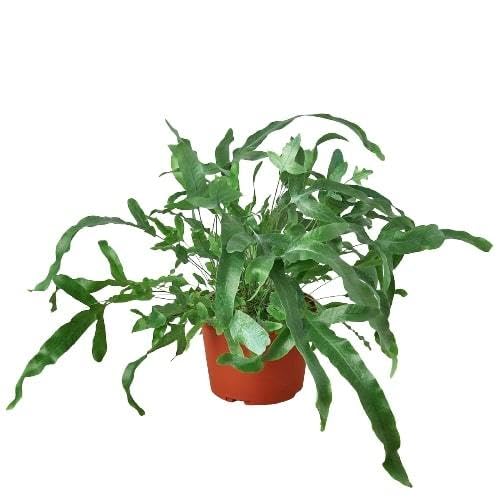
🌟 Quick Profile of the Blue Star Fern
- Scientific Name: Phlebodium aureum ‘Blue Star’
- Family: Polypodiaceae (same family as Polypodium ferns)
- Origin: Tropical Americas, where it often grows epiphytically on trees
- Distinct Features: Soft, lobed fronds with a unique blue-green hue, plus creeping golden rhizomes covered in fuzzy hairs
- Fun Fact: Those fuzzy rhizomes are sometimes called a “hare’s foot” because of their texture—making this fern as quirky as it is beautiful.

Blue Star Fern Care Reference Guide
| Characteristic | Details |
|---|---|
| Common Name | Blue Star Fern |
| Botanical Name | Phlebodium aureum ‘Blue Star’ |
| Native Habitat | Tropical Americas, often epiphytic on trees |
| Plant Type | Evergreen fern, epiphyte |
| Growth Pattern | Arching, lobed fronds with creeping fuzzy rhizomes |
| Mature Size | 1–2 feet tall and wide |
| Watering | Keep evenly moist but not soggy; avoid drying out completely |
| Light/Sun Exposure | Bright, indirect light; tolerates lower light but slower growth |
| Soil Type | Well-draining mix with peat, bark, or sphagnum moss |
| Soil pH | Slightly acidic to neutral (5.5–7.0) |
| Temperature | 60–75°F (16–24°C); avoid drafts and cold air |
| Humidity | High humidity preferred (50–80%); ideal for bathrooms or terrariums |
| Bloom Time & Flower Color | Does not bloom; reproduces via spores |
| Potential Problems | Yellowing fronds (watering issues), brown tips (low humidity), pests like scale or mealybugs |
| Repotting | Every 2–3 years or when rhizomes outgrow the pot |
| Hardiness Zones (USDA) | 9–11 (grown indoors as a houseplant in cooler zones) |
🌿 Blue Star Fern Care Tips

Caring for a Blue Star Fern (Phlebodium aureum ‘Blue Star’) is refreshingly simple compared to many other ferns. With the right balance of light, moisture, and humidity, this plant rewards you with soft, blue-green fronds and a bold tropical vibe.
Let’s look at the key care essentials to keep your fern thriving indoors.
🌞 Light Requirements for Blue Star Fern
Your Blue Star Fern thrives best in bright, indirect light. A few feet away from an east- or north-facing window is ideal, where the fronds get plenty of gentle brightness without the harsh rays.
This fern can tolerate lower light conditions, but you’ll notice slower growth and fewer new fronds over time. If your plant looks a little stretched or pale, it’s probably craving more light.
Avoid direct sunlight, especially from south- or west-facing windows. The delicate fronds scorch easily, leaving brown or crispy patches.
💡 Best placement tips:
- Near sheer-curtained windows for filtered light
- On a plant stand in a bright room
- In terrariums or bathrooms with good natural light
- Under grow lights if your space is dim
💧 Watering & Humidity Needs
The Blue Star Fern loves consistent moisture but hates sitting in soggy soil. Aim to keep the soil evenly moist, watering when the top inch feels slightly dry.
Letting it dry out completely stresses the plant, while overwatering can suffocate the roots.
Because this fern is native to tropical forests, it thrives in high humidity environments. Bathrooms, kitchens, or terrariums make excellent spots.
If your air is dry, consider using a humidifier, pebble tray, or regular misting to keep the fronds lush.
💡 Extra tips:
- Mist lightly in the mornings so fronds dry before evening.
- Place the pot on a pebble tray with water (without letting the roots sit directly in water).
- Group it with other plants to create a natural humidity pocket.
⚠️ Signs to watch for:
- Overwatering: Yellowing fronds, mushy rhizomes, or a musty smell.
- Underwatering: Dry, crispy tips and wilting fronds.
With the right balance of moisture and humidity, your Blue Star Fern will reward you with soft, vibrant growth all year round.
🌱 Soil & Potting
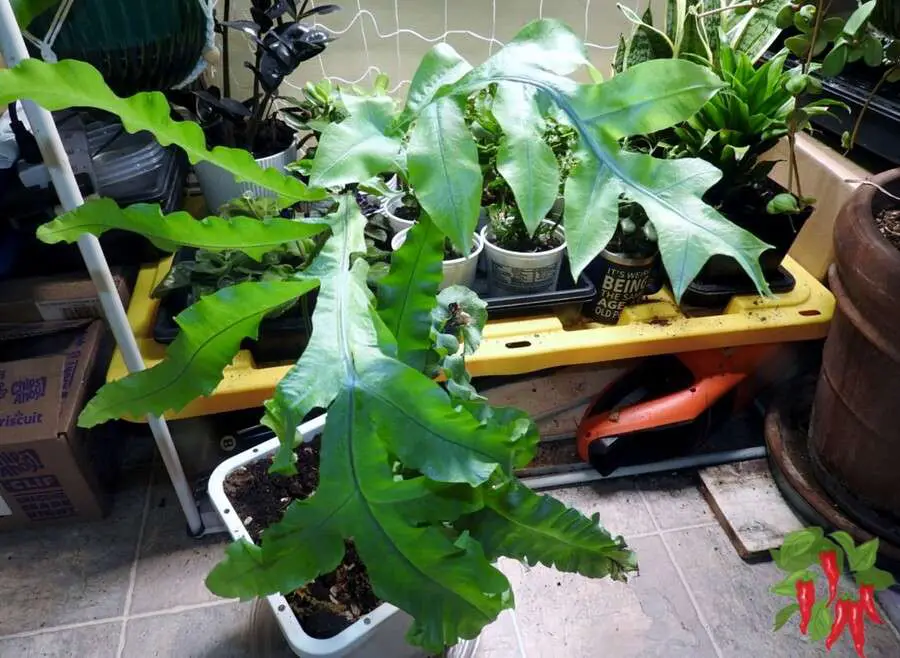
The Blue Star Fern is an epiphyte in the wild, meaning it naturally grows on trees rather than in dense soil.
To mimic these conditions indoors, use a loose, airy, and well-draining mix.
Mine is planted in coco coir with some grow stones but adding some perlite will also work
A blend of standard houseplant soil mixed with orchid bark, peat, or sphagnum moss also works.
Always choose a pot with drainage holes. This prevents water from pooling around the fuzzy rhizomes, which can quickly lead to rot.
Shallow, wide pots or hanging planters work especially well since the rhizomes like to creep along the surface.
💡 Potting tips:
- Repot every 2–3 years, or when rhizomes start spilling over the edge.
- Handle the rhizomes gently. They’re tough but covered in delicate golden fuzz.
- Terracotta pots help wick away excess moisture, while plastic pots hold humidity longer.
With the right soil and container, your Blue Star Fern will stay happy and healthy without the risk of soggy roots.
🌿 Fertilizer & Feeding Tips
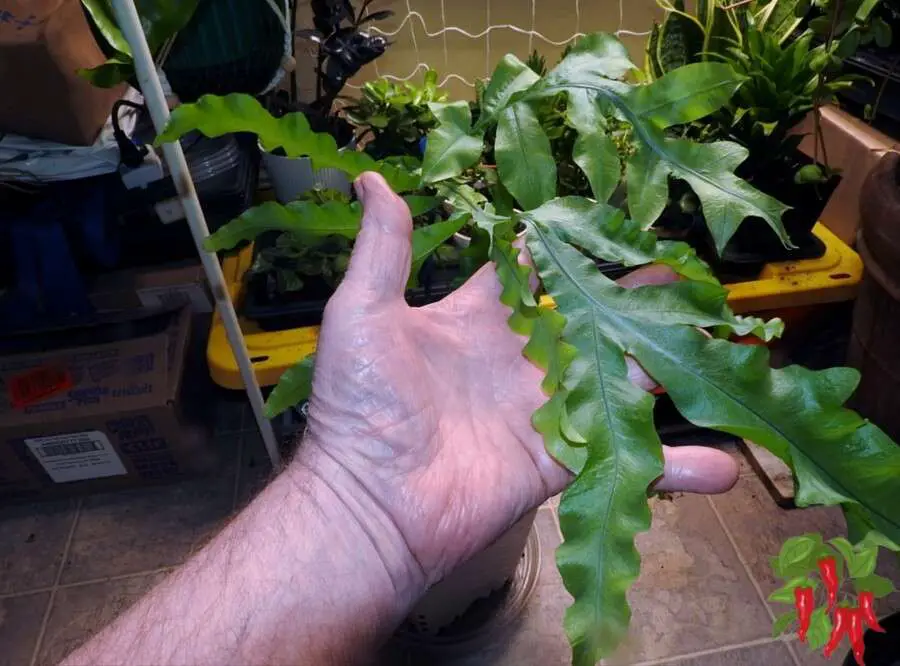
The Blue Star Fern isn’t a heavy feeder, but it does appreciate a little boost during the active growing months.
Use a balanced liquid houseplant fertilizer, diluted to half strength, about once a month in spring and summer. This keeps the fronds lush and encourages steady growth.
During fall and winter, the plant slows down, so you can pause feeding until growth picks up again.
⚠️ Avoid over-fertilizing: too much can burn the fronds and damage the delicate roots. When in doubt, less is more.
💡 Feeding tip: Organic options like seaweed extract or fish emulsion can give your fern gentle nutrition without the risk of chemical burn.
With light, consistent feeding, your Blue Star Fern will stay vibrant and healthy year-round.
🌼 Propagation of Blue Star Fern
Unlike some houseplants that grow easily from cuttings, the Blue Star Fern is best propagated by dividing its rhizomes.
These fuzzy, golden runners creep along the soil surface and naturally spread outward, making division simple.
✨ Step-by-step Blue Star Fern propagation:
- Gently remove the fern from its pot and shake off excess soil.
- Look for sections of rhizome with at least 2–3 healthy fronds attached.
- Using clean scissors or a sharp knife, carefully separate a section from the main plant.
- Replant each division into a pot with fresh, well-draining mix.
- Water lightly and keep in a warm, humid spot until established.
The best time to propagate is spring or early summer, when the plant is actively growing. With a little patience, each division will root and grow into a full, bushy fern of its own.
⚠️ Common Blue Star Fern Problems & Solutions
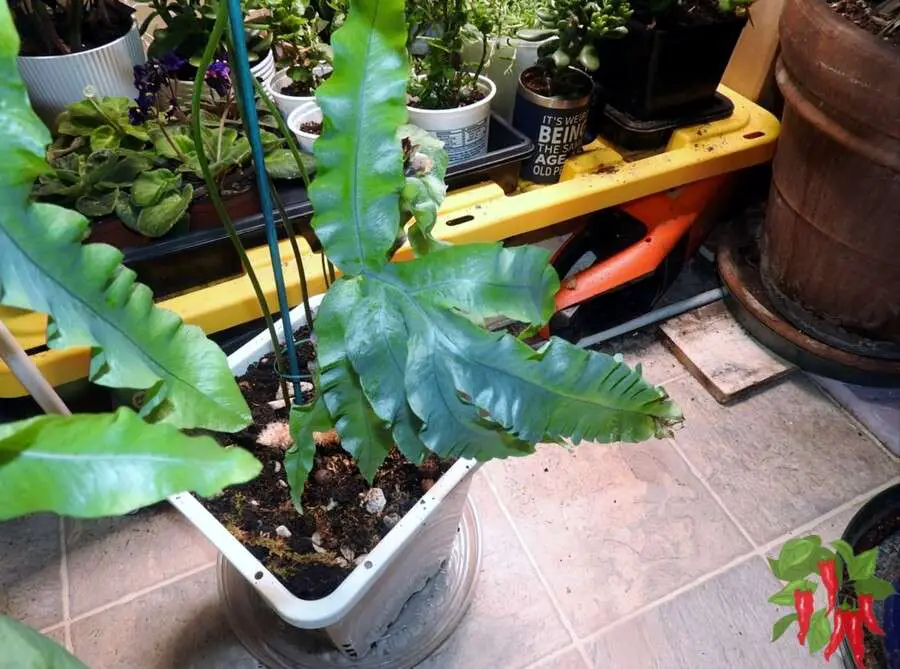
Even though the Blue Star Fern is easier than most ferns, it can still run into a few issues. Luckily, most are simple to fix once you know the signs.
🌼 Yellowing Fronds
- Usually caused by overwatering or poor drainage.
- Solution: Let the top inch of soil dry before watering again and ensure the pot has drainage holes.
🌿 Brown or Crispy Tips
- A sign of low humidity or underwatering.
- Solution: Mist regularly, use a pebble tray, or run a humidifier nearby.
🌱 Drooping or Limp Leaves
- Can be due to too little light or compacted soil.
- Solution: Move to a brighter spot with indirect light and repot in fresh, airy mix if needed.
🐞 Pests (Scale, Mealybugs, Spider Mites)
- These pests sometimes hide on fronds or rhizomes.
- Solution: Wipe leaves with a damp cloth or neem oil spray, and isolate the plant if infestation is heavy.
💡 Quick Tip: Blue Star Ferns are very resilient and most problems come down to light, water, or humidity, and correcting those usually brings it back to health.
🌍 Styling & Benefits of Blue Star Fern
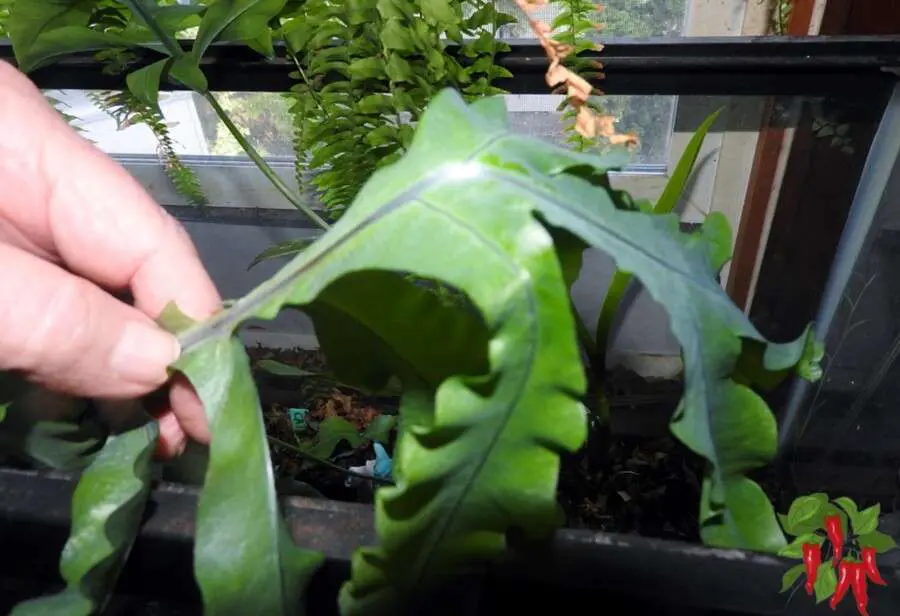
The Blue Star Fern isn’t just easy to care for, it’s also a gorgeous way to add texture and color to your indoor jungle.
Its soft, blue-green fronds stand out beautifully against darker green plants, giving your space a modern, calming vibe.
✨ Styling Ideas:
- Place on a plant stand where its arching fronds can spill gracefully.
- Tuck it into a bathroom or kitchen for natural humidity.
- Use in terrariums or glass bowls with moss for a tropical look.
- Pair with orchids, peperomias, or trailing vines for a mini jungle feel.
🌿 Blue Star Fern Benefits:
- Naturally air-purifying, helping freshen your indoor space.
- Pet-safe (non-toxic to cats and dogs), making it a worry-free choice for homes with animals.
- Adds a lush, exotic feel without requiring the constant pampering other ferns need.
The Blue Star Fern is the perfect balance of beauty and low-maintenance care, making it an easy win for both beginner and seasoned plant lovers.
❓ Blue Star Fern Care FAQ
Q: How do you care for a Blue Star Fern indoors?
A: Give it bright, indirect light, evenly moist soil, and high humidity. Avoid direct sun and let the top inch of soil dry slightly between waterings.
Q: Where is the best place to put a Blue Star Fern?
A: Bathrooms, kitchens, or bright living spaces with filtered light are perfect. Just avoid hot, direct sun from south or west windows.
Q: How often should I water my Blue Star Fern?
A: Water when the top inch of soil feels dry. Keep the soil consistently moist but never soggy.
Q: Should I mist my Blue Star Fern?
A: Yes—mist lightly to boost humidity, but don’t rely on misting alone. Pebble trays or humidifiers are more effective.
Q: Can a Blue Star Fern be grown outside?
A: Only in warm, humid climates (USDA zones 9–11). In cooler regions, it should stay indoors.
Q: What problems do Blue Star Ferns usually have?
A: Yellow fronds from overwatering, brown tips from low humidity, and occasional pests like scale or mealybugs.
Q: What fertilizer is best for Blue Star Ferns?
A: A balanced liquid houseplant fertilizer, diluted to half strength, once a month in spring and summer.
Q: Is the Blue Star Fern toxic to pets?
A: No—Blue Star Ferns are non-toxic to cats and dogs.
Q: Is the Blue Star Fern rare?
A: It’s unique but not rare. Many garden centers and online shops (including Amazon) carry it.
Q: How do you propagate a Blue Star Fern?
A: By dividing the rhizomes—each section should have 2–3 fronds attached before replanting.
🌟 Blue Star Fern Conclusion
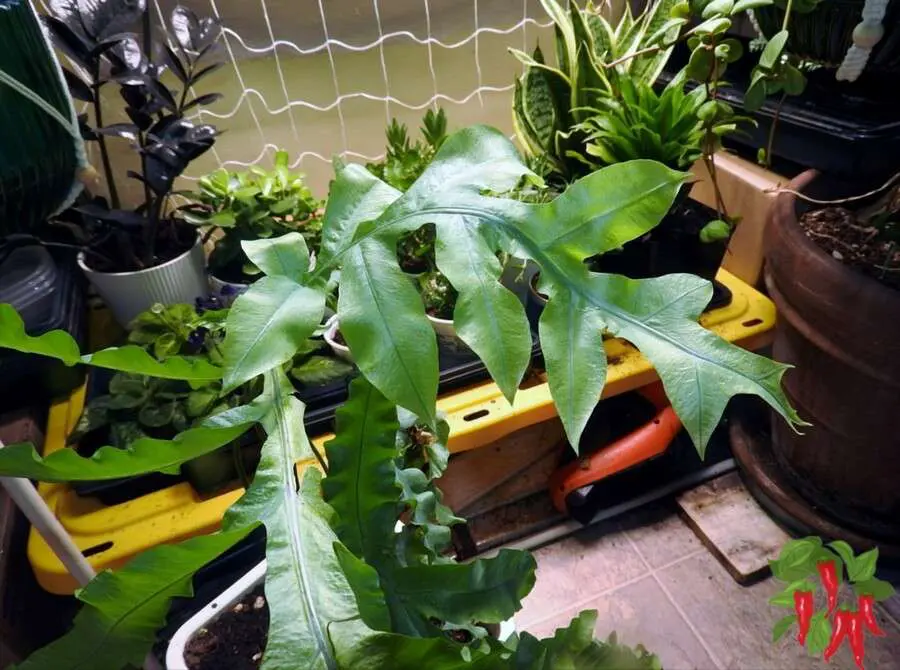
The Blue Star Fern (Phlebodium aureum ‘Blue Star’) is proof that ferns don’t have to be fussy. With its soft, blue-green fronds and quirky fuzzy rhizomes, it brings texture and charm to any space—without demanding constant attention.
By giving it bright, indirect light, consistent moisture, and high humidity, you’ll have a thriving fern that looks at home in bathrooms, terrariums, or cozy living rooms. And since it’s non-toxic to pets, you can enjoy its beauty worry-free.
Ready to add one to your collection? Whether you find a surprise spore like I did or order a plant online, the Blue Star Fern is a reliable, eye-catching choice that rewards you with lush greenery all year long. Pick one up on Amazon.
The Blue Star Fern (Phlebodium aureum ‘Blue Star’) is an easy-care houseplant with blue-green fronds and fuzzy golden rhizomes. It thrives in bright, indirect light, evenly moist but well-draining soil, and high humidity. Non-toxic to pets, this fern is ideal for bathrooms, terrariums, or living rooms and can be propagated by dividing rhizomes.
Phlebodium aureum (golden polypody, golden serpent fern, cabbage palm fern, gold-foot fern, blue-star fern, hare-foot fern;[1] syn. Polypodium aureum, Polypodium leucotomos) is an epiphytic fern native to tropical and subtropical regions of the Americas. https://en.wikipedia.org/wiki/Phlebodium_aureum
🌿 Indoor Fern Growing Guides
Want to fill your home with lush, vibrant greenery? These expert indoor fern guides will help you grow everything from Boston ferns to exotic Staghorns with ease!
- 🌿 Indoor Ferns Care (Pillar Guide)
- 🌱 Asparagus Fern Indoor Care
- 🍃 Boston Fern Care Indoors
- 🌾 Japanese Bird’s Nest Fern
- 🪴 Crocodile Fern Indoor Care
- 🍀 Maidenhair Fern Care Indoors
- 🌳 Japanese Holly Fern Indoor Care
- 🪹 Caring for Bird’s Nest Fern Indoors
- 🪷 Staghorn Fern Care Indoors
- 🌟 Blue Star Fern: Easy Care Tips for Phlebodium aureum
- See all articles in our Indoor Ferns category
 Steve S. is the creator of