

Carnivorous Plant Terrarium Ideas
Carnivorous Plant Terrarium Introduction 🌿
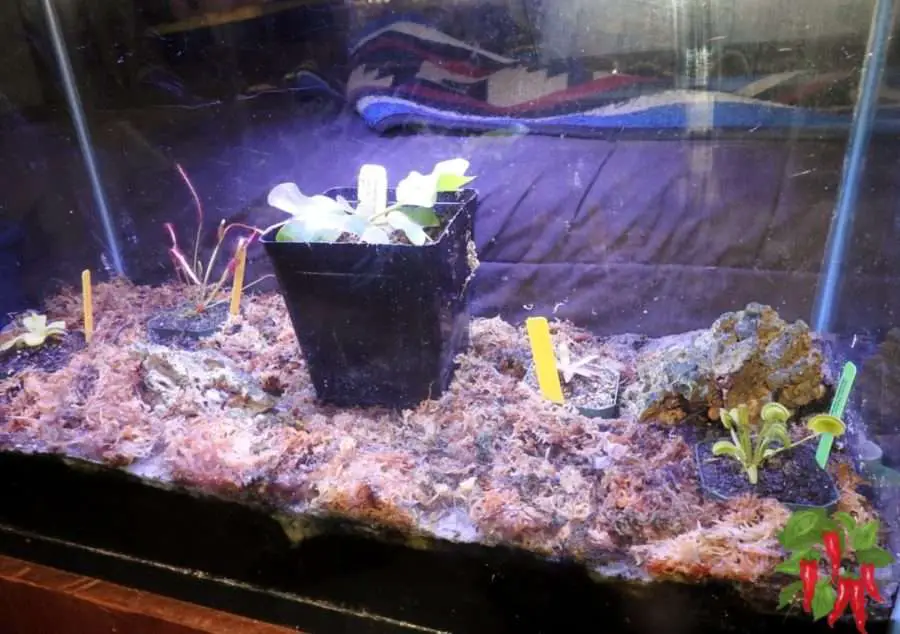
Hey there! Have you ever wanted your own little indoor jungle where the plants eat bugs instead of soil nutrients? 🐞🪰
That’s exactly what a carnivorous plant terrarium gives you, a glass-enclosed, humid world full of Venus flytraps snapping shut, sundews curling their tentacles, pitcher plants forming exotic cups, and butterworts trapping gnats with sticky leaves.
You’re about to learn exactly how to build a carnivorous plant terrarium from choosing the right container to setting up the perfect, mineral‑free environment.
Whether you’ve rescued a leaky aquarium like mine or starting fresh, by the end of this post you’ll be ready to grow Venus flytraps, sundews, pitcher plants, and more, all in one humid, magical little world.
You’ll learn how to transform an old aquarium into a humid, insect‑eating plant haven.
From choosing the right substrate and lighting to selecting Venus flytraps, sundews, pitcher plants, and more, this step‑by‑step guide walks you through building and caring for your own carnivorous plant terrarium.
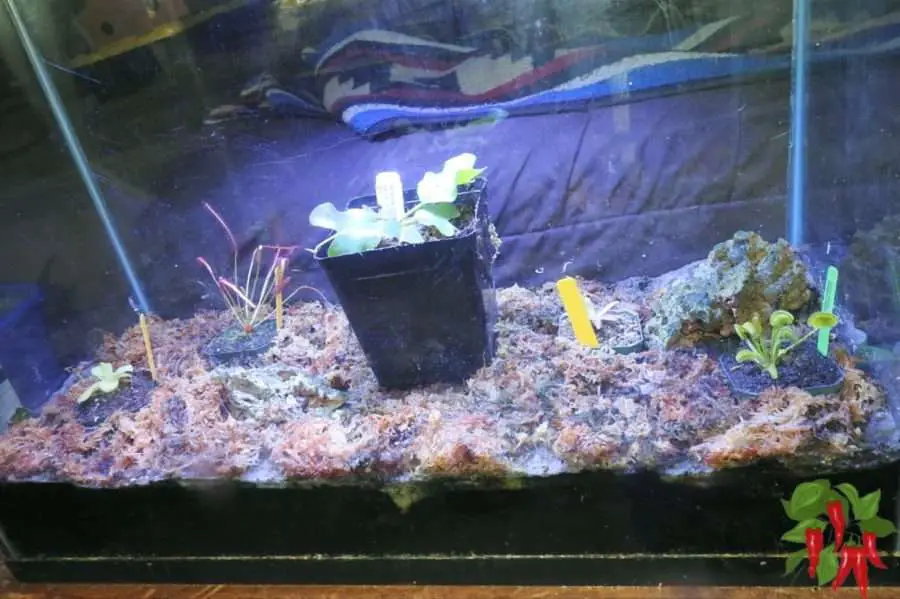
In this guide, you’ll learn how to build one from scratch. I’ll share my personal setup using a repurposed 37-gallon fish tank (yes, my discus tank sprung a leak, but the tank got a second life 🐟➡️🌱).
You’ll get step-by-step instructions on the right substrate, water, lighting, humidity, plant selection, feeding, and maintenance. By the end, you’ll have the confidence to build your own thriving terrarium.
📽️ My Carnivorous Plant Terrarium Video
Want to see this setup in action? In this video, I walk you through my own carnivorous plant terrarium—from the repurposed aquarium to the plants, substrate, and lighting. It’s a hands-on look at how everything comes together so you can follow along and build your own!
1. Choosing the Right Container 🪟
Your terrarium is essentially a mini-ecosystem, and the container sets the stage.
- Aquariums/Fish Tanks: My go-to! A 37-gallon leaky tank became my carnivorous plant haven. Larger tanks are great because they hold humidity and allow for multiple plants.
- Glass Terrariums: Available in cube, hexagon, or dome styles. They’re lighter and more decorative for smaller spaces.
- DIY Options: Big jars, large clear storage bins, or even old reptile enclosures can work if you provide ventilation.
👉 Pro Tip: Bigger is better. Carnivorous plants love humidity and stable conditions, which are easier to maintain in a larger container.
Fish Tank Carnivorous Plant Terrarium
Your terrarium can be as simple as that old fish tank you have lying around. That’s what I used—a 37‑gallon aquarium (previously home to discus fish) that sprang a leak halfway down. It became an ideal humid greenhouse for my carnivorous plants! 🐠➡️🌱
Fish tanks are great because they retain humidity and allow for bottom watering. You can also use open or closed containers. Just be aware that a closed terrarium holds humidity better, while an open setup allows airflow.
2. Building the Substrate (Soil Mix) 🌱
Carnivorous plants are bog dwellers and they don’t want nutrient-rich soil.
If you pot them in Miracle-Gro, they’ll die. Instead, you need a nutrient-free, acidic, well-aerated medium.
Here are safe substrate options:
- Coco Coir + Sand (what I use): 3 inches of coco coir topped with sand. Neutral pH, nutrient-free.
- Sphagnum Peat Moss + Perlite: Classic bog mix; retains moisture but drains well.
- Long-Fiber Sphagnum Moss: Excellent for maintaining humidity; can even regenerate if live.
🚫 Avoid: Potting soil, compost, bark chips, or anything with fertilizer. These burn carnivorous plant roots.
This combo ensures no fertilizers or nutrients in the soil to harm the plants.
Some growers prefer mixes like peat + perlite or sphagnum peat and sand. Just make sure they’re mineral‑free.
I have been growing carnivorous plants indoors and outdoors with coco coir. It’s not as acidic as peat, but I get great results with it.
3. Water Quality 💧
Carnivorous plants can’t handle minerals or salts in water. Using the wrong water is the #1 killer of terrarium setups.
Safe choices:
- Distilled water (cheap and available everywhere)
- Rainwater (nature’s best option if clean)
- Reverse Osmosis (RO) water (from aquarium or filter systems)
👉 My tap water measures only 30 ppm TDS (total dissolved solids), so I use it directly. If yours is above 50 ppm, stick to distilled/RO.
4. Adding Moss for Humidity 🌿
I layered New Zealand long‑fiber sphagnum moss over my substrate. It maintains humidity and looks great. In closed terrariums, such moss also helps trap moisture and sustain humidity levels.
I love using New Zealand long-fiber sphagnum moss. Spread it over your soil:
- Helps retain moisture
- Keeps the terrarium looking lush
- Can sometimes green up and grow back
It also creates a naturalistic environment where sundews and butterworts really shine.

5. Lighting: The Fuel for Growth 💡
Carnivorous plants need bright, consistent light to thrive. Outdoors, they bask in full sun. Indoors, you’ll need to replicate that with:
- Full-Spectrum LED Grow Lights: Best option; efficient, long-lasting.
- Aquarium Lights: Work well (that’s what I started with).
- Sunlight from Windows: Only if you have a bright south-facing window year-round.
⚡️ My Setup: A strong LED grow light at just 10% power—enough to acclimate plants without burning them.
Lighting: Keep It Bright
Carnivorous plants naturally grow outdoors in full sunlight, and you’ll want to recreate these conditions.
Carnivorous plants need strong light. An LED grow light is best, even a strong LED aquarium light works.
Mine is a VIPARSPECTRA 165W LED Aquarium Light.

I like being able to balance the spectrum with this LED light.
I keep mine at just 10% power to let the plants acclimate gradually.
You’ll want full‑spectrum light, whether artificial or, in summer, by a bright window.
6. Plant Choices for a Terrarium 🪴
Here’s the fun part—choosing your “bug eaters”!
Venus Flytrap (Dionaea muscipula ‘Dentata’)
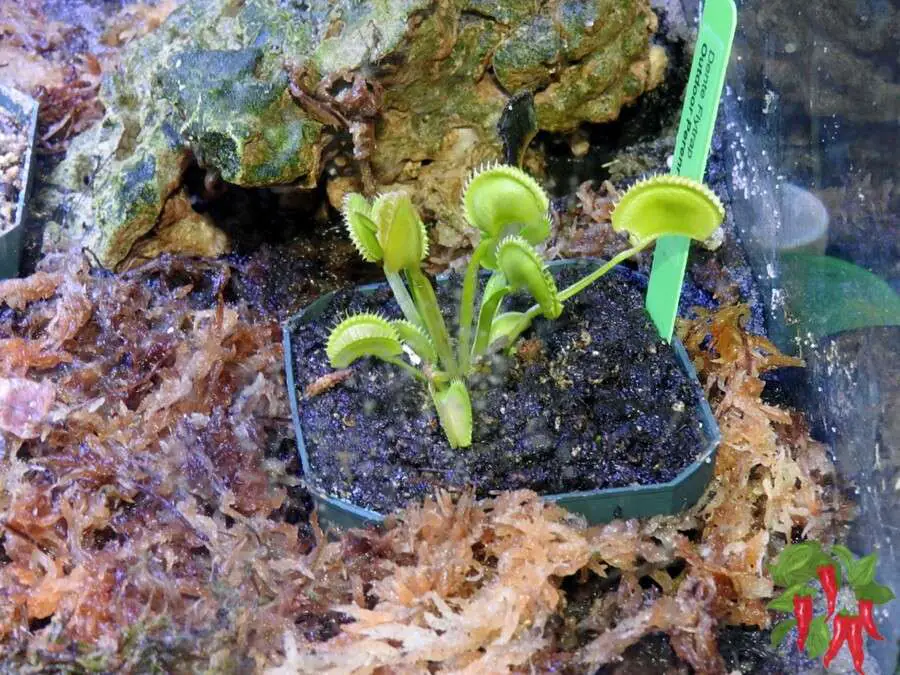
- Famous snapping traps
- Loves bright light, damp soil
- This one has wicked-looking teeth on the traps
- Great conversation starter 👀
Butterwort (Pinguicula ‘Aphrodite’)
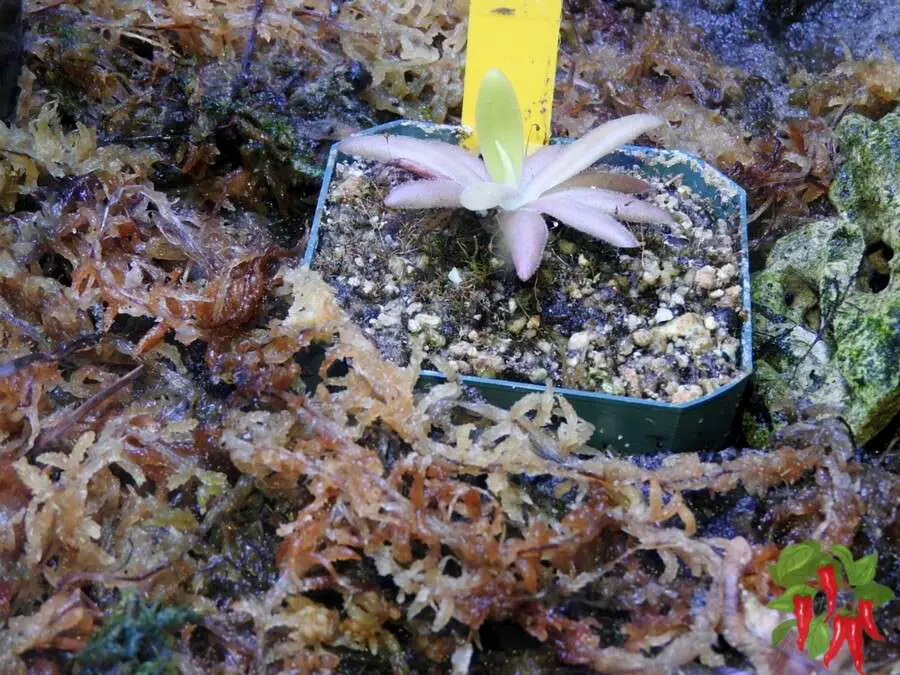
- Rosette of sticky leaves
- Great for catching fungus gnats indoors
- Pretty pink to lavender flowers
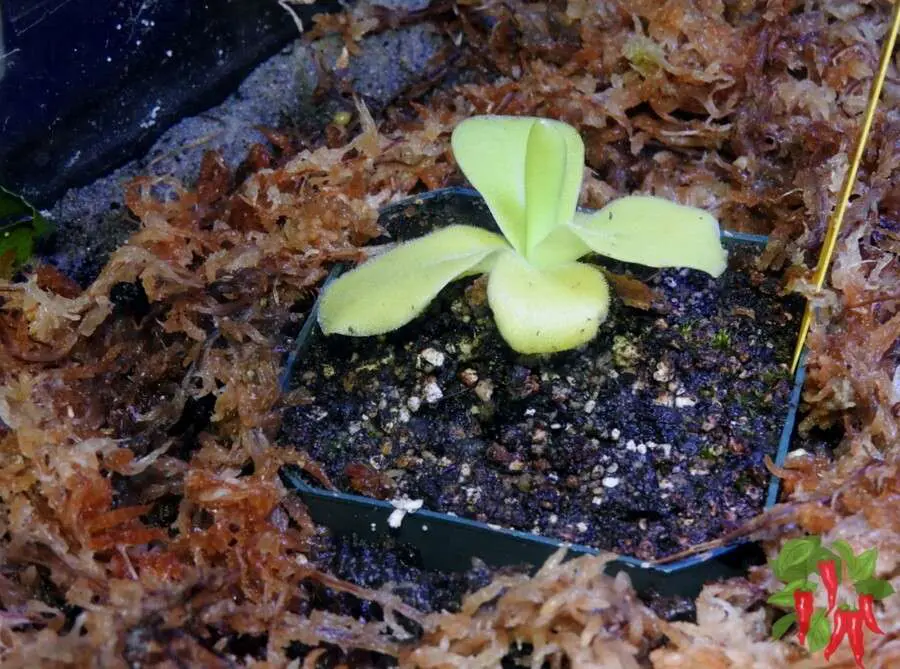
- ‘Giganta’ can reach up to 1 foot across
Butterwort (Pinguicula ‘Giganta’)
Pitcher Plant (Nepenthes truncata)
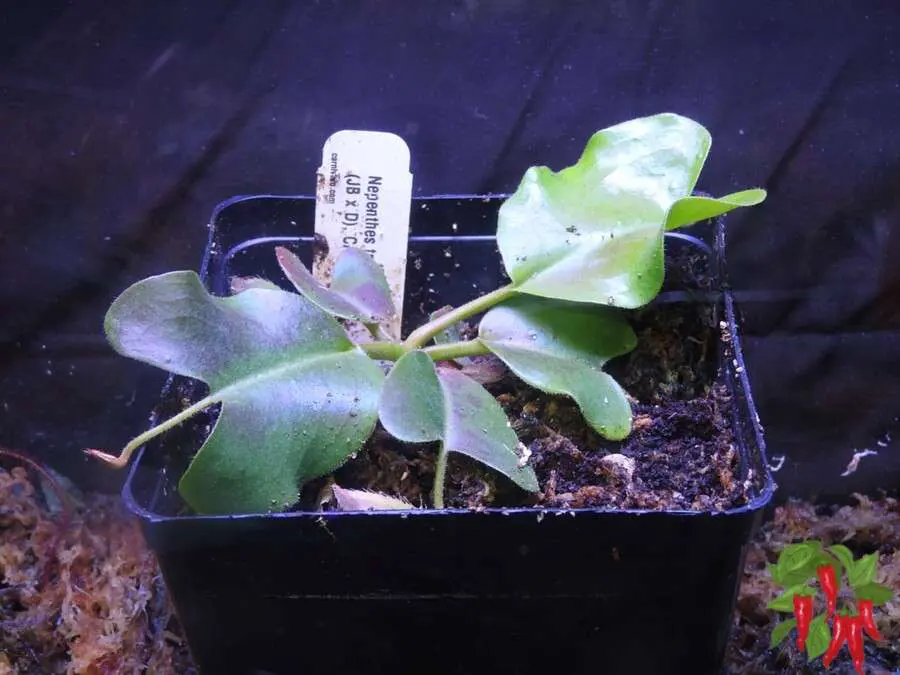
- Young plants form small cups, mature ones can grow HUGE (2–3 ft)
- Prefers high humidity and strong light
- Becomes the “centerpiece” of your terrarium
My truncata came from Carnivero and here is a non affiliate link to it: https://www.carnivero.com/products/nepenthes-truncata-jb-x-d-car-0183 as well as a picture of a mature plant.
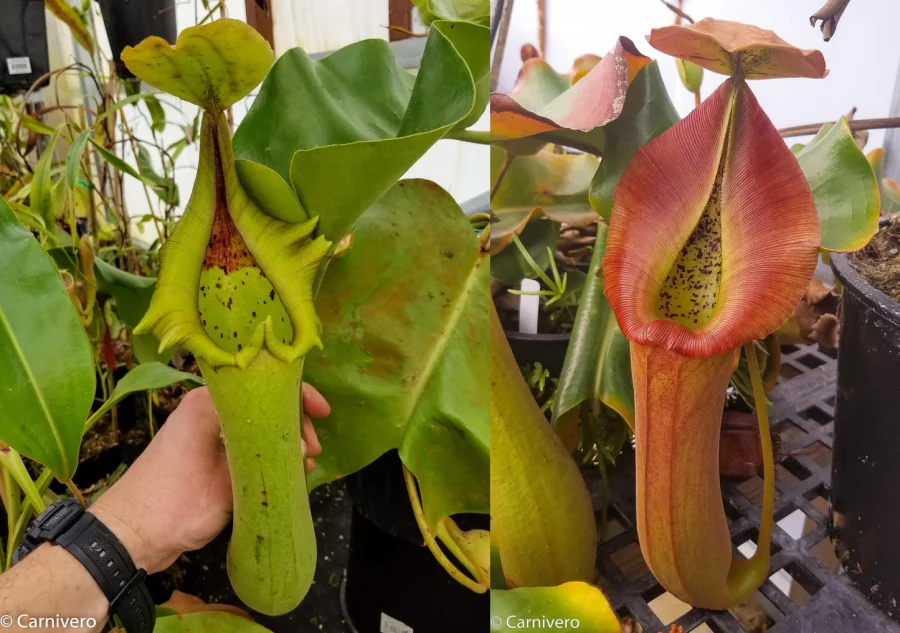 https://www.carnivero.com/products/nepenthes-truncata-jb-x-d-car-0183
Sundew (Drosera sp. ‘Montague Pass’)
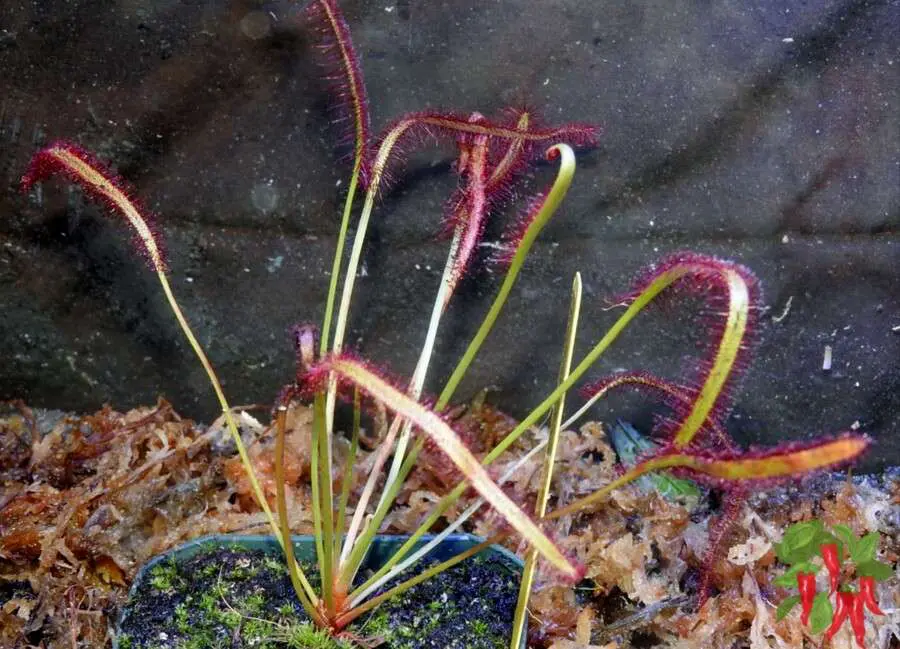
- Tiny tentacles glisten like dew drops ✨
- Tentacles curl around prey when caught
- Easy grower in humid conditions
- Use South African Varieties
Plant Selection & Placement
Here’s what I added—each with its unique pest‑catching charm:
- Venus Flytrap (Dentata variety) – classic snapping trap, wicked “teeth” for visual interest
- Butterworts (Pinguicula ‘Aphrodite’ & ‘Giganta’) – sticky leaves that trap insects
- Nepenthes (truncata) – young pitcher plant with dramatic cups; can grow 2–3 ft wide
- Sundew (Drosera ‘Montague Pass’) – sticky tentacles that curl around prey
Each plant likes similar conditions: humidity, bright light, and mineral‑free water. Plus, they’re tropical, so you won’t need to force dormancy—though temperate types might.
7. Feeding Your Plants 🍽️
Contrary to popular belief, carnivorous plants don’t need to be hand-fed daily. But indoors, they may not catch enough bugs on their own.
Safe foods:
- Dried insects (crickets, mealworms)
- Betta fish flakes or pellets
- Live fruit flies (if you’re brave 😅)
🚫 Don’t Feed: Hamburger, cheese, lunch meat—these will rot and kill the plant.
Feeding (If Needed)
Sure, they catch bugs—but indoors, do you feed them?
-
Skip myths about hamburgers or cheese—ick!
-
Use fish food flakes, dried insects, or even bugs from around the house
-
A light feed once a month is good—sundews will curl on their own if they catch something
8. Watering & Humidity Tips 🌧️
- Use the tray method: Keep 1–2 inches of water at the bottom so pots can wick up moisture.
- Maintain 60–80% humidity for Nepenthes and sundews.
- Avoid letting the substrate dry out completely.
👉 My aquarium holds a shallow reservoir because the leak was halfway down—it’s perfect for self-watering!
Bury the pots in the grow medium so they can wick up water. These are bog plants, so they need to always have wet soil.
9. Common Mistakes to Avoid ❌
- Using tap water with minerals
- Planting in potting soil or compost
- Keeping them in low light
- Overfeeding with human food
- Letting the terrarium overheat in summer sun
10. Maintenance & Long-Term Care 🛠️
- Prune dead leaves to prevent rot.
- Clean glass so light gets through.
- Repot every 2–3 years into fresh medium.
- Vent occasionally to prevent mold buildup.
- Consider adding springtails or isopods as a cleanup crew. 🐜
Ongoing Maintenance Tips
- Keep the light consistent and gentle
- Clean the glass so light can penetrate
- Avoid overwatering, overheating, or overcrowding plants
- Trim dead parts to prevent decay
- If you notice mold, open the lid
My terrarium is open topped. I think these plants need adequate ventilation. Remember these plants are used to growing outdoors. I really don’t recommend a closed top.
11. Seasonal Care & Dormancy 🌤️
Not all carnivorous plants need dormancy, but some do:
- Tropical species (Nepenthes, tropical sundews, butterworts) – thrive indoors year-round.
- Temperate species (Venus flytraps, hardy sundews, Sarracenia) – need a cool dormancy in winter.
I have learned Venus Fly Traps can be grown indoors and will go dormant for a time, even in a terrarium. Cooler temperatures and lower light levels can help. They may turn black, but don’t panic, as this is natural.
👉 If you only want an easy terrarium, stick with tropical varieties.
Frequently Asked Questions About Carnivorous Plant Terrariums 🧐🌱
Q: Can I use tap water for my carnivorous plant terrarium?
A: Only if it’s very soft (under 50 ppm total dissolved solids). Most tap water contains minerals that build up and kill carnivorous plants. If in doubt, stick with distilled, rain, or RO water.
Q: Do carnivorous plants need fertilizer?
A: Nope! Fertilizer will burn their roots. These plants evolved to get nutrients from insects, not soil. Feeding them insects or fish food is enough.
Q: How often should I feed the plants?
A: Once or twice a month is plenty. Overfeeding can cause mold or stress the plant. If bugs wander in naturally, you don’t need to feed them at all.
Q: Can I grow Venus flytraps in a terrarium year-round?
A: You can, but keep in mind Venus flytraps are temperate—they naturally need a 3–4 month dormancy in cooler temps. Without it, they may weaken over time. Tropical plants like Nepenthes, sundews, and butterworts are better for year-round terrariums.
Q: How do I prevent mold in a closed terrarium?
A: Crack the lid occasionally, add a small computer fan for airflow, or introduce springtails as a natural cleanup crew. Avoid overwatering and remove dead leaves promptly.
Q: What’s the ideal humidity for carnivorous plants?
A: Most tropical carnivorous plants thrive at 60–80% humidity. Venus flytraps and some sundews can tolerate lower humidity if they’re kept wet.
Q: Can carnivorous plants eat too many bugs?
A: Yes—especially Venus flytraps. Each trap only closes a few times before dying, so constant triggering or overfeeding can exhaust the plant.
Q: Do I need special lights for my terrarium?
A: Yes—full-spectrum LED grow lights are ideal. Carnivorous plants need strong light to make food. Without enough light, they get weak, pale, and stop producing traps or pitchers.
Q: Can I keep fish or other pets in the same tank?
A: It’s not recommended. Fish need nutrient-rich water and fertilizers, which will harm the plants. Terrariums for carnivorous plants should be kept nutrient-free.
Q: How long will my plants live in a terrarium?
A: With proper care, many species live for years. Venus flytraps can live decades, and Nepenthes can grow into giant vines that outlive the terrarium itself.
Q: Do carnivorous plants attract pests indoors?
A: Not really—most catch fungus gnats, flies, or small bugs that already sneak into homes. If anything, they reduce pests by eating them.
Q: Can I use a heat mat for my terrarium?
A: Only if you’re growing tropical species in a cold climate. Most carnivorous plants prefer bright light over bottom heat. Overheating can cause problems.
Q: What’s the easiest carnivorous plant for beginners?
A: Butterworts and tropical sundews are very forgiving. Venus flytraps are iconic but fussier because of their dormancy needs. Pitcher plants (Nepenthes) grow fast but need humidity.
Q: Can I grow carnivorous plants outdoors instead?
A: Absolutely—many growers keep Venus flytraps and hardy sundews outside in bog gardens. But a terrarium is a great indoor option, especially for tropical species.
Q: How do I know if my plant is unhealthy?
A: Warning signs include yellowing leaves, traps that don’t open, pitchers drying out early, or mold on the soil. Usually, it’s due to bad water, poor light, or too much fertilizer.
Carnivorous Plant Terrarium Summary
| Step | What to Do | Why It Matters |
|---|---|---|
| Container | Aquarium/terrarium | Holds humidity, light, and plants |
| Substrate | Coco coir, peat + perlite, sphagnum moss | Nutrient-free for safe growth |
| Water | Distilled, rain, RO | Prevents mineral burn |
| Lighting | LED grow lights | Fuels photosynthesis |
| Plants | Venus flytrap, sundew, pitcher, butterwort | Bug-eating stars |
| Feeding | Fish food or dried insects | Provides nutrients safely |
| Maintenance | Prune, vent, clean | Keeps the terrarium healthy |
How To Build a Carnivorous Plant Terrarium: Final Thoughts 🌟
And that’s it, now you’ve got all the tools to build your own carnivorous plant terrarium.
From repurposing an old fish tank to carefully selecting the right substrate, water, lighting, and plant lineup, you can create a thriving little bug-eating ecosystem right in your living room.
I got my carnivorous plants from https://www.growcarnivorousplants.com/ and I recommend them. (Not an affiliate link)
Give a DIY Carnivorous Plant Terrarium a Try
It’s not just gardening—it’s like building your own science experiment 🌱🔬.
Every day you’ll get to watch the sundew curl around its prey or a Venus flytrap snap shut, and that never gets old.
You’ve Got This!
So grab a tank, a few plants, some distilled water, and a grow light—and start building your own living, breathing terrarium today. Happy gardening, and don’t forget to stay green! 💚
Thanks to the aquarium’s humidity, the coco core’s neutral, nutrient-free base, clean water, strong light, and a killer lineup of Venus flytraps, sundews, butterworts, and a pitcher plant, you’ve built a mini-jungle that thrives on catching bugs.
It’s a rewarding project that keeps your indoor garden interesting and alive, especially when the outside world winds down.
So repurpose that leaky tank, pick up an LED light, and let’s make something endlessly fascinating. Happy gardening—and stay green!
🪰 Carnivorous Plants Care Guides
Want to grow strange, beautiful carnivorous plants? These expert guides will help you grow and care for Venus Flytraps, Pitcher Plants, Sundews, and more indoors.
- 📘 Carnivorous Plant Care (Pillar Guide)
- 🌿 How to Grow Sundews Indoors
- 🪴 Cephalotus Follicularis Care
- 🌱 How to Propagate Carnivorous Plants
- 🪰 How to Grow Venus Flytrap
- 🌸 Growing Butterworts Indoors
- 🌴 Nepenthes Truncata Care
- 🐍 Cobra Lily Care
- 🧪 Sarracenia Pitcher Plant Care
- 🫧 Bladderworts: The Forgotten Carnivorous Plants
- 🌿 Nepenthes Pitcher Plant Care
- 💧 Water Quality for Carnivorous Plants
- 🦟 What to Feed Your Venus Flytrap
- 🌟 Best Indoor Carnivorous Plants
- See all articles in our Carnivorous Plants Care category

 Steve S. is the creator of