
Looking to add charm and good fortune to your home? With our guide to Chinese Money Plant Care Indoors, you’ll learn how to enjoy this stylish, easygoing plant while transforming your space into a greener, happier retreat.
Discover the secrets to Chinese Money Plant Care Indoors! Master the art of growing this popular, low-maintenance houseplant with our easy-to-follow guide. Here’s how:
- Chinese Money Plant care indoors involves placing the plant in a location with bright, indirect light and well-draining soil.
- Water moderately, allowing the soil to dry out slightly between waterings.
- Fertilize monthly with a balanced liquid fertilizer during the growing season.
- These simple steps will help ensure a healthy, thriving plant.
If you’ve ever wondered how to keep your Chinese Money Plant thriving indoors, you’ve come to the right place.
We’ve got the inside scoop on Chinese Money Plant Care Indoors, and we’re excited to share it with you.
![Pilea Peperomioides (Friendship Chinese Money Plant) [Winter Thermal Packaging Included] | Easy Care, Live Indoor House Plants, House Decor & Office Decor Live Plants in Nursery Pot, Pet-Friendly](https://m.media-amazon.com/images/I/41uxMJWDPlL._SL500_.jpg "Pilea Peperomioides (Friendship Chinese Money Plant) [Winter Thermal Packaging Included] | Easy Care, Live Indoor House Plants, House Decor & Office Decor Live Plants in Nursery Pot, Pet-Friendly")
So, get ready to roll up your sleeves and learn the best tips and tricks to help your UFO plant (yep, that’s one of its many nicknames) grow happy and healthy in the cozy comfort of your home. Let’s dive in, shall we?
Chinese Money Plant Care Indoors

Get yourself a Chinese Money Plant hanging basket
Are you ready to become the ultimate caretaker for your Chinese Money Plant?
Well, buckle up, because we’re about to embark on an exciting journey, exploring the ins and outs of Chinese Money Plant Care Indoors.
We’ll reveal all the secrets to nurturing this fabulous, low-maintenance houseplant, ensuring it flourishes in your cozy indoor haven.
So, let’s get started and unlock the mysteries of keeping your pancake plant (another awesome nickname) happy and thriving!
Chinese Money Plant Care Reference Guide
| Characteristic | Details |
|---|---|
| Common Name | Chinese Money Plant, Pancake Plant, UFO Plant, Friendship Plant |
| Botanical Name | Pilea peperomioides |
| Native Habitat | Shady, rocky areas in Yunnan and Sichuan provinces of southern China |
| Plant Type | Evergreen perennial houseplant |
| Growth Pattern | Clumping growth with offshoots from the base |
| Mature Size | Up to 12 inches (30 cm) tall and wide |
| Watering | Water every 1–2 weeks; allow top inch of soil to dry out between waterings |
| Light/Sun Exposure | Bright, indirect light; avoid direct sunlight to prevent leaf scorch |
| Soil Type | Well-draining potting mix with peat, perlite, and compost |
| Soil pH | Slightly acidic to neutral (6.0–7.0) |
| Temperature | 60–75°F (15–24°C); protect from drafts and cold |
| Humidity | Average household humidity; benefits from occasional misting |
| Bloom Time & Flower Color | Rare indoors; small, white to pinkish flowers |
| Potential Problems | Overwatering (root rot), leggy growth from low light, pests like aphids, mealybugs, and spider mites |
| Repotting | Every 1–2 years in spring; divide offshoots for propagation |
| Hardiness Zones (USDA) | 10–12 (grown indoors elsewhere) |
Brief History Unveiled
![Pilea Peperomioides (Friendship Chinese Money Plant) [Winter Thermal Packaging Included] | Easy Care, Live Indoor House Plants, House Decor & Office Decor Live Plants in Nursery Pot, Pet-Friendly](https://m.media-amazon.com/images/I/515tpnUDG0L._SL500_.jpg "Pilea Peperomioides (Friendship Chinese Money Plant) [Winter Thermal Packaging Included] | Easy Care, Live Indoor House Plants, House Decor & Office Decor Live Plants in Nursery Pot, Pet-Friendly")
Hey, did you know that the Chinese Money Plant, or Pilea peperomioides, has quite an interesting backstory?
It was first discovered by Scottish botanist George Forrest way back in the early 1900s in southern China.
Later on, Norwegian missionary Agnar Espegren helped spread its charm throughout Scandinavia.
This plant spread across Europe by friends sharing it with friends. Earning it the nickname Sharing Plant. Pretty cool, huh?
The Rise of a Star
You might have noticed that this adorable plant has been gaining some serious popularity in recent years.
Thanks to social media and the plant’s easygoing nature, it’s now a beloved staple in homes all around the globe.
Meet the Cultivars
Adding to the excitement, there are three unique cultivars you should know about: the sweet “Sugar,” the striking “White Splash,” and the captivating “Mojito.” Each one brings its own special flair to the Pilea family.
Getting to Know Pilea peperomioides
![Pilea Peperomioides (Friendship Chinese Money Plant) [Winter Thermal Packaging Included] | Easy Care, Live Indoor House Plants, House Decor & Office Decor Live Plants in Nursery Pot, Pet-Friendly](https://m.media-amazon.com/images/I/418Kf37GEUL._SL500_.jpg "Pilea Peperomioides (Friendship Chinese Money Plant) [Winter Thermal Packaging Included] | Easy Care, Live Indoor House Plants, House Decor & Office Decor Live Plants in Nursery Pot, Pet-Friendly")
Alright, let’s take a closer look at the characteristics of our leafy friend, the Chinese Money Plant.
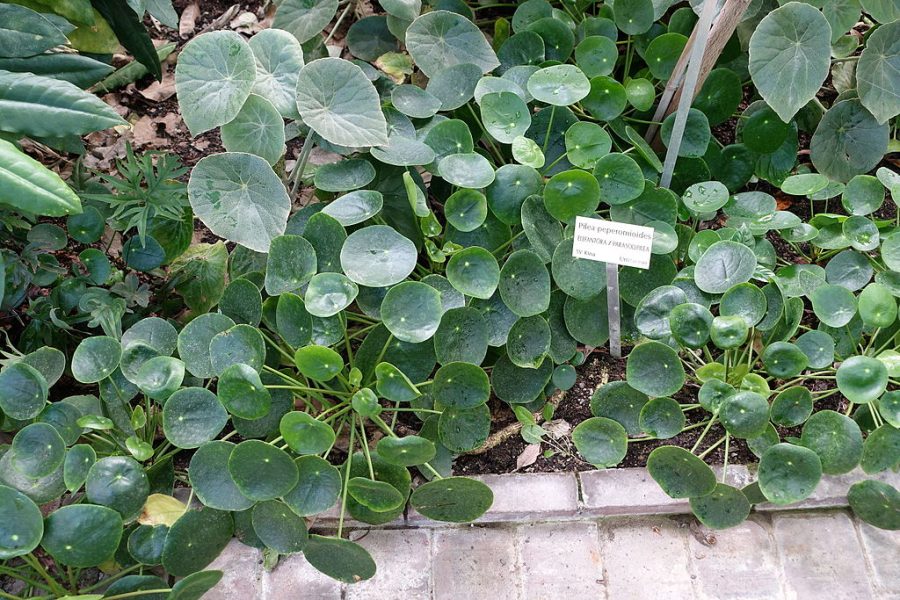
According to Wikipedia: Pilea peperomioides, the Chinese money plant, UFO plant, pancake plant or missionary plant, is a species of flowering plant in the nettle family Urticaceae, native to Yunnan and Sichuan provinces in southern China.
The Plant’s Portrait
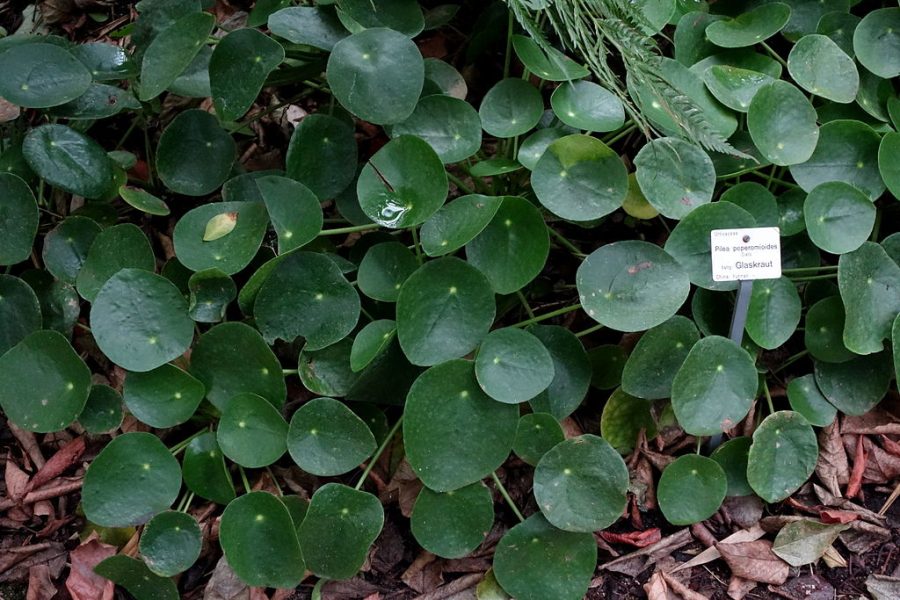
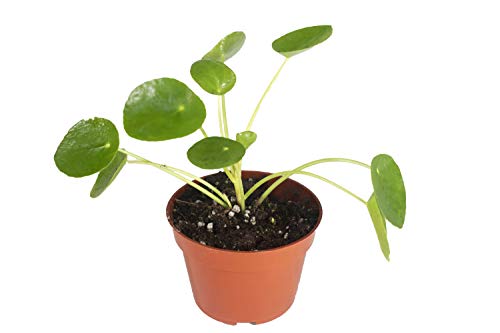
This evergreen perennial plant stands tall with its erect posture and charming, circular peltate leaves. It’s got a quirky vibe that’s sure to brighten up any room!
Size Matters
Typically, your Chinese Money Plant will grow up to 30 cm tall (about 12 inches) and wide, making it a fantastic compact addition to your indoor jungle.
Doppelgängers Alert!
Believe it or not, this plant has a few look-alikes, including Peperomia, Nasturtium, Umbilicus, and Hydrocotyle. Keep an eye out for these sneaky copycats!
Home Sweet Home
In the wild, you’ll find Pilea peperomioides nestled among shady, damp rocks in forests at altitudes ranging from 1,500 to 3,000 meters (4921 to 9842 feet). It’s no wonder they love a cozy indoor environment!
Despite the high altitudes this plant is not frost hardy and can be grown outdoors only in USDA hardiness zones 10 -12.
Caring for Indoor Chinese Money Plants
![Pilea Peperomioides (Friendship Chinese Money Plant) [Winter Thermal Packaging Included] | Easy Care, Live Indoor House Plants, House Decor & Office Decor Live Plants in Nursery Pot, Pet-Friendly](https://m.media-amazon.com/images/I/41b7GmfQ68L._SL500_.jpg "Pilea Peperomioides (Friendship Chinese Money Plant) [Winter Thermal Packaging Included] | Easy Care, Live Indoor House Plants, House Decor & Office Decor Live Plants in Nursery Pot, Pet-Friendly") Alright, it’s time to dive into the nitty-gritty of Chinese Money Plant care indoors.
Alright, it’s time to dive into the nitty-gritty of Chinese Money Plant care indoors.
Don’t worry, it’s not rocket science!
With just a few simple tips and tricks, you’ll be well on your way to nurturing a healthy, thriving
Pilea peperomioides that’ll be the envy of all your plant-loving friends.
So, let’s jump right in and discover the secrets to keeping your Chinese Money Plant happy indoors!
Get yourself a Chinese Money Plant hanging basket
Let There Be Light
Perfect Lighting Conditions: Your Chinese Money Plant loves bright, indirect light. Too much direct sun can scorch its leaves, while too little light can cause leggy growth.
Rotate to Radiate: Don’t forget to rotate your plant every couple of weeks to ensure even exposure to sunlight. This will keep your Pilea looking full and fabulous!
Just Right Watering
![Pilea Peperomioides (Friendship Chinese Money Plant) [Winter Thermal Packaging Included] | Easy Care, Live Indoor House Plants, House Decor & Office Decor Live Plants in Nursery Pot, Pet-Friendly](https://m.media-amazon.com/images/I/4122UQBtt9L._SL500_.jpg "Pilea Peperomioides (Friendship Chinese Money Plant) [Winter Thermal Packaging Included] | Easy Care, Live Indoor House Plants, House Decor & Office Decor Live Plants in Nursery Pot, Pet-Friendly")
H2O Frequency: Water your Chinese Money Plant every 1-2 weeks, allowing the top inch of soil to dry out between waterings.
Adjust as needed based on your environment.
Over or Under Watering: Keep an eye out for yellowing leaves (overwatering) and drooping or curling leaves (underwatering). Adjust your watering habits accordingly.
Temperature and Humidity Haven
Comfy Temps: Aim to maintain an indoor temperature of 60-75°F (15-24°C) for your Pilea peperomioides. Avoid drafts and sudden temperature changes.
Humidity Heroes: Boost humidity levels by placing your plant on a pebble tray filled with water, using a humidifier, or misting the leaves regularly.
Soil and Drainage Success
Soil Selection: Choose a well-draining, all-purpose potting mix or create your own by combining equal parts peat moss, perlite, and potting soil.
Drainage is Key: Make sure your pot has drainage holes to prevent root rot. A healthy root system is crucial for your Chinese Money Plant’s growth and well-being.
Fabulous Fertilization
![Pilea Peperomioides (Friendship Chinese Money Plant) [Winter Thermal Packaging Included] | Easy Care, Live Indoor House Plants, House Decor & Office Decor Live Plants in Nursery Pot, Pet-Friendly](https://m.media-amazon.com/images/I/41PB-PTeRBL._SL500_.jpg "Pilea Peperomioides (Friendship Chinese Money Plant) [Winter Thermal Packaging Included] | Easy Care, Live Indoor House Plants, House Decor & Office Decor Live Plants in Nursery Pot, Pet-Friendly")
Fertilizer Frequency: Feed your Chinese Money Plant once a month during the growing season (spring and summer) using a balanced, water-soluble fertilizer.
Pick Your Potion: Opt for a fertilizer with a 10-10-10 or 20-20-20 NPK ratio, diluted to half-strength. Remember to follow the package instructions for the best results.
Ready to grow your own Chinese Money Plant family?
In this next section, we’ll explore the ins and outs of Chinese Money Plant Care Indoors for planting and propagating your Pilea peperomioides.
Trust us, it’s easier than you think, and you’ll soon be sharing these delightful little plants with friends and family.
So, let’s get our green thumbs warmed up and dive into the wonderful world of planting and propagation!
Two Ways to Propagate
Get ready, because there are two super simple methods for propagating your Chinese Money Plant.
First up, you can use offshoots, which are little plantlets that sprout on the parent plant’s trunk.
The second method involves using underground shoots called rhizomes. Both are easy-peasy and will help you multiply your Pilea family in no time!
Share the Love
These adorable plantlets make the perfect gift, earning the Chinese Money Plant nicknames like “lucky plant” and “friendship plant.”
So go ahead, pass them along to your loved ones, and spread the joy of plant parenthood!
Terrarium Time
Did you know that your Chinese Money Plant is an excellent candidate for terrarium planting?
Its love for constant temperatures and high humidity makes it a perfect fit for that lush, enclosed environment. Give it a try and watch your Pilea thrive!
Common Pests and Diseases
![Pilea Peperomioides (Friendship Chinese Money Plant) [Winter Thermal Packaging Included] | Easy Care, Live Indoor House Plants, House Decor & Office Decor Live Plants in Nursery Pot, Pet-Friendly](https://m.media-amazon.com/images/I/41li-nXBuSL._SL500_.jpg "Pilea Peperomioides (Friendship Chinese Money Plant) [Winter Thermal Packaging Included] | Easy Care, Live Indoor House Plants, House Decor & Office Decor Live Plants in Nursery Pot, Pet-Friendly")
While Chinese Money Plants are relatively easy to care for, it’s always good to be prepared for any uninvited guests that might show up.
In this section, we’ll go over some common pests and diseases that might try to crash the party, and share tips on how to keep them at bay.
Stay vigilant, and together we’ll ensure that your Pilea peperomioides remains healthy, happy, and pest-free!
Let’s dive in and learn how to tackle these unwelcome visitors.
Meet the Culprits
Let’s get acquainted with some common pests and diseases that might take a liking to your Chinese Money Plant.
These include spider mites, aphids, mealybugs, and fungal infections.
Keep an eye out for signs of infestation or disease, such as yellowing leaves, webbing, or small, discolored spots.
Prevention and Treatment Tactics
Keep It Clean: Maintain a clean growing environment by removing dead leaves and debris. This will help discourage pests from making themselves at home.
Inspection Time: Regularly inspect your plant for signs of pests or disease. Early detection is key to successful treatment.
Neem Oil Magic: Neem oil is a natural, effective remedy for many pests. Mix a neem oil solution according to the package instructions and apply it to the affected areas.
Insecticidal Soap: For a more gentle approach, try using insecticidal soap to treat infestations. Follow the product instructions for the best results.
Fungicide Fix: If you suspect a fungal infection, apply a fungicide according to the package directions.
Remember to also address the underlying cause, such as overwatering or poor air circulation.
Quarantine Zone: If you bring home a new plant, keep it separate from your other plants for a couple of weeks to ensure it’s pest-free before introducing it to the rest of your indoor garden.
Pruning and Maintenance

When it comes to Chinese Money Plant Care Indoors even the most attentive plant owners can sometimes encounter a few bumps along the road.
That’s why we’ve got this troubleshooting section ready to help you tackle any common issues you might face with your Chinese Money Plant.
From drooping leaves to slow growth, we’re here to guide you through these challenges and get your Pilea peperomioides back on track.
So let’s put our detective hats on and solve these plant mysteries together!
Pruning And Maintenance
Now that you’ve got the basics of Chinese Money Plant care down, let’s talk about pruning and maintenance.
A little TLC goes a long way in keeping your Pilea peperomioides looking their best.
In this section, we’ll cover tips on how to trim, shape, and maintain your plant, so it stays healthy, vibrant, and Instagram-worthy all year round.
Grab those pruning shears and let’s get started on keeping your Chinese Money Plant in tip-top shape!
When and how to prune for healthy growth
Maintaining an attractive appearance and promoting new growth
Timely Trimming
The Right Moment: The best time to prune your Chinese Money Plant is during the growing season (spring and summer) when the plant is actively producing new leaves.
Healthy Growth:
Regular pruning helps to encourage bushier growth, prevent legginess, and keep your plant looking lush and full.
Shape and Flourish
Snip and Shape: Use clean, sharp scissors or pruning shears to trim back leggy stems and remove any yellowing, dead, or damaged leaves. This helps maintain an attractive appearance and promotes new, healthy growth.
New Shoots: When you prune, your Chinese Money Plant will typically respond by producing new offshoots, which you can use to propagate even more plants!
Troubleshooting Common Issues
The Case of the Yellowing Leaves
Overwatering Culprit: Yellowing leaves can be a sign of overwatering.
Make sure you’re allowing the top inch of soil to dry out between waterings and always use a well-draining potting mix.
Nutrient Deficiency: If your plant is consistently under-fertilized, it might develop yellow leaves.
Stick to a regular fertilizing schedule during the growing season to provide the necessary nutrients.
Drooping Leaves Dilemma
Thirsty Plant: Drooping leaves can be a sign that your Chinese Money Plant is underwatered.
Check the soil moisture and adjust your watering schedule accordingly.
Chilly Drafts: Make sure your plant isn’t exposed to cold drafts or sudden temperature fluctuations, as this can also cause leaves to droop.
Leggy Growth Mystery
Lack of Light: Leggy or spindly growth is often a result of insufficient light. Move your plant to a spot with brighter, indirect sunlight to encourage more compact growth.
Pruning Power: Regular pruning can help prevent leggy growth and encourage bushier, fuller growth. Trim back any leggy stems during the growing season to keep your plant in shape.
Chinese Money Plant FAQs

Taking care of a Chinese money plant indoors can be a rewarding experience, especially for those new to indoor gardening.
Known for its coin-shaped leaves, this attractive houseplant adds a touch of greenery and elegance to any room.
The following FAQs cover essential aspects of caring for a Chinese money plant indoors, so you can keep your plant happy and healthy.
Q: How do you take care of a Chinese money plant indoors?
A: The Chinese money plant prefers bright, indirect light and should be watered moderately.
Use well-draining soil and keep it away from direct sunlight or overly dark corners.
Q: How much sun does a Chinese money plant need?
A: The plant prefers bright, indirect light. Too much direct sunlight can scorch the leaves, while insufficient light may make the leaves weak.
Q: Where should I put my Chinese money plant?
A: Place it in a location where it can get plenty of bright, but indirect light. A windowsill that receives filtered light is often a good choice.
Q: How often do you water a Chinese money plant?
A: Water moderately, allowing the top inch of soil to dry out between waterings.
Overwatering or letting the plant sit in water can lead to root rot.
Chinese Money Plant Care Indoors Final Thoughts
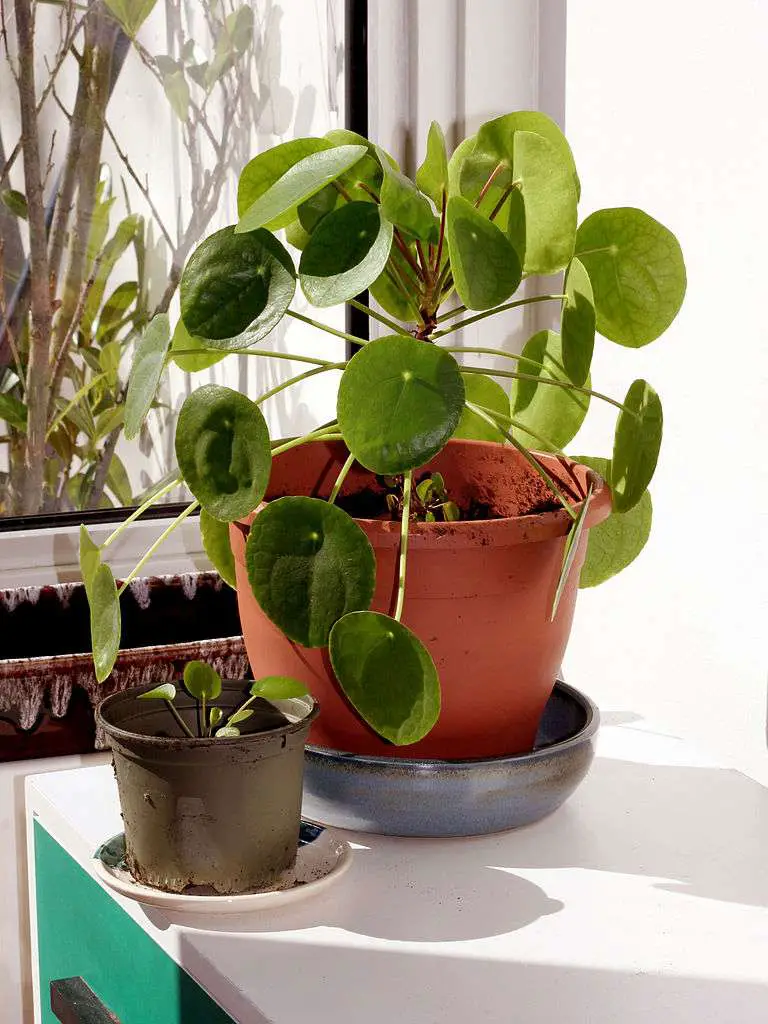
As we wrap up our comprehensive guide on Chinese Money Plant care indoors, we hope you’ve found the information helpful and feel ready to take on the joys of nurturing your very own Pilea peperomioides.
With a little love, attention, and the right care, your Chinese Money Plant will reward you with its charming good looks and vibrant green leaves.
So go forth, plant whisperer, and enjoy the journey of growing and caring for this delightful, easy-to-maintain indoor plant. Happy planting!
Chinese Money Plant Care Indoors Essentials Recap
A Happy Plant: Remember that providing proper care for your Chinese Money Plant is the key to a healthy, thriving plant.
From light and watering to pruning and pest control, each aspect plays a crucial role in your plant’s well-being.
Learning Curve: Don’t worry if you experience a few challenges along the way.
Learning to care for your plant is a rewarding journey, and with time, you’ll become a Pilea peperomioides pro!
Enjoy the Beauty and Benefits
Green Oasis: Embrace the beauty of your Chinese Money Plant as it adds a touch of nature to your indoor space.
Its unique, coin-shaped leaves are sure to spark conversations and brighten up any room.
Share the Love: Don’t forget that this plant is also known as the “friendship plant.”
As your Chinese Money Plant grows and produces offshoots, share the joy by propagating and gifting new plants to your friends and loved ones.
🌿 Indoor Houseplant Growing Guides
Want to fill your home with lush, vibrant greenery? These expert indoor houseplant guides will help you grow everything from exotic blooms to hardy foliage with ease!
- 🌿 Benefits of Keeping Indoor Houseplants (Pillar Guide)
- 🌱 Can You Grow Gladiolus Indoors? 11 Easy Gladioli Growth Tips
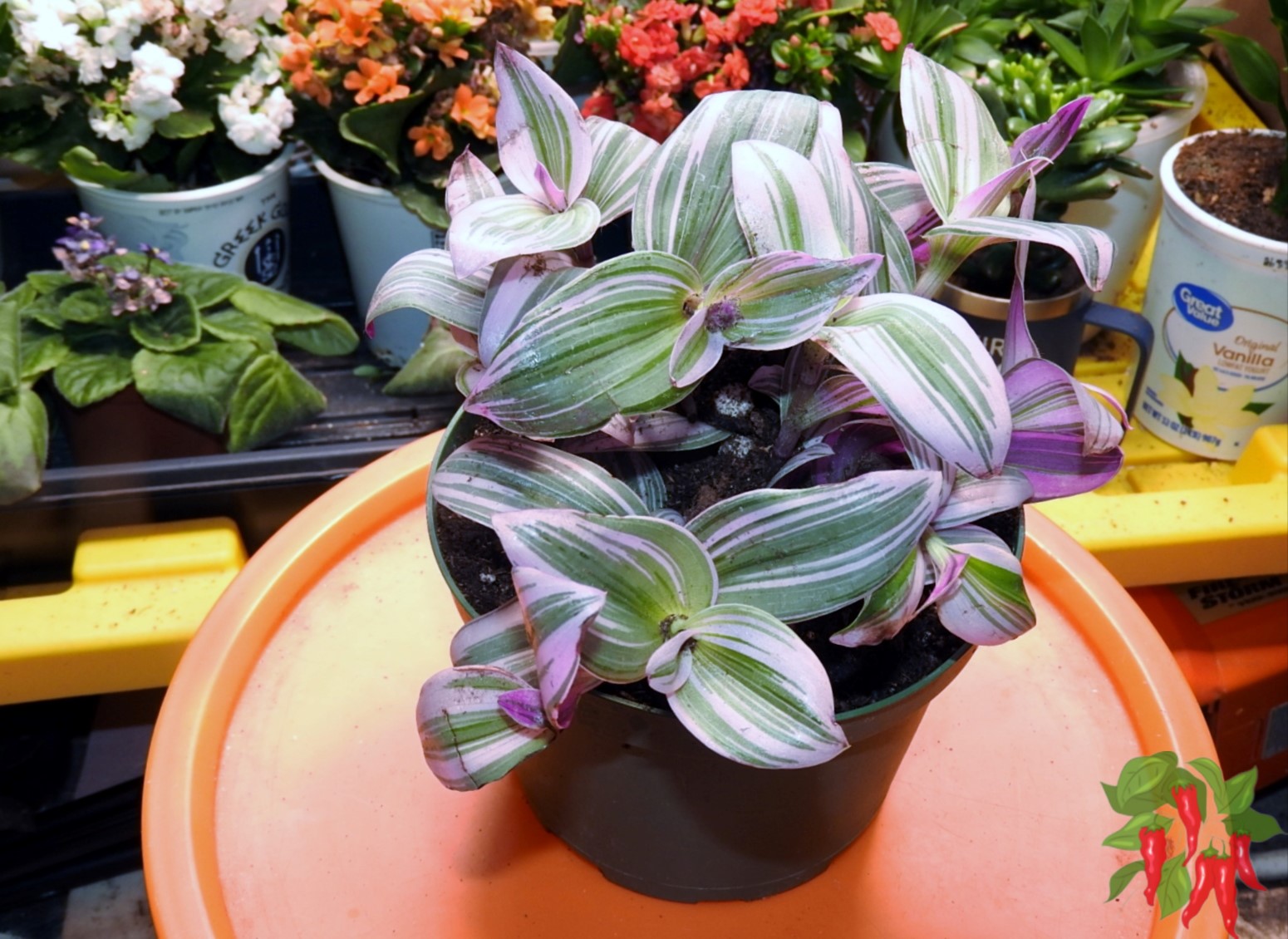
- 🍃 Pink Wandering Jew: Easy Nanouk Tradescantia Care
- 🌾 Tī Plant Care Indoors: 7 Proven Tips To Transform Your Space
- 🪴 Rubber Plant Care Indoors: 11 Best Care Tips For Beginners
- 🍀 Ficus Benjamina Indoors: 6 Easy Growth Tips For Beginners
- 🌼 How To Care For Peace Lily Indoors: 13 Easy Care Growth Tips
- 🌹 Bubble Gum Plant Care: 11 Tips And Tricks For Beginners
- 🌺 Hibiscus Plant Care Indoors: 7 Growth Tips For Beginners
- 🍂 Growing Jacob’s Ladder Indoors: Comprehensive Guide
- 🌷 Purple Shamrock Plant Care: 13 Tips And Tricks For Beginners
- 🌿 Creeping Jenny In Pots: 13 Lysimachia nummularia Growth Tips
- 🏡 Vertical Gardening Ideas: Best Small Space Garden Ideas
- 🪴 Chinese Money Plant Care Indoors: 7 Easy Growth Tips
- 🌳 9 Triangle Ficus Care Secrets for a Lush, Healthy Plant
- 🍌 Ice Cream Banana Tree Care: 15 Tip Complete Growth Guide
- 🌱 How to Make a Nerve Plant Thrive: 10 Tips and Tricks
- 🌸 African Violet Care Indoors: 11 Easy Care Tips For Beginners
- 🌺 Alternanthera Party Time Care: 7 Easy Growth Hacks
- 🌼 Geranium Care In Pots: 9 Geranium Growth Tips For Beginners
- 🌿 Purple Velvet Plant Care: 7 Easy Growth Tips And Tricks
- See all articles in our Indoor Houseplants category
 Steve S. is the creator of