
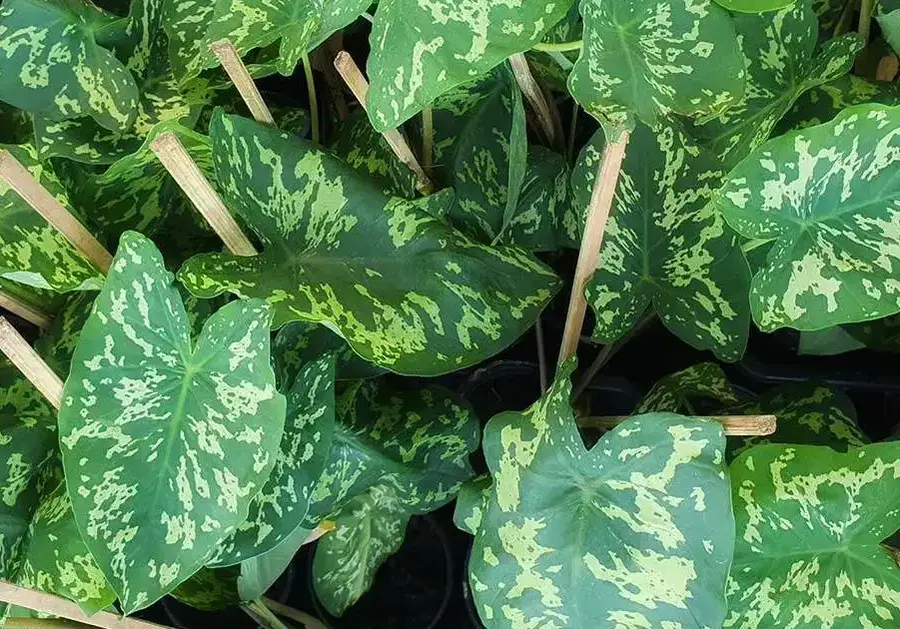
If you’ve ever dreamed of giant, tropical leaves filling your living space, Colocasia indoor care is the key to success.
With the right mix of light, water, and humidity, this dramatic plant—better known as elephant ear—will reward you with bold, oversized foliage that instantly transforms any room.
Whether you’re just starting out or refining your houseplant skills, this guide shows you how to keep your Colocasia thriving indoors year-round. 🌿
Want to grow massive, show-stopping leaves indoors? Colocasia, also known as elephant ear, delivers big tropical vibes with just a bit of care.
In this complete guide to colocasia indoor care, you’ll learn how to set up the right light, soil, and watering schedule.
We’ll also cover repotting, fertilizing, pruning, pest tips, and how to fix common problems like droopy leaves or yellowing.
Colocasia Indoor Care Quick Tips
🌿 What Is Colocasia?
Colocasia is a tropical plant known for its oversized heart-shaped leaves that resemble elephant ears. It’s often grown outdoors, but with the right care, it also thrives as a dramatic indoor houseplant.
🍃 Colocasia Indoor Care: Simple Tips for Big, Bold Leaves Indoors

Waikiki Elephant Ear Live Plant – Colocasia esculenta by Wellspring Gardens
💡 Light and Placement
Place your colocasia in a spot with bright, indirect light. East- or north-facing windows are ideal.
Direct sun can burn the leaves, but too little light causes leggy growth. Rotate the plant weekly to keep it symmetrical.
💧 Water and Humidity
This plant loves moisture. Water when the top inch of soil feels dry. Use distilled or rainwater if possible, since colocasia is sensitive to tap water chemicals.
For humidity, aim for 60% or higher—group with other plants, mist daily, or use a humidifier.
🪴 Best Soil Mix
Use a rich, well-draining mix. A good recipe: 50% coco coir or peat moss, 25% perlite, and 25% compost.
The goal is to keep the soil moist without becoming waterlogged. Add a layer of bark or mulch to help retain moisture.
🌱 Fertilizing Tips
Fertilize monthly during the growing season (spring and summer) with a balanced liquid fertilizer.
Avoid overfeeding, especially in winter when growth slows down. Look for leaf yellowing as a sign of nutrient deficiency.
🪴 Pot Choice and Repotting
Choose a container with drainage holes that’s slightly larger than the root ball.
Repot every 1–2 years or when roots start poking through the bottom. Refresh soil during repotting and trim off any dead or mushy roots.
✂️ Pruning and Leaf Care
Remove dead, yellowing, or damaged leaves regularly to keep the plant healthy and attractive.
Wipe leaves gently with a damp cloth to remove dust. Avoid overhead watering to prevent fungal spots on foliage.
🌿 Propagation: How to Multiply Your Colocasia

Want more elephant ears without buying new plants? Colocasia is easy to propagate by dividing the tubers. These underground bulbs naturally produce offsets that can be separated and replanted.
The best time to propagate is in spring or early summer, just before the active growing season kicks in. Carefully remove your plant from the pot and look for small offshoots growing from the main tuber.
- Use a clean, sharp knife to divide the tubers
- Each division should have a few roots and one growing point or “eye”
- Replant in fresh, moist soil and water gently
- Keep the new plant warm and humid until it starts growing
You can expect new shoots to appear within a few weeks. Once established, they’ll grow just like the parent plant. Propagation is a fun way to expand your indoor garden or share extras with friends!
🐛 Common Pests and Problems
Watch for spider mites, mealybugs, and aphids. Neem oil or insecticidal soap works well on all three.
Yellow leaves often mean overwatering or low humidity. Brown edges can signal salt buildup or dry air.
🧪 Quick Troubleshooting
- Droopy leaves? Too little water or cold drafts
- Yellowing? Poor drainage, overwatering, or low light
- Brown tips? Dry air or fluoride in tap water
🌿 Final Thoughts on Colocasia Indoor Care
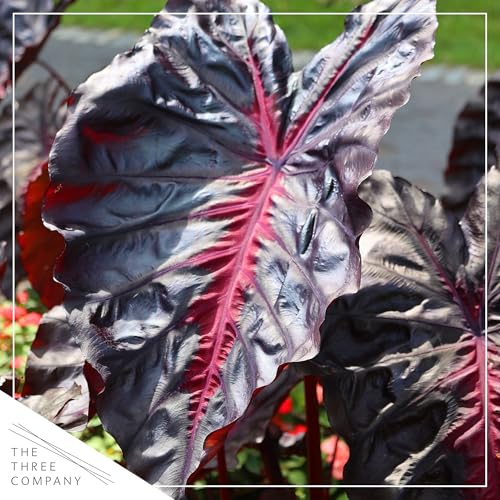
Colocasia is a statement plant that rewards a little effort with massive visual impact. Keep it moist, warm, and well-fed, and you’ll enjoy stunning tropical leaves all season long.
Whether you’re new to houseplants or looking to expand your indoor jungle, Colocasia is a fun, eye-catching option that’s easier to grow than it looks.
Featuring deep blue stems and expansive, radiant green leaves adorned with flecks of white, the Colocasia presents a visually arresting spectacle.
Each heart-shaped leaf boasts a one-of-a-kind pattern – no two leaves are identical!
🐘 Why is Colocasia Called the Elephant Ear Plant?
The Colocasia plant is commonly referred to as the elephant ear plant because of its large, flat leaves that resemble the ears of an elephant.
These leaves can grow up to three feet long and two feet wide, making the plant a striking addition to any indoor space.
❄️ Can Colocasia Survive Indoors Year-Round?

Yes, with the right care, colocasia can thrive indoors through every season. While it naturally goes dormant in cooler weather, you can maintain year-round foliage by keeping temperatures above 60°F and providing consistent humidity.
If the plant does go dormant, reduce watering and let it rest until spring growth returns.
🛒 Indoor Varieties to Try
Some Colocasia varieties are better suited to indoor growing than others. Here are a few favorites to consider:
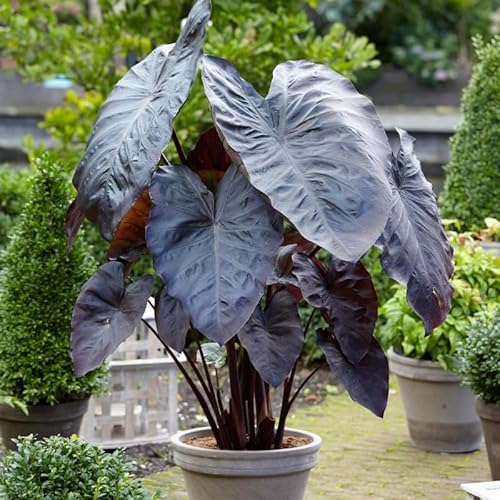
- Colocasia ‘Black Magic’ – striking deep purple leaves and compact growth
- Colocasia ‘Tea Cup’ – upward-facing leaves that collect water, great conversation piece

- Colocasia ‘Hilo Beauty’ – variegated foliage with creamy white and green patterns

All three perform well in bright indoor spaces with high humidity. Pick one that fits your vibe and container size!
Colocasia Care FAQs
If you’ve just added a Colocasia, commonly known as Elephant Ear, to your indoor or outdoor garden, you’re probably excited about its eye-catching, large leaves.
Understanding how to care for this exotic plant can help it thrive and turn into a beautiful addition to your living space.
From sunlight requirements to winter care, let’s address some frequently asked questions to guide you through Colocasia care.
Q: Do Colocasia like full sun?
A: While they can tolerate full sun, Colocasia generally prefers partial shade. Excessive direct sunlight can cause the leaves to scorch.
Q: How often should you water Colocasia?
A: Water Colocasia once the top inch of soil feels dry. They prefer moist soil but avoid waterlogging.
Q: How much sun does Colocasia need?
A: About 4-6 hours of dappled sunlight per day is generally sufficient for Colocasia. They do well in partial sun to partial shade.
Q: How do you winterize Colocasia?
A: In colder climates, bring your Colocasia indoors for the winter. If this isn’t possible, you can also dig up the tubers, let them dry, and store them in a cool, dark place until spring.
Colocasia Plant Care Reference Guide
| Characteristic | Details |
|---|---|
| Common Name | Elephant Ear, Taro |
| Botanical Name | Colocasia esculenta (and cultivars) |
| Native Habitat | Tropical Asia, India, Pacific Islands |
| Plant Type | Tropical perennial (grown as houseplant or annual in cooler zones) |
| Growth Pattern | Clumping, tuber-forming with large heart-shaped leaves |
| Mature Size | 3–6 ft tall, leaves up to 3 ft long |
| Watering | Keep soil consistently moist; do not let dry out |
| Light/Sun Exposure | Bright, indirect light; tolerates part shade |
| Soil Type | Rich, well-draining soil; mix of coco coir/peat, compost, and perlite |
| Soil pH | Slightly acidic to neutral (5.5–7.0) |
| Temperature | Prefers 65–85°F; protect from drafts below 60°F |
| Humidity | High humidity (60%+); thrives with misting or humidifier |
| Bloom Time & Flower Color | Rare indoors; may produce pale yellow-green spathes |
| Potential Problems | Yellowing leaves (overwatering or low light), spider mites, mealybugs, drooping from low humidity |
| Repotting | Every 1–2 years or when rootbound; refresh soil at repot |
| Hardiness Zones (USDA) | Zones 8–11 outdoors; grown indoors year-round in cooler climates |
🌿 Conclusion: Mastering Colocasia Indoor Care
Caring for Colocasia indoors may seem intimidating at first, but once you understand its love for moisture, warmth, and humidity, it becomes a rewarding houseplant that delivers a bold, tropical vibe.
Keep the soil consistently moist, provide bright indirect light, and feed it regularly during the growing season, and you’ll enjoy giant, elephant ear leaves that make a stunning statement in your home.
Whether you’re nurturing a classic green variety or experimenting with dramatic cultivars like ‘Black Magic’ or ‘Hilo Beauty,’ Colocasia proves that a little extra care goes a long way.
With these simple tips, you’ll be well on your way to growing a lush, eye-catching plant that thrives year-round indoors.
🌿 Indoor Houseplant Growing Guides
Want to fill your home with lush, vibrant greenery? These expert indoor houseplant guides will help you grow everything from exotic blooms to hardy foliage with ease!
- 🌿 Benefits of Keeping Indoor Houseplants (Pillar Guide)
- 🌱 Can You Grow Gladiolus Indoors? 11 Easy Gladioli Growth Tips
- 🍃 Pink Wandering Jew: Easy Nanouk Tradescantia Care
- 🌾 Tī Plant Care Indoors: 7 Proven Tips To Transform Your Space
- 🪴 Rubber Plant Care Indoors: 11 Best Care Tips For Beginners
- 🍀 Ficus Benjamina Indoors: 6 Easy Growth Tips For Beginners
- 🌼 How To Care For Peace Lily Indoors: 13 Easy Care Growth Tips
- 🌹 Bubble Gum Plant Care: 11 Tips And Tricks For Beginners
- 🌺 Hibiscus Plant Care Indoors: 7 Growth Tips For Beginners
- 🍂 Growing Jacob’s Ladder Indoors: Comprehensive Guide
- 🌷 Purple Shamrock Plant Care: 13 Tips And Tricks For Beginners
- 🌿 Creeping Jenny In Pots: 13 Lysimachia nummularia Growth Tips
- 🏡 Vertical Gardening Ideas: Best Small Space Garden Ideas
- 🪴 Chinese Money Plant Care Indoors: 7 Easy Growth Tips
- 🌳 9 Triangle Ficus Care Secrets for a Lush, Healthy Plant
- 🍌 Ice Cream Banana Tree Care: 15 Tip Complete Growth Guide
- 🌱 How to Make a Nerve Plant Thrive: 10 Tips and Tricks
- 🌸 African Violet Care Indoors: 11 Easy Care Tips For Beginners
- 🌺 Alternanthera Party Time Care: 7 Easy Growth Hacks
- 🌼 Geranium Care In Pots: 9 Geranium Growth Tips For Beginners
- 🌿 Purple Velvet Plant Care: 7 Easy Growth Tips And Tricks
- See all articles in our Indoor Houseplants category
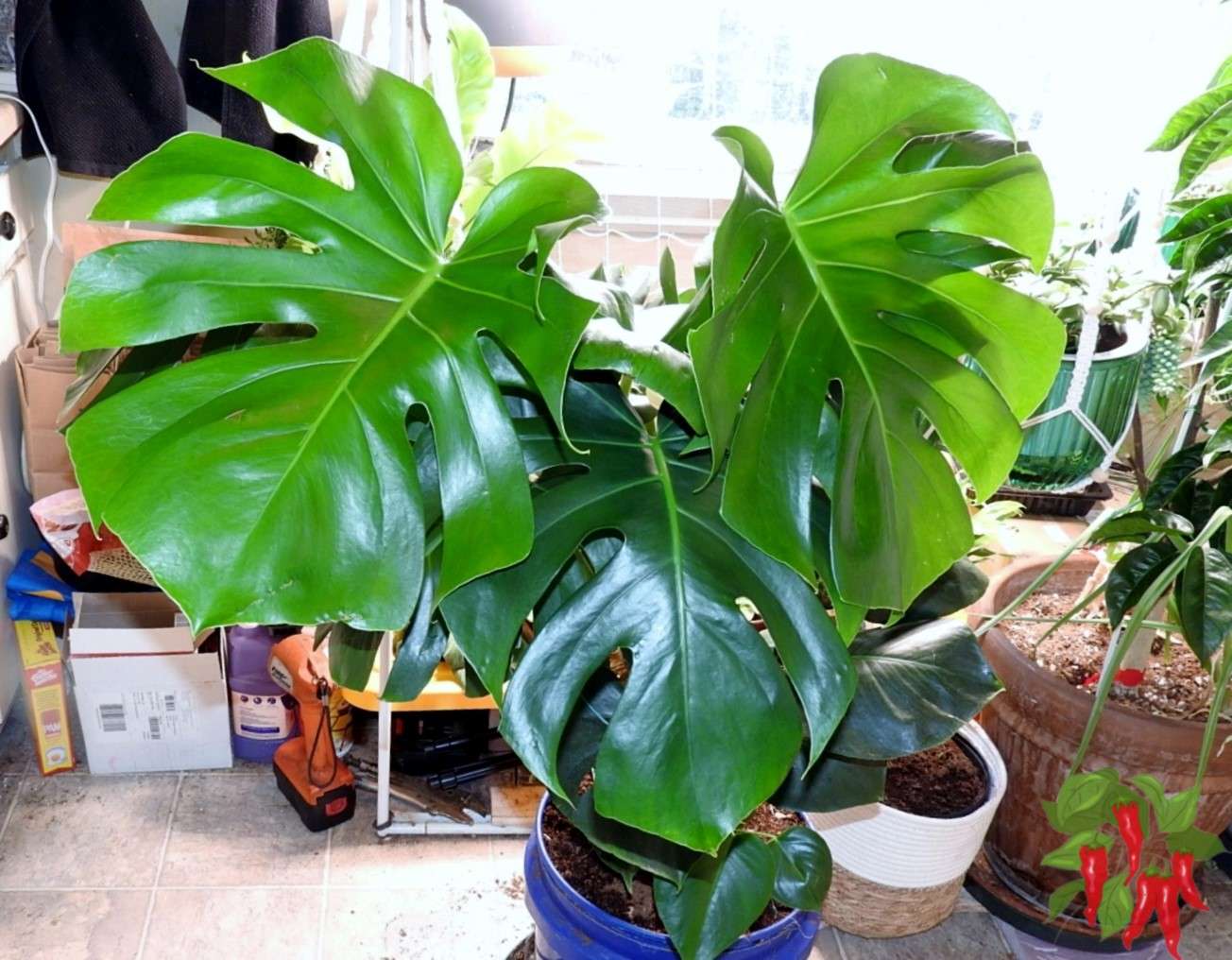
 Steve S. is the creator of