

Eco-friendly pots and planters give you alternatives to conventional plastic containers while still providing practical choices for growing plants indoors or outside. Options include recycled plastic, bamboo, coconut coir, rice hulls, cork, jute, hemp, and other recycled or renewable materials.
The best choice depends on what you’re growing and how you plan to use the container. Some sustainable pots are designed to last for years, while biodegradable options are useful when you want a container that can eventually break down.
You can also reuse containers you already own. Old watering cans, colanders, and other household items can become useful planters instead of ending up in the trash.
What You’ll Learn
- What makes a pot or planter more eco-friendly
- Which sustainable planter materials are available
- How recycled plastic compares with natural materials
- Which biodegradable materials can be used for plant containers
- How to reuse household items as planters
- How to care for different types of sustainable containers
- How to choose an eco-friendly planter that works for your plants
Quick Answer
Eco-friendly pots and planters can be made from recycled, renewable, reusable, or biodegradable materials. Recycled plastic provides a lightweight and durable option, while bamboo, coconut coir, rice hulls, cork, jute, and hemp offer alternatives made partly or entirely from plant-based materials. Reusing containers you already own can also reduce waste.
Eco-Friendly Pots and Planters at a Glance
| Material | Why Consider It | Good For |
|---|---|---|
| Recycled Plastic | Reuses plastic material and produces lightweight, durable containers | Indoor and outdoor plants |
| Bamboo | Renewable plant-based material available in many styles | Decorative indoor and outdoor planters |
| Coconut Coir | Made from coconut fiber and can break down naturally | Seedlings and young plants |
| Rice Hull | Uses an agricultural byproduct to create plant containers | Indoor and outdoor container gardening |
| Cork | Lightweight natural material with a distinctive appearance | Decorative indoor planters |
| Jute or Hemp | Plant-based fibers that can be used for breathable containers and grow bags | Grow bags and decorative pot covers |
| Upcycled Containers | Reuses something you already have instead of buying another container | Creative indoor and outdoor planting projects |
Eco-Friendly Pots and Planters
Choosing the right pots and planters is a crucial part of gardening.
But it’s not just about looks or size. Eco-friendly options are better for the planet and can be great for your plants too.
In this section, we’ll dive into why it’s important to pick these green alternatives and how they impact both the environment and plant health.
Importance of Choosing Eco-Friendly Pots and Planters
Eco-friendly pots and planters are a smart choice for any gardener.
They’re made from sustainable materials like bamboo, recycled plastic, or plant fibers.
This means less waste in landfills and less harm to the environment. Plus, they often last longer and look just as good as traditional options.
Impact on the Environment and Plant Health
Using eco-friendly pots isn’t just good for the planet; it’s good for your plants too.
Natural materials like clay or coconut coir let roots breathe and drain better.
This can lead to healthier, happier plants. Plus, by choosing eco-friendly options, you’re helping reduce pollution and conserve resources.
By picking eco-friendly pots and planters, you’re making a positive choice for the environment and your garden.
In the next sections, we’ll explore more about the materials to look for and some great sustainable brands.
Materials to Consider
When choosing eco-friendly pots and planters, the material is key. Here are some great options to consider:
Recycled Plastic

Recycled plastic pots are a win-win. Brands like Bloem Living use 100% post-consumer recycled plastic, which means less waste in our landfills.
These pots are tough, lasting for years, and they’re light, so they’re easy to move around. Plus, they come in all sorts of styles and colors.
Bamboo
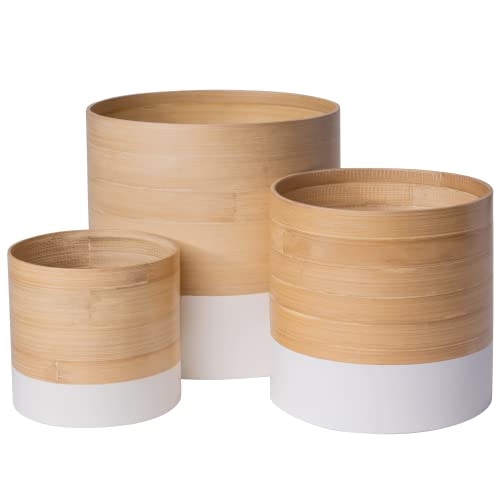
Bamboo is a superstar in the eco-friendly world. It’s strong, so it can hold up your plants without a problem.
And when you’re done with it, it biodegrades, returning to the earth.
Bamboo can be crafted into sleek, modern pots or woven into charming, rustic ones.
Husk (Coconut, Corn, Rice)

Pots made from plant husks, like coconut coir, are a natural choice. They’re mold-resistant, which is great for your plants, and they break down over time, making them a compostable option. Rice husk pots add a unique look to your garden and are also fully biodegradable.
Fiber Pots (Jute, Hemp)

Fiber pots, like those made from jute or hemp, are perfect for gardeners looking for a breathable option.
They’re often used as grow bags, which allow for better airflow and water drainage.
This helps prevent root binding, meaning your plants can grow healthier and stronger.
Plus, they’re reusable and eco-friendly, making them a smart choice for the planet.
Each of these materials has its own benefits, so think about what’s most important to you and your garden when making your choice.
In the next sections, we’ll explore some top brands that offer eco-friendly pots and planters, as well as some creative DIY ideas for making your own.
Sustainable Brands and Products
When it comes to eco-friendly pots and planters, some standout brands are leading the way:
EcoForms

EcoForms is a pioneer in sustainable gardening. Their pots are made from renewable rice hull fibers, a byproduct of rice farming.
This material is not only eco-friendly but also durable and attractive. EcoForms is committed to green practices, with solar-powered facilities and bio-diesel-run delivery trucks.
Wild Pact

Wild Pact cork planters are eco-friendly and sustainable options for your gardening needs. Made from the bark of Cork Oak trees, these planters are lightweight, durable, and offer a unique alternative to traditional plastic pots.
They come with rice hull saucers and feature drainage holes to ensure proper plant care. Embrace the beauty of nature with Wild Pact’s cork planters, perfect for indoor and outdoor use.
Eco Living Store

The Eco Living Store is committed to providing high-quality sustainable products, including zero-waste items from their UK brand ecoLiving.
They focus on stopping microplastic from entering oceans and design products to combat waste and plastic pollution.
As a member of 1% For The Planet, ecoLiving donates a portion of profits to protecting oceans from plastic pollution. They also partner with Eden Reforestation Projects to plant native trees, helping stop climate change and reduce extreme poverty.
These brands are just a few examples of companies making a positive impact in the world of gardening.
By choosing their products, you can support sustainable practices and enjoy beautiful, eco-friendly pots and planters in your home or garden.
In the next section, we’ll explore some DIY and upcycling ideas to create your own eco-friendly containers.
DIY and Upcycling Ideas
Creating your own eco-friendly pots and planters can be a fun and rewarding project. Here are some ideas to get you started:
Using Old Boots, Watering Cans, or Colanders as Plant Pots
Think twice before throwing away old boots, watering cans, or colanders.
These items can be repurposed into unique plant pots. For example, old boots can add a quirky touch to your garden, while colanders with their built-in drainage make excellent hanging planters.
Just make sure to clean them well and add some potting soil.
Decorating and Adding Drainage Holes
Personalize your eco-friendly pots by decorating them with paint, fabric, or other materials.
If you’re using containers that weren’t originally meant for plants, don’t forget to add drainage holes at the bottom.
This is crucial for preventing waterlogged roots and ensuring your plants stay healthy.
You can use a drill or a sharp tool to make these holes.
These DIY ideas not only give a new life to items that might otherwise end up in a landfill but also add a personal touch to your garden.
Plus, they’re a great way to save money while being eco-friendly.
Care and Maintenance Tips for Eco-Friendly Pots and Planters
Caring for eco-friendly pots and planters ensures they last longer and keep your plants healthy. Here are some tips:
- Drainage: Ensure pots have proper drainage to prevent waterlogging. If your pot doesn’t have drainage holes, consider drilling some or using a layer of gravel at the bottom.
- Cleaning: Clean pots regularly to prevent the buildup of salts and minerals. Use a gentle, eco-friendly soap and warm water.
- Protection: Some materials, like terracotta or untreated wood, may need protection from the elements. Consider using a natural sealant or bringing them indoors during harsh weather.
- Repotting: As plants grow, they may need to be repotted. Be gentle when transferring to a new pot to avoid damaging the roots and the biodegradable pot.
Creative Planting Ideas with Eco-Friendly Pots and Planters
Eco-friendly pots and planters offer a chance to get creative with your gardening. Here are some ideas:
- Herb Garden: Use small pots to create a kitchen herb garden. Place them on a windowsill for easy access while cooking.
- Succulent Arrangements: Mix different sizes and shapes of eco-friendly pots to create an eye-catching succulent arrangement.
- Hanging Planters: Utilize vertical space by hanging pots from ceilings or walls. This is great for small spaces or to add a decorative touch.
- Edible Flowers: Plant edible flowers in colorful eco-friendly pots for a beautiful and functional garden feature.
By following these care tips and exploring creative planting ideas, you can make the most of your eco-friendly pots and planters while contributing to a more sustainable environment.
In the next section, we’ll answer some common questions about eco-friendly pots and planters in our FAQ section.
Eco-Friendly Pots and Planters FAQs
What are eco-friendly pots and planters?
Eco-friendly pots and planters are containers made from recycled, renewable, reusable, or biodegradable materials. Examples include recycled plastic, bamboo, coconut coir, rice hulls, cork, jute, hemp, wood, and recycled paper. Reusing containers you already own can also be an eco-friendly approach to container gardening.
What is the most eco-friendly material for plant pots?
There isn’t one material that’s best for every gardener. Recycled plastic can be a practical choice when you want a lightweight pot that lasts for years. Bamboo, coconut coir, rice hulls, cork, and natural fibers are good choices when you prefer plant-based materials. Reusing an existing container can be another simple way to reduce waste.
Do biodegradable plant pots work?
Yes. Biodegradable pots can work especially well for starting seedlings and young plants. Some are designed so the plant and container can be transplanted together. The pot gradually breaks down while the roots continue growing into the surrounding soil.
What are good alternatives to plastic plant pots?
Bamboo, coconut coir, rice hulls, cork, jute, hemp, wood, and other plant-based fibers can provide alternatives to conventional plastic pots. Recycled plastic is another option because it gives existing plastic material another use instead of requiring an entirely new container.
Can biodegradable plant pots be composted?
Some biodegradable pots can be composted, but check what the container is actually made from before adding it to your compost. Different materials break down at different rates, and some products may contain binders, coatings, or other ingredients that affect how they should be disposed of.
Do eco-friendly pots need drainage holes?
Plants still need proper drainage regardless of what their container is made from. Look for pots with drainage holes or add them when the material allows it. Good drainage helps prevent the growing medium from remaining waterlogged around the roots.
Are recycled plastic pots eco-friendly?
Recycled plastic pots can be an eco-friendly option because they reuse existing plastic material. They’re also lightweight and durable, so you may be able to keep using the same planter for many years instead of replacing it frequently.
How long do biodegradable plant pots last?
It depends on the material and growing conditions. Moisture, temperature, sunlight, and exposure to the soil can all affect how quickly a biodegradable container begins to break down. Some are intended primarily for starting seedlings, while others are made to function as planters for a longer period.
Can I make my own eco-friendly planters?
Yes. Repurposing something you already have is one of the easiest ways to create an eco-friendly planter. Old watering cans, boots, colanders, buckets, and other suitable containers can be given a second life as plant pots. Clean the container first and make sure your plants have adequate drainage.
How do you care for eco-friendly pots and planters?
Care depends on the material. Keep reusable pots clean, make sure drainage holes remain open, and protect materials such as untreated wood when necessary. Natural and biodegradable materials may weather or break down faster when they’re continually exposed to moisture and outdoor conditions.
Eco-Friendly Pots and Planters Conclusion
The Importance of Sustainable Choices
Making sustainable choices in gardening is more important than ever.
By choosing eco-friendly pots and planters, we can reduce our environmental impact and promote a healthier planet.
These choices not only benefit the environment but also contribute to the well-being of our plants and gardens.
- Eco-friendly pots and planters are sustainable options for gardening that reduce environmental impact.
- Made from materials like recycled plastic, bamboo, and biodegradable plant fibers, they support plant health and contribute to a greener planet.
- They’re ideal for both indoor and outdoor gardens, offering a stylish and practical solution for eco-conscious gardeners.
A Call to Action
We encourage all gardeners, whether beginners or experts, to consider eco-friendly pots and planters for their gardening needs.
By making this small change, we can collectively make a big difference in preserving our planet for future generations.
Let’s embrace sustainability in our gardens and choose products that are kind to the earth.
In conclusion, eco-friendly pots and planters are a simple yet effective way to make your gardening practices more sustainable.
They offer numerous benefits, from reducing waste to supporting plant health. As we move towards a greener future, let’s prioritize these eco-friendly options in our gardens.
Want to grow greener indoors? Start with our favorite sustainable gardening tips and make every plant choice count.
🌿 Sustainable Gardening Guides
- ♻️ Why Compost at Home?
- 🪱 Vermicomposting for Apartments
- 🍂 Bokashi Composting: Start a Bokashi Bucket
- 🌱 Composting Indoors Without Worms
- 🧃 Worm Tea vs Leachate
- 🌻 Best Indoor Composting Ideas
- 🍃 Eco-Friendly Indoor Garden Setup
- 🐞 Eco-Friendly Pest Control
- 💧 Conserve Water in Your Indoor Garden
- 🌍 Reduce Your Carbon Footprint
- 🪴 Eco-Friendly Pots and Planters
- 🌿 Benefits of Organic Fertilizers
- 🏡 Sustainable Gardening Overview
- 🌾 Small Scale Permaculture
- 🔋 Renewable Energy for Gardens
- See all articles in our Sustainable Gardening category
 Steve S. is the creator of