

Growing vegetables indoors with lights makes it possible to enjoy fresh, homegrown food throughout the year, even when you don’t have a backyard or outdoor garden. With the right grow lights, you can grow everything from lettuce and leafy greens to tomatoes, peppers, and other vegetables right inside your home.
I’ve been growing vegetables indoors for years, and good lighting makes a big difference. Most vegetables need considerably more light than ordinary houseplants, especially when you’re trying to produce a worthwhile harvest. That’s where LED grow lights come in.
You don’t need a large growing area to get started, either. A small kitchen garden, shelving unit, or dedicated indoor growing space can produce fresh vegetables when you provide enough light and the right growing conditions.
Let’s look at how indoor grow lights work, which vegetables you can grow, and what you need to know about lighting for successful indoor vegetable gardening.
🌱 What You’ll Learn
- Why adequate lighting is important for growing vegetables indoors.
- Which vegetables can grow under artificial lights.
- Why LED grow lights are a practical choice for indoor gardening.
- How light spectrum, intensity, and daily light exposure affect plant growth.
- What to consider when choosing grow lights for your growing space.
- How supplemental lighting makes year-round vegetable gardening possible.
💡 Quick Answer: Can You Grow Vegetables Indoors With Lights?
Yes, you can grow vegetables indoors with artificial grow lights, even without direct sunlight. Full-spectrum LED grow lights are an excellent choice because they’re energy-efficient, long-lasting, and provide the light plants need for photosynthesis.
Lettuce, spinach, and many herbs grow well under moderate lighting, while tomatoes, peppers, and other fruiting vegetables need higher light intensity. Most indoor vegetables benefit from approximately 12–16 hours of artificial light daily, depending on the crop and light intensity.
For the best results, match your grow light to the size of your growing area and the vegetables you want to grow.
🌿 Growing Vegetables Indoors With Lights at a Glance
Here’s a quick comparison of indoor vegetable lighting requirements and the types of plants you can grow.
| Factor | What to Know |
|---|---|
| Best Grow Light | Full-spectrum LED grow lights |
| Daily Lighting | Generally 12–16 hours, depending on crop and intensity |
| Lower-Light Vegetables | Lettuce, spinach, and leafy greens |
| Higher-Light Vegetables | Tomatoes, peppers, and other fruiting crops |
| Light Spectrum | Balanced spectrum supporting vegetative growth and fruiting |
| Light Intensity | Depends on crop requirements and growing area |
| Growing Season | Year-round with suitable lighting and growing conditions |
| Growing Methods | Containers, hydroponics, shelving systems, and indoor grow rooms |
Remember: The amount of light your vegetables receive matters just as much as the type of grow light you use. A good LED light properly sized for your growing area can make indoor vegetable gardening much more productive.

Welcome to the green world of growing vegetables indoors with lights! This guide is your key to unlocking a vibrant, year-round vegetable garden inside your home.
With simple steps and smart tips, you’ll be on your way to harvesting fresh veggies, no matter the season!
Growing vegetables indoors with lights will open up a realm of possibilities for you. Most vegetables are sun loving plants that are used to growing outdoors.
Without enough light, they will not grow well at all. You end up with tall spindly plants that fall over and don’t produce a crop.
It is important to realize all plants and especially vegetables are photosynthetic. They need sunlight to make food.
Photosynthesis Has Greek Roots
The Greek roots of photosynthesis combine to produce the basic meaning “to put together with the help of light”. Photosynthesis is what first produced oxygen in the atmosphere billions of years ago, and it’s still what keeps it there. Sunlight splits the water molecules (made of hydrogen and oxygen) held in a plant’s leaves and releases the oxygen in them into the air. The leftover hydrogen combines with carbon dioxide to produce carbohydrates, which the plant uses as food—as do any animals or humans who might eat the plant. Photosynthesis Definition & Meaning – Merriam-Webster
Light will be the deciding factor in what you can grow in your apartment. Even on the brightest sunny day, the light will be limited indoors.
Even a sunny window will not provide as much light as is available outdoors. So you really can’t grow vegetables indoors without sunlight.

What vegetables can grow without much sunlight?
You might be able to grow sprouts or microgreens without a lot of sunlight. But you are really limiting yourself by not using a grow light of some kind. Lettuce might do OK if you have a sunny window but expect lower yields.
Can vegetables grow without direct sunlight?
Yes, they can if you give them supplemental lighting. You can use fluorescent lights for lettuce, greens, and some herbs and LED grow lights for plants that require a higher light level like peppers or tomatoes.
How can I grow plants indoors without grow lights?
Without grow lights, you will be very limited in what you can grow. A sunny window sill can work for microgreens and possibly lettuce if your plants get 6-8 hours of sunlight.
But most people want to grow vegetables indoors during the winter months. You cant get much natural light in the winter though because days are short and the skies are often cloudy.
What kind of light do I need to grow vegetables indoors?
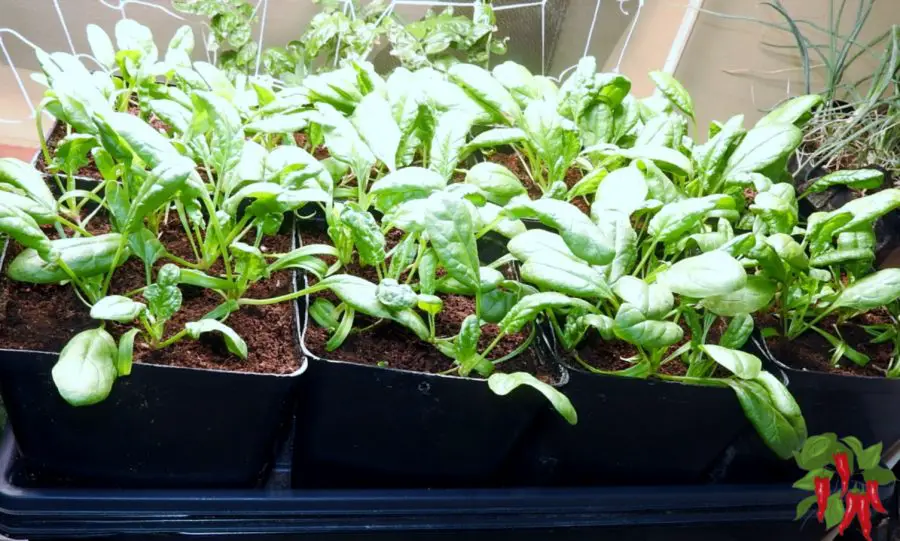
The best light for growing plants indoors is full spectrum led grow lights. Led grow lights like this come as close as you can get to natural sunlight.

They are more energy efficient than fluorescent lights and provide more light per watt than any other kind of light. They last much longer than other lights. This is a big plus because you won’t have to change bulbs like fluorescent or HID lights.
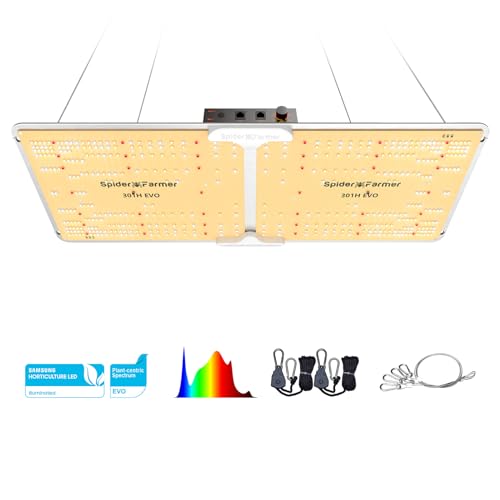
I use a Spider Farmer SF2000 in my kitchen garden. It is a great light and affordably priced. You can cover a 2 x 4 to 3 x 6 area with it and it is dimmable.
Growing vegetables indoors with led lights will allow you to grow vegetables year round. If you buy the right sized LED grow light you can grow pretty much any vegetable from lettuce to tomatoes.
Can you use LED lights to grow vegetables indoors?

LED grow lights are the best choice for growing vegetables indoors. The spectrum of light they provide is important. White light LEDs are best for growing veggies.
White light looks white to our eyes but actually, it is a mix of all the colors in a rainbow. So it provides full spectrum light that is very close to natural sunlight.
All lights are not created equally and some have more or better PAR levels in their light. PAR stands for photosynthetically active radiation and it refers to the spectrum of light that plants can use.
Photosynthetically active radiation (PAR) designates the spectral range (wave band) of solar radiation from 400 to 700 nanometers that photosynthetic organisms are able to use in the process of photosynthesis. This spectral region corresponds more or less with the range of light visible to the human eye. Photons at shorter wavelengths tend to be so energetic that they can be damaging to cells and tissues, but are mostly filtered out by the ozone layer in the stratosphere. Photons at longer wavelengths do not carry enough energy to allow photosynthesis to take place. https://en.wikipedia.org/wiki/Photosynthetically_active_radiation
Some older LED lights are red and blue spectrums only we call it blurple. These were made because red and blue cause chlorophyll production to peak.
But plants need the rest of the light spectrum to really grow properly. I would not use them for vegetables unless they are your only option.
In general, a blue spectrum promotes short stocky plants and a spectrum with more red promotes flowering and fruiting. Most reputable LED manufacturers will provide a balanced spectrum for growing healthy plants.
How much light do indoor vegetables need?
Plants vary greatly in their light requirements. As you can see from the chart below some veggies need much more light than others.

❓ Growing Vegetables Indoors With Lights FAQs
Can You Grow Vegetables Indoors Without Sunlight?
Yes. You can grow vegetables indoors without natural sunlight by using artificial grow lights. Full-spectrum LED grow lights provide the light plants need for photosynthesis, making it possible to grow vegetables in apartments, kitchens, closets, and other indoor spaces.
What Vegetables Grow Best Under Grow Lights?
Lettuce, spinach, kale, and other leafy greens are among the easiest vegetables to grow under artificial lights. Herbs such as basil and parsley also do well. Tomatoes, peppers, and other fruiting vegetables can be grown indoors, but they require stronger lighting to produce good harvests.
How Many Hours of Light Do Indoor Vegetables Need?
Most indoor vegetables do well with approximately 12–16 hours of artificial light each day. The exact amount depends on the crop and the intensity of your grow lights. Using a timer makes it easy to maintain a consistent lighting schedule while giving plants a regular dark period.
Are LED Grow Lights Better Than Fluorescent Lights?
For most indoor vegetable gardens, LED grow lights are the better choice. They’re energy-efficient, long-lasting, and available in a wide range of sizes and light intensities. Fluorescent lights can still work well for seedlings and leafy greens, but modern LEDs are generally more practical for larger indoor growing setups.
Can You Grow Vegetables Indoors Year-Round?
Absolutely. With adequate lighting, proper watering, nutrients, and suitable temperatures, you can grow vegetables indoors throughout the year. Leafy greens are especially convenient for continuous harvesting, while tomatoes and peppers take longer to mature but can also produce indoors.
How Close Should LED Grow Lights Be to Vegetables?
The proper distance depends on the grow light’s wattage, design, and the vegetables you’re growing. High-powered LED fixtures generally need more distance from plants than smaller seed-starting lights. Follow the manufacturer’s recommendations and adjust the height or dimmer settings as your plants grow.
Here is a video that explains how much light vegetables need to grow and how you can measure how much light they are getting.
🌿 Growing Vegetables Indoors With Lights: Final Thoughts
Growing vegetables indoors with lights is one of the best ways to enjoy fresh, homegrown food throughout the year. You don’t need a backyard or even a sunny window if you have a good grow light and a suitable growing space.
I’ve been using LED grow lights for years, and they’ve made it possible for me to grow vegetables right in my apartment. My Spider Farmer SF2000 has worked well in my kitchen garden, and I like being able to grow vegetables regardless of what the weather is doing outside.
The important thing is choosing a light that matches the vegetables you want to grow. Lettuce and leafy greens don’t need nearly as much light as tomatoes and peppers. A properly sized LED grow light can make a big difference in how well your plants grow and produce.
If you’re just getting started, I’d recommend beginning with lettuce, spinach, or other leafy greens. They’re relatively easy to grow indoors, and you can get a harvest without waiting months for fruit to develop.
Once you get comfortable with your lighting setup, you can move on to more demanding crops. With the right equipment and a little experience, indoor vegetable gardening can become a productive year-round hobby.
For more growing ideas, check out my guides to starting an apartment kitchen garden and sustainable apartment gardening.
Keep it green!
Apartment Kitchen Garden (Apartment Gardening Tips For Beginners)
The truth is if you aren’t growing vegetables indoors with lights then you are setting yourself up for disappointment. Find out how to grow amazing vegetables indoors with Coco
Sustainable Apartment Gardening
🏙️ Apartment Gardening
Turn your apartment into a thriving garden! Explore easy guides for veggies, herbs, fruits, and flowering plants—all grown indoors.
-
- 🥕 Harvesting Carrots in Containers
- 🍅 Growing Tomatoes Indoors For Beginners
- 🌱 The Best Vegetables To Grow Indoors
- 🥔 How To Grow Potatoes In A 5-Gallon Bucket Indoors
- 🧄 Growing Garlic Indoors In Pots
- 🥬 How To Grow Bok Choy Indoors
- 🫘 Growing Green Beans In Pots
- 🧅 Growing Leeks In Containers
- 🥕 How To Grow Carrots Indoors
- See all articles in our Apartment Gardening category
📚 References & Further Reading
- University of Minnesota Extension – Lighting for Indoor Plants and Starting Seeds
- University of Maryland Extension – Growing Microgreens and Baby Greens Indoors
- University of Maryland Extension – Starting Vegetable Seeds Indoors
- Penn State Extension – Simple Hydroponics
 Steve S. is the creator of