
If you’re new to indoor growing, it’s completely normal to ask Is hydroponic gardening too advanced for beginners? Hydroponics often gets presented as a high-tech, intimidating system filled with pumps, reservoirs, and precise measurements.
That perception turns many beginners away before they understand what hydroponics actually is—or how flexible it can be. The truth is that some hydroponic methods are complex, but others are surprisingly beginner-friendly.
Understanding the differences between hydroponic approaches is what makes the question easier to answer. Not all hydroponics require jumping straight into advanced systems.
What You’ll Learn
- 💧 What makes hydroponic gardening feel “advanced” to beginners
- 🌱 Which hydroponic methods are hardest to start with
- 🪴 Why coco coir is considered a hydroponic growing medium
- 🔄 How coco coir makes the transition from soil much easier
- 🧠 When beginners should (and shouldn’t) try hydroponics
💧 Is Hydroponic Gardening Too Advanced for Beginners?
Hydroponic gardening isn’t automatically too advanced for beginners—but some hydroponic systems are. The challenge usually comes from starting with methods that leave very little room for error.
Systems that rely on constant water circulation, air pumps, and precise nutrient balance can overwhelm beginners who are still learning how plants respond to light, water, and environment.
That doesn’t mean hydroponics is off-limits. It means beginners need the right entry point.
⚠️ Why Some Hydroponic Systems Feel Overwhelming
Certain hydroponic methods require active monitoring and fast reactions. When something goes wrong, plants can decline quickly because there’s no soil buffer.
For beginners, this often leads to stress rather than learning.
Examples of more advanced systems include those where:
- 💦 Roots sit directly in nutrient solution
- ⚙️ Pumps and air stones must run continuously
- 🧪 Nutrient strength and pH must be tightly controlled
When beginners hear “hydroponics,” they often picture these setups first.
🪴 Coco Coir Is a Hydroponic Medium—And It’s Beginner-Friendly
What surprises many beginners is that coco coir is considered a hydroponic growing medium, even though it looks and feels similar to soil.
Coco coir doesn’t provide nutrients on its own. Plants grown in coco are fed with nutrient solutions, which places it firmly in the hydroponic category.
At the same time, coco coir behaves more gently than water-only systems, making it far easier for beginners to manage.
🌱 Why Coco Coir Is Easier Than Water-Only Systems
Compared to methods like DWC or NFT, coco coir offers a much smoother learning curve.
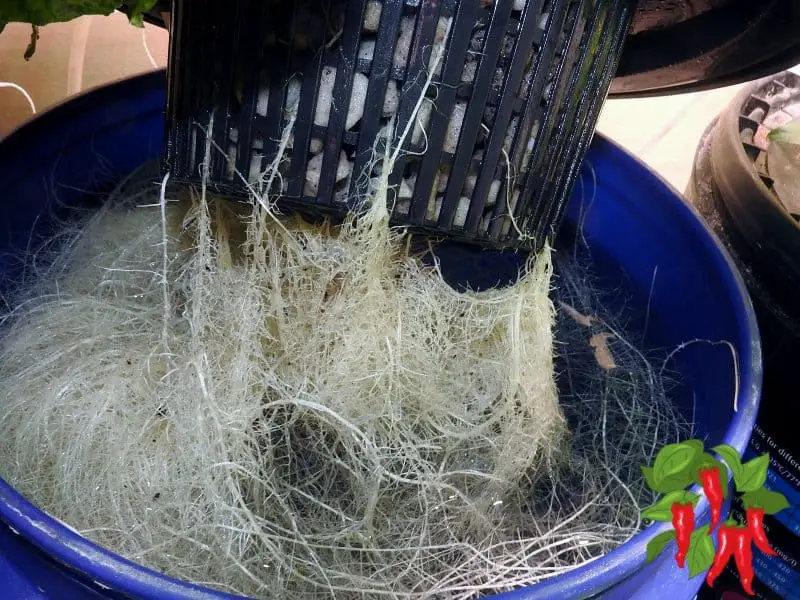
You may see terms like DWC and NFT when researching hydroponics. DWC stands for Deep Water Culture, where plant roots sit directly in nutrient-rich water. NFT means Nutrient Film Technique, which uses a thin, constantly flowing stream of nutrient solution over plant roots. These systems can work well, but they tend to be less forgiving for beginners.
- 🧘 Holds moisture while still allowing airflow to roots
- ⏳ Slows down problems instead of causing instant failure
- 🔄 Feels familiar to anyone who has used soil before
This buffer gives beginners time to notice issues and adjust, instead of reacting to emergencies.
🔄 Why Coco Coir Is a Natural Transition From Soil
For beginners coming from traditional houseplants, coco coir acts as a bridge between soil and full hydroponics.
You still water plants from the top, you still use pots, and roots aren’t submerged in water. The main difference is that nutrients come from the water instead of the medium.
This makes coco coir an excellent way to learn hydroponic concepts—like feeding and runoff—without jumping straight into complex systems.
In the next section, we’ll compare coco coir to more advanced hydroponic methods, explain when beginners should avoid systems like DWC, and help you decide if hydroponics fits your current skill level.
⚖️ Coco Coir vs. Water-Only Hydroponic Systems
To understand whether hydroponic gardening is too advanced for beginners, it helps to compare different methods side by side. Not all hydroponic systems behave the same way.
Coco coir systems and water-only systems like deep water culture (DWC) ask very different things from beginners.
🪴 Coco Coir: Slower, More Forgiving Feedback
Coco coir holds moisture while still allowing oxygen to reach the roots. This creates a buffer that protects plants from sudden changes.
- 🧘 Roots are not sitting directly in water
- ⏳ Mistakes develop slowly instead of instantly
- 👀 Visual cues appear before serious damage
For beginners, this slower feedback loop feels much closer to traditional soil growing.
💦 DWC and Water-Only Systems: Fast and Unforgiving
In deep water culture, roots sit directly in a nutrient solution. While this can produce fast growth, it also means problems show up quickly.
- ⚙️ Pumps and air stones must run constantly
- 🧪 Nutrient strength and pH affect plants immediately
- 🚨 Failures escalate fast if equipment stops
- 🌡️ Water temperature is critical to avoid root rot
For beginners, this often turns learning into troubleshooting.
🧠 Why Coco Coir Feels Less “Technical” to Beginners
Even though coco coir is technically hydroponic, it doesn’t feel that way when you’re using it. The process looks familiar: pots, watering cans, runoff.
This familiarity lowers the mental barrier for beginners and keeps the focus on plant observation instead of system management.
You’re learning how plants respond to nutrients without needing to manage reservoirs, tubing, or oxygen levels.
⏱️ How Fast Problems Appear in Different Hydroponic Methods
One of the biggest differences between coco coir and systems like DWC is how quickly problems show up.
| Method | Speed of Feedback | Beginner Experience |
|---|---|---|
| Coco Coir | Slow to moderate | Time to notice and correct issues |
| DWC | Very fast | Issues escalate quickly |
| Other Water Systems | Fast | Requires constant monitoring |
For beginners, slower feedback almost always leads to better learning outcomes.
🚫 When Beginners Should Avoid Advanced Hydroponics
Hydroponic gardening becomes overwhelming when beginners start with systems that require daily monitoring or immediate intervention.
Beginners may want to avoid advanced setups if:
- 📅 They can’t check systems regularly
- ⚡ Power outages or equipment failure are common
- 🧪 They aren’t comfortable adjusting nutrients yet
Starting with simpler methods builds confidence before adding complexity.
🌱 Who Hydroponic Gardening Works Well For as a Beginner
Hydroponic gardening is a good fit for beginners who enjoy learning through observation and consistency.
It’s a good fit for gardeners who have successfully grown indoor plants with conventional growing techniques.
Coco coir systems are especially well-suited for beginners who:
- 🪴 Have grown houseplants in soil before
- 💧 Are comfortable watering by hand
- 🧠 Want to learn nutrients gradually
In the final section, we’ll answer whether hydroponic gardening is truly too advanced for beginners, explain when it makes sense to try it, and wrap up with common questions.
🧠 When Hydroponic Gardening Makes Sense for Beginners
Hydroponic gardening isn’t too advanced for beginners when the method matches the skill level. The key is choosing an approach that allows learning without constant emergency fixes.
Beginners are usually ready for hydroponics when:
- 🪴 They understand basic plant needs like light and watering
- 👀 They can spot early signs of stress
- 🧪 They’re comfortable following simple feeding instructions
At that stage, coco coir offers structure and forgiveness without removing the benefits of hydroponic growing.
⚠️ Why Starting With DWC Often Backfires for Beginners
Deep water culture (DWC) is frequently recommended online, but it’s one of the hardest hydroponic methods for beginners to manage consistently.
Because roots sit directly in nutrient solution, any issue—pH drift, temperature change, pump failure—affects plants immediately.
- 🚨 Problems escalate quickly
- ⚙️ Equipment failures have immediate consequences
- 🧠 Beginners spend more time fixing systems than learning plants
This doesn’t mean DWC is bad—it just means it’s better suited for growers who already understand plant responses.
🌱 Why Coco Coir Builds Better Beginner Skills
Coco coir helps beginners learn hydroponics in stages. You still mix nutrients and manage runoff, but the medium cushions mistakes.
This teaches:
- 🧪 How plants respond to feeding strength
- 💧 The relationship between watering and oxygen
- ⏳ The importance of consistency over speed
Those lessons transfer easily to more advanced systems later.
✅ Final Answer: Is Hydroponic Gardening Too Advanced for Beginners?
Hydroponic gardening isn’t too advanced for beginners—but starting with the wrong method can make it feel that way.
Water-only systems like DWC or NFT demand fast reactions and precise control, which often overwhelms new growers. In contrast, coco coir is a hydroponic medium that behaves more like soil, giving beginners time to learn without constant setbacks.
For most beginners interested in hydroponics, coco coir is the easiest and most forgiving way to start.
If you’re just getting started, the Beginner Indoor Gardening: Start Here guide and the full Beginner Indoor Gardening category can help you build skills before moving into advanced growing methods.
💧 Explore Beginner-Friendly Growing Methods
- Coco Coir – A beginner-friendly bridge between soil and hydroponics.
- Indoor Hydroponic Gardens – More hydroponic options once you’re ready.
- Growing Microgreens – A simple indoor “food growing” win without complex systems.
- Beginner Indoor Gardening: Start Here – Build fundamentals that transfer to any method.
❓ Frequently Asked Questions
Is coco coir really considered hydroponic?
Yes. Coco coir contains no nutrients of its own, so plants grown in coco rely entirely on nutrient solutions, which makes it a hydroponic medium.
Is DWC bad for beginners?
DWC isn’t bad, but it’s unforgiving. Beginners often struggle because problems affect plants immediately without a buffer.
Can beginners grow hydroponic plants without pumps?
Yes. Coco coir systems can be run without pumps or reservoirs, making them much simpler for beginners.
Do hydroponic systems grow plants faster?
Some systems can speed up growth, but faster growth also means faster problems. Beginners benefit more from stability than speed.
Should beginners start with soil or hydroponics?
Many beginners do well starting with soil or coco coir. Coco coir offers a gentle transition into hydroponics without the complexity of water-only systems.
📚 Beginner Hydroponics References
If you’d like to explore beginner-friendly hydroponic concepts from trusted extension sources, the resources below provide straightforward, research-based information.
- University of Minnesota Extension — Hydroponics Basics
Small-Scale Hydroponics Guide
A practical introduction to hydroponic gardening concepts - Oklahoma State University Extension — Hydroponics Overview
Hydroponics Fact Sheet
Covers hydroponic system types and growing media, including coco coir and NFT - University of New Hampshire Extension — Hydroponics at Home
Hydroponics at Home Guide
Explains basic hydroponic principles and how home systems vary in complexity. - Penn State Extension — Homegrown Hydroponics
Homegrown Hydroponics Overview
Discusses hydroponic gardening options and how they scale from simple to elaborate.



 Steve S. is the creator of