Coco Coir for Indoor Plants: Why Growers Use It Instead of Soil

Learn the benefits of coco coir for indoor plants. From water retention to eco-friendliness, discover how it helps your houseplants thrive. Why Use Coco Coir … Read more
Practical Indoor Plant Care for Real Homes
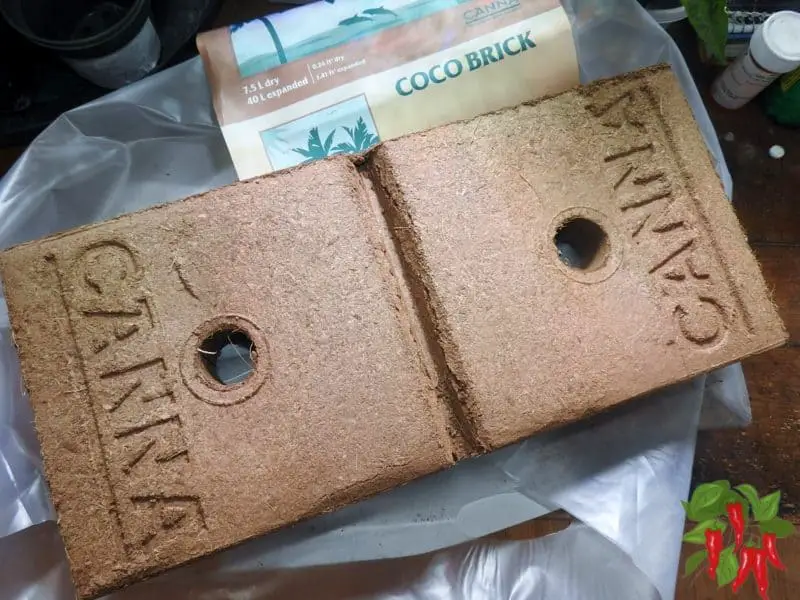
Coco coir is one of my favorite growing mediums for indoor plants and vegetables. It’s made from coconut husks, holds moisture well, and provides a good balance of water and air around plant roots when managed properly.
Unlike traditional potting soil, coco coir contains very little plant nutrition. That means you’ll need to provide nutrients, but it also gives you more control over what your plants receive. You can use coco coir in containers, hydroponic systems, and even for growing microgreens.
I’ve grown vegetables and houseplants in coco coir for years, often using it as my primary growing medium. I especially like how well it works with self-watering containers and drip irrigation systems.
Whether you’re trying coco coir for the first time or want to improve your results, these guides cover everything from preparing coco bricks to growing vegetables in coco-based systems.
Coco coir is available loose or compressed into bricks. Once hydrated, it becomes a lightweight growing medium that can be used by itself or blended with other materials.
For many of my indoor plants, I use straight coco coir. For vegetables grown with drip irrigation, I often use a mixture of about 70% coco coir and 30% perlite. The best choice depends on your plants and how you water them.
One of the first questions people ask is whether coco coir is better than soil. The answer depends on what you’re growing and how you want to manage watering and nutrients.
Traditional potting mixes often contain fertilizer and other ingredients, while coco coir allows you to manage plant nutrition more directly. Coco also differs from peat moss in how it handles moisture and its source material.
Coco coir works especially well for indoor vegetable gardening. You can use it in buckets, fabric pots, drip irrigation systems, and other containers.
Because coco coir doesn’t supply complete plant nutrition, regular feeding is important. You’ll also want to monitor watering and nutrient strength, especially when growing fast-growing vegetables under LED lights.
I like coco coir because it works with several of my indoor growing systems and gives me consistent control over watering and feeding.
Coco coir isn’t limited to vegetables. It can also work for many houseplants, succulents, and microgreens, although different plants may need adjustments to the growing medium and watering routine.
For succulents, I generally prefer a mix with plenty of perlite to improve drainage and aeration. Microgreens, on the other hand, can grow well on a shallow layer of hydrated coco coir.
One of the advantages of coco coir is its flexibility. It can be used in everything from small plant pots to larger self-watering and stacked growing systems.
Choosing the right container and watering method helps you get the most from the medium, especially when growing several plants in a small space.
Below you’ll find our complete collection of coco coir articles, including growing guides, comparisons, container projects, and tips from my own indoor gardens.
Whether you’re growing houseplants, vegetables, or microgreens, coco coir is a growing medium worth trying. Start with a simple setup, learn how your plants respond, and adjust your watering and nutrients as needed.
Learn the benefits of coco coir for indoor plants. From water retention to eco-friendliness, discover how it helps your houseplants thrive. Why Use Coco Coir … Read more

Coconut Coir for Microgreens: Coconut coir is a renewable, biodegradable growing medium made from coconut husks. It holds up to 8x its weight in water, … Read more

Choosing a Grow Medium Coco vs soil indoors isn’t just a preference debate. It changes how you water, how you feed, and how much control … Read more

Is Coco Coir Good for Succulents? Yes. Using coco coir for succulents can boost root health and water balance. Discover the benefits, best soil mixes, … Read more

Want to know How To Use Coco Coir Bricks? Simply rehydrate them with water and cal-mag, fluff by hand, and they’re ready to grow. Discover … Read more

Using coco coir in a Vivosun stackable planter maximizes space, improves aeration, and boosts plant health. A perfect setup for herbs, strawberries, and flowers. Discover … Read more

Unlock the Benefits Of Growing Vegetables In Coco Coir! This sustainable medium boosts root health, retains moisture, and offers superior aeration. Perfect for fabric pots, … Read more

Learn How To Grow Vegetables In Coco Coir. You can master the art of growing vegetables in coco coir. Get expert tips on preparation, nutrients, … Read more

Growing vegetables in coco coir indoors is simple and sustainable. Use coco coir with perlite, keep pH balanced, and fertilize regularly for healthier, faster-growing veggies. … Read more
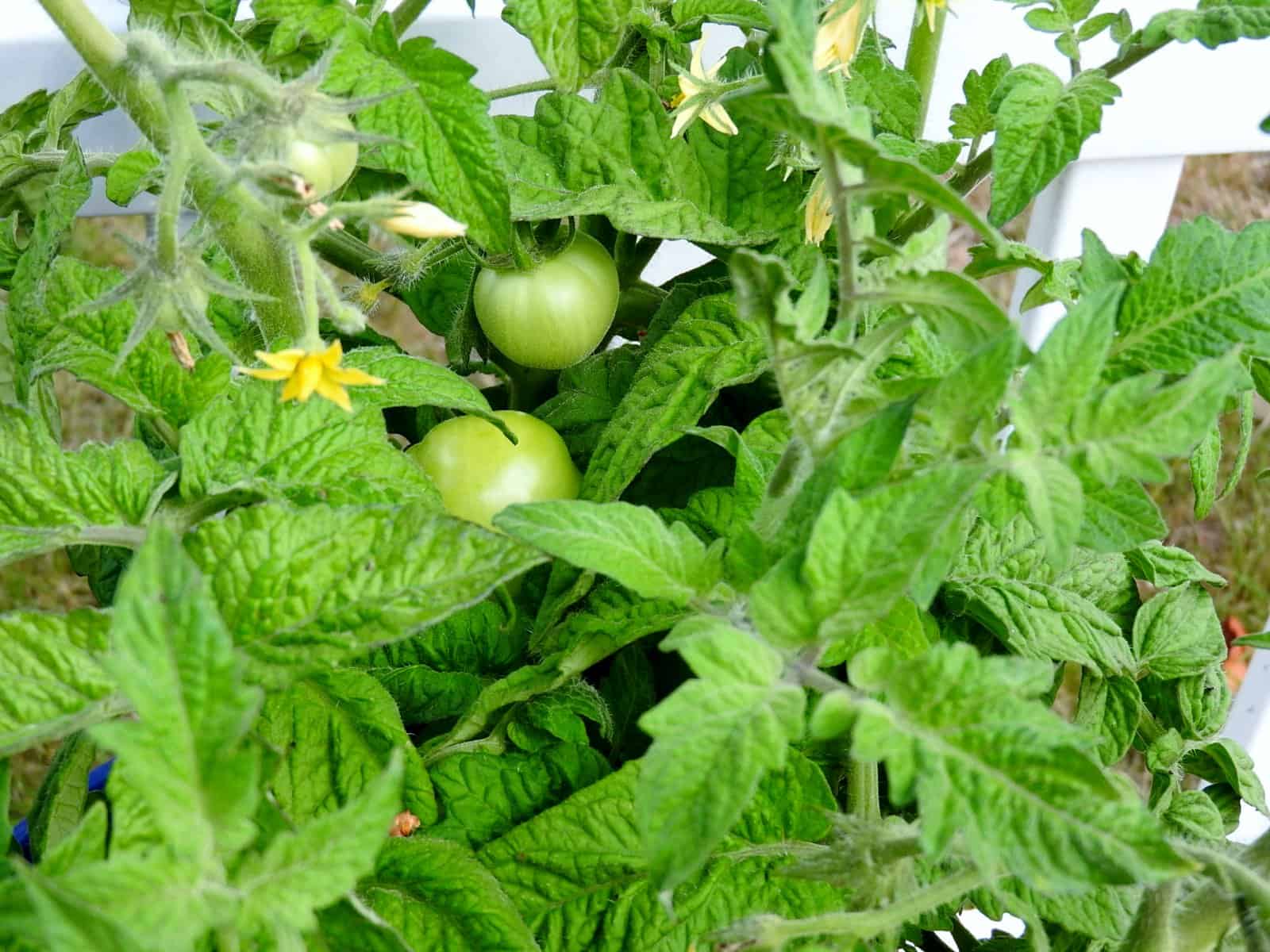
Discover how to start growing vegetables in coco coir with our step‑by‑step guide. From preparing coco bricks to feeding and watering tips, coco coir helps … Read more

Coco Coir vs Peat Moss: Which should you choose? Both boost soil performance, but coco coir offers better aeration, balanced pH, and is renewable, while … Read more