
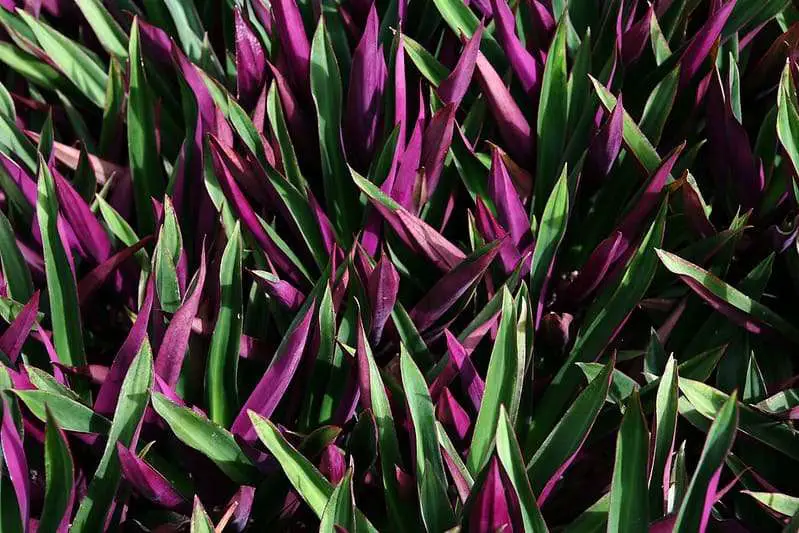
Looking to add some bold color to your space? With its striking purple undersides and easygoing nature, learning oyster plant care indoors is simple and rewarding.
This hardy houseplant thrives with just the right mix of light, water, and humidity, making it a great choice whether you’re new to plants or already have a growing collection.
The oyster plant (Tradescantia spathacea) is a popular, eye-catching, compact houseplant that can also be grown outdoors in warm climates. It is also known as Moses in the cradle. Here’s how:
- Provide bright, indirect sunlight, well-draining soil, and water when the top inch of soil dries out.
- Monthly fertilization with a balanced fertilizer during the growing season is beneficial.
- They appreciate higher humidity.
- A regular check for common pests like mealybugs and spider mites will keep them healthy.
It is easy to care for and tolerates a wide range of growing conditions, making it a great choice for novice gardeners.
In this article, we will discuss the basics of oyster plant care indoors and offer tips on how to keep your plant looking its best.
Oyster Plant Care Indoors (Tradescantia spathacea)

Oyster Plants are native to Central and South America, where they grow in moist, shady areas.
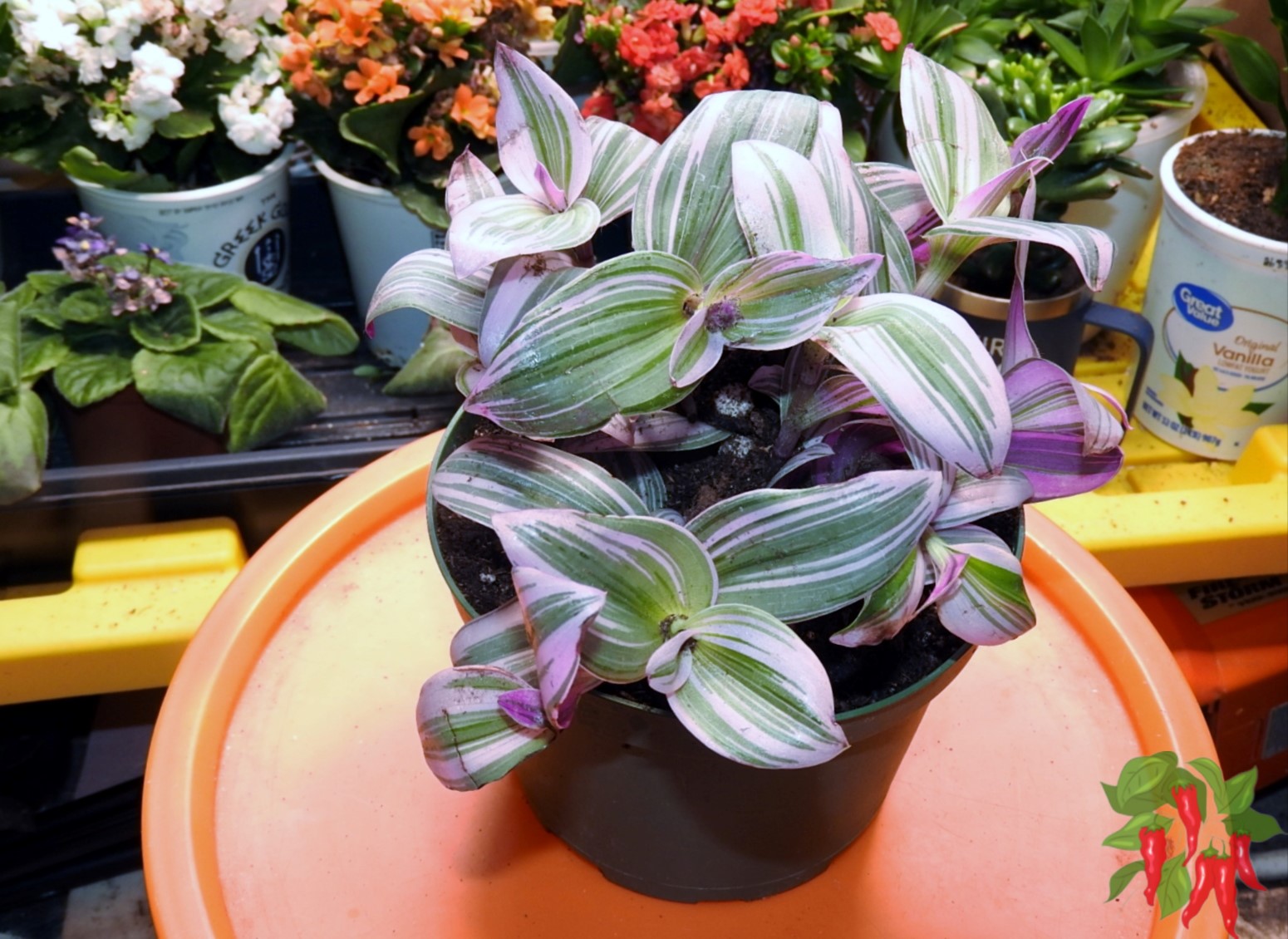
The leaves of the oyster plant are fleshy and canoe-shaped. They are green on top and purple underneath. The flowers of the oyster plant are small and white, and they bloom in clusters.
Oyster Plants are easily propagated from side shoots produced by the mother plant.
Oyster Plants can reach a height of up to two feet, but they are typically much smaller when grown indoors.
When growing Oyster Plants indoors, choose a spot that receives bright, indirect light.
Oyster Plants can tolerate some direct sun, but too much sun will cause the leaves to fade and turn brown.
If your plant is not getting enough light, the leaves will become pale and limp.
Oyster Plants prefer a well-draining potting mix. You can use a commercial potting mix, or you can make your own by mixing equal parts peat moss, perlite, and vermiculite.
Water your oyster plant regularly, keeping the soil moist but not soggy. Allow the top inch of soil to dry out between waterings.
Oyster Plants are tolerant of a wide range of humidity levels, but they prefer higher humidity. They will benefit from occasional misting.
Fertilize your oyster plant once a month during the growing season with a water-soluble fertilizer. Reduce or eliminate fertilization during the winter months.
Oyster Plants are relatively pest and disease-resistant, but they can be susceptible to mealybugs, scale, and spider mites.
Watch for signs of pests, such as stippling on the leaves or webbing around the stems.
If you notice any problems, treat your plant with neem oil. You can also try using insecticidal soap for these pests
Oyster Plant Care Reference Guide
| Characteristic | Details |
|---|---|
| Common Name | Oyster Plant, Moses-in-the-Cradle, Boat Lily |
| Botanical Name | Tradescantia spathacea |
| Native Habitat | Central America, Mexico, and the Caribbean |
| Plant Type | Evergreen perennial houseplant |
| Growth Pattern | Clumping rosettes with fleshy, sword-shaped leaves |
| Mature Size | 12–24 inches tall, 12–24 inches wide |
| Watering | Water when the top 1 inch of soil is dry; avoid soggy soil |
| Light/Sun Exposure | Bright, indirect light; tolerates some direct sun |
| Soil Type | Well-draining mix with peat/coco coir and perlite |
| Soil pH | Slightly acidic to neutral (6.0–7.5) |
| Temperature | 55–80°F (13–27°C); protect from frost |
| Humidity | Prefers moderate to high humidity; occasional misting helps |
| Bloom Time & Flower Color | Year-round indoors; small white flowers tucked in leaf bracts |
| Potential Problems | Root rot from overwatering; mealybugs, scale, and spider mites |
| Repotting | Every 2–3 years or when rootbound; use slightly larger pot |
| Hardiness Zones (USDA) | 9–11 (grown outdoors); elsewhere as a houseplant |
Oyster Plant Care In A Nutshell
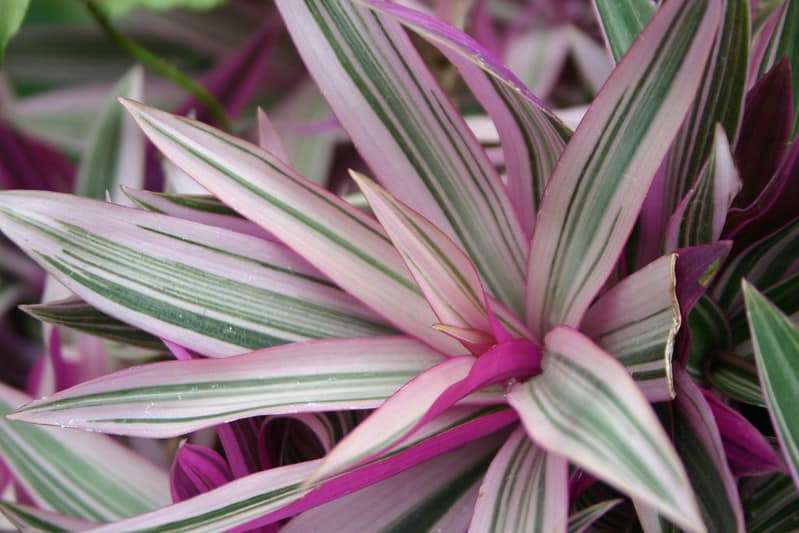
If you are thinking of adding an oyster plant to your home, here are a few quick tips for oyster plant care:
- Oyster Plants prefer bright, indirect sunlight. However, too much direct sunlight will cause the leaves to fade or burn.
- Oyster Plants require moist soil, but they should never be allowed to sit in water.
- Allow the top layer of soil to dry out before watering again. If the leaves start to droop, that is an indication that the plant needs more water.
- Oyster Plants are relatively low-maintenance plants, but they will benefit from occasional fertilization. Use a balanced fertilizer once every 2-3 months during the growing season.
By following these simple tips, you can keep your oyster plant healthy and attractive for many years to come.
Oyster Plant Soil Requirements

Oyster Plants prefer well-drained soil. Use coco coir or peat moss amended with perlite or buy a commercial potting mix.
The plant does not like to sit in wet soil, as this can lead to root rot.
You can add fertilizer for your plant once a month using a balanced fertilizer or compost tea.
Oyster Plant Light Requirements
The Oyster Plant prefers bright, indirect light. If you cannot provide bright light, the plant will do fine in lower light conditions, but it will grow slower and produce fewer flowers.
Oyster Plant Temperature Needs

The Oyster Plant is a tropical plant and prefers warm temperatures of 55-80°. It will do well in most homes, but if your home is on the cooler side, you can try placing the plant near a south-facing window.
Oyster Plant Propagation
Propagation: Oyster Plants create side shoots with babies that can be removed and rooted in a separate pot once they reach about 4 inches.
They can also be propagated by division. This works really well when the pot starts getting crowded.
Simply use a sharp knife and cut the root ball into sections that each have a stem and some leaves attached and repot them.
They can be grown from seed but this is much slower.
Oyster Plant Pests & Diseases
Oyster Plants are relatively pest-free, but they can be susceptible to spider mites, mealybugs, and scale.
If you see any pests on your plant, you can remove as many of them by hand as you can and treat the plant with insecticidal soap.
Root Rot In Oyster Plants
Oyster Plants are not susceptible to many diseases, but they can be affected by root rot if they are allowed to sit in wet soil.
If you see that the leaves of your plant are wilting or turning yellow, it is a sign that the roots may be rotting.
To save the plant, remove it from its pot and replant it in dry, well-drained soil.
Root rot is the number one killer of Oyster Plants, but by following these tips, you can keep your plant healthy and thriving.
When it comes to watering, the key is to let the soil dry out completely between waterings.
This plant does not like wet feet and will start to show signs of stress if it is constantly sitting in moist soil.
Water your plant thoroughly, then allow the top inch or two of soil to dry out before watering again.
Oyster Plant Habitat
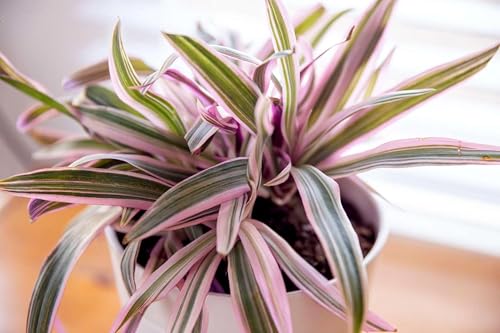
If you live in a warm climate, you can plant your oyster plant outdoors in a sunny spot. It will do best in well-drained soil and should be watered regularly.
Make sure to bring your plant indoors before the first frost of winter.
In colder climates, Oyster Plants can be grown as houseplants. Place them near a window where they will receive bright, indirect light.
Water regularly and fertilize monthly using a balanced fertilizer or compost tea.
With proper care, your oyster plant will thrive indoors or outdoors in warm climates.
Humidity For Tradescantia Spathacea
The oyster plant does best in high humidity, so it’s a good idea to mist it regularly or set it on a pebble tray. If the leaves start to turn brown and crisp, the air is too dry.
Fertilizing The Oyster Plant
Oyster Plants are not heavy feeders, so they don’t need a lot of fertilizer.
Once a month during the growing season is sufficient. You can stop fertilizing altogether in the winter.
Pruning Oyster Plants
You can prune your oyster plant to keep it compact and bushy, or you can let it grow leggier.
Most pruning consists of removing leaves that are dying back.
Repotting Tips
When potting an oyster plant, use a pot that is only slightly larger than the root ball.
These plants don’t like to be disturbed, so they won’t need repotting very often.
Use a well-draining potting mix and water regularly. Coco coir makes an excellent potting medium that is well draining and provides good aeration.
Oyster Plant Problems

If your oyster plant starts to yellow or the leaves start to drop, it’s probably getting too much water. Yellowing leaves can also be a sign of insufficient light.
Why Are My Oyster Plant’s Leaves Turning Brown?
If you notice your oyster plant’s leaves turning brown, it is likely due to one of the following reasons
- too much direct sunlight
- too much water
- insect infestation
If you think your oyster plant is getting too much water, try letting the soil dry out a bit before watering again.
Oyster Plants need bright, indirect light to thrive. Move your plant to a dimmer spot and see if the leaves start to green up.
If you see small bugs on your plant, it may be infested with aphids, spider mites, or mealybugs.
These pests can be controlled with insecticidal soap or neem oil.
Why Are My Oyster Plant’s Leaf Tips Turning Brown?
If you notice the tips of your oyster plant’s leaves turning brown, it is likely due to too much fertilizer.
Over time fertilizer salts can build up in your potting mix. You can try flushing out your plant with water to get rid of excess salts.
My Oyster Plant Leaves Have Tiny White Spots On Them
Spider mites can cause leaves to show white spots. Check the underside of leaves for these tiny bugs and look for signs of webbing.
Most pests can be treated with insecticidal soap or neem oil. It is important to have complete coverage when spraying because they must make direct contact with the pests to work.
Are Oyster Plants Toxic To Pets?

Oyster Plants are not toxic to pets or humans. But the sap from the leaves can cause skin irritation in some animals.
It is always best to place any plant where pets or young children cant easily access them even if they are not known to be toxic.
Oyster Plant FAQs

Indoor gardening enthusiasts often have questions regarding the care of their Oyster Plants (Tradescantia spathacea).
These fascinating plants are native to Central and South America but have found their way into many homes due to their unique appearance and ease of care.
While they are relatively low maintenance, understanding their basic needs is crucial for them to thrive in an indoor setting.
Q. What kind of soil is best for Oyster Plants?
A. Oyster Plants prefer well-draining soil to prevent waterlogging and root rot. A mix of peat moss, perlite, and vermiculite or a commercial potting mix works well. Adding coco coir can also provide good aeration and drainage.
Q. How often should I water my oyster plant?
A. Watering frequency may vary, but generally, keep the soil moist, allowing the top inch to dry out before the next watering. If the leaves begin to droop, it’s a sign your plant needs more water.
Q. How do I propagate Oyster Plants?
A. Propagation is straightforward with Oyster Plants. They produce side shoots that can be removed and rooted in a separate pot once they reach about 4 inches. Division is another method; simply cut the root ball into sections, each with a stem and leaves, and repot them.
Q. Are Oyster Plants toxic to pets?
A. Oyster Plants are not toxic to pets or humans. However, the sap from the leaves might cause skin irritation in some animals. It’s advisable to place the plant where pets or young children can’t easily access it.
By understanding and addressing the common concerns associated with oyster plant care, you’re well on your way to enjoying these captivating plants in your indoor garden.
Oyster Plant Care Indoors Final Thoughts

Oyster Plants are relatively easy to care for and make a great addition to any indoor or outdoor space.
With a little bit of water and light, they’ll thrive and add a pop of color to your home. Thanks for reading and happy gardening.
https://plants.ces.ncsu.edu/plants/tradescantia-spathacea/
🌿 Indoor Houseplant Growing Guides
Want to fill your home with lush, vibrant greenery? These expert indoor houseplant guides will help you grow everything from exotic blooms to hardy foliage with ease!
- 🌿 Benefits of Keeping Indoor Houseplants (Pillar Guide)
- 🌱 Can You Grow Gladiolus Indoors? 11 Easy Gladioli Growth Tips
- 🍃 Pink Wandering Jew: Easy Nanouk Tradescantia Care
- 🌾 Tī Plant Care Indoors: 7 Proven Tips To Transform Your Space
- 🪴 Rubber Plant Care Indoors: 11 Best Care Tips For Beginners
- 🍀 Ficus Benjamina Indoors: 6 Easy Growth Tips For Beginners
- 🌼 How To Care For Peace Lily Indoors: 13 Easy Care Growth Tips
- 🌹 Bubble Gum Plant Care: 11 Tips And Tricks For Beginners
- 🌺 Hibiscus Plant Care Indoors: 7 Growth Tips For Beginners
- 🍂 Growing Jacob’s Ladder Indoors: Comprehensive Guide
- 🌷 Purple Shamrock Plant Care: 13 Tips And Tricks For Beginners
- 🌿 Creeping Jenny In Pots: 13 Lysimachia nummularia Growth Tips
- 🏡 Vertical Gardening Ideas: Best Small Space Garden Ideas
- 🪴 Chinese Money Plant Care Indoors: 7 Easy Growth Tips
- 🌳 9 Triangle Ficus Care Secrets for a Lush, Healthy Plant
- 🍌 Ice Cream Banana Tree Care: 15 Tip Complete Growth Guide
- 🌱 How to Make a Nerve Plant Thrive: 10 Tips and Tricks
- 🌸 African Violet Care Indoors: 11 Easy Care Tips For Beginners
- 🌺 Alternanthera Party Time Care: 7 Easy Growth Hacks
- 🌼 Geranium Care In Pots: 9 Geranium Growth Tips For Beginners
- 🌿 Purple Velvet Plant Care: 7 Easy Growth Tips And Tricks
- See all articles in our Indoor Houseplants category
 Steve S. is the creator of