

Looking for vertical gardening ideas for balconies? If you’re living in an apartment with limited outdoor space, growing upward instead of outward is one of the easiest ways to make room for more plants.
You don’t need a large balcony to grow herbs, vegetables, flowers, or even a few succulents. Hanging baskets, stackable planters, trellises, and railing planters can help you use space that would otherwise go to waste.
I’ve always liked finding ways to grow more plants in smaller spaces. The trick is choosing a setup that fits your balcony, gets enough sunlight, and doesn’t become a headache to maintain. Let’s look at five practical ways to make it work.
🌿 What You’ll Learn
- Five practical vertical gardening methods for apartment balconies.
- How to choose between tiered planters, trellises, hanging baskets, railing planters, and hydroponics.
- What to check before installing a balcony garden, including weight restrictions and building rules.
- How sunlight, wind, drainage, and watering affect your plants.
- Which herbs, vegetables, flowers, and succulents work well in vertical gardens.
- How to make better use of limited balcony space without overcrowding it.
🌱 Quick Answer: What Are the Best Vertical Gardening Ideas for Balconies?
The five most practical vertical gardening ideas for balconies are tiered plant stands, trellises for climbing plants, hanging baskets, railing planters, and vertical hydroponic systems.
Tiered stands are good for organizing containers, trellises support climbing vegetables, and hanging baskets make use of overhead space. Railing planters add growing room around the edges, while hydroponic systems offer another way to grow herbs and leafy greens.
Before choosing a method, check your building’s rules, the balcony’s weight capacity, available sunlight, and exposure to wind. A simple setup that you can water and maintain safely is usually the best place to start.
🪴 Vertical Balcony Gardening at a Glance
Not every vertical gardening method works equally well on every balcony. Here’s a quick comparison to help you choose a setup that fits your space and growing plans.
| Method | Best Uses | What to Consider |
|---|---|---|
| Tiered Plant Stands | Herbs, flowers, succulents, and small containers | Stable placement, weight, and sunlight reaching lower shelves |
| Trellises | Pole beans, peas, cucumbers, and climbing ornamentals | Secure supports, wind exposure, and enough room for mature plants |
| Hanging Baskets | Trailing flowers, strawberries, and compact herbs | Approved mounting points, drainage, and frequent moisture checks |
| Railing Planters | Flowers, herbs, lettuce, and other compact plants | Railing restrictions, secure attachment, and preventing water from dripping below |
| Vertical Hydroponics | Lettuce, leafy greens, strawberries, and herbs | Reservoir weight, electricity, weather protection, and regular maintenance |
My suggestion: If you’re just getting started, try a tiered plant stand or a few securely mounted planters before investing in a larger vertical growing system. You can always expand once you see how much sunlight and wind your balcony gets.
Vertical Gardening Ideas for Balconies – What is a Vertical Garden?

Vertical Gardens: Maximizing Limited Spaces
A vertical garden is an innovative approach to urban gardening, where plants are grown vertically, utilizing walls, trellises, or specialized structures.
This method is ideal for balconies, as it efficiently uses vertical space, allowing for a diverse range of plants without occupying the limited floor area.
It’s an optimal solution for those craving greenery in small apartments or urban settings, where traditional gardening is a challenge due to space constraints.
Starting a Vertical Balcony Garden
Laying the Foundations: Kickstarting Your Balcony Garden
Embarking on the journey of vertical gardening begins with understanding and adapting to your unique balcony environment.
This section will guide you through the initial considerations and steps to create a thriving vertical garden that complements your living space.
Regulations and Permissions
Before diving into your gardening project, it’s crucial to acquaint yourself with the rules and regulations of your apartment complex.
Certain balconies may have restrictions on the weight of items placed on them or specific aesthetic guidelines.
Ensure you comply to avoid any issues down the line.
Sun and Shade Dynamics
Your balcony’s exposure to sunlight is a critical factor in the types of plants you can grow.
Balconies facing south or west typically receive ample sunlight, making them suitable for plants that thrive in full sun.
Conversely, if your balcony is shaded, you’ll want to opt for plants that flourish in partial or full shade.
Wind and Water Considerations
Balconies can be prone to strong winds, which can stress plants and dry out soil quickly.
Implementing windbreaks such as trellises or screens can protect your garden.
Additionally, consider your water access. Will you be relying on a nearby faucet or carrying water from indoors?
This will influence the types of plants you choose and their maintenance needs.
Practical Tips for a Flourishing Vertical Garden

Cultivating Success: Tips for Thriving Balcony Gardens
Once you’ve navigated the initial planning stages, it’s time to delve into the practical aspects of creating your vertical garden.
This section will provide valuable tips, insights, and vertical balcony garden ideas to ensure your balcony garden not only survives but thrives.
Choosing the Right Containers and Supports
- Selecting appropriate containers and supports is fundamental.
- Consider the weight and size of the containers, ensuring they fit your balcony’s space and can be securely anchored.
- Supports like trellises and hanging systems should be robust enough to hold the weight of mature plants.
Strong and Moisture-Resistant Walls
- If you’re planning to attach planters directly to walls, it’s imperative to ensure that the wall can withstand the added weight and moisture.
- Using a vapor barrier can protect the wall from water damage.
- Always check with your building management before making any permanent alterations to the structure.
Innovative Vertical Garden Ideas
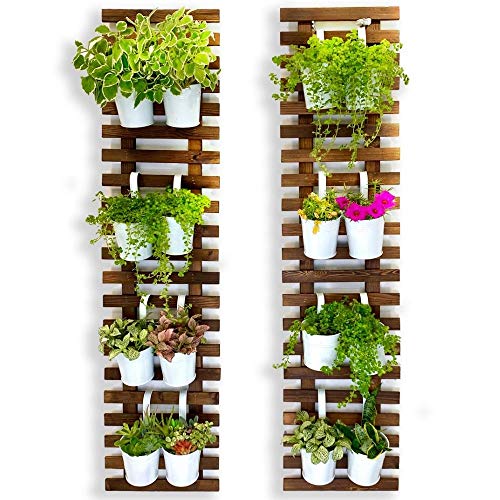
Elevating Greenery: Creative Vertical Solutions for Your Balcony
Transforming your balcony into a vertical garden is not just about saving space; it’s about unleashing creativity.
This section explores various innovative ideas that cater to different tastes and requirements, ensuring that your balcony becomes a unique reflection of your love for gardening.
Plant Stands and Vertical Planters

Tiered Beauty: Utilizing Plant Stands and Planters
Plant stands and vertical planters are the quintessential tools for vertical gardening.
With an array of designs available, from DIY options to sophisticated ready-made solutions, these structures allow you to arrange plants in a visually appealing, space-efficient manner.
Be mindful of the sunlight each plant receives based on its position on the stand.
Trellises, Cages, and Supports

Structural Support: The Role of Trellises and Cages
For plants that prefer to climb or need extra support against winds, trellises, cages, and other forms of support are invaluable.
These can range from simple bamboo stakes to elaborate metalwork, each providing a sturdy structure for plants to grow upon while adding an aesthetic element to your balcony.
Hanging Baskets
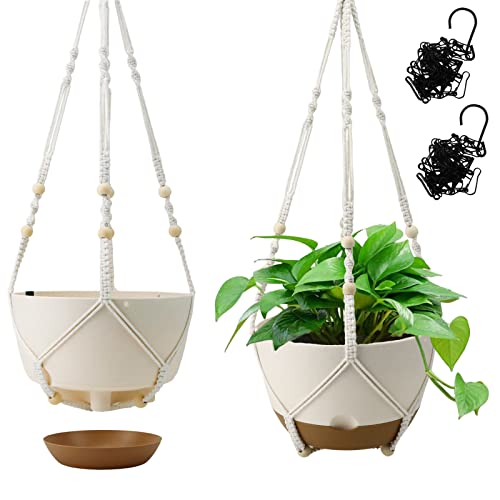
Suspended Gardens: The Magic of Hanging Baskets
Hanging baskets bring a whimsical charm to balcony gardens.
Ideal for a variety of plants, including flowering annuals and trailing greens, they utilize overhead space efficiently.
Ensure proper drainage to prevent water from dripping onto areas below, and choose sturdy hooks to secure the baskets in place.
Vertical Hydroponics

Future Farming: Exploring Vertical Hydroponics
Vertical hydroponics is a soil-less gardening technique that’s gaining popularity among urban gardeners.
This method allows for efficient water use and can lead to faster plant growth.
While it may require an initial investment and some DIY skills, the results are often rewarding, especially for those interested in growing their own vegetables and herbs.
Starting a Worm Bin
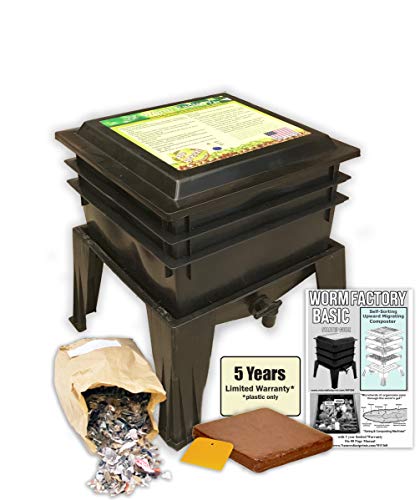
Nutrient Boost: The Benefits of a Worm Bin
Integrating a worm bin into your balcony garden is a great way to produce rich, organic compost.
This not only recycles kitchen waste but also enriches your plant’s soil, enhancing growth.
Compact worm bin designs are available that are perfect for small spaces like balconies.
Best Plants for Vertical Balcony Gardens
Plant Selection: Choosing the Right Green Companions
The choice of plants is crucial in a vertical balcony garden.
Consider the amount of sunlight your balcony receives and select plants accordingly.
Popular options include beans, cucumbers, lettuce, spinach, tomatoes, various herbs, strawberries, and even certain flowers and succulents.
Research specific plant needs, especially if you’re planning to grow vegetables or fruits, to ensure they thrive in your garden setup.
Vertical Garden Ideas for Small Spaces

Transforming Balconies: Creative Vertical Gardening Solutions
For those looking to bring life and color to their balconies, vertical gardening presents a myriad of innovative and space-saving solutions.
This section explores various vertical garden ideas that are perfect for small spaces, helping you turn even the smallest balcony into a thriving green haven.
Utilizing Vertical Planters and Stands

Layered Greenery: The Art of Vertical Arrangement
Vertical planters and stands are ideal for maximizing limited balcony space.
These structures allow for an elegant, layered display of plants, ranging from ornamental flowers to herbs and small vegetables.
Selecting the right planter involves considering the sunlight exposure and the aesthetic you wish to achieve on your balcony.
Trellises and Climbing Plants
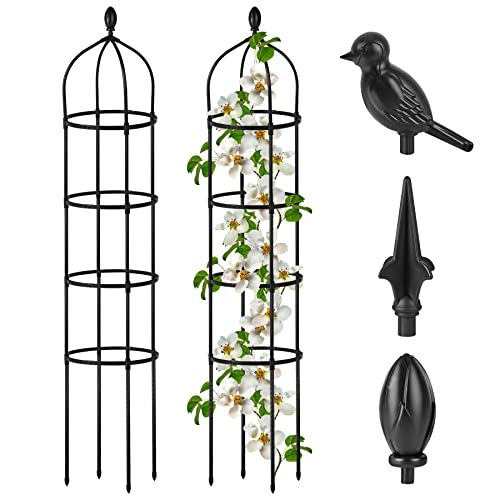
Nature’s Ladder: Embracing Trellises and Climbers
Incorporating trellises and climbing plants like ivy, jasmine, or climbing roses can transform a plain balcony into a lush, vertical garden.
Trellises come in various sizes and designs, fitting into different balcony layouts while providing support for plants to ascend.
Hanging Baskets: Aerial Beauty

Elevated Elegance: The Charm of Hanging Baskets
Hanging baskets offer a simple yet beautiful way to add greenery without using floor space.
Ideal for a range of plants, including trailing species and blooming flowers, they create an enchanting aerial garden effect.
It’s important to ensure proper drainage and secure mounting to accommodate the weight of the baskets.
Railing Planters: The Perfect Fit for Balcony Gardening
Adding Life to the Edges: Railing Planters for Balconies

Railing planters are a versatile and stylish addition to any balcony garden.
They’re specially designed to fit snugly over the railing, providing a secure and space-efficient way to display a variety of plants.
This section delves into the world of railing planters and how they can enhance your vertical gardening experience.
The Charm of Railing Planters
Effortless Installation and Instant Appeal
Railing planters offer the easiest installation among balcony garden options.
With a simple placement over the balcony rail, you can instantly add a pop of color and life to the perimeter of your outdoor space.
They’re perfect for small apartments where floor space is at a premium, allowing you to cultivate an array of flowers, herbs, and even small vegetables right at the edge.
Maximizing Space and Beauty
Dual Benefits: Aesthetic and Practicality

Not only do railing planters maximize the use of available space, but they also contribute to the balcony’s aesthetic.
By choosing planters that complement the exterior design and filling them with vibrant plant life, you can create a visually appealing garden that’s also incredibly functional.
Tips for Railing Planter Gardening
Growing Successfully on the Rails
To ensure your railing planters thrive, consider the following tips:
- Choose the Right Size: Make sure the planters fit your railing dimensions. There are adjustable options available to accommodate various rail widths.
- Mind the Weight: Be cautious of the weight limit of your balcony railing to avoid any safety hazards.
- Drainage: Opt for planters with adequate drainage to prevent waterlogging, which could damage both the plants and the railing over time.
- Plant Selection: Pick plants suitable for the amount of sunlight your balcony receives. Trailing plants like ivy or petunias can create a stunning cascade effect, while upright herbs or flowers can add structure and height.
Hydroponic Vertical Gardens

Innovative Gardening: The Rise of Hydroponics
For balconies with limited soil space, hydroponic systems offer a soil-less alternative.
These systems allow for efficient use of water and space, supporting a diverse range of plants.
Hydroponic vertical gardens can be a practical and futuristic addition to your balcony, especially for growing herbs and leafy greens.
Hydroponic Vertical Gardens: The Future of Balcony Gardening
Elevate Your Gardening Game: Hydroponic Systems for Urban Spaces
Hydroponic vertical gardens represent the cutting edge of urban gardening.
They eliminate the need for soil, using nutrient-rich water solutions to feed plants directly.
This innovative approach to balcony gardening saves space and water, making it an ideal solution for the urban gardener looking to maximize their green space.
The Essence of Hydroponic Gardening

Soil-Free Growth: Clean and Efficient
Hydroponic systems allow plants to grow vertically in a controlled environment with minimal mess.
The roots are suspended in a water solution, receiving all necessary nutrients without the bulk and weight of soil.
This method is not only space-saving but also tends to result in faster plant growth and can be remarkably yield-efficient.
Advantages of Hydroponic Vertical Systems
High Yields in Small Spaces
The advantages of hydroponic vertical gardens are numerous:
- Water Conservation: These systems use up to 90% less water than traditional soil gardens since water is recirculated.
- Space Efficiency: Vertical hydroponics maximize vertical space on balconies, allowing for a greater number of plants in a smaller footprint.
- Reduced Pests and Diseases: With no soil to harbor pests or spread disease, plants grown hydroponically are generally healthier and require fewer pesticides.
- Year-Round Growing: Hydroponic systems can be maintained indoors or outdoors, providing fresh produce throughout the year, regardless of the season.
Setting Up Your Hydroponic System
Building Your Own Garden of the Future
Setting up a hydroponic vertical garden can be as simple or complex as you wish.
From pre-fabricated towers to DIY setups using PVC pipes or repurposed containers, the flexibility of design is vast.
Key components include a reservoir for the nutrient solution, a pump for circulation, and proper lighting if indoors.
Plants Perfect for Hydroponic Vertical Gardens
Choosing the Right Plants for Your Hydroponic Oasis
Many plants are well-suited for hydroponic systems, especially herbs like basil, mint, and cilantro, and leafy greens such as lettuce, spinach, and kale.
Small fruiting plants like strawberries and tomatoes can also thrive in these systems.
Balcony-Friendly Edible Gardens
Cultivating Taste: Edible Plants for Your Balcony
Turn your balcony into a source of fresh produce by growing vegetables and herbs vertically.
Plants like tomatoes, beans, cucumbers, and a variety of herbs can thrive in balcony conditions.
Consider vertical vegetable garden ideas that use stackable planters or trellises to maximize your growing space and yield.
Succulent Walls and Vertical Displays
Desert Flair: The Appeal of Succulent Walls

Succulents are perfect for vertical displays due to their low maintenance and diverse forms.
Creating a succulent wall or vertical arrangement brings an artistic and modern touch to your balcony, requiring minimal watering and care.
🌿 Vertical Gardening Ideas for Balconies FAQs
What are the best plants for a vertical garden on an apartment balcony?
Herbs, lettuce, strawberries, compact flowering plants, and climbing vegetables are good choices for vertical balcony gardens. Basil, parsley, mint, petunias, and leaf lettuce work well in containers. If you have enough sunlight and a sturdy trellis, you can also grow pole beans, cucumbers, and some tomato varieties. Choose plants based on how much direct sunlight your balcony receives.
Can I grow vegetables in a vertical balcony garden?
Yes. Vertical gardening is a practical way to grow vegetables when floor space is limited. Pole beans, peas, and cucumbers can grow on trellises, while lettuce, spinach, and herbs work well in tiered planters. Compact tomatoes can also be grown in containers with proper support. Most fruiting vegetables need at least six hours of direct sunlight, with eight or more hours often producing better results.
How do I water a vertical balcony garden?
Check the growing medium regularly rather than watering everything on a fixed schedule. Small containers and hanging baskets can dry out quickly, especially during hot or windy weather. Self-watering planters and drip irrigation can make watering easier. Make sure every container drains properly and that excess water doesn’t drip onto balconies or walkways below.
Can I create a vertical garden on a shady balcony?
Yes, although your plant choices will be more limited. Ferns, begonias, and other shade-tolerant ornamentals can work well. For edible plants, try leafy greens such as lettuce, spinach, or arugula where there is enough indirect light or a few hours of sun. Expect slower growth and smaller harvests in heavily shaded locations. Tomatoes, peppers, and cucumbers generally need considerably more sunlight.
Are hanging baskets and railing planters safe for apartment balconies?
They can be safe when installed correctly and permitted by your building. Check apartment rules before attaching anything to walls, ceilings, or railings. Use mounting hardware rated for the full weight of the planter, including wet growing medium and mature plants. Avoid placing unsecured containers where they could fall, and make sure drainage water won’t create problems for neighbors below.
How much weight can a balcony vertical garden hold?
That depends on the balcony’s construction and its approved load capacity. Large planters, wet growing media, water reservoirs, and heavy plant stands can add more weight than you might expect. Don’t guess at the weight limit or assume every balcony is built the same way. Ask your building manager or property owner about restrictions before installing a large vertical garden.
How do I protect a vertical balcony garden from strong winds?
Start with stable containers and properly secured supports. Trellises, plant stands, and hanging baskets need to withstand the wind conditions on your balcony. A permitted wind screen may help, but it must also be securely installed. Avoid tall, top-heavy arrangements in exposed locations, and check plants more frequently because wind can dry out containers quickly.
Are vertical hydroponic systems good for balconies?
Vertical hydroponic systems can work well for growing lettuce, herbs, strawberries, and other compact plants. However, not every indoor hydroponic tower is designed for outdoor use. Before placing one on a balcony, check the manufacturer’s instructions for weather exposure, electrical safety, and temperature limits. Remember that a full reservoir adds weight, and the system will need regular monitoring and maintenance.
What is the easiest vertical gardening method for beginners?
A tiered plant stand is one of the easiest places to start. You can arrange ordinary containers on different levels without building a complicated growing system. Start with a few herbs, flowers, or leafy greens suited to your sunlight conditions. Once you know how your balcony handles sun, wind, and watering, you can add hanging baskets, trellises, or other vertical planters.
Can I grow a vertical balcony garden without drilling holes?
Yes. Freestanding tiered plant stands, stackable planters, and containers with built-in trellises can provide vertical growing space without attaching anything to the building. Some railing planters also use adjustable brackets, although you should still check building rules and secure them properly. Freestanding systems are particularly useful for renters who cannot make permanent changes.
🌿 Vertical Gardening Ideas for Balconies: Final Thoughts
You don’t need a big backyard to enjoy gardening. With a few good vertical gardening ideas for balconies, you can grow herbs, vegetables, flowers, and other plants in a surprisingly small space.
The key is making the most of the space you have without overcrowding it. Tiered plant stands, hanging baskets, trellises, and railing planters are all practical options. If you enjoy hydroponics, a vertical growing system is another possibility, provided it’s suitable for outdoor use.
Before getting carried away with planters and equipment, pay attention to sunlight, wind, drainage, and weight restrictions. A balcony garden should be easy to maintain and safe for you and your neighbors.
My advice is to start small. Try a few containers, see how your plants respond to the conditions on your balcony, and expand from there. You might be surprised how much you can grow once you start using the vertical space.
Whether you’re growing a few herbs for the kitchen or putting together a larger balcony vegetable garden, there’s plenty you can do with limited space.
Keep it green, and happy growing!
🌿 Apartment Balcony Garden
Transform your balcony into a green oasis! Explore beginner tips, plant guides, seasonal ideas, and creative setups for small spaces.
-
- 🪴 Sustainable Balcony Gardening: Tips and Tricks for Beginners
- 🌱 Balcony Herb Gardening: 7 Easy Tips and Tricks For Beginners
- 🪟 Small Balcony Gardening for Beginners: 11 Easy Tips
- 🌼 Small Balcony Gardening Guide: 11 Easy Tips For Beginners
- 🌸 Apartment Balcony Gardening: 17 Best Tips for Beginners
- 🥕 Balcony Vegetable Gardening for Beginners: 9 Easy Tips
-
- 🌳 Best Balcony Plants for Privacy
- 🌺 Best Plants for Balcony Gardens: 11 Easy Tips for Beginners
- 💡 Balcony Gardening Ideas: Best Tips and Tricks for Beginners
- 💰 21 Budget Friendly Balcony Gardening Ideas
- ❄️ Balcony Gardening in Winter: 9 Helpful Tips and Tricks
- ⬆️ Vertical Gardening Ideas for Balconies: 5 Easy Methods
- See all articles in our Apartment Balcony Garden category
📚 References & Further Reading
- 🌿 Virginia Tech Extension – Vertical Gardening Using Trellises, Stakes, and Cages – A practical guide to growing upward with trellises and supports, including vertical gardening in small spaces such as balconies and patios.
- 🌱 University of Maryland Extension – Vines for Maryland Gardens – Explains how climbing plants grow, how to choose suitable supports, and how to train vines on trellises and other vertical structures.
- 💧 Oklahoma State University Extension – Building a Vertical Hydroponic Tower – Covers vertical hydroponic systems, tower construction, nutrient delivery, and growing plants in limited spaces.
- 🥬 University of Florida IFAS Extension – Growing Lettuce in Small Hydroponic Systems – Discusses small hydroponic gardens, vertical growing arrangements, irrigation, plant spacing, and lighting considerations.
 Steve S. is the creator of