
What You’ll Learn
- Where a Dragon Tree grows best indoors (and what “bright” really means)
- How to water Dracaena marginata without inviting root rot
- The easiest soil setup for healthy roots and steady growth
- How to handle brown tips, slow growth, and droopy leaves
- What to watch for with pests like spider mites, scale, and mealybugs
If you want a tall, low-maintenance houseplant that still looks “tropical,” Dracaena marginata care indoors is about as beginner-friendly as it gets. The Dragon Tree handles real-life homes well—as long as you get light and watering right.
This guide walks you through the simple setup: bright, indirect light, letting the soil dry a bit between waterings, and avoiding the few common mistakes that lead to brown tips, yellow leaves, and pest flare-ups.
One quick heads-up: D. marginata is a slow grower, so starting with a larger plant is often worth it if you want height right away.

You can buy a Dacaena Dragon Tree here on Amazon
What Is Dracaena Marginata?
Dracaena Marginata is a species of flowering plant in the Asparagaceae family, native to Madagascar.
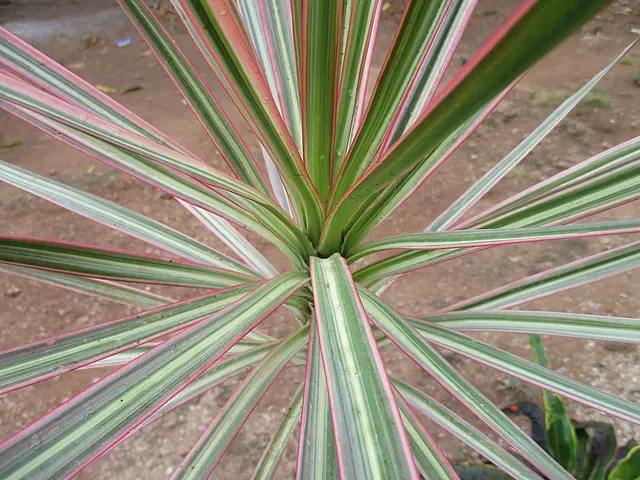
It is a slow-growing, evergreen tree with long, narrow leaves that are often green and red with a distinct red edge.
Another popular plant in the Dracaena genus is the Corn Plant (Dracaena fragrans).
It is better to buy a plant labeled with its scientific name because the common name is often wrong or has multiple uses and could be used for a totally different plant.
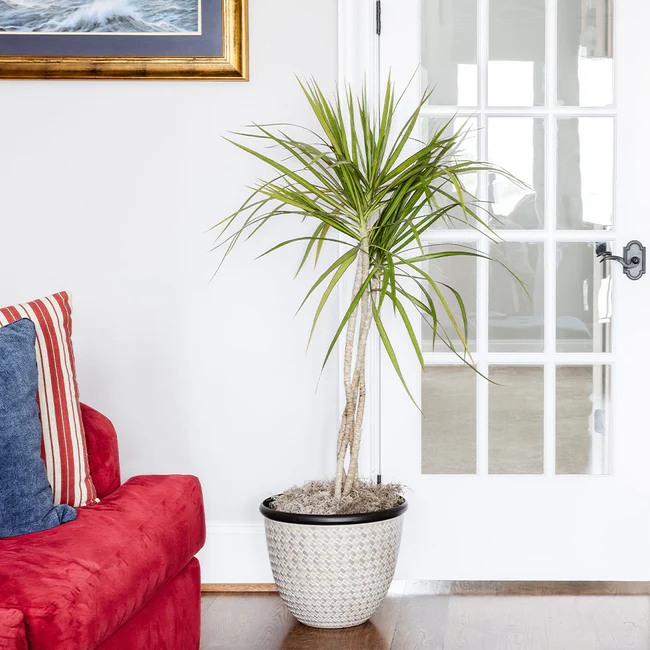
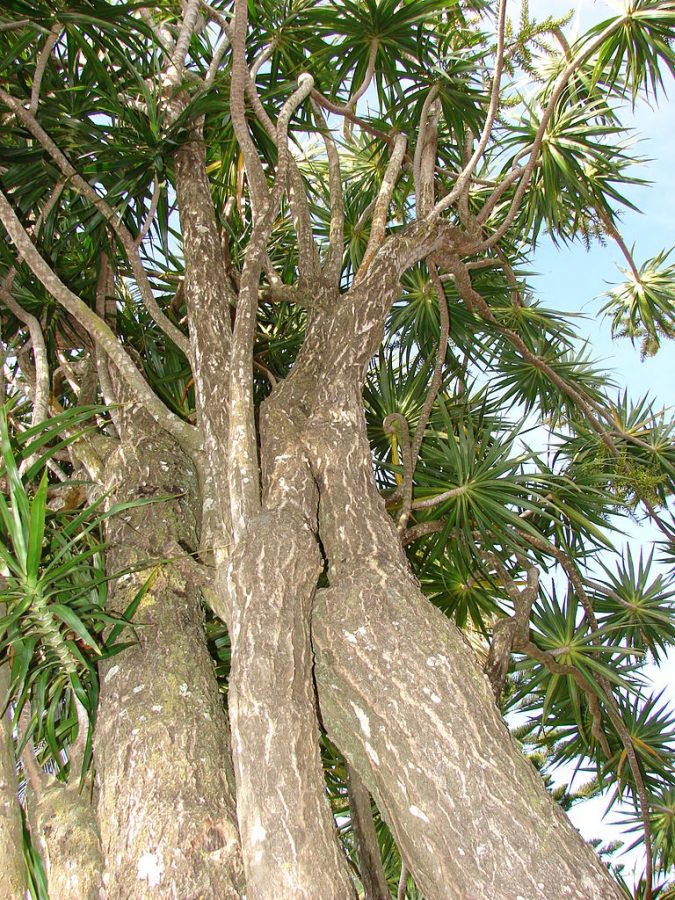
The Madagascar Dragon Tree can grow up to 15 feet tall in its natural habitat, but it is commonly grown as a houseplant, reaching a height of 6-10 feet.
Benefits of Having Dracaena Marginata in Your Home
Dracaena marginata isn’t popular just because it survives neglect. It earns its spot because it solves real indoor plant problems — especially if you want something tall, clean-looking, and forgiving.
1) It gives you height without drama
If you want vertical interest but don’t want to babysit a fussy plant, the Dragon Tree is a solid pick. It grows upright, stays relatively narrow, and fits corners well without taking over the room.
2) It handles imperfect light
Not every home has bright windows all day. Dracaena marginata tolerates medium light better than most “tropical-looking” plants. It won’t grow fast in low light, but it usually won’t fall apart either — which is exactly what beginners need.
3) It forgives the occasional missed watering
This plant would rather dry slightly than sit soggy. That makes it more forgiving for people who are still learning how to read soil and watering cues.
4) It ages well
Some houseplants look great small and awkward big. Dragon Trees actually improve with age. As the cane thickens and the lower leaves drop naturally, it starts to look more sculptural and intentional.
5) It looks “tropical” without looking messy
The narrow leaves and upright shape don’t overwhelm a space. If you like clean rooms but still want greenery, this plant blends in without looking wild or cluttered.
Like most foliage plants, it can contribute modestly to indoor air freshness — but the real value is how well it fits real-life homes with normal light, normal routines, and the occasional forgotten watering.
The Importance Of Proper Dracaena Marginata Care:
To ensure that your Dracaena Marginata stays healthy and continues to thrive, it is important to provide proper care.
This includes providing the right amount of sunlight, watering the plant properly, and maintaining a comfortable temperature and humidity level.
Additionally, regular pruning and repotting are also important to promote healthy growth and prevent the plant from becoming root-bound.
By following these care tips, you can help your Dracaena Marginata to grow strong and healthy, providing you with a beautiful and lush indoor tropical plant for many years to come.
Dragon Tree Plant Care Reference Guide
| Characteristic | Details |
|---|---|
| Common Name | Dragon Tree, Madagascar Dragon Tree |
| Botanical Name | Dracaena marginata |
| Native Habitat | Madagascar and other Indian Ocean islands |
| Plant Type | Evergreen shrub/tree, indoor ornamental |
| Growth Pattern | Upright, cane-like stems with narrow, spiky leaves |
| Mature Size | 6–10 ft indoors; up to 20 ft outdoors in tropical climates |
| Watering | Allow top 1–2 inches of soil to dry before watering; avoid overwatering |
| Light/Sun Exposure | Bright, indirect light; tolerates lower light but grows slower |
| Soil Type | Well-draining potting mix, loamy with added perlite or sand |
| Soil pH | Slightly acidic to neutral (6.0–7.0) |
| Temperature | 65–80°F (18–27°C); avoid temperatures below 55°F (13°C) |
| Humidity | Average household humidity; benefits from occasional misting |
| Bloom Time & Flower Color | Rare indoors; small, fragrant white flowers on mature plants |
| Potential Problems | Root rot from overwatering, brown leaf tips from dry air, sensitive to fluoride in tap water |
| Repotting | Every 2–3 years or when root-bound; prefers slightly snug pots |
| Hardiness Zones (USDA) | 10–12 (grown outdoors); commonly grown indoors in all zones |
Dracaena Marginata Care Indoors
Proper care is crucial for the health and longevity of your Dracaena Marginata. In this section, we’ll go over several key aspects of Dragon Plant Care, including the importance of selecting the right location, maintaining proper temperature and humidity levels, and choosing the right soil for your plant.
By following these care tips, you can help ensure that your Dracaena Marginata stays healthy and continues to thrive.
Tip 1. Choose The Right Location For Your Dragon Plant:
The location where you place your Dracaena Marginata is critical to its health and growth. It is important to choose a spot that provides the right amount of light, warmth, and humidity.
The plant prefers bright indirect light, but it can also tolerate low light conditions.
However, direct sunlight can cause the leaves to scorch, so it’s best to avoid placing them near windows that receive direct sunlight.
Tip 2. Proper Temperature And Humidity Levels:
The ideal temperature range for Dracaena Marginata is between 65-75°F, with a minimum temperature of 50°F.
The plant is also sensitive to sudden changes in temperature and humidity, so it’s important to maintain stable conditions.
In terms of humidity, the plant prefers a moist environment of 60% to 80%humidity.
But it can tolerate low humidity levels as well. To increase humidity levels, you can place a humidifier nearby or place a tray of water near the plant.
You can also place your pot on top of a pebble tray and mist it once or twice a week to raise humidity.
Tip 3. Dracaena Soil Requirements:
The soil for your Dracaena Marginata should be well-draining and have a neutral pH of 6.0-7.0.
A good quality, commercial potting mix is a great choice for this plant, or you can make your own mix using equal parts of coco coir and perlite.
Additionally, it’s important to ensure that the pot has adequate drainage holes to prevent water from accumulating in the bottom and causing root rot.
By providing the right soil conditions, you can help ensure that your Dracaena Marginata has the necessary nutrients to grow strong and healthy.
Tip 4. Dracaena Marginata Light Requirements:
One of the key factors in successfully caring for your Dracaena Marginata is providing it with the right amount of sunlight.
This tropical plant originates from East Africa and prefers bright indirect light in its natural habitat.
In your home, it’s important to strike a balance between providing enough light for your plant to thrive, while also protecting it from intense, direct sunlight that can cause sunburn and other damage.
In this section, we’ll take a closer look at the ideal light conditions for your Dracaena Marginata and provide tips for keeping your plant healthy and happy.
How much sunlight do Dracaena plants need?
The Dracaena Marginata is a low-light plant, but it still benefits from bright, indirect light.
Place your plant near a window that gets bright, filtered light but not too much direct sun.
Direct sunlight can cause sunburn and damage to the leaves, while too little light can result in slow growth and yellowing leaves.
Signs of too much or too little sunlight
If your Dracaena Marginata is getting too much sun, you may notice the leaves becoming discolored or even sunburned.
Conversely, if your plant isn’t getting enough light, its leaves may become pale and limp, and growth may slow.
Tips for providing the right amount of sunlight
To provide the right amount of light for your Dracaena Marginata, place it near a window that gets bright, indirect light.
You can use sheer curtains or a sheer shade to filter the sun and protect your plant from direct sunlight.
If your plant is still not getting enough light, you can supplement it with artificial light, such as a fluorescent light or LED grow light placed above the plant.
Remember, the right amount of light will vary depending on the time of year, the climate, and the location of your home.
Keep an eye on your plant and adjust its location as needed to ensure that it is getting the right amount of light.
Tip 5. Dracaena Marginata Watering:
Proper watering is essential to the health and growth of your Dracaena Marginata plant. Overwatering or underwatering can lead to problems such as root rot or wilting.
In this section, we’ll discuss the best watering practices for Dracaena Marginata and how to avoid common mistakes.
Understanding how to water your Dracaena Marginata is an important step in keeping it healthy and thriving.
How Often to Water:
Dracaena Marginata plants prefer to be kept evenly moist but not waterlogged. During the growing season, the plant should be watered once a week, or when the top inch of soil is dry.
In the winter months, the plant can be watered less frequently, about once every 2-3 weeks, or when the top inch of soil is dry.
Signs of Over or Under Watering:
Overwatering: Overwatering is a common problem for Dracaena Marginata plants. Symptoms of overwatering include yellowing of the leaves, stunted growth, and a mushy texture to the stem near the soil line.
Underwatering: Underwatering can also be a problem for Dracaena Marginata plants. Symptoms of underwatering include drooping leaves, brown tips on the leaves, and slow growth.
Watering Techniques:
Bottom Watering: Bottom watering involves placing the plant in a tray filled with water and allowing the soil to soak up the moisture. This method is helpful for avoiding overwatering and helps ensure that the soil remains evenly moist.
Top Watering: Top watering involves watering the soil from above and is the most common way plants are watered. But it’s not always the best.
Misting: Misting the leaves of the Dracaena Marginata with water can help increase humidity and prevent the plant from becoming too dry.
This is especially important during the winter months when indoor air can be very dry.
In conclusion, proper watering is key to the health and growth of your Dracaena Marginata plant. By following these tips and monitoring for signs of over or under-watering, you can ensure that your plant receives the moisture it needs to thrive.
Bottom Vs Top Watering
Bottom watering and top watering are two different methods of watering plants, each with its own advantages and disadvantages.
Bottom watering involves placing the plant pot in a tray filled with water and allowing the soil to absorb the moisture from the bottom up.
This method is especially useful for preventing overwatering and ensuring that the soil remains evenly moist.
It also helps prevent water from sitting on the leaves, which can lead to leaf rot.
Top watering involves watering the soil directly from the top. This method is more common and can be easier to manage, as you can see when the soil is dry and needs water.
However, it’s important to avoid getting water on the leaves, as this can lead to leaf rot.
Additionally, top watering can result in inconsistent moisture levels, as the water may not be absorbed evenly throughout the soil.
Ultimately, the best method of watering depends on the specific needs of your plant and the environment in which it’s grown.
Experiment with both top and bottom watering to see which works best for your Dragon Plant, and adjust as needed based on the plant’s response.
Tap Water Vs Distilled Water
Tap water can contain chloramines or fluorides or other minerals that can build up in excess in the soil and affect your plant’s health.
The symptoms may include browning of leaf edges, and leaf tips, and chlorosis (yellow leaves).
So use distilled or RO water or install a filter on your tap. Using rainwater is also a good idea for watering.
Tip 6. Dracaena Marginata Pruning

Pruning is an important aspect of Dracaena Marginata care, as it helps promote healthy growth and maintain the plant’s shape.
Whether you’re looking to encourage new growth or simply remove yellow or damaged leaves, pruning is a simple and effective way to keep your Dragon Tree looking its best.
In this section, we’ll cover the basics of Dracaena Marginata pruning, including when to prune, how to prune, and tips for successful pruning.
Why pruning is important
Pruning is important for Dracaena Marginata for several reasons. Firstly, it helps to keep the plant healthy by removing yellow, dead, or diseased leaves.
This promotes healthy new growth and ensures that the plant’s energy is being directed toward its most vital parts.
Pruning also helps to maintain the plant’s shape and size, allowing you to control its overall appearance.
How often to prune
Dracaena Marginata should be pruned regularly, as needed, to remove yellow or damaged leaves.
However, it’s important not to prune too often, as this can result in stunted growth and a lack of energy for the plant.
A good rule of thumb is to prune once or twice a year, or as needed, to maintain the plant’s health and appearance.
Step-by-step guide to pruning your Dracaena Marginata
Choose the right tools: Use a sharp, clean pair of shears to prune your Dracaena Marginata.
Identify the leaves to be pruned: Look for yellow, dead, or damaged leaves, as well as any leaves that are crossing or rubbing against each other.
Cut the leaves: Using your shears or scissors, make a clean cut just above a leaf node.
Repeat: Repeat the process until all of the desired leaves have been pruned.
Dispose of the cuttings: Dispose of the cuttings in the trash or compost pile.
It’s important to follow these steps carefully to ensure that your Madagascar Dragon Tree is pruned correctly and to avoid damaging the plant.
Heading Back Stems To Reduce Height And Make It Bushier
In addition to removing yellow or damaged leaves, pruning can also be used to reduce the height of your Dracaena and promote bushier growth. This is accomplished by cutting back the main stem of the plant.
To reduce the height of a Dracaena Marginata and encourage bushier growth:
Choose a stem: Look for the tallest stem of the plant that you would like to reduce.
Make the cut: Using a clean, sharp pair of shears or scissors, make a cut just above a leaf node.
Wait for new growth: After making the cut, wait for new leaves will begin to emerge from the leaf node. This new growth will form new stems, which will eventually create a bushier plant.
It’s important to note that cutting back the main stem of a Dracaena Marginata can be a significant change for the plant, and it may take some time for new growth to emerge.
However, with patience and proper care, your Dracaena Marginata will recover and grow back bushier and stronger than ever.
Tip 7. Dracaena Marginata Repotting

Repotting is an important part of Dracaena Marginata care, as it allows the plant to grow and develop properly.
Whether your Dracaena Marginata is growing too large for its current pot or simply needs fresh soil, repotting can provide the necessary space and nourishment for the plant to thrive.
In this section, we’ll cover the steps and tips for successfully repotting your Dracaena Marginata.
A. How often to repot
Dracaena Marginata is a slow-growing plant but eventually, it will need to go into a larger pot.
Repotting your Dracaena Marginata is usually required once every 2-3 years.
However, the frequency of repotting can vary based on factors such as the size of the plant, the growth rate, and the size of the pot.
To determine if your Dracaena Marginata needs repotting, check if the roots are growing out of the drainage holes or if the plant has outgrown its pot.
B. Step-by-step guide to repotting your Dracaena Marginata
Here are the steps for repotting your Dracaena Marginata:
Prepare the new pot: Choose a pot that is 2-3 inches larger in diameter than the current pot. Fill the bottom of the pot with a well-draining potting mix.
Remove the plant from the old pot: Gently loosen the roots from the old pot by grasping the stem near the base of the plant and gently tugging. If the roots are tightly packed, use a knife or pruning shears to carefully cut through the root ball.
Prune the roots: Remove any dead or damaged roots and trim back the root ball by about 1/3.
Place the plant in the new pot: Place the plant in the new pot and add potting mix around the root ball, firming it gently to remove any air pockets.
Water: Water the plant thoroughly to help settle the potting mix and encourage root growth.
C. Tips for successful repotting
• Use a well-draining potting mix specifically formulated for houseplants for best results.
• Choose a pot with drainage holes to prevent excess water from standing in the soil and causing root rot.
• Avoid over-potting, as the plant may become pot-bound and struggle to establish itself in the new pot.
• Give the plant a few days to adjust to its new pot before returning to normal watering and care routines.
By following these steps and tips, you can ensure that your Dracaena Marginata is repotted successfully and has the space and resources it needs to grow and thrive.
Dracaena Marginata Propagation:
Propagating your Dracaena Marginata is a great way to create new plants for your home or to share with friends and family.
There are several methods for propagating this plant, including stem cuttings, division, and air layering.
This section will explore these methods in detail, including the necessary materials, steps, and tips for successful propagation.
Whether you’re looking to create new plants or simply to expand your collection, Dracaena Marginata propagation is a fun and rewarding project for indoor gardeners.
Propagation Techniques:
There are two main methods of Dracaena Marginata propagation: stem cuttings and division.
Cuttings:
Stem cuttings are a popular and straightforward method of propagating your D. Marginata.
Simply take a cutting from a healthy stem and plant it in a pot filled with a well-draining soil mixture.
With proper care, the cutting will root and develop into a new plant.
Division: Division is another method of propagating your Dracaena Marginata.
This method involves separating the plant into smaller sections, each with its own root system, and planting them in separate pots.
This propagation method is ideal for older plants that have become too large for their current pot and need repotting anyway.
B. Step-by-Step Guide to Propagating Your Dracaena Marginata:
Cuttings:
Cut a stem section about 6-8 inches long, making sure it has at least two leaves and a node (a small bump on the stem where leaves grow).
Remove the lower leaves and let the cutting sit for a day or two to allow the cut end to callus over.
Fill a pot with a well-draining soil mixture.
Dip the cut end of the stem in rooting hormone, if desired.
Insert the stem into the soil, making sure that the node is below the soil surface.
Water the soil thoroughly and place the pot in a warm, bright location.
Keep the soil moist and mist the leaves occasionally to increase humidity levels.
After several weeks, you should see new growth, which indicates that the cutting has rooted and is ready to be potted up.
Division:
Water the plant well and remove it from its pot.
Gently separate the plant into smaller sections, each with its own root system.
Repot each section in its own pot, filled with well-draining soil mixture.
Water the soil thoroughly and place the pots in a warm, bright location.
Keep the soil moist and mist the leaves occasionally to increase humidity levels.
C. Tips for Successful Propagation:
Choose healthy, vigorous stems or plants for propagation.
Make sure to use a well-draining soil mixture.
Keep the soil moist but not waterlogged.
Place the pots in a warm, bright location but away from direct sunlight.
Mist the leaves regularly to increase humidity levels.
Be patient, as it can take several weeks to several months for the new plants to root and grow.

IV. Dracaena Marginata Outdoors:
While the Madagascar Dragon Tree is primarily grown as an indoor plant, it can also be grown outdoors in warm, frost-free climates.
These attractive and low-maintenance tropical plants plant adds a touch of greenery to any outdoor space and is ideal for patios, balconies, or courtyards.
In this section, we’ll discuss the key factors to consider when growing Dracaena Marginata outdoors, including location, soil, and water requirements, as well as tips for protecting the plant from harsh weather conditions.
A. Can Dracaena Marginata be Grown Outdoors?
Dracaena Marginata can be grown outdoors in warm, frost-free climates. It is native to Madagascar, where it grows in tropical forests, so it prefers warm and humid conditions. In areas with cooler climates or frost, it is best to grow the plant indoors.
B. Ideal Conditions for Outdoor Growth:
USDA hardiness zones: Dracaena Marginata can be grown outdoors in USDA hardiness zones 10 and 11, where temperatures do not fall below 30°F (-1°C) and can safely tolerate temperatures as low as 40°F.
Location: Choose a location that is protected from strong winds and direct sunlight. The plant prefers bright, indirect light, but it can tolerate some shade.
Soil: The plant prefers well-draining soil that is rich in organic matter.
Water: Water the plant regularly, making sure the soil remains moist but not waterlogged.
Temperature: Dracaena Marginata prefers warm temperatures, between 60°F and 80°F (15°C – 26°C). It can tolerate some frost, but it is best to protect the plant from temperatures below 30°F (-1°C).
C. Care Tips for Outdoor Dracaena Marginata:
Water the plant regularly, making sure the soil remains moist but not waterlogged.
Fertilize the plant with a balanced fertilizer every 3-4 months during the growing season.
Prune the plant regularly to keep its shape and size under control.
Protect the plant from strong winds and extreme temperatures.
Bring the plant indoors or provide protection (such as a frost blanket or move it to a sheltered location.
Dragon Plant Problems: Pests
Dracaena marginata is generally tough, but like most indoor plants, it can attract a few common pests — especially if the plant is stressed or the air is very dry.
The good news? Most issues are easy to catch early and fix without turning your home into a chemistry lab.
Spider Mites
Spider mites are the most common issue, especially in dry indoor air. They’re tiny and hard to see, but you’ll notice fine webbing and leaves that look dull or speckled.
- Increase humidity slightly
- Rinse leaves with lukewarm water
- Use insecticidal soap or neem oil if needed
Dry conditions invite them. Improving airflow and humidity usually prevents repeat problems.
Mealybugs
Mealybugs look like tiny bits of white cotton tucked into leaf joints or along stems. They suck plant sap and can slow growth if ignored.
- Dab visible bugs with alcohol on a cotton swab
- Wipe down stems and leaf bases
- Repeat weekly until clear
Consistency matters more than strength. Gentle treatment done a few times works better than one aggressive spray.
Scale Insects
Scale insects look like small brown or tan bumps stuck to stems. They don’t move much, which makes them easy to miss.
- Scrape off gently with a fingernail or soft cloth
- Treat with neem oil or insecticidal soap
- Inspect weekly until gone
Prevention Is Easier Than Treatment
Most pest problems start when a plant is stressed — usually from overwatering, poor light, or very dry air. A healthy Dragon Tree in proper light with moderate watering rarely has serious pest issues.
Make it a habit to glance under the leaves once a week. Early detection turns a potential infestation into a five-minute fix.
Dragon Plant Problems: Diseases & Common Issues
Most problems with Dracaena marginata aren’t true diseases — they’re care issues. When something looks wrong, start with light and watering before assuming infection.
Root Rot
Root rot is the most serious problem this plant faces — and it’s almost always caused by overwatering or poor drainage.
- Leaves turn yellow and droop
- Soil stays wet for days
- Stem near the base feels soft or mushy
Fix: Remove the plant from the pot, trim away black or mushy roots, and repot in fresh, well-draining soil. Make sure the pot has drainage holes. Then let the top 1–2 inches dry before watering again.
Brown Leaf Tips
Brown tips are common and usually cosmetic. The main causes are dry indoor air or mineral buildup from tap water (fluoride sensitivity is real with Dracaena).
- Use filtered, distilled, or rainwater if possible
- Flush the soil occasionally to remove salt buildup
- Increase humidity slightly if air is very dry
You can trim brown tips for appearance — just don’t cut into healthy green tissue.
Yellow Leaves
A lower leaf turning yellow occasionally is normal — older leaves drop as the plant grows taller.
If multiple leaves yellow at once, check:
- Overwatering (most common)
- Sudden light changes
- Cold drafts
Adjust one variable at a time. Don’t repot, fertilize, and relocate all in the same week.
Leaf Spot
True fungal leaf spot is rare indoors but can happen in consistently wet conditions.
- Remove affected leaves
- Improve airflow
- Avoid splashing water on foliage
Healthy indoor air circulation prevents most fungal issues.
The Real Rule With Dragon Trees
When Dracaena marginata struggles, 90% of the time it’s too much water or not enough light. Start there before reaching for sprays or fertilizers.
Keep the soil draining well, let the top layer dry between waterings, and place it in bright indirect light. That alone prevents most “disease” problems.
Dracaena Marginata FAQs
Still have questions about Dracaena Marginata care indoors? Here are the most common ones beginners ask.
How big will Dracaena marginata grow indoors?
Indoors, Dracaena marginata typically grows 6–8 feet tall over time. It’s a slow grower, so height builds gradually. In bright light with steady care, it becomes a tall, tree-like houseplant.
Is Dracaena marginata toxic to cats or dogs?
Yes. Dracaena marginata is toxic to cats and dogs if chewed. Keep it out of reach of pets that like to nibble leaves.
How often should I water a Dragon Tree?
Water when the top 1–2 inches of soil are dry. In most homes, that means every 7–14 days depending on light and temperature. Always let excess water drain completely.
Does Dracaena marginata need direct sunlight?
No. It prefers bright, indirect light. Direct sun can scorch the leaves, while very low light slows growth and fades leaf color.
Why are the tips of my Dragon Tree turning brown?
Brown tips are usually caused by dry air or mineral buildup from tap water. Switching to filtered or distilled water often improves the issue.
 Forest & Kim Starr, CC BY 3.0, via Wikimedia Commons
Final Thoughts on Dracaena Marginata Care Indoors
Dracaena marginata care indoors isn’t complicated. Give it bright, indirect light. Let the soil dry slightly between waterings. Don’t drown it. That’s really the foundation.
This is one of those plants that rewards consistency more than perfection. It grows slowly, handles real-life homes well, and looks better as it matures.
If you get the light and watering right, the rest falls into place. Keep it simple, watch how your plant responds, and adjust as needed. That’s how you end up with a tall, healthy Dragon Tree that lasts for years.
So take care of your Dracaena Marginata and happy planting!
🌿 Indoor Houseplant Growing Guides
Want to fill your home with lush, vibrant greenery? These expert indoor houseplant guides will help you grow everything from exotic blooms to hardy foliage with ease!
- 🌿 Benefits of Keeping Indoor Houseplants (Pillar Guide)
- 🌱 Can You Grow Gladiolus Indoors? 11 Easy Gladioli Growth Tips
- 🍃 Pink Wandering Jew: Easy Nanouk Tradescantia Care
- 🌾 Tī Plant Care Indoors: 7 Proven Tips To Transform Your Space
- 🪴 Rubber Plant Care Indoors: 11 Best Care Tips For Beginners
- 🍀 Ficus Benjamina Indoors: 6 Easy Growth Tips For Beginners
- 🌼 How To Care For Peace Lily Indoors: 13 Easy Care Growth Tips
- 🌹 Bubble Gum Plant Care: 11 Tips And Tricks For Beginners
- 🌺 Hibiscus Plant Care Indoors: 7 Growth Tips For Beginners
- 🍂 Growing Jacob’s Ladder Indoors: Comprehensive Guide
- 🌷 Purple Shamrock Plant Care: 13 Tips And Tricks For Beginners
- 🌿 Creeping Jenny In Pots: 13 Lysimachia nummularia Growth Tips
- 🏡 Vertical Gardening Ideas: Best Small Space Garden Ideas
- 🪴 Chinese Money Plant Care Indoors: 7 Easy Growth Tips
- 🌳 9 Triangle Ficus Care Secrets for a Lush, Healthy Plant
- 🍌 Ice Cream Banana Tree Care: 15 Tip Complete Growth Guide
- 🌱 How to Make a Nerve Plant Thrive: 10 Tips and Tricks
- 🌸 African Violet Care Indoors: 11 Easy Care Tips For Beginners
- 🌺 Alternanthera Party Time Care: 7 Easy Growth Hacks
- 🌼 Geranium Care In Pots: 9 Geranium Growth Tips For Beginners
- 🌿 Purple Velvet Plant Care: 7 Easy Growth Tips And Tricks
- See all articles in our Indoor Houseplants category
 Steve S. is the creator of