
If you’ve been wondering how to make a nerve plant thrive, you’re in the right place.
Fittonia, with its colorful veined leaves, can be a showstopper in your indoor garden when you give it the right care.
From light and watering to humidity and pruning, this guide will walk you through everything you need to keep your nerve plant lush and vibrant.
See Fittonia Nerve Plants on Amazon
How To Grow Fittonia Nerve Plants: Quick Tips
- Growing Nerve Plant or Fittonia requires indirect light and high humidity.
- These plants thrive in a well-drained, coco coir and perlite mix or peat-based potting mix.
- Water them when the soil surface feels dry to the touch, but avoid waterlogged conditions.
- They do well at room temperature and can be propagated easily through leaf cuttings.

How to Make a Nerve Plant Thrive

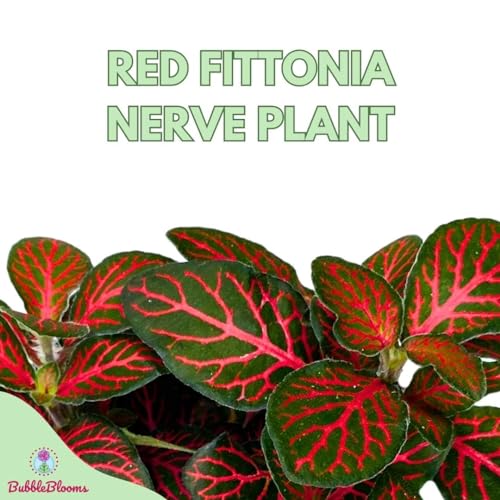
Mini Red Veined Nerve Plant – Fittonia – Easy House Plant – 2.5″ Pot
The way to make a nerve plant thrive is by providing it with indirect sunlight, maintaining consistently moist soil, ensuring high humidity, and keeping it in a warm environment. Regular pruning and using well-draining soil further boost its health.
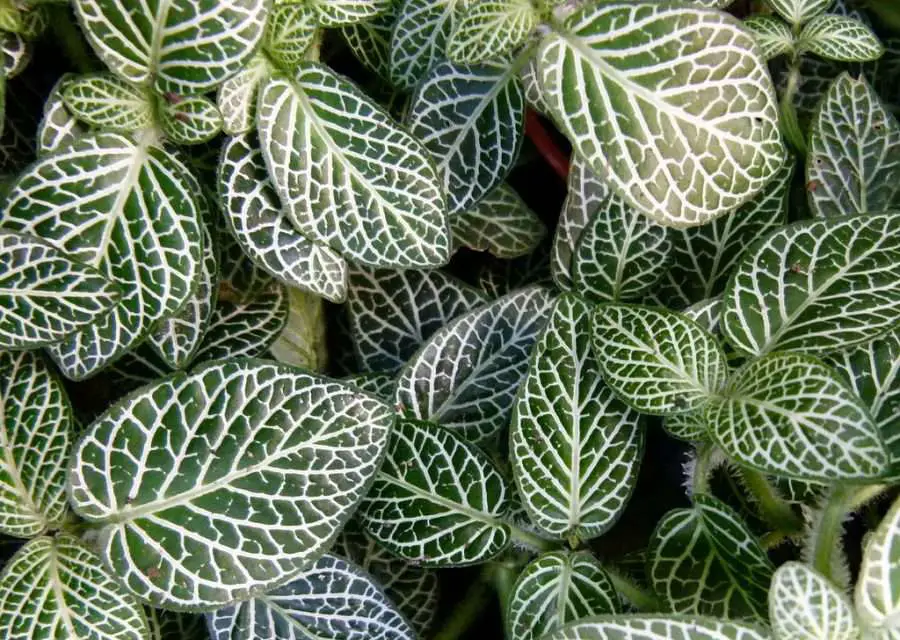
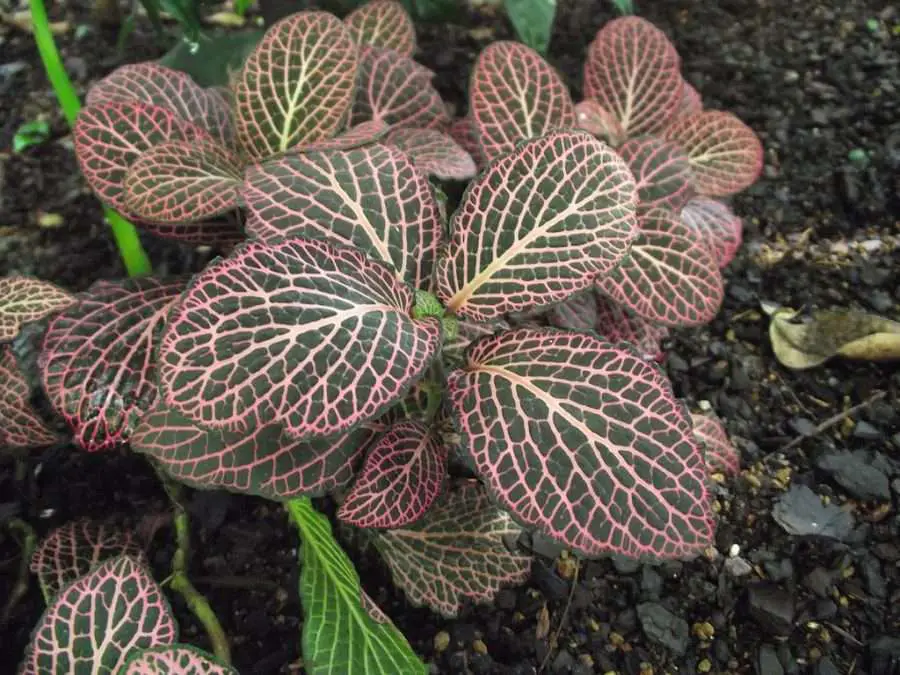
The Nerve Plant, scientifically known as Fittonia albivenis, is a striking tropical plant native to South America.
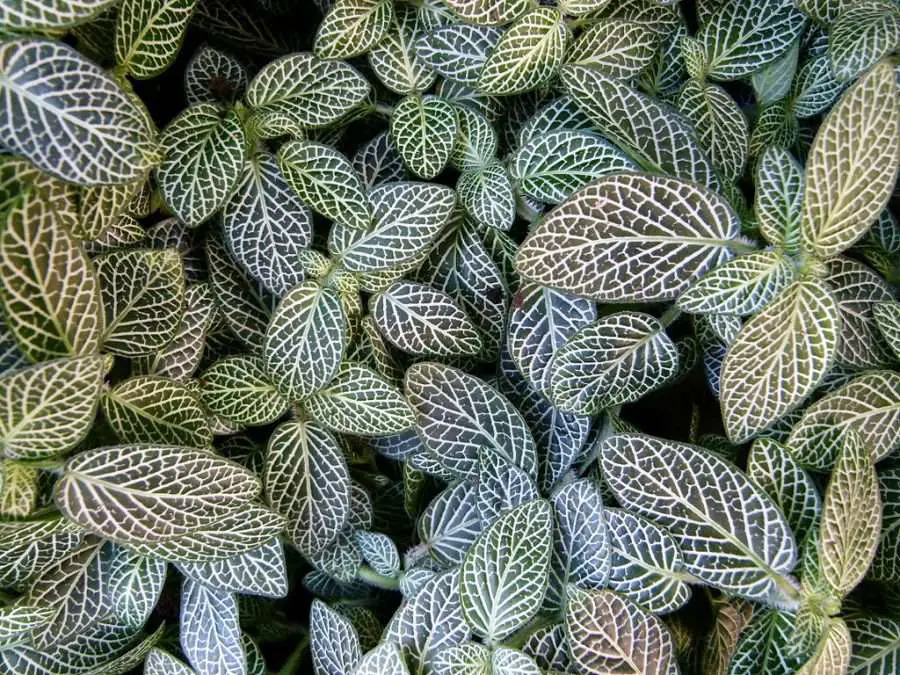
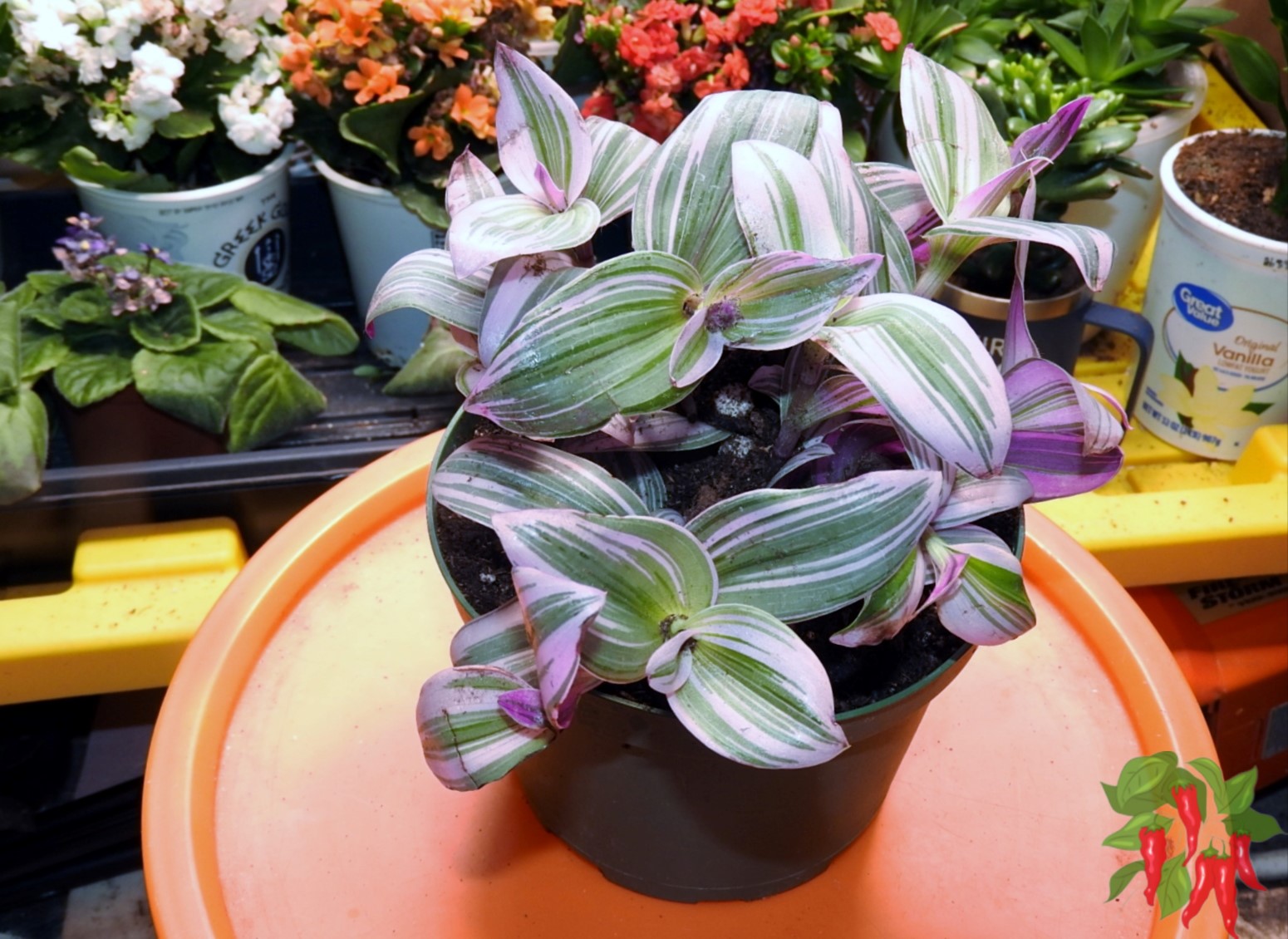
Recognized by its vibrant veined leaves, often in contrasting hues of red, white, or pink against a backdrop of dark green, this plant has become a popular choice for indoor gardening enthusiasts.
While it might appear delicate, with the right care, a nerve plant can thrive and be a standout in your collection. Here’s how you can ensure the health and beauty of your Fittonia.
 Fittonia Pink Nerve Plant Live Potted Houseplants Air Purifying, 2.5″ Pot
Nerve Plant Care Reference Guide
| Characteristic | Details |
|---|---|
| Common Name | Nerve Plant |
| Botanical Name | Fittonia albivenis |
| Native Habitat | Rainforests of South America, mainly Peru |
| Plant Type | Tropical evergreen perennial |
| Growth Pattern | Low-growing, spreading, creeping habit |
| Mature Size | 3–6 inches tall, up to 12–18 inches wide |
| Watering | Keep soil consistently moist but not soggy; water when top inch feels dry |
| Light/Sun Exposure | Bright, indirect light; avoid harsh direct sun |
| Soil Type | Well-draining peat or coco coir-based mix, similar to African violet soil |
| Soil pH | Slightly acidic to neutral (6.0–7.0) |
| Temperature | 60–80°F (15–27°C) |
| Humidity | High (60%+); mist, pebble trays, or humidifier recommended |
| Bloom Time & Flower Color | Occasional small, spike-like flowers (white to pale green); foliage is the main attraction |
| Potential Problems | Leaf wilting (from underwatering), root rot (from overwatering), browning leaf edges (low humidity), pests like aphids or spider mites |
| Repotting | Every 2–3 years or when rootbound; refresh soil when repotting |
| Hardiness Zones (USDA) | 10–11 (grown indoors as houseplant in most areas) |
1. Optimal Lighting Conditions:
Nerve plants are naturally accustomed to the filtered light of rainforest floors.
They thrive best in indirect light. Direct sunlight can scorch their leaves, so avoid placing them on windowsills that receive intense midday sun.
A spot near a north or east-facing window or behind sheer curtains is ideal.
2. Perfecting Watering Habits:
Fittonia plants prefer consistently moist soil, but not overly wet. The key is to maintain a balance.
Overwatering can cause root rot while letting the soil dry out can cause the plant to wilt.
It’s not uncommon to water your nerve plant once or twice a week, but always check the top inch of the soil. If it’s dry, it’s time to water.
3. Humidity Is Essential:
Given their tropical origin, nerve plants flourish in high humidity.
In drier climates or during winter, you might notice the edges of the leaves turning brown, indicating a lack of humidity.
You can combat this by:
• Misting the leaves regularly.
• Placing a humidifier nearby.
• Setting the pot on a tray filled with water and pebbles (ensuring the pot is above the water level to avoid root rot).
4. Right Soil and Pot:
A well-draining potting mix is essential to prevent over-saturation. A mix designed for African violets can be an excellent choice.
The pot should have drainage holes to allow excess water to escape, and it’s wise to repot the plant every couple of years or when it outgrows its current pot.
5. Temperature Considerations:

Fittonia plants prefer a warm environment. They thrive in temperatures between 60-80°F (15-27°C).
They can tolerate short periods of colder temperatures, but prolonged exposure to temperatures below 50°F (10°C) can be harmful.
6. Feeding and Fertilizing:
During the growing season (spring and summer), feed your nerve plant with a balanced liquid fertilizer every 2-3 weeks.
In fall and winter, reduce feeding to once a month or cease altogether.
Always ensure to follow the recommended dosage on the fertilizer package, as over-fertilizing can burn the roots and harm the plant.
7. Pruning and Maintenance:
Nerve plants can get leggy if not pruned. Pinching back the tips can encourage bushier growth and keep the plant compact.
Remove any yellow or brown leaves to allow the plant to focus its energy on new growth.
This also helps in maintaining its aesthetic appeal.
8. Keeping Pests at Bay:
Like other houseplants, nerve plants can be susceptible to pests like spider mites, aphids, and mealybugs.
Regularly inspect your plant for any signs of infestation. If you spot pests, you can use insecticidal soap or neem oil as a treatment.
Keeping the leaves clean by wiping them gently with a damp cloth can also help in preventing pests.
9. Propagation:
Nerve plants are relatively easy to propagate. You can snip off a healthy stem just below a leaf node and place it in water until roots form, or plant it directly in moist soil.
This not only helps in multiplying your collection but can also serve as a backup in case your main plant faces any issues.
10. Recognizing the Signs:
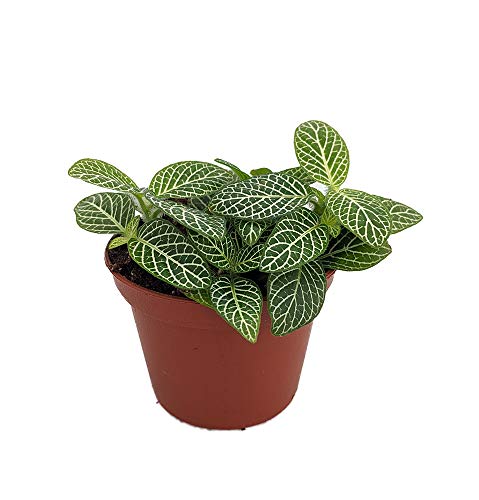 Mini Green & White Nerve Plant – Fittonia verschaffeltii – 2.5″ Pot
Last but not least, pay attention to your plant. Wilting, yellowing leaves, or a leggy appearance can be signs that it’s not getting what it needs.
Adjust your care routine as needed, and with a little time and attention, your nerve plant will continue to flourish.
In conclusion, while the nerve plant might seem finicky at first glance, understanding its needs can make it a relatively easy and rewarding plant to care for.
A combination of the right light, consistent moisture, high humidity, and periodic feeding will ensure that your Fittonia albivenis thrives, bringing a touch of tropical beauty to your indoor space.
Frequently Asked Questions about Nerve Plants
Caring for your nerve plant can be a delightful experience, but it’s natural to have questions, especially if you’re a novice plant enthusiast.
To further assist you on your journey to a thriving Fittonia, we’ve compiled a list of the most frequently asked questions about nerve plants and their care.
Q: Why are the leaves on my nerve plant wilting or drooping?
A: Wilting or drooping leaves can be a sign of either overwatering or underwatering.
If the soil feels soggy, you might be watering too much. On the other hand, if the soil is dry, then it needs more frequent watering.
Additionally, remember that nerve plants prefer high humidity, so ensure it’s not placed in a dry environment.
Q: Can nerve plants bloom? If so, what do the flowers look like?
A: Yes, nerve plants can bloom, but their flowers are not particularly showy.
They typically produce small, inconspicuous spikes that are green or white.
Most indoor gardeners choose nerve plants for their vibrant foliage rather than their blooms.
Some even choose to pinch off the flowers to redirect the plant’s energy into leaf growth.
Q: My nerve plant’s leaves are losing their vibrant color. Why?
A: If the vibrant veining or overall coloration of your nerve plant’s leaves is fading, it could be due to too much direct sunlight.
Remember, these plants prefer indirect light. Relocate the plant to a location where it receives filtered or dappled sunlight.
However, if the plant is in too dark a location, it might also lose some vibrancy. Striking the right balance is key.
Q: How often should I repot my nerve plant?
A: Typically, you should consider repotting your nerve plant every 2-3 years or when it outgrows its current pot.
If you notice that water isn’t draining well or the roots are growing out of the drainage holes, it’s likely time to give your plant a new home.
Repotting not only provides more space but also gives you a chance to refresh the soil, ensuring a healthier plant.
Remember, every plant has its unique needs and preferences. Observing your nerve plant’s behavior and adjusting care routines accordingly can make a significant difference in its health and growth.
How to Make a Nerve Plant Thrive Conclusion
Cultivating a nerve plant, with its distinctive veined foliage, is a rewarding journey that brings a slice of the tropical world into your living space.
Two key takeaways from the care and FAQs underscore this experience:
Adaptability is Crucial:
The environment within homes can differ significantly, so while guidelines provide a solid foundation, observing your plant and being responsive to its needs is essential.
This adaptability in care routine ensures that the plant thrives in varying conditions, reflecting its natural resilience from its rainforest origins.
Consistent Care Yields Beauty:

A well-maintained nerve plant can be a showstopper, transforming spaces with its vibrant colors and patterns.
This visual reward is a direct result of the consistent care and attention given, highlighting the symbiotic relationship between plants and their caregivers.
In essence, nurturing a nerve plant goes beyond the basics of water, light, and soil.
It’s a dance of understanding, adaptation, and love that, when executed well, produces a living artwork that enhances our homes and our well-being.
See Fittonia Nerve Plants on Amazon
🌿 Indoor Houseplant Growing Guides
Want to fill your home with lush, vibrant greenery? These expert indoor houseplant guides will help you grow everything from exotic blooms to hardy foliage with ease!
- 🌿 Benefits of Keeping Indoor Houseplants (Pillar Guide)
- 🌱 Can You Grow Gladiolus Indoors? 11 Easy Gladioli Growth Tips
- 🍃 Pink Wandering Jew: Easy Nanouk Tradescantia Care
- 🌾 Tī Plant Care Indoors: 7 Proven Tips To Transform Your Space
- 🪴 Rubber Plant Care Indoors: 11 Best Care Tips For Beginners
- 🍀 Ficus Benjamina Indoors: 6 Easy Growth Tips For Beginners
- 🌼 How To Care For Peace Lily Indoors: 13 Easy Care Growth Tips
- 🌹 Bubble Gum Plant Care: 11 Tips And Tricks For Beginners
- 🌺 Hibiscus Plant Care Indoors: 7 Growth Tips For Beginners
- 🍂 Growing Jacob’s Ladder Indoors: Comprehensive Guide
- 🌷 Purple Shamrock Plant Care: 13 Tips And Tricks For Beginners
- 🌿 Creeping Jenny In Pots: 13 Lysimachia nummularia Growth Tips
- 🏡 Vertical Gardening Ideas: Best Small Space Garden Ideas
- 🪴 Chinese Money Plant Care Indoors: 7 Easy Growth Tips
- 🌳 9 Triangle Ficus Care Secrets for a Lush, Healthy Plant
- 🍌 Ice Cream Banana Tree Care: 15 Tip Complete Growth Guide
- 🌱 How to Make a Nerve Plant Thrive: 10 Tips and Tricks
- 🌸 African Violet Care Indoors: 11 Easy Care Tips For Beginners
- 🌺 Alternanthera Party Time Care: 7 Easy Growth Hacks
- 🌼 Geranium Care In Pots: 9 Geranium Growth Tips For Beginners
- 🌿 Purple Velvet Plant Care: 7 Easy Growth Tips And Tricks
- See all articles in our Indoor Houseplants category
 Steve S. is the creator of