

Learning how to plant hyacinth bulbs in pots is an easy way to bring colorful spring flowers and their wonderful fragrance into a small space. You don’t need a backyard garden to enjoy hyacinths. A few containers on your balcony, patio, or sunny windowsill can put on quite a show.
Hyacinths are spring-flowering bulbs that come in shades of blue, purple, pink, white, and yellow. They’re easy to grow when you provide good drainage, the right planting depth, and the cold period they need before flowering.
In this guide, I’ll show you how to plant hyacinth bulbs in containers, when to plant them, how to grow them indoors, and what to do after the flowers fade. I’ll also cover using hyacinth glasses if you’d rather grow your bulbs in water.
What You’ll Learn
- When to plant hyacinth bulbs for spring flowers
- How deep to plant bulbs and how far apart to space them
- How to choose a container with good drainage
- How to use coco coir and perlite for container growing
- How much sunlight and water hyacinths need
- Why hyacinth bulbs need a cold period before flowering
- How to grow hyacinths indoors and force bulbs to bloom
- How to grow hyacinths in a glass vase with water
- What to do with your bulbs after flowering
- How to protect potted hyacinths during winter
Quick Answer
To plant hyacinth bulbs in pots, choose a container with drainage holes and fill it with a well-draining growing medium. Plant the bulbs about 4 inches deep, with the pointed ends facing up and approximately 3 inches between bulbs. Water after planting and keep the medium lightly moist, not soggy. Plant outdoors in fall so the bulbs receive their winter chilling period. For indoor flowering, use pre-chilled bulbs or provide approximately 12–14 weeks of suitable cold conditions before moving them into a bright, cool location to bloom.
How to Plant Hyacinth Bulbs in Pots at a Glance
| Growing Requirement | What Hyacinths Need |
|---|---|
| Plant Type | Spring-flowering perennial bulb |
| Botanical Name | Hyacinthus orientalis |
| Planting Season | Fall for natural spring flowering |
| Planting Depth | About 4 inches deep in outdoor containers; indoor forcing pots may be planted more shallowly |
| Bulb Spacing | Approximately 3 inches apart; closer spacing is possible for temporary indoor displays |
| Container | A pot deep enough for the bulbs and roots, with drainage holes |
| Growing Medium | Well-draining potting mix; coco coir mixed with perlite works for container growing |
| Light | Full sun to partial shade outdoors; bright light indoors after chilling |
| Watering | Water after planting; keep lightly moist during active growth without waterlogging |
| Chilling Period | Approximately 12–14 weeks of suitable cold conditions for reliable indoor forcing, unless bulbs are pre-chilled |
| Bloom Season | Spring outdoors; indoor flowering depends on the forcing schedule |
| Mature Height | Approximately 6–12 inches |
| After Flowering | Remove faded flowers, leave green foliage intact, and allow leaves to die back naturally |
| Winter Care | Allow outdoor bulbs their normal winter chilling; protect containers from prolonged severe freezes |
| Hardiness | Generally USDA Zones 4–8 when grown in the ground; pots may need extra protection |
| Common Problems | Bulb rot, gray mold, poor flowering from insufficient chilling |
Planting Hyacinth Bulbs in Pots

Ever walked past a garden bursting with hyacinths and thought, “I wish I could have that, but where’s the space?”
Well, guess what? You don’t need a sprawling garden to enjoy these fragrant blooms.
In fact, learning how to plant hyacinth bulbs in pots is your golden ticket to turning even the tiniest balcony or windowsill into a springtime haven. Let’s dive in!
Hyacinths are like the aromatic candles of the garden, filling the air with a fragrance that signals the arrival of spring.
If you’ve ever been captivated by hyacinth plants and their scent and vibrant colors, you might be wondering how to grow these beauties in your own garden.
Well, you’re in luck! This guide will walk you through the entire process, from choosing the right bulbs to post-blooming care.
Importance of Hyacinth in Gardens
Hyacinths are more than just pretty fragrant flowers. They’re a herald of spring and a feast for pollinators. Their vibrant colors and intoxicating scent make them a must-have in any garden.
Brief Overview of the Planting Process
We’ll cover everything from soil preparation to the actual planting and even what to do after your hyacinths bloom. So, let’s dig in!
What Are Hyacinths?
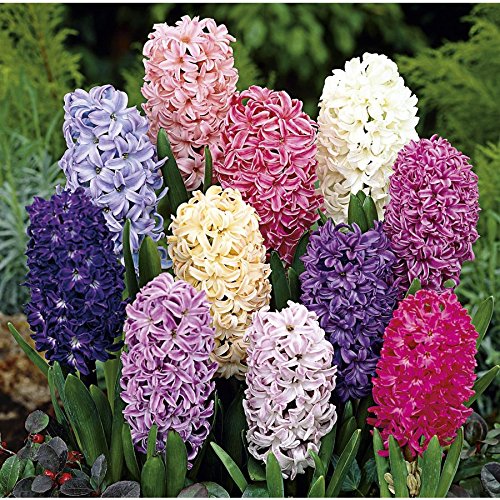
So, you’re intrigued by hyacinths and want to know more about these fragrant beauties, huh?
Hyacinths aren’t just another pretty face in the flower world; they come with a rich history and a variety of types that could make any garden or windowsill pop with color and aroma.
Let’s dive into their fascinating backstory and get to know them a bit better, shall we?
Origin and History
Originating from the eastern Mediterranean, hyacinths have been a garden favorite for centuries.
They were so popular in Europe that by the 18th century, over 2,000 cultivars had been bred.
Types of Hyacinths

True Hyacinths: These are the classic hyacinths most people are familiar with. (hyacinthus orientalis) sometimes called Dutch hyacinth
Grape Hyacinths: These are smaller and belong to the same botanical family but are a different plant altogether. Grape hyacinth (Muscari armeniacum)
Hyacinth Plant Care Reference Guide
| Characteristic | Details |
|---|---|
| Common Name | Hyacinth |
| Botanical Name | Hyacinthus orientalis |
| Native Habitat | Eastern Mediterranean |
| Plant Type | Bulbous Perennial |
| Growth Pattern | Upright |
| Mature Size | 6–12 inches tall |
| Watering | Keep soil lightly moist; avoid overwatering |
| Light/Sun Exposure | Full sun to partial shade |
| Soil Type | Well-draining loamy or sandy soil |
| Soil pH | 6.0–7.0 |
| Temperature | Cool; prefers 40–60°F for rooting |
| Humidity | Low to moderate |
| Bloom Time & Flower Color | Spring; pink, blue, white, purple, yellow |
| Potential Problems | Bulb rot, gray mold, overwatering issues |
| Repotting | After bloom, store bulbs for next season |
| Hardiness Zones (USDA) | Zones 4–8 |
When to Plant Hyacinth Bulbs

When to Plant Hyacinth Bulbs
Timing makes a big difference when planting hyacinth bulbs. If you want those beautiful, fragrant flowers in spring, fall is the best time to plant them.
Hyacinths are spring-flowering bulbs that need a period of cold temperatures before they bloom. Planting in fall gives the bulbs time to develop roots and receive the winter chilling they need for flowering.
Ideal Planting Season

For most climates, plant hyacinth bulbs in mid to late fall, usually September through November, depending on your location. In warmer areas, planting may extend into early winter.
You want the bulbs in their containers before the ground freezes, but not so early that warm weather encourages excessive growth before winter.
If you’re growing hyacinths in pots outdoors, remember that the bulbs still need winter chilling. Containers can be more vulnerable to severe freezes than bulbs planted in the ground, so some winter protection may be necessary.
Can You Plant Hyacinth Bulbs in Spring?
You can plant hyacinth bulbs in spring, but there’s a catch. Ordinary bulbs that haven’t received enough chilling are unlikely to produce a normal spring flower display.
If you want spring flowers from newly purchased bulbs, look for pre-chilled or prepared bulbs that have already received the cold treatment they need.
Otherwise, it’s better to plant your bulbs in fall and let nature provide the chilling period.
Can You Grow Hyacinths Indoors?

Absolutely! Hyacinths are excellent bulbs for indoor growing. Their colorful flowers and wonderful fragrance make them a great choice for brightening a windowsill during winter or early spring.
However, there’s one important thing to understand. Hyacinth bulbs need a cold period before they’ll flower properly. You can’t simply plant an ordinary, unchilled bulb, put it in a sunny window, and expect flowers right away.
Most unprepared hyacinth bulbs need approximately 12–14 weeks of suitable cold temperatures, generally around 35–48°F, to develop roots and prepare for flowering.
The easiest option is to purchase pre-chilled or prepared hyacinth bulbs. These have already received some or all of the cold treatment they need. Follow the supplier’s instructions to determine whether additional chilling is required.
Growing Hyacinths in Indoor Pots
Choose a container with drainage holes and fill it with a well-draining growing medium. I like using coco coir mixed with perlite because it holds moisture without staying excessively wet.
Place the bulbs with their pointed ends facing upward. For indoor forcing, you can plant them close together with the tips showing above the growing medium.
If your bulbs still need chilling, keep the planted container in a cool, dark location around 35–48°F for approximately 12–14 weeks. Keep the growing medium lightly moist, but never waterlogged.
Once the bulbs have developed a good root system and shoots, move the pot into a cool location with bright, indirect light at first. As the shoots develop, provide brighter light. Avoid placing the pot near heating vents or other sources of excessive warmth.
With the proper chilling period and growing conditions, your hyacinths should reward you with colorful, fragrant flowers.
Growing Hyacinths in Water
You can also grow hyacinths indoors using a special hyacinth glass. These containers hold the bulb just above the water while allowing the roots to grow downward.
Use prepared bulbs or provide the required chilling period. Keep the water level just below the base of the bulb to prevent rot. I’ll explain this method in more detail later in the article.
Choosing the Right Bulbs
Factors to Consider
Look for plump, healthy bulbs. The healthier the bulb, the better the bloom.
Where to Buy
Reputable garden centers and online stores like Amazon are good places to start.
Preparing the Planting Site
Soil Requirements-well-drained soil
Hyacinths prefer loose, loamy soil. If your soil is more on the clayey side, consider adding some sand or compost to improve drainage.
Sunlight Requirements
Hyacinth flowers love the sun, so pick a spot that gets at least four hours of sunlight a day.
Drainage Considerations
Poor drainage can lead to bulb rot, so make sure your chosen site doesn’t hold water.
Planting Process
Digging the Hole
Dig a hole about 4 inches deep and place the bulb with the pointy end facing up and the bottom of the bulb down.
Placing the Bulbs
Space the bulbs about 3 inches apart to give them room to grow.
Soil Cover and Watering
Cover the bulbs with soil and give them a good watering to help them settle in.
Special Planting Methods

So, you’re feeling a bit adventurous and want to step outside the traditional garden bed, huh? Well, you’re in luck!
Hyacinths are pretty flexible when it comes to where they can grow. From potted hyacinths and planters to even glass vases, there are some really cool and unique ways to get these beauties blooming.
Let’s dive into these special planting methods and give your hyacinths a home they’ll love.
Planting in Pots and Planters
If you’re short on garden space or just love the idea of a portable garden, pots and planters are your best friends.
Make sure your pots have drainage holes and fill them with well-draining soil for best results.
Avoid wet soil. A Coco coir and perlite mix works great.
Plant the bulbs about 4 inches deep, and make sure the pointy end is facing up.
Water lightly and place the pot in a sunny spot. Voila! You’ve just created a mini hyacinth garden.
Planting in Glass Vases
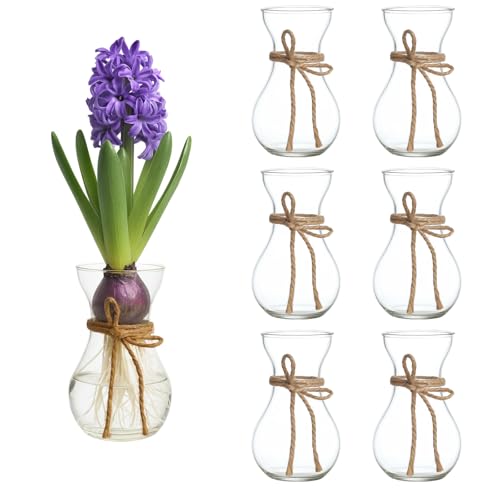
Now, this is where things get really interesting. Ever heard of a hyacinth glass?
It’s a specially designed vase that allows you to grow hyacinths indoors, right in the water.
Place the bulb in the upper part of the glass, add water until it just touches the base, and then let it do its thing in a cool, dark place.
Once you see roots and a shoot, move it to a sunny spot. It’s like a little science experiment with a beautiful result! More on this in a bit.
Other Creative Methods
Feeling extra creative? You can also try planting hyacinths in unconventional containers like mason jars or even old boots!
Just make sure whatever you use has good drainage and can hold enough soil for the bulbs to root.
So, whether you’re working with a spacious garden or just a sunny windowsill, there’s a special planting method that’s perfect for you. Ready to give it a try?
Special Planting Methods – Using a Hyacinth Glass

So, you’ve heard about hyacinth glasses and you’re intrigued, right?
These unique glasses are designed specifically for growing hyacinths indoors, and they make the process incredibly simple.
Plus, they offer a stylish and elegant way to display your blooming hyacinths. Here’s how to use one:
Choosing the Glass:
First things first, you’ll need a hyacinth bulb vase. These are vase-like containers with a pinched neck that holds the bulb just above the water.
You will need to find pre-chilled bulbs. Fresh bulbs need a cold dormant period before they will flower.
Prepping the Bulb:
Take a healthy hyacinth bulb and place it in the upper part of the glass, with the roots facing downward.
Adding Water:
Fill the glass with water until it just touches the base of the bulb. You don’t want the bulb submerged.
Post-Planting Care

Alright, you’ve done the hard work and your hyacinth bulbs are snug in the soil, and you’re probably feeling pretty proud.
But the journey isn’t over yet. Post-planting care is crucial for ensuring that your hyacinths grow strong and bloom beautifully.
So, let’s get into the details of what your hyacinths need after they’re planted.
Watering
Watering is like the heartbeat of plant care. It’s essential but needs to be just right.
For hyacinths, you’ll want to water them lightly right after planting to help them settle in.
After that, it’s best to keep the soil moist but not waterlogged.
Overwatering can lead to bulb rot, and we definitely don’t want that. Water when the top inch of the soil surface is dry.
Fertilizing
Now, let’s talk food, plant food, that is! A balanced fertilizer can give your hyacinths the nutrients they need to grow strong and bloom well.
You can add a slow-release granular fertilizer to the soil at planting time, or use a liquid fertilizer every couple of weeks.
Just follow the instructions on the package, and your hyacinths will be well-fed and happy.
You can also add compost to increase the soil’s organic matter.
Pest and Disease Management
Last but not least, let’s discuss the uninvited guests, pests and diseases.
The most common issues you might encounter are gray mold and bulb rot.
Gray mold appears as fuzzy gray spots on the leaves, while bulb rot will make your hyacinths look wilted and unhealthy.
If you notice any of these signs, consider using a fungicide and make sure you’re not overwatering.
What to Do After Blooming
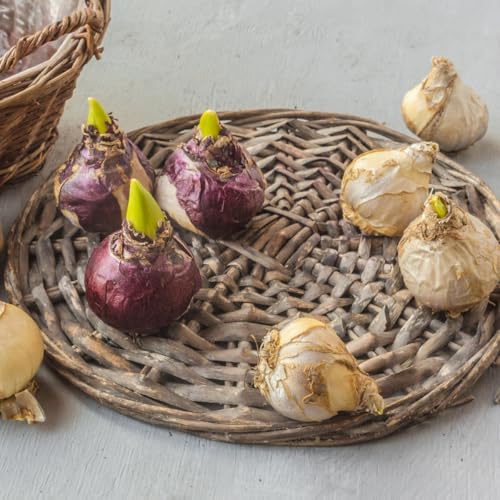
So, your hyacinths have put on their show, filling your space with vibrant colors and heavenly scents.
But now the blooms are fading, and you’re wondering, “What’s next?”
Don’t worry, the end of the blooming season doesn’t mean the end of care for your hyacinths.
In fact, what you do after the flowers fade is crucial for ensuring another round of beautiful blooms next year.
Let’s dive into the post-bloom care steps that will keep your hyacinths happy and ready for another season.
Cutting Off Dead Flowers
Once the flowers have wilted and lost their luster, it’s time to give your hyacinths a little trim.
Cutting off the dead flowers directs the plant’s energy back into the bulb, setting the stage for future blooms.
Use clean, sharp scissors or pruning shears to remove the spent flowers, but leave the leaves intact because they’re still working to store energy for next year.
Storing Hyacinth Bulbs for Next Season
Once your hyacinths finish flowering, you don’t necessarily need to dig up the bulbs. Hyacinths are hardy spring-flowering bulbs, and in many climates, they can remain in the ground or in their containers throughout the year.
After the flowers fade, remove the spent flower stalks but leave the green foliage intact. The leaves continue producing energy that helps replenish the bulbs for next year’s growth.
When the leaves turn yellow and die back naturally, reduce watering. The bulbs will enter their normal summer resting period.
Leaving Hyacinth Bulbs in Pots Over Winter
If you’re growing hyacinths outdoors in containers, you can often leave the bulbs in their pots through winter. They need cold temperatures for normal spring flowering, so there’s no reason to bring them into a warm house.
However, bulbs in containers are more exposed to freezing temperatures than bulbs planted in the ground. In areas with severe winters, move the pots to a sheltered, unheated garage or another protected location where they can remain cold without experiencing prolonged hard freezes.
Make sure the containers drain well, especially during wet winter weather. The growing medium should not remain waterlogged, but it shouldn’t dry out completely for extended periods while the bulbs are rooting.
When Should You Dig Up and Store Hyacinth Bulbs?
Digging up hyacinth bulbs is optional in many growing situations. You might choose to lift them if you’re changing your container arrangements, dealing with poorly drained soil, or growing in a climate where leaving them outdoors isn’t practical.
If you decide to store your bulbs, wait until the foliage has completely died back. Carefully lift them, remove excess growing medium, and allow them to dry in a shaded, well-ventilated location.
Store the bulbs in a breathable paper bag or mesh container in a cool, dry, well-ventilated place until fall planting time. Check them occasionally and discard any that become soft or moldy.
Remember that dry storage isn’t a substitute for the winter chilling hyacinths need to flower. Bulbs stored over summer should still be planted in fall or given suitable cold treatment before indoor forcing.
How to Plant Hyacinth Bulbs in Pots FAQs

Do hyacinths need a lot of sunlight?
Hyacinths grow best in full sun to partial shade outdoors. Aim for at least 4–6 hours of sunlight daily when possible. For indoor flowering, move chilled bulbs into bright light once they’re ready to grow. A cool, bright location helps the flowers last longer.
How deep should I plant hyacinth bulbs in pots?
For outdoor containers, plant hyacinth bulbs about 4 inches deep with the pointed ends facing upward. Space them approximately 3 inches apart. If you’re forcing bulbs indoors, you can plant them closer together and more shallowly, with the bulb tips showing above the growing medium.
Can I grow hyacinths indoors?
Yes, hyacinths make excellent indoor flowering plants. You can grow them in pots with drainage holes or use a special hyacinth glass filled with water. However, ordinary bulbs generally need a cold period before they’ll flower. You can buy pre-chilled bulbs or provide the chilling period yourself before bringing them into a bright indoor location.
Do hyacinth bulbs need to be chilled before planting?
Hyacinth bulbs need a period of cold temperatures to develop and flower properly. Bulbs planted outdoors in fall normally receive this chilling naturally during winter. For indoor forcing, unprepared bulbs generally need approximately 12–14 weeks of suitable cold conditions. Pre-chilled bulbs have already received some or all of the required cold treatment, so follow the supplier’s instructions.
How do you force hyacinth bulbs to bloom indoors?
Plant your bulbs in a well-draining container and keep them in a dark, cool location around 35–48°F for approximately 12–14 weeks. Keep the growing medium lightly moist during this period. Once the bulbs have developed roots and shoots, move them into a cool, bright location. The flowers should develop as growth continues.
Can you grow hyacinths in water?
Yes. A hyacinth glass supports the bulb above a reservoir of water. Keep the water level just below the base of the bulb so the roots can grow downward without the bulb sitting in water. Use properly chilled bulbs and move them into bright light once the roots and shoots have developed.
How often should I water hyacinths in containers?
Water after planting, then check the growing medium regularly. During active growth, keep it lightly moist without allowing the pot to become waterlogged. Containers can dry out faster than garden beds, but constantly wet conditions increase the risk of bulb rot. Reduce watering as the foliage begins dying back after flowering.
Can I leave hyacinth bulbs in pots over winter?
Yes, in many climates you can leave hyacinth bulbs in their containers over winter. They need cold conditions for normal spring flowering, but pots expose bulbs to colder temperatures than garden soil does. In areas with severe winter freezes, move containers to a sheltered, unheated location or insulate them. Avoid letting the growing medium remain waterlogged.
What should I do with hyacinth bulbs after flowering?
Remove the faded flowers but leave the green foliage intact. The leaves continue producing energy that helps replenish the bulb. Once the foliage turns yellow and dies back naturally, reduce watering and allow the bulb to rest. Outdoor-grown bulbs can often remain in their containers, while bulbs forced indoors may be planted outside where climate conditions allow. Forced bulbs may take time to recover and flower again.
What are the most common hyacinth growing problems?
Bulb rot, gray mold, and poor flowering are among the more common problems. Good drainage and careful watering help prevent rot. If bulbs produce leaves but fail to flower, insufficient chilling, poor bulb quality, or depleted bulbs from previous forcing may be responsible.
🌷 How to Plant Hyacinth Bulbs in Pots: Final Thoughts
Growing hyacinths in containers is a simple way to enjoy spring flowers without needing a large garden. Whether you have a balcony, patio, or sunny windowsill, a few bulbs can give you plenty of color and that wonderful fragrance hyacinths are known for.
The most important things to remember are good drainage, proper planting depth, and the cold period these bulbs need before flowering. I like using coco coir mixed with perlite for container growing because it holds moisture while still allowing excess water to drain away.
If you’re growing hyacinths indoors, remember that chilling is part of the process. Buying pre-chilled bulbs makes things easier, especially if you want flowers during winter or early spring.
After the flowers fade, leave the foliage alone until it dies back naturally. That gives your bulbs the best chance of storing enough energy for another growing season.
Hyacinths don’t take much room, and that’s one of the things I like about growing bulbs in containers. You can enjoy a colorful spring display even when garden space is limited.
🌼 Backyard Gardening Guides
- 🏡 Backyard Gardening Ideas (Pillar Guide)
- 🌳 Red Tip Photinia Privacy Hedge
- 🌸 Planting Dahlia Seeds
- 🪴 Best Soil for Dahlias in Pots
- 🫐 Growing Blueberries in Pots
- 🌿 Cold Hardy Tea Plant
- 🧄 Growing Goji Berries in Pots
- 🌱 How to Grow Creeping Thyme
- 🌺 Growing Balloon Flowers from Seed
- 🌼 Growing Penstemon in Pots
- 🐝 Growing Echinacea in Pots
- 🪻 Plant Creeping Phlox
- 🌞 Care for Verbena in Pots
- 🌾 Growing Poppies in Pots
- 🌷 Dahlia Care in Pots
- See all articles in our Backyard Gardening category
📚 References & Further Reading
- 🌷 Iowa State University Extension – How to Force Spring-Flowering Bulbs Indoors – Detailed instructions for planting, chilling, forcing, and growing hyacinths in water.
- 🌱 Penn State Extension – Forcing Flowering Bulbs for Indoor Beauty – Explains chilling temperatures, preparation, and how to encourage indoor flowering.
- 🌼 University of Illinois Extension – Planting Bulbs – Covers planting depth, bulb orientation, watering, and proper growing conditions.
- 🪴 Iowa State University Extension – Selecting and Planting Spring-Blooming Bulbs – Provides advice on fall planting, bulb selection, and caring for bulbs after flowering.
 Steve S. is the creator of