
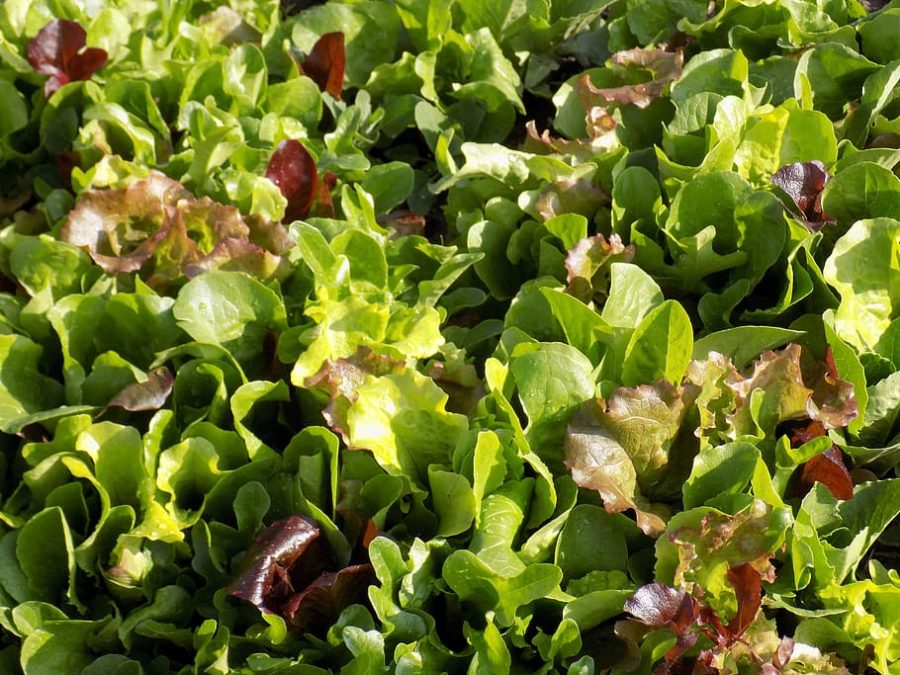
Mesclun mix is a blend of young, tender salad greens—usually baby lettuces plus more flavorful leaves like arugula, spinach, endive, or frisée.
If you’re researching what-is-mesclun-mix, you’re probably trying to figure out what’s actually in the bag, how it’s used, and whether it’s the same thing as spring mix (it’s close, but not always).
What Is Mesclun Mix?
- What’s in it: Varies by brand/seed blend, but it’s always “baby greens” meant to be eaten young.
- How it’s used: Most often as a salad base, sandwich green, or quick wilted green.
- Mesclun vs spring mix: Overlap is common, but mesclun usually implies a more “chef-style” blend and may include s
Mesclun Mix vs Spring Mix
For growing purposes, mesclun mix and spring mix behave almost the same. Both are “baby greens” blends meant to be harvested young, usually in 3–6 weeks depending on temperature and light.
Mesclun mix is usually a more intentional seed blend—baby lettuces mixed with stronger-flavored greens like arugula, mustard, frisée, endive, or herbs. That gives you more texture and flavor contrast, but it can also mean uneven growth (some leaves race ahead while others stay small).
Spring mix is often a broader label. Some spring mixes are basically “mostly baby lettuce,” while others look identical to mesclun. When you’re buying seeds, spring mix can be a little more uniform, which makes harvesting easier in trays.
What to do with that info:
- If you want even growth in shallow trays: choose a mix that’s mostly lettuces and mild greens.
- If you want bigger flavor fast: choose mesclun with arugula/mustard in the blend (just expect some leaves to mature quicker).
- If you’re unsure which you have: treat both the same: dense sowing, steady moisture, good light, and harvest young.
For anyone searching what-is-mesclun-mix, the simplest answer is this: it’s a mix of baby salad greens. The exact ingredients vary, but the growing method is basically identical to spring mix—harvest young for the best texture and flavor.
What is Mesclun Mix? A Fresh Dive into the World of Leafy Greens
Mesclun mix is a blend of assorted young, tender salad greens, often including arugula, chervil, endive, and lettuce. Originating from the Provence region of France, it offers a combination of flavors, colors, and textures, making it a popular choice for fresh salads and culinary dishes.
Ever found yourself staring at a vibrant bowl of salad, wondering about the delightful mix of greens that make it so colorful and tasty?
Well, today, we’re diving deep into the world of mesclun mix, a favorite among salad lovers. So, grab a fork, and let’s get started!
How Is Mesclun Mix Used?
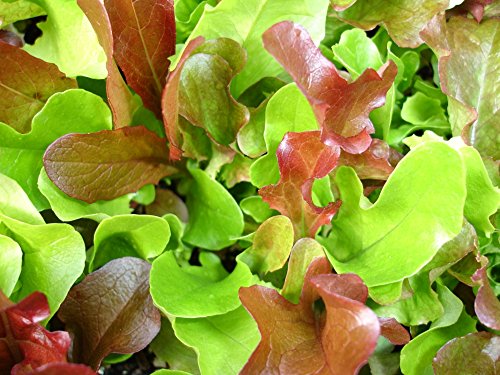
Mesclun mix! It’s not just a fancy name on the salad menu but a delightful blend of various leafy greens that has taken the culinary world by storm.
Whether you’re a seasoned chef or someone who just loves a good salad, understanding mesclun can elevate your food game.
Origin and Definition of Mesclun
Before we dive into the greens, let’s take a moment to understand where mesclun comes from and what it truly means.
Historical Background
Mesclun has its roots in the picturesque Provence region of France. But guess what?
It was the iconic chef Alice Waters who introduced this green goodness to the U.S., and we’ve been thankful ever since.
Definition and Composition
Derived from mesclar, which means to mix, mesclun is a blend of various leafy greens, sometimes with a sprinkle of herbs. Think arugula meets chervil with a dash of endive!
Growing Mesclun

If you’ve ever dreamt of growing your own salad greens, mesclun is a great place to start. Let’s explore how to cultivate this mix in your own backyard.
Sowing and Planting Mesclun Mix
When it comes to sowing and planting mesclun mix, a few key steps and considerations can make all the difference in ensuring a bountiful harvest:
Soil Preparation: Mesclun prefers well-draining soil, enriched with organic matter. Coco coir is a great choice for this.
Before sowing, it’s a good idea to work in some compost or aged manure to boost the soil’s fertility. This not only provides essential nutrients but also helps improve soil structure.
I prefer a coco coir and perlite mix for planting. It is well-draining yet holds moisture well. I use 75% coco coir with 25% perlite.
Seed Spacing: Since mesclun is harvested young, you don’t need to space the seeds as far apart as you would with mature plants.
Sow the seeds about 1/4 inch deep and 1 inch apart. If you’re sowing in rows, keep the rows about 6-8 inches apart.
Light Requirements: Mesclun mix greens are partial to full sunlight. However, in hotter climates, a bit of afternoon shade can prevent the plants from bolting (going to seed) too quickly.
Watering: After sowing, keep the soil consistently moist but not waterlogged. A light misting or gentle watering can be used to ensure the seeds have adequate moisture to germinate.
Germination: With the right conditions, mesclun seeds typically germinate within 7 to 14 days. You’ll want to keep an eye out for the first sprouts and ensure they’re not drying out.
Thinning: As the seedlings grow, you might find that they’re too crowded.
If so, thin them out to allow about 3-4 inches between each plant. The thinned seedlings can be used in salads, so no need to waste them!
Succession Planting: To ensure a continuous supply of fresh mesclun greens, consider succession planting.
This involves sowing new seeds every 2-3 weeks. As one batch is harvested, another will be coming into its prime.
By paying attention to these sowing and planting details, you’ll set the stage for a thriving mesclun garden, ready to provide you with fresh, flavorful greens throughout the season.
Growing Tips

Mesclun loves the cool weather, so it’s a great winter project. Regular watering and a good dose of sunlight will have your greens sprouting in no time.
How Long Does It Take?
Mesclun mix typically takes about 4 to 6 weeks from sowing the seeds to harvesting the young, tender leaves.
The exact time can vary based on the specific varieties in the mix and the growing conditions.
It’s best to harvest mesclun when the leaves are young and tender, usually when they’re about 3 to 6 inches tall.
If you’re using the “cut and come again” method, you can expect multiple harvests throughout the growing season.
Managing Pests and Diseases
Watch out for those sneaky aphids, spider mites, and cabbage loopers! And if you spot any disease, nip it in the bud with organic remedies like insecticidal soap or neem oil.
Harvesting and Storage

Once you’ve grown your mesclun, the next step is to harvest and store it. Here’s how to ensure you get the freshest greens every time.
When and How to Harvest
Once your greens reach a few inches tall, they’re ready for the plate. The cut-and-come-again method ensures you get multiple harvests from a single planting.
The Cut and Come Again Method
The “cut and come again” method is a harvesting technique favored by many gardeners, especially when dealing with leafy greens like mesclun mix.
Instead of uprooting the entire plant, you simply snip or cut the outer leaves, allowing the central part of the plant to continue growing. This approach has several advantages:
Sustainability: By only taking what you need, the plant remains alive and healthy, ready to produce more leaves for future harvests
Storage Tips
Fresh is best! But if you must store, a cool refrigerator and airtight containers will keep your mesclun crisp.
Culinary Uses and Recipes

Now that we’ve got our fresh mesclun, let’s whip up some culinary magic!
Simple Salad Ideas
A dash of olive oil, a sprinkle of salt, and a squeeze of lemon – voilà! Your mesclun salad is ready. Feel free to experiment with dressings and toppings.
Cooking Ideas
Beyond salads, mesclun can be a star in cooked dishes. Think mesclun-stuffed omelets or a mesclun-topped pizza. Yum!
Benefits of Homegrown Mesclun
Growing your own mesclun has its perks. Let’s explore why homegrown is the way to go.
Economic Advantages
Why buy when you can grow? Homegrown mesclun is not only cost-effective but also a fun gardening project.
Freshness and Flavor
There’s nothing like the taste of freshly plucked greens. Homegrown mesclun promises peak freshness and unbeatable flavor.
Diving into the World of Mesclun Mix FAQs

Salads have always been the go-to for a light and healthy meal. But when it comes to the greens that make up these salads, there’s a lot to know!
One name that often pops up is Mesclun Mix. So, what’s the deal with it? Let’s answer some of those burning questions.
You’ve got questions, we’ve got answers! Here are some common queries about mesclun.
Q: What’s the difference between mesclun and regular salad greens?
A: Mesclun mix is a delightful blend of various young, tender salad greens, often featuring arugula, chervil, endive, and lettuce.
On the other hand, regular salad greens typically refer to a single type of green, like romaine lettuce or baby spinach.
Q: Is mesclun mix the same as spring mix?
A: Sometimes, but not always. “Spring mix” is a broad label, while mesclun mix usually implies a curated blend of baby greens. For what-is-mesclun-mix, the most accurate answer is the ingredient list or seed blend.
Q: How often should I water my mesclun plants?
A: Mesclun plants thrive with consistent moisture. It’s best to water them regularly, ensuring the soil remains damp but not waterlogged. Overwatering can lead to root rot, so it’s essential to strike a balance.
Q: Can mesclun be grown in containers?
A: Yes, indeed! Mesclun mix is perfect for container gardening.
Whether you have a spacious garden or just a tiny balcony, you can grow mesclun.
Just ensure the container has good drainage and is filled with quality potting soil.
Q: How do I prevent pests from attacking my mesclun?
A: Keeping your mesclun plants healthy is the first step in pest prevention.
Regularly inspect for signs of pests like aphids or caterpillars. Using natural repellents, like neem oil or insecticidal soap, can help keep these pesky critters at bay.
Growing Mesclun Greens Conclusion
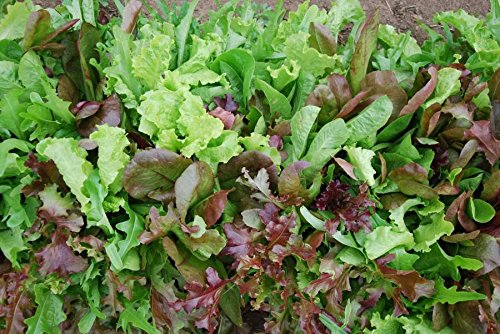
So, there you have it! A complete guide to the wonderful world of mesclun mix.
Whether you’re growing baby greens or mesclun greens, cooking, or just eating, mesclun is sure to bring a burst of flavor and color to your plate. Happy munching!
Mesclun mix is more than just a salad ingredient; it’s a celebration of diverse flavors and textures that come together harmoniously. As we’ve explored:
Versatility is Key: Mesclun mix isn’t just for salads. Its varied components can elevate many dishes, from sandwiches to stir-fries, showcasing its adaptability in the culinary world.
A Gardener’s Delight: Growing mesclun, whether in a vast garden or a small container, can be a rewarding experience.
It’s a chance to connect with nature and enjoy fresh, homegrown greens at their peak of flavor.
Give Growing Mesclun Mix a Try
And if you haven’t tried growing mesclun mix yet, we wholeheartedly encourage you to give it a shot.
Not only will you have a fresh supply of greens at your fingertips, but the joy of watching your plants flourish is unparalleled.
So, roll up those sleeves, get your hands a little dirty, and embark on a gardening adventure with mesclun mix!
Whether you’re savoring it in a dish or nurturing it in your garden, mesclun mix promises a delightful journey for both your palate and your green thumb.
🌱 More Microgreens Growing Guides
Ready to explore more? Check out our favorite guides below and grow with confidence.
- 🌿 How to Grow Microgreens at Home
- 🥬 Grow Microgreens Indoors in Trays
- 🌻 Sunflower Microgreens Guide
- 🍃 Sprouts vs. Microgreens
- 💧 How Much to Eat Per Day?
- 🥗 How to Store Microgreens
- 🧪 Best Soil for Microgreens
- 🥦 Broccoli Microgreens
- 🌶️ Radish Microgreens
- 🍀 Clover Microgreens
- 🌾 Wheatgrass Microgreens
- 🌰 Popcorn Microgreens
- 🍽️ Can You Eat Microgreens Daily?
- 🔁 Do Microgreens Regrow?
- 🥬 Kale Microgreens
- 🍃 Spinach Microgreens
- 🌱 Cabbage Microgreens
- 🌿 Mustard Microgreens
- See all microgreen articles in our Growing Microgreens category
- 🥬 Growing Baby Greens Indoors: Easy Quick Salad Greens


 Steve S. is the creator of