
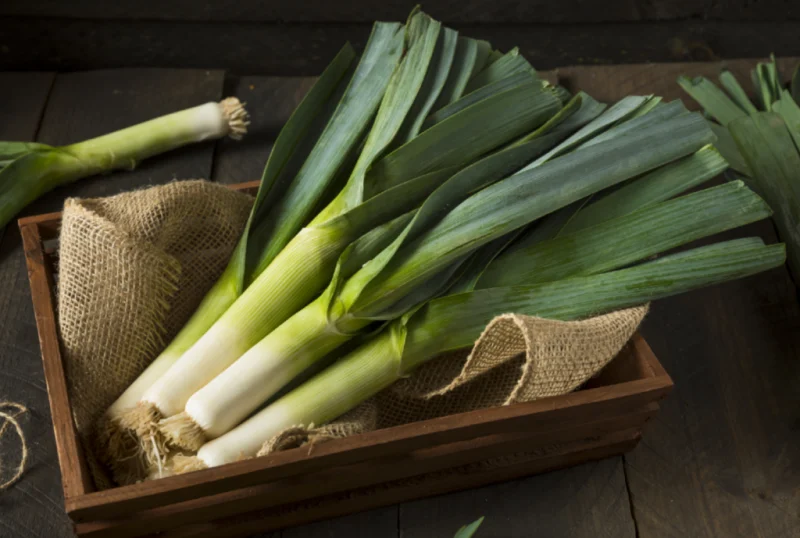
Growing leeks in containers is a practical way to raise this long-season vegetable when garden space is limited. Leeks don’t form bulbs like onions. Instead, you’re growing them for their thick stems, which can be blanched to produce the long white shanks commonly used in cooking.
I’m growing Burpee Dawn Giant leeks from seed in coco coir and plan to finish them in a 5-gallon bucket. One advantage of a deep container is that I can gradually add more coco around the plants as they grow, which gives me an easy way to blanch the stems.
In this guide, I’ll show you how I’m growing my container leeks and cover the basics of light, watering, container depth, feeding, transplanting, and blanching.
What You’ll Learn
- How to grow leeks in containers
- How deep your container should be
- How much light leeks need
- How to keep container-grown leeks watered
- How I’m growing leeks in coco coir
- When to transplant leek seedlings
- How blanching produces longer white shanks
- Whether leeks actually need to be hilled
Quick Answer
Leeks can grow well in deep containers with plenty of light and consistent moisture. I’m growing mine in a 5-gallon bucket using coco coir. I start with about 6 inches of coco and plan to add another 6–8 inches around the plants as they grow to blanch the stems. A deep container gives the roots room while also making it easier to build up the growing medium around the developing leeks.
Growing Leeks in Containers at a Glance
| Growing Requirement | What to Know |
|---|---|
| Container | Use a deep container; I’m growing mine in a 5-gallon bucket |
| Growing Medium | Rich, well-draining soil or coco coir |
| Light | Full sun or strong indoor growing light |
| Water | Keep consistently moist without waterlogging the roots |
| Temperature | Leeks prefer cooler growing conditions |
| Feeding | Feed regularly during active growth |
| Blanching | Build growing medium around the stems to produce longer white shanks |
| Time to Harvest | Varies by variety; my Dawn Giant leeks are listed at about 98 days |
What Are Leeks?
The culinary world is vast and filled with flavorful treasures, one such gem being the humble leek.
Now, imagine having a fresh supply right in your kitchen, sounds delightful, doesn’t it?
The idea of growing Leeks in containers brings this dream a step closer to reality.
Not only does it save space, but it also promises a hearty harvest.
Whether you’re a seasoned gardener or a green thumb in training, cultivating leeks indoors in containers is a fun and fruitful endeavor that opens the door to countless savory creations.
Leeks are in the onion family. They are a cultivar of Allium ampeloprasum but unlike onions, leeks do not make bulbs.
Their leaves make thickened stems that are often blanched and that is the edible part of this delicately flavored vegetable.
In America, the most famous use of leeks is in vichyssoise, that creamy potato-and-leek soup made famous in the mid-1900s by New York City Ritz-Carlton chef Louis Diat.
Leeks, however, are very versatile, lending their sophisticated, delicious character to any dish calling for onions. https://www.hmongfarmers.com/leeks/
Leek Plant Care Reference Guide
| Characteristic | Details |
|---|---|
| Common Name | Leek |
| Botanical Name | Allium ampeloprasum var. porrum |
| Native Habitat | Mediterranean and Central Asia |
| Plant Type | Biennial grown as an annual vegetable |
| Growth Pattern | Upright, leafy stalk forming long blanched shanks |
| Mature Size | 12–18 inches tall, 1–2 inches thick |
| Watering | Keep soil consistently moist but not soggy; avoid drying out |
| Light/Sun Exposure | Full sun (6–8 hours daily); tolerates partial shade |
| Soil Type | Rich, loose, well-draining soil or coco coir mix |
| Soil pH | 6.0–7.0 (slightly acidic to neutral) |
| Temperature | Ideal 60–70°F; tolerates cool temps but protect from frost |
| Humidity | Moderate; good airflow helps prevent fungal issues |
| Bloom Time & Flower Color | Biennial; spherical white to pale purple flowers in year two |
| Potential Problems | Thrips, onion maggots, fungal rot; avoid overwatering and crowding |
| Repotting | Transplant once seedlings reach pencil thickness; deepen soil to blanch stems |
| Hardiness Zones (USDA) | Zones 3–9 |
Growing Leeks In Containers Indoors
I will be growing Burpee Dawn Giant Leek from seed. I sowed seeds in coco coir and they started to sprout in a bit less than a week.
Burpee says these leeks get big about 2 inches across and 15 inches long and take about 98 days to mature.
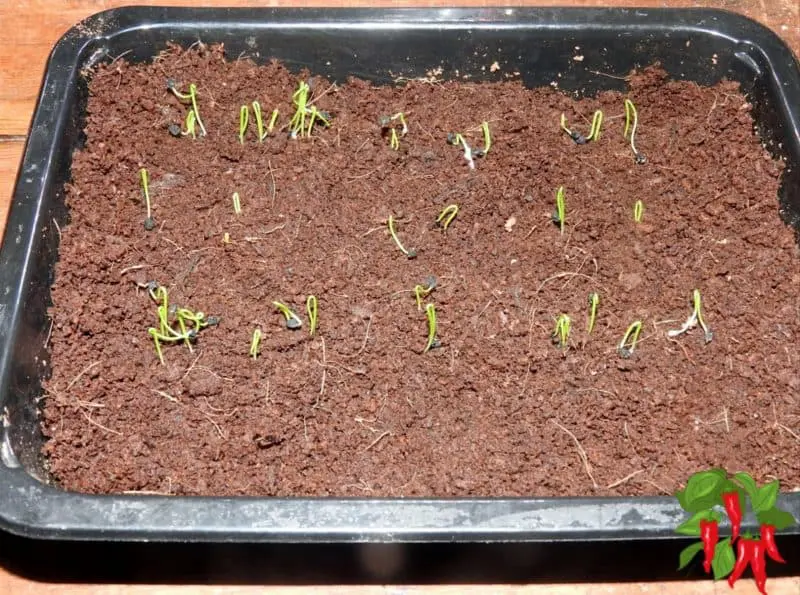
Once they have grown for a week or two I will remove the seedlings from the tray and transplant them.
I plan on growing them in a 5-gallon bucket. I will start with about 6 inches of coco in the bottom of the bucket.
It is common to blanch the stems by hilling up the soil. I have seen people using the tubes from toilet paper rolls to blanch them.
It seems like it would be hard to get the plant through them and I don’t think they would last very long outdoors.
I plan to fill around them in the bucket with coco to blanch them. I will wait until they are getting close to pencil sized to start.
Then I will add another 6-8 inches of coco coir to the bucket. Some people say hilling gets soil in the folds of the leaves.
I think that is why they use a tube placed over the plant. Coco coir should be much less of a problem for this. More info on coco coir:
Growing Vegetables In Coco Coir Indoors (indoorvegetablegrower.com)
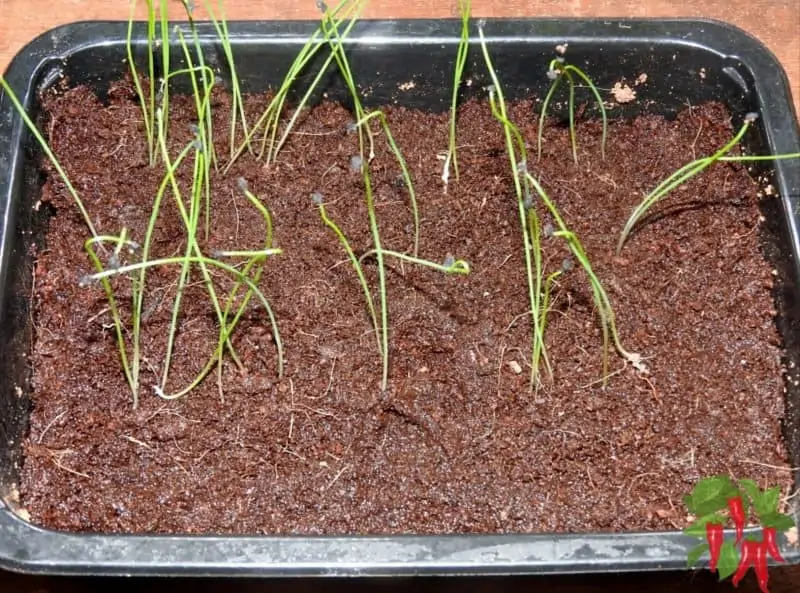
Here they are about a week later. I want them to be pencil-sized to transplant them.
Do Leeks Need To Be Hilled Up?
Hilling up leeks will blanch them and produce long white shanks but is it necessary?
Opinions differ. Those who favor blanching leeks say it makes them more tender and milder in flavor.
But some say hilling leeks is totally unnecessary. I tend to agree but I will blanch mine this time around.
I will probably set my extra seedlings outside and those will not be blanched so I should be able to tell if it really makes a difference.
Since I am growing leeks for personal use appearance is not as important as if I were growing for the fresh market.
Blanching the stems by hilling up soil around them will make your leeks more tender and mild, but isn’t absolutely necessary. https://extension.umd.edu/resource/leeks
Growing Leeks in Containers FAQs
Can leeks grow well in containers?
Yes. Leeks can grow well in containers as long as they have enough depth for their roots and stems. I am growing mine in a 5-gallon bucket, which also gives me room to add more coco coir around the plants as they grow.
How deep should a container be for leeks?
Use a deep container with at least about 12 inches of growing depth. A deeper container makes it easier to support root growth and gives you room to add more growing medium around the stems if you want to blanch your leeks.
Can you grow leeks in coco coir?
Yes. I started my leek seeds in coco coir and plan to grow them in a 5-gallon bucket filled with coco. Coco coir works well because it is lightweight, holds moisture, and makes it easy to gradually fill around the stems as the plants grow.
Do leeks need full sun?
Leeks grow best with plenty of light. Outdoors, aim for about 6–8 hours of sun. Indoors, place them in your brightest location or use a grow light if natural light is not strong enough.
How often should container-grown leeks be watered?
Keep the growing medium consistently moist but not waterlogged. Containers can dry out faster than garden soil, so check moisture regularly and water when needed rather than letting the plants dry out completely.
Do leeks need a lot of fertilizer?
Leeks benefit from regular feeding while they are actively growing. Use a balanced fertilizer and follow the product directions rather than applying too much at once.
Do leeks need to be hilled or blanched?
No, blanching is not absolutely necessary. Hilling soil or another growing medium around the stems produces longer white shanks and may make them milder and more tender. I plan to blanch some of mine with coco coir and compare them with unblanched plants.
When should leek seedlings be transplanted?
I let my seedlings grow for a while before moving them into their final container. My plan is to wait until they are getting close to pencil thickness before I begin adding more coco around them for blanching.
How long do leeks take to grow?
Leeks are a fairly long-season crop. Many varieties take roughly 75–120 days to mature depending on the variety and growing conditions. The Burpee Dawn Giant leeks I am growing are listed at about 98 days.
How many leeks can I grow in one container?
That depends on the size of the container and how large you want the leeks to become. Give each plant enough room to develop a thick stem without crowding its neighbors. A larger bucket or planter will let you space several plants comfortably.
Can leeks be grown indoors year-round?
Yes, you can grow leeks indoors if you can provide enough light and keep the growing medium consistently moist. A grow light is helpful when natural light is limited, especially during the shorter days of winter.
Final Thoughts on Growing Leeks in Containers
Growing leeks in containers is a good option when you don’t have much garden space, and a deep container gives you plenty of room to work with. I’m using a 5-gallon bucket and coco coir for mine, starting with about 6 inches of coco and adding more around the plants as they grow.
I’m especially interested in seeing how much difference blanching makes. I plan to add coco around the leeks growing in the bucket while leaving some of my extra plants outside without blanching them. That should give me a good comparison when it is time to harvest.
Whether you decide to blanch your leeks or simply let them grow naturally, give them plenty of light, consistent moisture, regular feeding, and enough container depth to develop. Leeks take some patience, but they don’t require a complicated setup.
If you’ve never grown leeks before, give them a try. A bucket, some growing medium, and a handful of seeds are enough to get started. Happy gardening, and keep it green!
Sustainable Apartment Gardening: How To Easily Grow Vegetables
🏙️ Apartment Gardening
Turn your apartment into a thriving garden! Explore easy guides for veggies, herbs, fruits, and flowering plants—all grown indoors.
-
- 🥕 Harvesting Carrots in Containers
- 🍅 Growing Tomatoes Indoors For Beginners
- 🌱 The Best Vegetables To Grow Indoors
- 🥔 How To Grow Potatoes In A 5-Gallon Bucket Indoors
- 🧄 Growing Garlic Indoors In Pots
- 🥬 How To Grow Bok Choy Indoors
- 🫘 Growing Green Beans In Pots
- 🧅 Growing Leeks In Containers
- 🥕 How To Grow Carrots Indoors
- See all articles in our Apartment Gardening category
 Steve S. is the creator of