Composting with a Compost Sak: Easy Composting Technology

Discover how composting with a Compost Sak can transform food waste into garden gold. Perfect for small spaces, it’s an easy way to boost soil … Read more

Practical Indoor Plant Care for Real Homes

Sustainable Gardening is about growing healthy plants while reducing waste, conserving water, and making better use of the resources you already have. You don’t need a large backyard or expensive equipment to get started. Even a small indoor garden can benefit from a few simple changes.
I’ve always liked finding ways to reuse containers, conserve water, and turn kitchen scraps into something useful for my plants. Indoor worm composting is one example. Instead of throwing away suitable food scraps, you can use a worm bin to produce nutrient-rich castings for your garden.
In this category, you’ll find 23 sustainable gardening guides covering indoor composting, vermicomposting, Bokashi systems, water conservation, eco-friendly supplies, organic fertilizers, and small-scale permaculture.
Whether you’re gardening in an apartment or maintaining a larger growing area, these ideas can help you reduce waste and make your garden more resource-efficient.
Sustainable gardening doesn’t have to mean changing everything about the way you grow plants. Often, the best place to start is with a few practical improvements.
Reusing containers, reducing wasted water, choosing durable supplies, and composting suitable organic materials can all make a difference.
These guides cover the basics and offer ideas you can adapt to your own growing space.
Composting is one of the most useful ways to recycle suitable organic waste. Instead of sending everything to the trash, you can process certain kitchen scraps and plant materials into amendments for your garden.
And you don’t necessarily need a backyard compost pile.
Indoor composting methods include worm bins, Bokashi fermentation, and compact composting systems designed for smaller spaces.
Bokashi is especially interesting because it uses a fermentation process rather than traditional aerobic composting. However, the fermented material generally needs further decomposition before it becomes suitable for direct use around plant roots.
Worm composting, also called vermicomposting, is one of my favorite ways to recycle suitable kitchen scraps indoors.
Composting worms feed on decomposing organic materials and help produce worm castings that can be used to improve growing media.
A properly maintained worm bin doesn’t need to take up much space. You can keep one in an apartment, utility room, or another suitable location where temperatures remain comfortable for the worms.
The important things are providing suitable bedding, avoiding overfeeding, maintaining proper moisture, and allowing enough airflow.
I’ve also documented my experiences with the Worm Factory 360, including what happens as a worm composting system becomes established.
Helpful tip: Liquid collected from the bottom of a worm bin is leachate, not automatically finished worm tea. Its composition can vary, so it shouldn’t be treated as a ready-to-use fertilizer.
Sustainable gardening also means paying attention to the resources your plants use every day.
Indoor gardens can consume electricity for lighting, fans, pumps, and other equipment. Water use can also add up, especially when you’re growing vegetables in containers or hydroponic systems.
Fortunately, there are practical ways to improve efficiency without sacrificing plant growth.
Choosing appropriately sized equipment, avoiding unnecessary water waste, and reusing suitable containers are good places to start.
Permaculture focuses on designing growing systems that make efficient use of available resources and work with natural processes.
Although permaculture is often associated with larger outdoor gardens, some of its principles can be applied to apartments, balconies, and small indoor growing areas.
Reusing materials, reducing waste, recycling nutrients, and designing systems that require fewer outside inputs are all useful ideas.
You don’t need a large property to start putting these principles into practice.
You don’t need to make every change at once. I think it’s better to start with improvements that fit your growing setup and build from there.
One of the things I like about indoor gardening is how much control you have over the growing environment. That control also gives you opportunities to reduce waste, manage water use, and make better use of your equipment.
Small improvements may not seem like much individually, but they can add up over time.
This category brings together 23 articles covering indoor composting, worm bins, Bokashi systems, water conservation, energy efficiency, reusable gardening supplies, organic fertilizers, and permaculture.
Browse the articles below for more practical ideas and firsthand growing experiences.
Whether you’re maintaining a few houseplants or running a complete indoor vegetable garden, sustainable gardening starts with making better use of what you already have.
Discover how composting with a Compost Sak can transform food waste into garden gold. Perfect for small spaces, it’s an easy way to boost soil … Read more

Discover how an eco-friendly indoor garden can transform your space into a healthier, happier sanctuary. Enjoy fresh air, reduced stress, and a greener lifestyle—all without … Read more
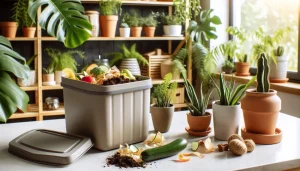
Composting for indoor gardens is a fantastic way to bring sustainability into your home. By recycling kitchen scraps and plant trimmings, you can create nutrient-rich … Read more

Ready to save money and go greener? Tap clean power to keep your garden lit, watered, and resilient—so plants thrive, costs drop, and every harvest … Read more

Eco-friendly pots and planters give you alternatives to conventional plastic containers while still providing practical choices for growing plants indoors or outside. Options include recycled … Read more
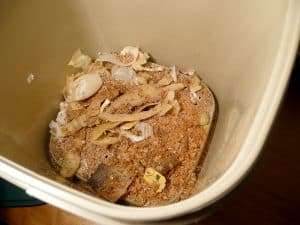
Want to compost indoors without mess or smell? Bokashi composting made easy is your solution. This Japanese method ferments all kitchen scraps, even meat and … Read more

Create a bokashi soil factory and transform your kitchen waste into plant-loving compost—without the mess or outdoor space. Enjoy cleaner composting, less waste, and thriving … Read more

Green indoor gardening helps you cut waste, save money, and enjoy a healthier home. Learn simple ways to reuse, recycle, and make your garden thrive. … Read more

Looking for the best composting ideas for indoors? Whether you live in an apartment or just want an odor-free, mess-free option, indoor composting is easier … Read more

Worried about climate change but not sure how to help? Gardening is one of the easiest ways to lower your carbon footprint. By growing your … Read more

Wasting water on houseplants? There’s a better way. Learning how to conserve water in your indoor garden helps save money, protect the planet, and keep … Read more

Frustrated by bugs on your houseplants, but don’t want to spray chemicals indoors? Eco-friendly pest control for indoor plants is safer for you, your pets, … Read more

Confused about worm tea vs leachate? I used to think the liquid from my worm bin was tea too. But they’re not the same. Real … Read more

Curious about what organic fertilizers actually do? Many gardeners want healthier plants without harming the planet. The good news is that organic fertilizers improve soil … Read more

If you’re searching for an indoor worm composting bin that actually works in a small space, the Worm Factory 360 is a top pick. It’s … Read more

Worms not your thing? No problem. Learning how to compost indoors without worms is easier than you think. Whether you’re short on space or just … Read more

Looking for an easy way to compost indoors? The Worm Factory 360 makes it simple. This stackable, odorless system transforms your food scraps into nutrient-rich … Read more

Turn food waste into “black gold” with vermicomposting for apartments. Save space, cut trash, and create free fertilizer for healthier houseplants. 🌱 Ever wonder if … Read more

Think composting isn’t possible in an apartment? Think again! Worm composting in your apartment is surprisingly easy and nearly odorless. These tiny red wigglers recycle … Read more
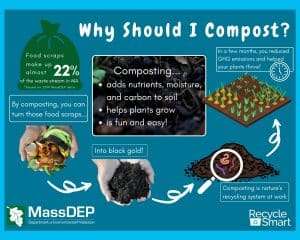
Why compost at home? Many folks still picture smelly piles and messy bins, but that’s old news. Modern composters are clean, compact, and designed for … Read more

Sustainable gardening helps you enjoy healthier plants, cleaner air, and lower costs—all while making a positive impact on the planet from your own home. Want … Read more

Build a greener life in a small space. Small Scale Permaculture helps you harvest more food, reduce waste, save water, attract pollinators, and lower costs … Read more

Build a garden that gives back. Learn how permaculture boosts yields, saves water, slashes waste, and grows healthier soil—so you enjoy more harvests with less … Read more