
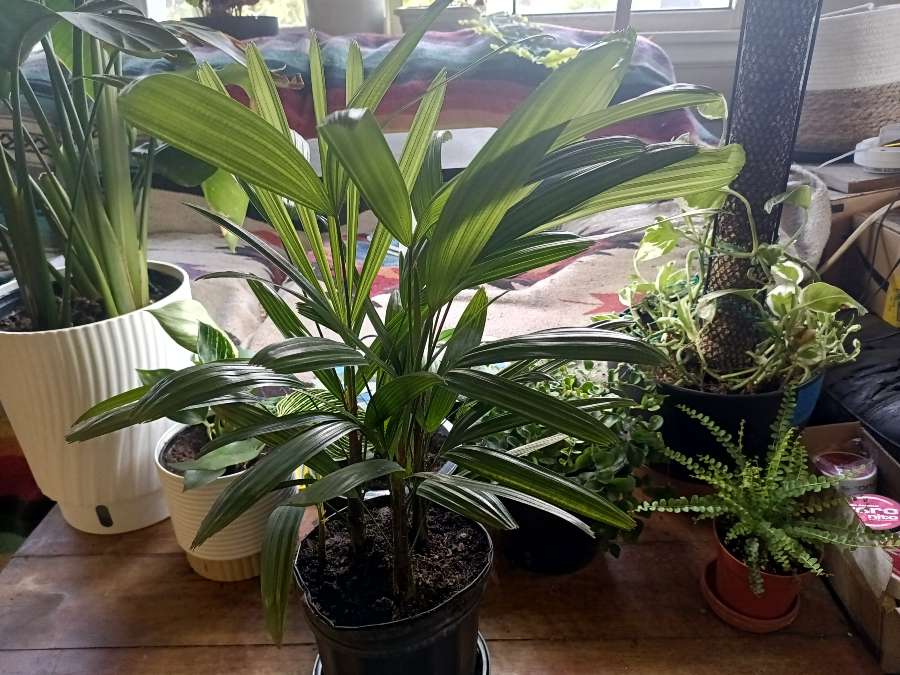
Lady Palm is one of the better palm choices if you want a tropical-looking plant but don’t have a room filled with intense sunlight.
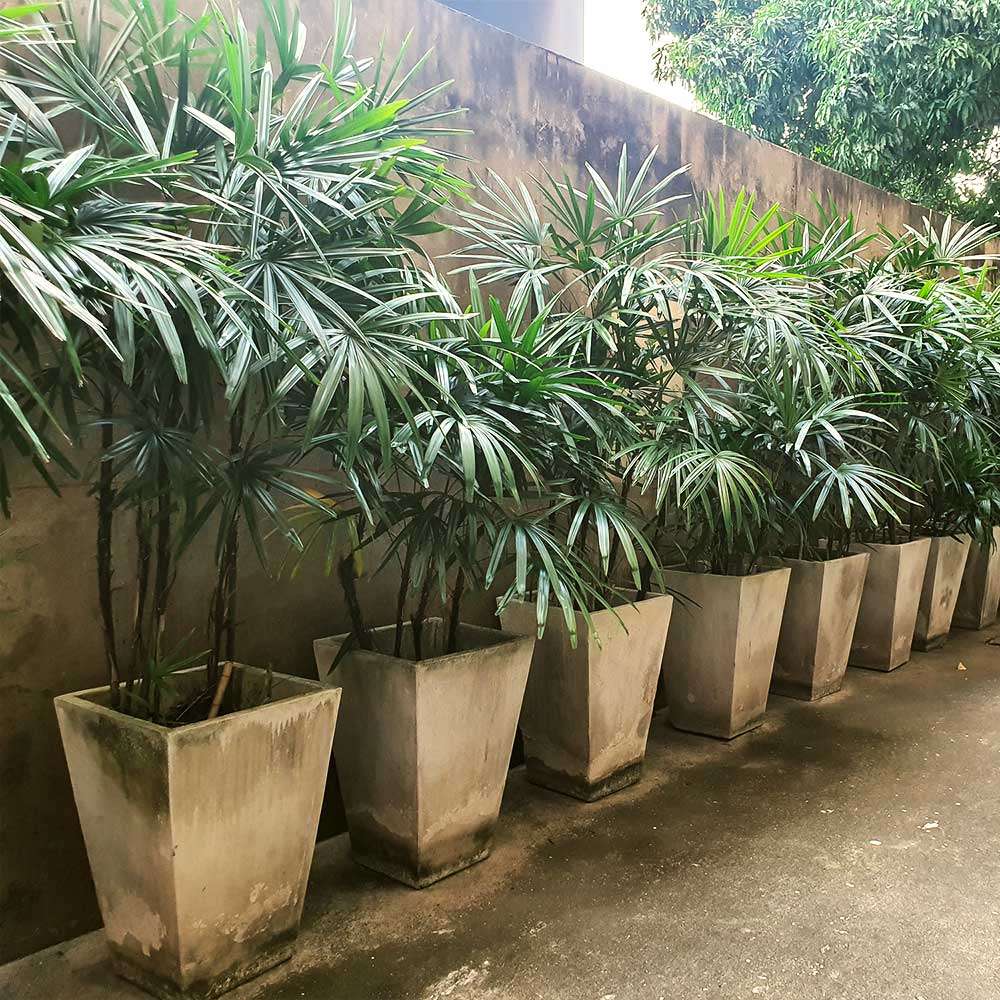
Its dark green, fan-shaped leaves and slender, bamboo-like stems give it a very different appearance from the feathery palms you commonly see sold as houseplants.
I especially like Lady Palm for indoor growing because it tolerates lower light better than many palms. It is also relatively slow growing, so you don’t have to worry about a small plant suddenly becoming too large for your apartment.
The botanical name is Rhapis excelsa. Given good care, it gradually produces additional stems from the base and develops into a dense clump rather than growing as a single-trunk palm.
In this guide, I’ll show you how to handle Lady Palm care indoors, including light, watering, soil, humidity, fertilizer, repotting, and some of the common problems you may encounter along the way.
What You’ll Learn 🌿
- ☀️ How much light a Lady Palm needs indoors
- 💧 When to water and how to avoid keeping the roots too wet
- 🪴 What growing mix and container work well for Rhapis excelsa
- 🌡️ How humidity and temperature affect Lady Palm growth
- 🌴 How large Lady Palm can become and where to place it in your home
- 🔎 How to recognize and correct common Lady Palm problems
Quick Answer 🌿
Lady Palm (Rhapis excelsa) grows well indoors in bright indirect light but can tolerate lower-light locations. Water when the upper 1–2 inches of growing mix begin to dry, use a well-draining mix and a pot with drainage holes, and keep the plant away from harsh direct sun. Moderate household humidity is usually workable, although very dry air can contribute to brown leaf tips. Lady Palm grows slowly and gradually forms an attractive clump of upright stems.
Lady Palm Care at a Glance
| Botanical Name | Rhapis excelsa |
| Common Name | Lady Palm, Broadleaf Lady Palm |
| Light | Bright indirect light; tolerates lower light |
| Water | Water when the upper 1–2 inches begin to dry |
| Growing Mix | Moisture-retentive but well-draining mix |
| Humidity | Average to moderately humid indoor conditions |
| Temperature | About 65–80°F is a comfortable indoor range |
| Growth Habit | Slow-growing, upright, clumping palm |
| Indoor Size | Often around 4–6 feet when mature indoors |
| Pet Safety | Generally considered non-toxic to cats and dogs |
What Is a Lady Palm?
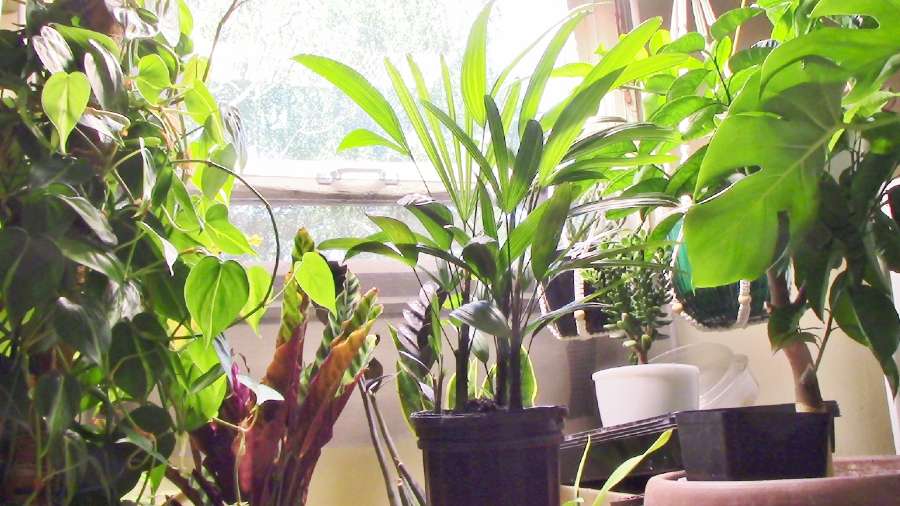
Lady Palm is a clumping fan palm that has been grown as an ornamental plant for generations. Instead of producing the feathery foliage associated with palms such as Areca or Majesty Palm, Rhapis excelsa produces broad, fan-shaped leaves divided into several segments.
The stems are another distinctive feature. Lady Palm develops multiple slender canes from underground rhizomes. Older canes are covered with brown fibrous material that gives them a somewhat bamboo-like appearance.
New shoots gradually emerge around the base, so an established plant becomes fuller and wider over time. This clumping growth habit makes Lady Palm especially attractive as a floor plant because you end up with foliage at several levels instead of a bare trunk topped by one canopy.
It is also a naturally shade-tolerant palm. That doesn’t mean it should be placed in a room with virtually no usable light, but it does make Lady Palm considerably more adaptable to indoor conditions than many sun-loving palms.
See My Lady Palm and How I Grow It Indoors
I chose Lady Palm because I wanted an indoor palm that could eventually fill a lower-light corner of my apartment.
Most palms need more light than I can provide in those locations, so I narrowed my choices to Lady Palm and Kentia Palm.
Both tolerate lower indoor light while still growing better when you can give them bright, indirect light.
In the video below, I’ll show you my Lady Palm and explain how I’m growing it indoors. I cover its lower-light tolerance, watering, humidity, good window locations, mature size, and why I think it is one of the better palm choices for apartment growers.
My plan is to eventually use this palm as a floor plant in a corner where it has room to spread. It grows slowly, but new stems gradually emerge from the base and can eventually create the dense, full appearance you see on mature Lady Palms.
How Big Does Lady Palm Get Indoors?
Lady Palm is slow growing, but don’t mistake slow growth for permanently small growth. An established indoor specimen can commonly reach around 4–6 feet tall, and older plants can become substantial floor plants when they have been growing under good conditions for many years.
Width is worth considering, too. Because new stems emerge from the base, Lady Palm gradually develops a broader clump. That makes it different from a single-trunk palm that mainly becomes taller.
For apartment growing, the slow growth is an advantage. A Lady Palm purchased in a six-inch pot should remain manageable for quite a while, giving you time to adjust its location as it develops.
If you’re buying a young plant, I wouldn’t immediately put it into an enormous container to accommodate its future size. Let the root system develop naturally and move up in pot size gradually when repotting is actually needed.
Lady Palm Light Requirements
One of the biggest advantages of Lady Palm is its ability to grow with less light than many indoor palms. It can tolerate lower-light conditions, although you’ll generally get stronger, fuller growth with bright indirect light.
An east-facing window can work very well because the plant receives bright light along with gentler morning sun. A north-facing window may also be suitable, particularly if the window is unobstructed and the plant is reasonably close to it.
Near a bright south- or west-facing window, move the palm back from intense direct afternoon sunlight or soften the light with a sheer curtain. Lady Palm developed as a shade-tolerant plant, and foliage can scorch when suddenly exposed to strong direct sun.
Lower light doesn’t mean no light. If you place your Lady Palm deep inside a dark room, growth may become extremely slow and the plant can gradually lose some of its fullness.
Quick Tip
Watch the plant rather than relying only on the direction of the window. If your Lady Palm is producing healthy new growth and maintaining good color, the location is probably working. If growth becomes increasingly sparse or weak, try moving it closer to a brighter source of indirect light.
Where to Buy a Lady Palm
Lady Palms aren’t always as easy to find locally as Majesty Palms or Areca Palms. If your local garden center doesn’t carry one, you can also find young Rhapis excelsa plants online.
Find the American Plant Exchange Lady Palm on Amazon
Affiliate disclosure: I may earn a commission from qualifying purchases at no additional cost to you.
How to Water a Lady Palm Indoors
Lady Palm likes more consistent moisture than palms that prefer to dry substantially between waterings. At the same time, you don’t want the roots sitting in constantly saturated growing mix.
A good starting point is to check the upper 1–2 inches of the growing mix. When that area begins to feel dry, water thoroughly enough to moisten the root zone and allow excess water to drain from the bottom of the pot.
Don’t water strictly by the calendar. A Lady Palm beside a bright window during summer may use water considerably faster than the same plant during the darker days of winter.
Container size matters as well. A small Lady Palm in a six-inch nursery pot can dry relatively quickly, while a mature plant growing in a large container may hold moisture much longer.
Signs Your Lady Palm May Need Water
- The upper growing mix feels dry.
- The container feels noticeably lighter when lifted.
- Leaf tips or edges begin becoming dry and brown.
- The foliage begins looking less firm than usual.
Brown tips aren’t automatically a watering problem. Dry indoor air, fertilizer salts, and mineral buildup can produce similar symptoms, so look at the entire plant and your recent care routine before changing how often you water.
Signs the Growing Mix May Be Staying Too Wet
- Growing mix remains wet for an unusually long time.
- Lower fronds begin yellowing without an obvious reason.
- The plant begins declining even though you’re watering frequently.
- The growing mix develops a stale or unpleasant smell.
If the pot remains wet for many days, check the drainage holes, growing mix, container size, and light conditions before simply adding more water.
Best Growing Mix for Lady Palm
Lady Palm needs a growing mix that holds enough moisture to keep the roots from drying excessively but still allows plenty of drainage and air around the root system.
For my indoor plants, I like coco coir and perlite as a starting point. Coco coir holds moisture while maintaining a useful structure, and perlite increases drainage and aeration.
For Lady Palm, you can use a mix such as:
- 2 parts buffered coco coir
- 1 part perlite
- A small amount of compost or worm castings if you want to add organic matter
You can also use a quality commercial houseplant or palm mix. The important part is that it doesn’t become dense and waterlogged after repeated watering.
If a commercial mix seems too heavy, adding extra perlite can improve drainage and create more air space around the roots.
Pots and Drainage
Use a container with drainage holes for Lady Palm. This gives excess water somewhere to escape and makes it much easier to manage moisture around the roots.
A decorative cachepot is fine if you prefer the appearance, but I like keeping the plant in a draining inner pot and placing that inside the decorative container. After watering, make sure excess water isn’t left standing around the bottom of the inner pot.
Don’t automatically choose a huge container because Lady Palm eventually becomes a substantial plant. An oversized volume of wet growing mix can remain moist much longer than the root system needs.
Move up gradually as the root system develops.
Humidity Requirements
Lady Palm appreciates moderate humidity, but you don’t need to turn your apartment into a greenhouse to grow one.
Normal household humidity can work, especially if the plant is otherwise receiving appropriate light and water. Very dry air may contribute to brown tips and edges, particularly during winter when indoor heating is running.
If your air is extremely dry, a small humidifier near a group of tropical plants is generally more effective than repeatedly misting the leaves.
Grouping plants together can also create a slightly more humid microclimate around the foliage, although it won’t dramatically change the humidity of an entire room.
Temperature Requirements
Typical indoor temperatures suit Lady Palm quite well. A range of roughly 65–80°F is comfortable for active indoor growth.
Try to avoid sudden temperature swings. Cold drafts from an exterior door, hot air blowing directly from a heating vent, or leaves pressed against very cold window glass can all stress the plant.
Lady Palm can tolerate cooler conditions better than some tropical palms, but there’s little reason to test its cold tolerance when you’re growing it as a houseplant. Stable indoor temperatures are the easier approach.
How to Fertilize Lady Palm
Lady Palm grows slowly, so it doesn’t need aggressive fertilizing. More fertilizer won’t turn it into a fast-growing palm, and excessive feeding can contribute to salt buildup in the growing mix.
During spring and summer, you can feed lightly with a balanced houseplant or palm fertilizer according to the product directions. If you’re using a concentrated liquid fertilizer, a diluted application is a reasonable approach for this slow-growing plant.
Reduce or stop feeding during periods when growth has slowed substantially, particularly during winter in homes with limited natural light.
If you begin seeing unexplained brown leaf tips and you’ve been fertilizing regularly, consider fertilizer buildup as one possible cause. Periodically watering thoroughly enough for excess water to drain through the pot can help flush accumulated soluble salts.
Pruning and Cleaning Lady Palm
Lady Palm doesn’t require much pruning to maintain its natural shape. Most pruning consists of removing old or damaged foliage.
If an entire frond has become brown or yellow and is no longer contributing to the plant, remove it near its base with clean pruning shears. Avoid removing healthy green fronds simply to make the plant look tidier.
For a leaf with only a brown tip, you can trim away the dead portion while leaving the healthy green tissue intact.
The broad leaf segments can also collect dust indoors. Wipe them gently with a damp cloth occasionally. Besides improving the plant’s appearance, regular cleaning gives you a good opportunity to check the undersides of the leaves and stems for pests.
Best Indoor Locations for Lady Palm
Lady Palm’s tolerance for moderate and lower light gives you more placement options than you have with many palms.
My long-term plan is to use my Lady Palm in a corner where it can gradually spread as it grows. That’s one of the main reasons I chose this palm.
I wanted something that could eventually become a substantial floor plant without requiring one of the brightest locations in my apartment.
Near an East-Facing Window
This is one of my favorite locations for many foliage plants. Lady Palm can receive plenty of indirect light along with relatively gentle morning sunlight.
Near a North-Facing Window
An unobstructed north-facing window can work well, particularly if you want a palm for a room that doesn’t receive intense direct sunlight.
Bright Living Room Corners
A Lady Palm can make an excellent vertical accent beside furniture or in an open corner. Just make sure the corner receives usable daylight rather than assuming the plant will thrive simply because it tolerates lower light.
Home Offices
The upright growth habit works nicely in an office because an established Lady Palm can provide substantial greenery without sending long vines across your workspace.
Bedrooms
Lady Palm can also work in a bedroom with adequate window light. Its slow growth and upright form make it easier to accommodate than many rapidly growing tropical plants.
Placement Tip
Lady Palm tolerates lower light, but don’t confuse low light with no light. If you can comfortably read during the daytime without turning on a lamp, you have a useful starting point, but watch the plant’s growth and move it closer to a window if it begins becoming sparse.
Lady Palm vs Kentia Palm for Low Light
Lady Palm and Kentia Palm are the two palms I chose to grow when looking for options that could handle lower-light areas of my apartment. Both tolerate less intense indoor light than many palms, but they give you very different-looking plants.
| Feature | Lady Palm | Kentia Palm |
|---|---|---|
| Foliage | Fan-shaped, segmented leaves | Long, feather-like arching fronds |
| Growth Habit | Dense, upright clump with multiple stems | Upright palm with long, spreading fronds |
| Growth Rate | Slow | Slow |
| Lower-Light Tolerance | Very good for an indoor palm | Very good for an indoor palm |
| Best If You Want | A dense, architectural floor plant | A classic palm with graceful feathered fronds |
I wouldn’t consider either one a no-light plant. Their advantage is that they give you more flexibility when your apartment doesn’t have intense natural light available in every location.
Repotting a Lady Palm
Because Lady Palm grows slowly, repotting shouldn’t be something you do automatically every year. Leaving the plant undisturbed until it actually needs more root space can make care easier.
Consider repotting when:
- Roots are becoming heavily crowded inside the container.
- Roots are emerging through the drainage holes.
- The growing mix has broken down and no longer drains properly.
- The plant has become unstable or top-heavy in its existing pot.
- Water begins running through an extremely root-filled pot without adequately moistening the root zone.
When repotting, choose a container only slightly larger than the current one and use fresh, well-draining growing mix.
This is also a good time to inspect the clump and decide whether you want to keep the plant intact or divide part of it for propagation.
How to Propagate Lady Palm by Division
Lady Palm naturally produces additional shoots from underground rhizomes, which makes division the most practical propagation method for an established indoor plant.
The easiest time to divide the plant is usually when you’re already repotting it.
- Remove the palm from its container. Work carefully around the root ball rather than pulling individual stems.
- Look for a natural division. Choose an offshoot or small group of stems that already has its own healthy roots.
- Separate the section carefully. Tease roots apart where possible and use a clean knife only when necessary.
- Pot the division. Use a suitably sized container with drainage holes and the same type of well-draining growing mix.
- Keep conditions stable. Return the new division to warm conditions with indirect light while the disturbed root system becomes established.
You don’t need to divide a Lady Palm simply because it produces new shoots. Allowing those shoots to remain is what creates the dense, multi-stemmed appearance that makes a mature Lady Palm so attractive.
Common Lady Palm Problems and Troubleshooting
Lady Palm is generally a dependable indoor palm, but the foliage can show you when something in the growing environment needs attention. Brown tips, yellow leaves, slow growth, and pests are among the most common issues.
Brown Leaf Tips
Brown tips are probably one of the most common complaints with indoor Lady Palms. Dry air can contribute, but it isn’t the only possible cause.
Check several things before assuming your palm simply needs more humidity:
- Has the growing mix been allowed to become excessively dry?
- Is the plant sitting near a heating vent or another source of hot, dry air?
- Have you been fertilizing frequently?
- Could soluble salts be accumulating in the growing mix?
- Is the plant receiving harsh direct sunlight?
You can trim brown tips for appearance, but leave the healthy green portion of the leaf intact. More importantly, identify what caused the browning so the new growth stays healthier.
Yellow Leaves
An occasional older frond turning yellow isn’t necessarily a problem. Leaves eventually age and are replaced by newer growth.
If several fronds begin yellowing at the same time, check the moisture around the roots. Growing mix that stays saturated for long periods can reduce oxygen around the root system and lead to declining foliage.
Poor drainage, an oversized container, or insufficient light can all make the growing mix remain wet longer than expected.
Dry, Crispy Leaf Edges
Crispy edges can develop when the plant becomes too dry between waterings or when indoor humidity is very low. Hot air from heating vents can make the problem worse.
Check the growing mix before automatically increasing watering. If the root zone is already moist, additional water won’t correct a humidity problem and may create a second issue.
Leaves Look Pale or Bleached
Pale or bleached areas can indicate that a shade-grown Lady Palm is receiving more direct sunlight than it can comfortably handle.
Move the plant farther from an intense south- or west-facing window or filter strong sunlight with a sheer curtain. Plants moved into brighter conditions should be acclimated gradually.
Lady Palm Isn’t Growing
First, remember that Lady Palm is naturally slow growing. A healthy plant doesn’t need to produce new leaves every few weeks.
If growth has completely stalled for a long period, consider light levels. Lady Palm can tolerate low light, but very dim conditions can reduce already-slow growth even further.
Also check temperature, root health, and the condition of the growing mix before reaching for more fertilizer. Fertilizer won’t compensate for inadequate light or unhealthy roots.
Root Rot
Root problems are most likely when the growing mix remains saturated for extended periods. A pot without drainage, overly dense growing mix, frequent watering, or a container that is much too large can all contribute.
If you suspect root rot, remove the plant from the container and inspect the roots. Healthy roots should feel firm. Soft, dark, deteriorating roots should be removed with clean tools before the palm is replanted in fresh, well-draining growing mix.
Lady Palm Pests
Indoor Lady Palms can occasionally attract common houseplant pests. Spider mites, scale insects, and mealybugs are worth watching for.
Spider Mites
Spider mites can become troublesome in warm, dry indoor conditions. Look for fine webbing, stippling, or a faded appearance on the foliage.
Scale Insects
Scale can appear as small brown or tan bumps attached to stems or leaves. Because Lady Palm has multiple stems and segmented foliage, inspect the plant carefully rather than checking only the most visible leaves.
Mealybugs
Mealybugs often look like small patches of white cottony material. Check where leaves and stems meet and other protected areas of the plant.
Catching pests early makes them much easier to manage. I like to inspect the foliage whenever I’m wiping dust from the leaves or watering. If you find pests, isolate the affected plant from the rest of your collection while you treat the problem.
Is Lady Palm Safe for Cats and Dogs?
Lady Palm is considered non-toxic to cats and dogs. The ASPCA includes Lady Palm on its list of non-toxic plants, making it an appealing palm for homes where pets and houseplants share the same space.
The ASPCA listing uses the botanical name Rhapis flabelliformis, a name that has historically been associated with Lady Palm. The plant commonly sold today as Lady Palm is Rhapis excelsa.
That doesn’t mean you necessarily want your cat or dog chewing on the leaves. Even non-toxic plant material can potentially cause digestive upset when eaten, and repeated chewing can quickly damage the attractive fan-shaped foliage.
Pet safety reference: ASPCA – Lady Palm
Does Lady Palm Purify Indoor Air?
You may see Lady Palm advertised as an air-purifying houseplant. Plants can interact with airborne compounds under controlled experimental conditions, and foliage can collect some airborne dust, but those findings shouldn’t be interpreted to mean that a few Lady Palms will clean the air in an ordinary home.
The famous indoor-plant air-cleaning research was performed under controlled conditions that are very different from a normal apartment, bedroom, or office. Real homes have much larger volumes of air along with ventilation, doors, windows, and continuous air exchange.
I would grow Lady Palm because it’s an attractive, shade-tolerant indoor palm rather than expecting it to function as an air purifier. For meaningful indoor air management, ventilation and appropriate mechanical filtration are much more important.
You still get the benefits that make houseplants enjoyable: greenery, attractive foliage, a connection with growing plants, and a tropical accent that can transform an otherwise empty corner.
FAQs About Lady Palm Care Indoors
Can Lady Palm grow in low light?
Yes. Lady Palm is more tolerant of lower light than many palms, which is one reason it works so well indoors. However, brighter indirect light generally supports fuller and stronger growth. Very dark locations can slow an already slow-growing palm considerably.
How often should I water a Lady Palm?
Instead of watering on a fixed schedule, check the growing mix. Water when the upper 1–2 inches begin to dry, then water thoroughly and allow excess moisture to drain from the pot. How quickly that happens depends on light, temperature, container size, growing mix, and the season.
Why are the tips of my Lady Palm turning brown?
Brown tips can be associated with dry air, inconsistent watering, fertilizer salts, mineral buildup, or other environmental stress. Check your complete care routine rather than assuming every brown tip means the plant needs more water.
How tall does Lady Palm grow indoors?
An established Lady Palm can commonly reach around 4–6 feet indoors, although growth is slow and ultimate size depends on the cultivar, container, light, and growing conditions. Because it produces new stems from the base, an older plant can also become considerably wider and fuller.
Should I mist my Lady Palm?
Occasional misting isn’t necessary for successful Lady Palm care and only raises humidity around the foliage briefly. If your home is consistently very dry, a humidifier or grouping compatible plants together is a more practical approach.
Does Lady Palm need direct sunlight?
No. Bright indirect light is an excellent choice for Lady Palm. It can tolerate some gentle sunlight, particularly early in the day, but intense direct afternoon sun can scorch foliage that hasn’t been acclimated to it.
Final Thoughts: Lady Palm Care Indoors
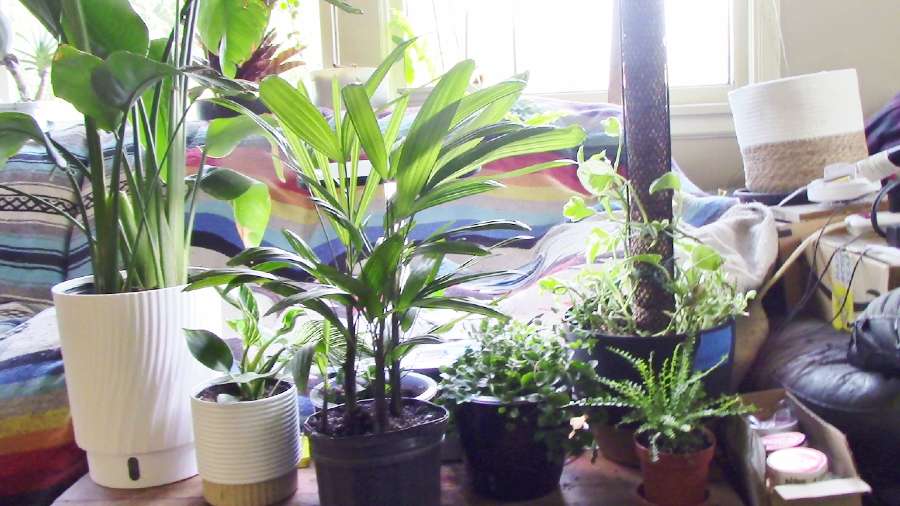
Lady Palm is a good choice if you like the look of palms but don’t have the intense light some indoor palm species prefer. Its ability to tolerate lower light, slow growth, and upright clumping habit make it especially useful for apartments and ordinary indoor spaces.
The main things to get right are fairly straightforward. Give it useful indirect light, water when the upper growing mix begins to dry, provide good drainage, and don’t try to force faster growth with excessive fertilizer.
The plant gets better as the clump gradually fills out. A young Lady Palm may start as a modest plant in a six-inch pot, but with time it can become a substantial tropical floor plant with multiple bamboo-like stems and a canopy of dark green fan-shaped leaves.
And because it grows slowly, you get plenty of time to enjoy the transformation.
Find the American Plant Exchange Lady Palm on Amazon
If you’re looking for a broader overview of the species, I also have a Rhapis excelsa palm care guide covering the basics of growing this distinctive clumping palm.
Indoor Palm Tree Care: 11 Powerful Tips Complete Guide For Beginners
References
- Clemson Cooperative Extension – Indoor Palms
- Penn State Extension – Palms as Houseplants
- NC State Extension – Rhapis excelsa
- ASPCA – Lady Palm

 Steve S. is the creator of