

Celosia Dragon’s Breath Care is fairly straightforward once you understand what this colorful plant needs. With its fiery red flower plumes and deep maroon foliage, Dragon’s Breath is a real eye-catcher, whether you’re growing it in a patio container or bringing some color into your indoor garden.
Most gardeners grow Dragon’s Breath Celosia as an outdoor annual, but you can also grow it indoors. Since Celosia is a tender perennial, keeping it warm and providing enough light may extend its life beyond a single growing season. Just remember that keeping the plant alive and getting it to continue flowering are two different things.
In this guide, I’ll cover the lighting, watering, growing medium, fertilizing, pruning, and propagation methods that can help you grow Dragon’s Breath Celosia successfully. We’ll also look at winter care and what you can realistically expect when growing this sun-loving plant inside your home.
🌺 What You’ll Learn
- How much sunlight Dragon’s Breath Celosia needs indoors and outdoors.
- When to water and how to avoid problems with soggy growing media.
- How to grow Celosia in containers using coco coir and perlite.
- When to fertilize, prune, and repot your plant.
- How to propagate Celosia from seeds and stem cuttings.
- What to expect from indoor growing and winter care.
🌱 Quick Answer: How Do You Care for Celosia Dragon’s Breath?
Grow Celosia Dragon’s Breath in a warm location with plenty of direct sunlight or strong LED grow lighting. Use a well-draining growing medium, water when the upper layer begins to dry, and fertilize regularly during active growth. Protect the plant from frost and avoid keeping its roots constantly wet. Although commonly grown as an annual, Celosia may survive longer indoors with suitable conditions, but continuous flowering isn’t guaranteed.
🌺 Celosia Dragon’s Breath Care at a Glance
| Care Requirement | Recommendation |
|---|---|
| Botanical Name | Celosia argentea ‘Dragon’s Breath’ |
| Plant Type | Tender perennial, commonly grown as an annual |
| Light | Full sun outdoors; strong direct sunlight or adequate LED grow lighting indoors |
| Watering | Water when the upper inch of growing medium begins to dry; avoid waterlogged roots |
| Growing Medium | Well-draining potting mix; coco coir and perlite are suitable when properly fertilized |
| Temperature | Approximately 65–80°F (18–27°C); protect from frost |
| Humidity | Average household humidity is generally suitable |
| Fertilizer | Balanced fertilizer during active growth, following product directions |
| Flowering | Typically summer through fall outdoors; indoor flowering depends heavily on light and growing conditions |
| Propagation | Seeds or stem cuttings |
| Winter Care | Bring containers indoors before frost; provide warmth and strong light |
Introduction to Celosia Dragon’s Breath Care
Are you looking for an eye-catching and unique addition to your indoor garden?
Look no further than the Celosia Dragon’s Breath plant!
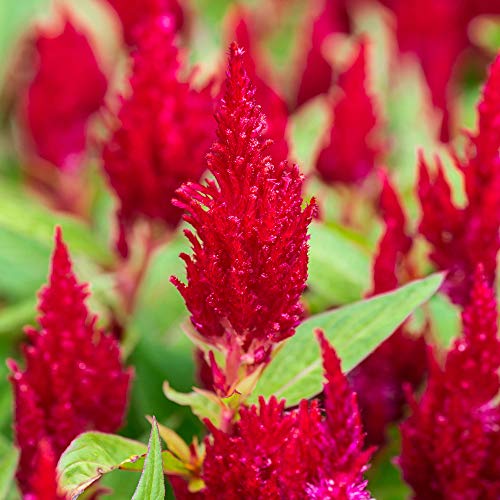
This vibrant annual brings a magnificent presence to any indoor space with its iridescent maroon foliage and showy plumes of scarlet flowers.
It is typically grown outdoors as a bedding plant or a patio pot but it can be grown indoors.
They are considered container annuals but indoors if kept warm they can become perennials.
But, like any living thing, this plant requires some attention and care.
In this post, we’ll cover everything you need to know about Celosia Dragon’s Breath care indoors, from ideal lighting and watering conditions to how to prune and propagate the plant for long-lasting beauty.
Whether you’re a seasoned indoor gardener or a first-time plant owner, we’ve got you covered with all the information you need to keep your Celosia Dragon’s Breath thriving.
🌺 Celosia Dragon’s Breath Plant Care Reference Guide
| Characteristic | Details |
|---|---|
| Common Name | Dragon’s Breath Celosia, Dragon’s Breath Cockscomb |
| Botanical Name | Celosia argentea ‘Dragon’s Breath’ (plumed celosia cultivar) |
| Plant Family | Amaranthaceae (amaranth family) |
| Native Habitat | The species has tropical origins; ‘Dragon’s Breath’ is a cultivated ornamental variety |
| Plant Type | Tender perennial, usually grown as an annual. Indoor plants may live longer under suitable conditions, but several years of growth or flowering are not guaranteed. |
| Growth Pattern | Upright, bushy growth with deep maroon foliage and bright red, feathery flower plumes |
| Mature Size | Approximately 18–36 inches tall and 12–18 inches wide, depending on growing conditions |
| Watering | Water thoroughly when the upper inch of growing medium begins to dry. Maintain adequate moisture without keeping the roots constantly saturated. |
| Light / Sun Exposure | Full sun outdoors, preferably 6–8 hours daily. Indoors, provide strong direct sunlight or adequate full-spectrum LED grow lighting for healthy growth and flowering. |
| Growing Medium | Well-draining potting medium. Coco coir and perlite are suitable for container growing when nutrients are supplied through fertilizer. |
| Growing Medium pH | Approximately 6.0–7.0 for conventional potting mixes; soilless coco coir systems may use a slightly lower pH with appropriate nutrients. |
| Temperature | Warm conditions around 65–80°F (18–27°C) are suitable. Protect from frost, freezing temperatures, and prolonged cold exposure. |
| Humidity | Average household humidity is generally sufficient. High humidity and regular misting are not required. |
| Fertilizer | Balanced fertilizer during active growth. Follow product directions and provide regular nutrition when growing in coco coir and perlite. |
| Bloom Time & Flower Color | Typically summer through fall outdoors, with vivid red plumes and maroon foliage. Indoor flowering depends on light intensity and plant condition. |
| Propagation | Seeds or stem cuttings. Seed-grown plants may vary from the original cultivar. |
| Potential Problems | Root rot from excessive moisture, insufficient light, aphids, spider mites, whiteflies, and occasional fungal diseases |
| Pruning | Light pinching of young plants can encourage branching. Remove damaged foliage and spent flower plumes as needed. Avoid severe pruning of weak or aging plants. |
| Repotting | Repot when the plant becomes root-bound or outgrows its container. Annual repotting is not automatically necessary. |
| Winter Care | Bring outdoor containers inside before frost. Provide warmth, strong lighting, and adjust watering to match slower growth. |
| USDA Hardiness | Generally grown as an annual in regions with freezing winters. Outdoor perennial survival is limited to frost-free climates. |
Brief Overview of Celosia Dragon’s Breath Plant
Celosia Dragon’s Breath is an annual plant that belongs to the amaranth family, Amaranthaceae.
This plant is highly valued for its beautiful and exotic appearance, featuring bright red plumes that resemble flames.
The plant is relatively easy to grow and is a popular choice among gardeners, especially for bedding and container gardening.
With the proper care and attention, the Celosia Dragon’s Breath plant can thrive both indoors and outdoors.
Common Names for Celosia Dragon’s Breath Plant
The Celosia ‘Dragon’s Breath’ plant is a cultivar of the Celosia genus, known for its striking appearance and vibrant colors.
This plant goes by a few different common names, including:
• Dragon’s Breath Celosia
• Dragon’s Breath Cockscomb
• Dragon’s Breath Plumed Celosia
• Red Plumed Celosia
• Flame Flower
• Woolflower
However, it is most commonly referred to as Dragon’s Breath due to its fiery red foliage and unique plume-like flowers that resemble the fiery breath of a mythical dragon.
🌺 Is Celosia Dragon’s Breath a Perennial?
Yes, Celosia Dragon’s Breath is a tender perennial, although most gardeners grow it as an annual. In areas with freezing winters, outdoor plants generally die when exposed to frost. However, that doesn’t mean the plant must complete its life cycle in one growing season.
When grown indoors or in a frost-free environment, Celosia can sometimes survive beyond its first year. The key is providing enough light, warmth, water, and nutrients to keep the plant actively growing.
Cock’s comb is a genus of annual or tender perennial plants in the Amaranthaceae (pigweed) family. NC State Extension – Celosia
There’s one thing worth remembering, though. A Celosia plant that survives indoors for another season may not flower as heavily as it did when it was young. Older plants can become woody or less vigorous, and flowering depends heavily on the amount of light they receive.
If your goal is to enjoy Dragon’s Breath for as long as possible, you can certainly try keeping the original plant growing indoors. Starting new plants from seeds or cuttings is another option when an older plant begins to decline.
Importance of Proper Care and Maintenance
While the Celosia Dragon’s Breath plant is known for its low maintenance requirements, proper care is the best way to ensure its health and longevity.
Taking care of this plant involves providing adequate light, watering, fertilization, and pest control.
In addition, it is important to understand the plant’s growing season and environmental preferences.
With the right care and attention, your Celosia Dragon’s Breath plant can thrive and bring joy to your home or garden for years to come.
Growing Celosia Dragon’s Breath Indoors

Growing Celosia Dragon’s Breath indoors is a great way to add color and vibrancy to your home, especially during the cooler months when outdoor gardening may not be feasible.
This beautiful annual plant features striking red plumes atop variegated foliage, making it an eye-catching addition to any space.
While growing Celosia Dragon’s Breath outdoors is relatively easy, growing it indoors requires a bit more attention to detail.
In this guide, we’ll cover everything you need to know to successfully grow and care for this magnificent plant indoors.
Indoor Celosia Care In A Nutshell
To successfully grow Celosia indoors, consider the following tips:
Light: Celosia are sun-loving plants and need plenty of sunlight to thrive, so place it near a south- or west-facing window where it can receive at least 6-8 hours of bright, indirect sunlight per day.
Temperature: Maintain a consistent indoor temperature between 65-75°F (18-24°C) to support healthy growth. Avoid drafts or sudden temperature changes.
Soil: Use a well-draining, high-quality potting mix for your Celosia. Ensure that the soil is consistently moist but not waterlogged.
Watering: Water your Celosia regularly, but allow the top inch of soil to dry out between waterings. Overwatering can lead to root rot and other diseases.
Fertilizing: Apply a balanced, water-soluble fertilizer every 4-6 weeks during the growing season to promote vigorous growth and blooming.
Pruning: Pinch back the tips of the plant to encourage branching and a fuller appearance. Remove spent blooms to encourage continuous flowering.
Pest control: Keep an eye out for pests like aphids and spider mites. If you notice pest infestations, use insecticidal soap or neem oil to treat the problem.
By providing the right conditions and care, your Celosia plant can continue to grow and bloom indoors as a perennial.
Indoor benefits of Celosia Dragon’s Breath plant:
Celosia Dragon’s Breath plants are not only gorgeous, but they are also easy to care for and can be grown indoors.
They offer a lot of benefits, including their ability to remove toxins from the air and their long-lasting blooms that add color and life to any space.
Growing these plants indoors also means you can enjoy their beauty all year round.
Ideal plant size for indoor growth:
When growing Celosia Dragon’s Breath plants indoors, it’s essential to consider the plant’s size.
These plants can grow up to 3 feet tall, so it’s crucial to choose the right size pot to keep them at a manageable size.
A 6-inch pot is suitable for a young plant, and as the plant grows, it can be repotted into a 10- or 12-inch pot.
Keeping the plant at a manageable size will also help ensure that it receives enough light and water.
Optimal Light Conditions Indoors:
Light: Celosia Dragon’s Breath is a sun-loving plant that grows and flowers best with plenty of strong light.
Indoors, a sunny south-facing window is a good starting point, but natural window light may not be sufficient for the best flowering.
A full-spectrum LED grow light can provide the additional light needed for healthy growth and flower production.
Watering Requirements For Indoor Growth:
Celosia Dragon’s Breath plants need consistent moisture to grow and thrive.
However, they don’t like to be overwatered, so it’s important to find the right balance.
Water the plant thoroughly when the top inch of soil is dry, and make sure the pot has proper drainage.
During the winter months, when indoor air is drier, you may need to water the plant more frequently to prevent it from drying out.
Soil and pots suitable for indoor growth – coco coir and perlite:
The right soil and pot can make a big difference in the growth and health of your Celosia Dragon’s Breath plant.
A soilless potting mix made from coco coir and perlite is a great option.
Coco coir is an eco-friendly and sustainable alternative to peat moss and helps retain moisture, while perlite helps with drainage.
Choosing a pot with proper drainage is also essential to prevent water from pooling at the bottom of the pot, leading to root rot.
Optimal Light Conditions

Proper lighting is crucial for the growth and development of Celosia Dragon’s Breath indoors.
Outdoors these plants thrive in full sunlight and require at least six hours of direct sunlight each day to grow to their full potential.
However, they can also adapt to lower light conditions, making them suitable for indoor growing.
When growing Celosia Dragon’s Breath indoors, it’s important to place them in a location that receives bright, indirect sunlight.
East- and west-facing windows are ideal, as they provide ample sunlight without the harsh direct rays of the midday sun.
If your home doesn’t have access to sufficient natural light, you can also use artificial grow lights to supplement your plants’ needs.
LED grow lights are a great option for indoor growing, as they produce full-spectrum light that mimics natural sunlight.
Place the grow light approximately 12 -24 inches above the plant, and keep it on for 14-16 hours each day.
The exact distance depends on the strength of the light. Follow the manufacturer’s instructions.
This will ensure that your Celosia Dragon’s Breath plants receive the optimal amount of light to grow healthy and strong.
Remember to monitor your plants closely, as too much or too little light can have adverse effects on their growth.
If your plant is receiving too much light, its leaves may become scorched or yellowed.
Conversely, if it’s not receiving enough light, its growth may become stunted, and its leaves may turn pale or droop.
Fertilizing, Temperature, and Humidity
Are you wondering how to take care of your Celosia Dragon’s Breath plant and ensure it grows to its full potential?
In this section, we’ll explore the importance of fertilizing, and maintaining proper temperature, and humidity levels for your indoor Celosia Dragon’s Breath plant.
With these tips, you can keep your plant healthy and thriving all year round. So let’s dive in!
Fertilizer requirements for strong growth and flower production
Proper fertilization is crucial to the growth and flowering of Celosia Dragon’s Breath plants.
Fertilizers should contain a balanced blend of essential nutrients such as nitrogen, phosphorus, and potassium.
A slow-release fertilizer is a great option for indoor growth since it gradually releases nutrients over time.
Liquid fertilizers can also be used, but it’s important not to over-fertilize, as this can lead to burnt foliage and stunted growth.
Temperature and humidity requirements
Temperature and humidity both affect the growth of Celosia Dragon’s Breath, but this plant doesn’t require the high humidity levels that some tropical houseplants prefer.
Dragon’s Breath grows well in warm conditions, generally around 65–80°F (18–27°C). It can tolerate some temperature variation, but frost and freezing temperatures can seriously damage or kill the plant.
Normal household humidity is generally suitable for growing Celosia indoors. You don’t need to maintain 70% humidity or create a special humid environment to keep the plant healthy.
Good air circulation is also important, especially around dense foliage. Excessively humid conditions combined with poor airflow can encourage fungal problems.
Pruning And Repotting Celosia Dragon’s Breath

Pruning Celosia Dragon’s Breath can help maintain its shape, encourage branching, and remove damaged or aging growth. However, this plant generally doesn’t need heavy pruning to look its best.
When the plant is young and actively growing, you can pinch out the growing tips to encourage additional side branches. This can produce a bushier plant, although pinching may delay the first flowers slightly.
Once Dragon’s Breath begins producing its colorful flower plumes, concentrate on removing damaged leaves and trimming spent flowers as needed. Use clean scissors or pruning shears and avoid removing large amounts of healthy foliage at once.
If you’re keeping your Celosia indoors after its main flowering period, you can lightly trim back long or untidy stems to improve its appearance. Avoid automatically cutting the entire plant down to 4–6 inches, especially if it’s older or already showing signs of stress.
Remember that Dragon’s Breath is commonly grown as a seasonal flowering plant. Pruning may encourage fresh growth under suitable conditions, but it won’t necessarily restore the heavy flowering display of a young plant.
When and how to repot:
Repotting is an important part of celosia dragon’s breath care as the plant can outgrow its pot and become root-bound.
When you notice that the roots are coming out of the drainage holes or the soil is dry again soon after watering, or drains quickly it’s time to repot.
• Choose a pot that’s one size larger than the current one and use a well-draining soil mix.
• Gently remove the plant from its current pot, being careful not to damage the roots.
• Place the plant in the new pot and fill in the gaps with fresh soil.
• Water thoroughly and place the plant in a location with bright, indirect light.
Propagation, Pests, and Diseases

If you’re a fan of the Celosia Dragon’s Breath plant, chances are you’re already thinking about propagating it.
Fortunately, it’s a relatively easy process, and we’ll be covering it in this section.
We’ll also be discussing some of the most common pests and diseases that can affect your plant, as well as how to prevent and treat them.
With the right care and attention, your Celosia Dragon’s Breath plant can thrive and continue to brighten up your home for years to come.
🌱 Growing Celosia Dragon’s Breath From Seeds
Growing Celosia Dragon’s Breath from seeds is an easy way to start new plants. You can start seeds indoors before the outdoor growing season or grow them indoors under suitable lighting.
Celosia seeds are small, so they don’t need to be planted deeply. You can start them in seed trays, small containers, or individual pots filled with a fine, well-draining growing medium.
How to Start Celosia Seeds Indoors
- Prepare your containers: Fill seed trays or small pots with a moist seed-starting mix. Fine-textured coco coir can also work when properly managed and supplied with nutrients as seedlings develop.
- Sow the seeds: Place the seeds on the surface and press them gently into the medium. Cover very lightly, if at all, since light can help with germination.
- Keep them warm: Aim for temperatures around 70–75°F (21–24°C). A seedling heat mat can help if your growing area is cool.
- Maintain moisture: Keep the medium consistently moist during germination without leaving it waterlogged.
- Provide light: Place the containers under grow lights or in a suitable bright location. Once seedlings emerge, provide enough light to prevent weak, stretched growth.
- Watch for germination: Seeds commonly germinate within approximately 7–14 days when conditions are favorable.
- Transplant carefully: Once seedlings develop several true leaves and are large enough to handle, move them into individual containers if necessary.
If you plan to move your Celosia outdoors, wait until the danger of frost has passed and temperatures are reliably warm. Gradually introduce indoor-grown seedlings to outdoor sunlight before leaving them outside permanently.
You don’t need to soak Celosia seeds before planting. Direct sowing into a moist seed-starting medium is generally sufficient.
One thing to remember is that seeds collected from Dragon’s Breath plants may not produce offspring identical to the parent plant. If you’re looking for the same foliage color and flowering characteristics, commercially produced cultivar seed is a more predictable choice.
Propagation Method 2: Cuttings
Taking cuttings:
Select healthy, vigorous stems with at least 3-4 sets of leaves.
Use a sharp, clean pair of scissors or pruning shears to cut a 4-6 inch section just below a leaf node.
Preparing the cuttings:
Remove the lower leaves from the cutting, leaving only the top 2-3 sets of leaves.
Optionally, dip the cut end in a rooting hormone to encourage faster root development.
Planting the cuttings:
Fill small pots or containers with a well-draining, moistened potting mix.
Create a hole in the soil using a pencil or your finger, and insert the cut end of the cutting into the hole.
Gently press the soil around the cutting to secure it in place.
Rooting the cuttings:
Cover the pot with a clear plastic bag or place it in a propagator to maintain high humidity.
Place the pot in a warm, bright location with indirect sunlight. Keep the soil consistently moist but not soggy.
Monitoring root development:
Roots should begin to form within 2-4 weeks. Gently tug on the cutting after this time; if you feel resistance, it is likely that roots have developed.
Transplanting rooted cuttings:
Once the cuttings have developed a healthy root system, transplant them into larger pots or directly into the garden, following the same guidelines as for seedlings in terms of spacing, sunlight, and soil conditions.
Whether you choose to propagate your Celosia Dragon’s Breath through seeds or cuttings, both methods can be successful with proper care and attention.
Follow the steps above, and soon you’ll be enjoying the vibrant colors and unique textures of your own Celosia Dragon’s Breath plants.
Common Pests and Diseases and How to Prevent and Treat Them

Just like any other plant, Celosia Dragon’s Breath is susceptible to pests and diseases.
The most common pests that affect this plant are spider mites, aphids, and whiteflies.
These insects feed on the plant’s sap, weaken it, and make it susceptible to diseases.
The most common diseases that affect Celosia Dragon’s Breath are powdery mildew, root rot, and bacterial leaf spot.
Treating Pests and Diseases in Celosia Dragon’s Breath
Celosia Dragon’s Breath can be affected by various pests and diseases that can weaken the plant and make it susceptible to further damage.
We will discuss the most common pests and diseases that afflict this plant and provide effective treatment options to help you maintain a healthy and vibrant Celosia Dragon’s Breath.
Pest Control: Aphids, spider mites, and whiteflies:
These insects feed on the plant’s sap, weaken it, and make it susceptible to diseases.
To treat infestations, follow these steps:
• Inspect your plant regularly and remove any visible pests by hand or with a blast of water from a hose.
• Use insecticidal soap or neem oil as a natural, eco-friendly solution to treat infestations. Follow the manufacturer’s instructions for proper application rates and timing.
• Introduce beneficial insects like ladybugs, lacewings, or predatory mites that feed on these pests and help maintain a balanced ecosystem in your garden.
Disease Control: Powdery mildew, Root rot, Bacterial leaf spot
This fungal disease appears as a white, powdery substance on the leaves and stems of the plant.
To treat powdery mildew:
• Remove affected leaves and dispose of them properly to prevent the spread of the fungus.
• Improve air circulation around your plants by spacing them correctly and pruning to promote a more open growth habit.
• Apply a fungicide specifically designed for powdery mildew, following the manufacturer’s instructions for application rates and timing.
Root rot:
Root rot is caused by fungi that thrive in overly moist or poorly drained soil.
To treat and prevent root rot:
• Ensure your plant is growing in well-draining soil and avoid overwatering.
• Remove affected plants and dispose of them properly to prevent the spread of the fungus.
• Use a fungicide specifically designed for root rot, following the manufacturer’s instructions for application rates and timing.
Bacterial leaf spot:
This disease manifests as small, water-soaked spots on the leaves, which can enlarge and turn dark brown or black.
To treat bacterial leaf spot:
• Remove affected leaves and dispose of them properly to prevent the spread of the bacteria.
• Avoid overhead watering, as wet foliage can promote the spread of the disease.
• Apply a copper-based fungicide or bactericide, following the manufacturer’s instructions for application rates and timing.
By closely monitoring your Celosia Dragon’s Breath plants for signs of pests and diseases, and taking prompt action when problems arise, you can help ensure that your plants remain healthy and vibrant.
Utilize the treatment options provided in this post to address common pests and diseases, and enjoy the stunning beauty of your Celosia Dragon’s Breath plants.
Growing Dragon’s Breath Celosia Indoors And Out

Planting and Caring for Your Seeds
Welcome to our blog section dedicated to Celosia Dragon’s Breath seeds!
This stunning variety of Celosia features fiery red plumes and vibrant foliage, making it a showstopper in any garden or container.
In this post, we’ll provide detailed planting instructions to help you grow your very own Dragon’s Breath Celosia from seeds.
Planting Instructions:
Seed preparation:
Before planting, soak your Celosia Dragon’s Breath seeds in lukewarm water for about 4-6 hours. This helps soften the seed coat, promoting better germination.
Sowing seeds:
You can start your seeds indoors 6-8 weeks before the last expected frost date. Fill seed trays or small pots with a well-draining, seed-starting mix. Place the seeds on the surface, and then lightly cover them with a thin layer of soil (about 1/8-inch deep). Gently mist the soil to keep it moist.
Germination:
Place the seed trays or pots in a warm, well-lit area with a temperature of around 70-75°F (21-24°C). Keep the soil consistently moist but not waterlogged. Germination should occur within 10-14 days.
Transplanting seedlings:
Once your seedlings have developed at least two sets of true leaves and outdoor temperatures are consistently above 50°F (10°C), they are ready to be transplanted. Gradually acclimate your seedlings to outdoor conditions by placing them outside for a few hours each day, gradually increasing their exposure over a week.
Planting outdoors:
Choose a location with well-draining soil and full sun exposure (at least 6-8 hours of sunlight per day). Space your Celosia Dragon’s Breath seedlings about 12-18 inches apart, and water them thoroughly after planting.
Caring for Your Dragon’s Breath Celosia:

Watering:
Water your Celosia plants regularly, allowing the top inch of soil to dry out between waterings.
Avoid overwatering, as this can lead to root rot and other diseases.
Fertilizing:
Apply a balanced, water-soluble fertilizer every 4-6 weeks during the growing season to promote healthy growth and blooming.
Pruning and deadheading:
Pinch back the tips of your plants to encourage branching and a fuller appearance.
Remove spent blooms to encourage continuous flowering and prevent the plant from setting seed, which can decrease overall vigor.
Pest control:
Keep an eye out for common pests like aphids and spider mites. If you notice an infestation, use insecticidal soap or neem oil to treat the problem.
With the right care and attention, your Celosia Dragon’s Breath seeds will grow into vibrant, eye-catching plants that will brighten up your garden or containers.
We hope these planting instructions help you achieve a successful and rewarding gardening experience with your Dragon’s Breath Celosia!
Winter Care for Celosia Dragon’s Breath

Winter can be a challenging time for gardeners, especially when it comes to keeping plants alive and healthy.
Celosia Dragon’s Breath is no exception, but with the right care, it can thrive even in the coldest months.
In this section, we’ll explore how to care for your Celosia Dragon’s Breath during the winter season, including tips for protecting it from frost, adjusting its watering and fertilizer schedules, and dealing with common winter problems.
With the right approach, you can ensure that your Celosia Dragon’s Breath survives into the winter.
Preparing for the First Frost:
Are you growing Celosia outdoors in pots?
As the cooler months approach, it’s important to prepare your Celosia Dragon’s Breath plant for bringing it indoors.
Although Celosia is a tender annual where it freezes you can extend its season by bringing it indoors before frost.
If properly cared for, it can live for several months or more indoors, providing you with long-lasting beauty and vibrant color.
You could also start new indoor plants in the fall by taking cuttings or sowing seeds.
Maintaining Glory During Cooler Months:
Even during the cooler months, your Celosia Dragon’s Breath can still add a magnificent presence to your indoor garden.
To keep your plant healthy and thriving during this time, it’s important to pay attention to its needs for light, water, and fertilizer.
Celosia Dragon’s Breath is often grown as an annual plant, which means that it completes its lifecycle in one growing season and will not come back the following year if it freezes.
But if you grow it indoors in pots it can last several years. If you grow it outdoors in pots be prepared to bring them indoors.
It may not act the same as a totally indoor-grown Celosia if you bring it in during the fall.
You should at least be able to extend its life a bit. It depends on how much cold it experienced while it was outdoors.
So you can start new plants every 6 months to always have them blooming indoors.
With the right conditions, this plant can thrive and produce stunning blooms for months on end, making it a great choice for indoor gardening enthusiasts.
🌺 Frequently Asked Questions About Celosia Dragon’s Breath Care

Can Celosia Dragon’s Breath Grow Indoors?
Yes, Celosia Dragon’s Breath can grow indoors when provided with enough light, warmth, and proper watering. A sunny south-facing window may work, but full-spectrum LED grow lights are often a better choice for maintaining strong growth and encouraging flowering.
Is Celosia Dragon’s Breath an Annual or Perennial?
Dragon’s Breath is a tender perennial commonly grown as an annual. It cannot survive freezing temperatures outdoors, but it may live longer when grown indoors or protected from frost. However, keeping the plant alive doesn’t guarantee continued flowering year after year.
How Much Sunlight Does Dragon’s Breath Celosia Need?
Dragon’s Breath grows and flowers best with plenty of strong light. Outdoors, aim for approximately six to eight hours of direct sunlight daily. Indoors, provide strong direct sunlight or adequate LED grow lighting. Bright indirect light alone may not produce the best flowering results.
How Often Should I Water Celosia Dragon’s Breath?
Water when the upper inch of the growing medium begins to dry. The exact frequency depends on container size, temperature, lighting, and the type of growing medium. Avoid letting the roots remain constantly saturated, but don’t allow the plant to become severely dehydrated either.
Does Celosia Dragon’s Breath Need High Humidity?
No. Normal household humidity is generally suitable for Dragon’s Breath Celosia. You don’t need to mist the foliage or maintain unusually high humidity. Good air circulation and proper watering are more important for keeping the plant healthy.
Can I Grow Celosia Dragon’s Breath in Coco Coir and Perlite?
Yes. Coco coir and perlite provide a suitable growing medium for container-grown Celosia. The combination offers moisture retention along with good drainage and root aeration. Because coco coir contains very little available nutrition, you’ll need to supply an appropriate fertilizer during active growth.
Why Is My Dragon’s Breath Celosia Not Flowering?
Insufficient light is one of the first things to check. Dragon’s Breath needs strong light for good flowering, and indoor plants may produce fewer blooms when grown near windows that don’t receive enough direct sunlight. Plant age, temperature, nutrient availability, and general growing conditions can also affect flower production.
Can I Keep Celosia Dragon’s Breath Alive Through Winter?
You can try overwintering Dragon’s Breath indoors by bringing it inside before frost and providing warm temperatures and adequate grow lighting. Reduce watering if growth slows, but don’t allow the growing medium to dry out completely. Some plants may survive into another growing season, although others naturally decline after flowering.
Is Celosia Dragon’s Breath Toxic to Cats and Dogs?
Celosia is generally regarded as a low-toxicity ornamental plant, but that doesn’t mean pets should be encouraged to eat it. Chewing or swallowing plant material can still cause digestive upset. If your cat or dog eats a significant amount or develops symptoms, contact your veterinarian.
Is Celosia Dragon’s Breath Edible?
Some Celosia species, including forms of Celosia argentea, are grown as edible leafy vegetables. However, Dragon’s Breath is primarily sold as an ornamental cultivar. I wouldn’t recommend eating nursery-grown ornamental plants unless you know they were produced for food use and haven’t been treated with chemicals unsuitable for edible crops.
Can I Propagate Dragon’s Breath Celosia From Cuttings?
Yes. Healthy stem cuttings can be used to propagate Celosia during active growth. Take cuttings from nonflowering shoots when possible, remove the lower leaves, and place them in a suitable moist propagation medium. Keep them warm and provide bright light while roots develop.
🌺 Final Thoughts on Celosia Dragon’s Breath Care

Celosia Dragon’s Breath is a beautiful plant with its deep maroon foliage and bright red flower plumes. Although most gardeners grow it as an annual outdoors, there’s no reason you can’t try growing it indoors, especially if you have a good LED grow light.
The biggest things to remember are providing plenty of light, keeping the plant warm, and watering properly. A well-draining growing medium, including coco coir and perlite, can work well as long as you provide the nutrients your plant needs.
You may even be able to keep your Dragon’s Breath growing beyond its first season. Just remember that older plants don’t always produce the same impressive flower display, even when they’re receiving good care.
If you enjoy growing flowering plants indoors, Dragon’s Breath is certainly worth trying. And if your original plant eventually declines, you can always start another from seeds or cuttings.
Keep it green, and happy growing!
Keeping Indoor Houseplants: 20 Benefits For Improved Lifestyle
Sustainable Apartment Gardening
🏙️ Apartment Gardening
Turn your apartment into a thriving garden! Explore easy guides for veggies, herbs, fruits, and flowering plants—all grown indoors.
-
- 🥕 Harvesting Carrots in Containers
- 🍅 Growing Tomatoes Indoors For Beginners
- 🌱 The Best Vegetables To Grow Indoors
- 🥔 How To Grow Potatoes In A 5-Gallon Bucket Indoors
- 🧄 Growing Garlic Indoors In Pots
- 🥬 How To Grow Bok Choy Indoors
- 🫘 Growing Green Beans In Pots
- 🧅 Growing Leeks In Containers
- 🥕 How To Grow Carrots Indoors
- See all articles in our Apartment Gardening category
📚 References & Further Reading
- NC State Extension – Celosia (Cockscombs and Woolflowers)
- NC State Extension – Celosia argentea Plant Profile
- University of Minnesota Extension – Starting Seeds Indoors
- University of Minnesota Extension – Adding Cut Flowers to Your Fruit and Vegetable Farm
 Steve S. is the creator of