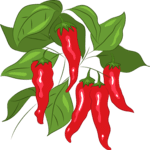
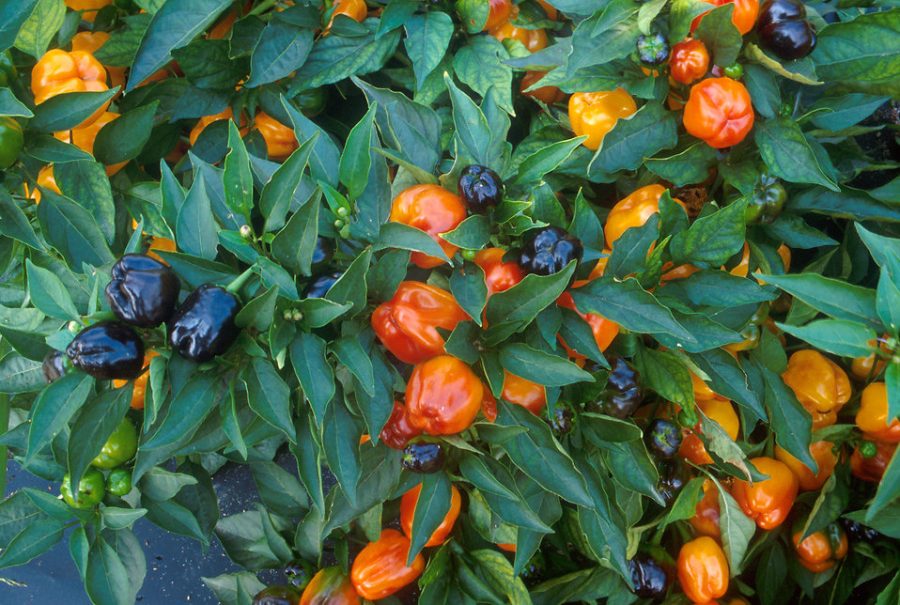
How long do pepper plants live? Pepper plants are naturally perennial and can live for several years when they’re protected from frost and given suitable growing conditions. In colder climates, we usually grow them as annuals because freezing temperatures bring the growing season to an end.
But that doesn’t necessarily mean you have to start over every year. You can overwinter a favorite pepper plant, bring container-grown plants indoors, or take cuttings to preserve a variety you want to keep growing.
What You’ll Learn
- How long pepper plants can live
- Why peppers are often grown as annuals
- What affects the lifespan of a pepper plant
- How to keep pepper plants alive for multiple seasons
- How to overwinter peppers in colder climates
- How to recognize an aging pepper plant
- How to clone a favorite pepper variety
How Long Can Pepper Plants Live?
- Pepper plants are perennial and can live for several years when grown in optimal conditions.
- However, they are often treated as annuals in colder climates.
- For longer life, bring them indoors before the first frost and provide ample sunlight and well-drained soil.
- Regular pruning and controlled fertilization can also extend their lifespan.
Ever found yourself wondering, How long can pepper plants live? Well, you’re in luck!
Today, we’re diving into the captivating world of these spicy wonders to uncover the mysteries surrounding their lifespan.
From understanding the different varieties to exploring the factors that affect their longevity, join us on this flavorful journey and become a true pepper plant connoisseur!
How Long Do Pepper Plants Live?

Welcome, fellow pepper enthusiasts! If you’ve ever been curious about the lifespan of your beloved pepper plants, you’ve come to the right place.
In this post, we’ll explore the fascinating world of these favorites: hot peppers, sweet peppers, chili peppers, and bell pepper plants delving into their various types, typical lifespans, and the factors that can influence their growth.
We’ll also share some handy tips to help you extend their lives and keep them flourishing.
So, let’s embark on this exciting and informative adventure together, and by the end, you’ll be well-equipped to nurture your pepper plants like a pro!
The Value of Grasping Your Peppers’ Lifespan
Understanding the lifespan of your pepper plants is crucial for several reasons. First, it helps you set realistic expectations for their growth and fruit production.
This knowledge also allows you to optimize their care and make the most out of their time with you.
Plus, being aware of their longevity can guide you in planning your garden or choosing the right pepper varieties that suit your preferences and climate.
The Many Factors Influencing Pepper Plant Life
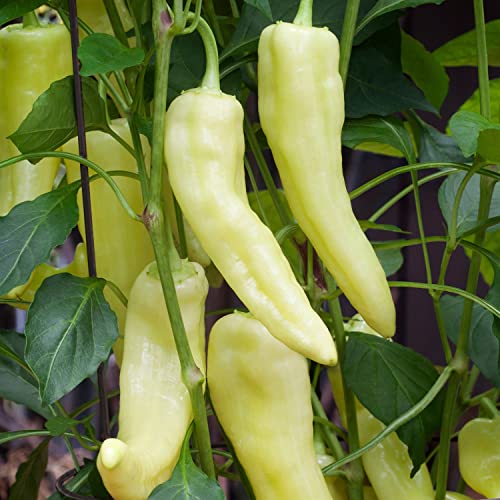
A wide array of factors can significantly affect the life of your pepper plants. These include the type of pepper plant itself, the growing conditions like climate and soil, as well as the care you provide.
By diving deeper into these aspects, you’ll gain valuable insights that can help you improve your plant’s overall health and longevity.
A Sneak Peek into Our Pepper Plant Journey
In this post, we’ll be covering a variety of topics, such as the different pepper plant varieties and their general lifespans, the factors that can impact their lives, and tips on how to extend their longevity.
We’ll also discuss the signs that indicate it might be time to bid farewell to your pepper plants or give them a rejuvenating boost.
By the end of this enlightening expedition, you’ll be well-prepared to care for your pepper plants and enjoy their spicy fruits for as long as possible!
Pepper Plant Care Reference Guide
| Characteristic | Details |
|---|---|
| Common Name | Pepper Plant |
| Botanical Name | Capsicum annuum (includes bell peppers, jalapeños, cayennes, etc.) |
| Native Habitat | Tropical and subtropical regions of Central and South America |
| Plant Type | Perennial in warm climates; grown as annual in cooler zones |
| Growth Pattern | Bushy, upright habit with branching stems |
| Mature Size | 1–4 feet tall, 1–3 feet wide depending on variety |
| Watering | Keep soil evenly moist but not soggy; about 1–2 inches per week |
| Light/Sun Exposure | Full sun; 6–8 hours daily or strong grow lights indoors |
| Soil Type | Well-draining, fertile loam enriched with organic matter |
| Soil pH | 6.0–6.8 (slightly acidic to neutral) |
| Temperature | Day: 70–85°F (21–29°C); Night: 60–70°F (16–21°C) |
| Humidity | Moderate; avoid excessive humidity to prevent disease |
| Bloom Time & Flower Color | Late spring to summer; small white to pale yellow flowers |
| Potential Problems | Aphids, spider mites, whiteflies, blossom end rot, bacterial spot |
| Repotting | When roots outgrow container; usually every 1–2 years if overwintered |
| Hardiness Zones (USDA) | 9–11 as perennial; grown as annual in zones 3–8 |
Pepper Plant Varieties and Their General Lifespan

Ready to dive into the world of pepper plants and their diverse lifespans?
In this section, we’ll introduce you to the two main categories of pepper plants, annuals, and perennials and discuss their typical lifespans.
By exploring the differences between these two groups and learning about some common varieties within each, you’ll be better equipped to choose the perfect pepper plant for your garden and nurture it for the maximum possible time.
So, let’s get started and discover the fascinating lives of these spicy delights!
Perennial Peppers Grown as Annuals: Adapting to Outdoor Climates
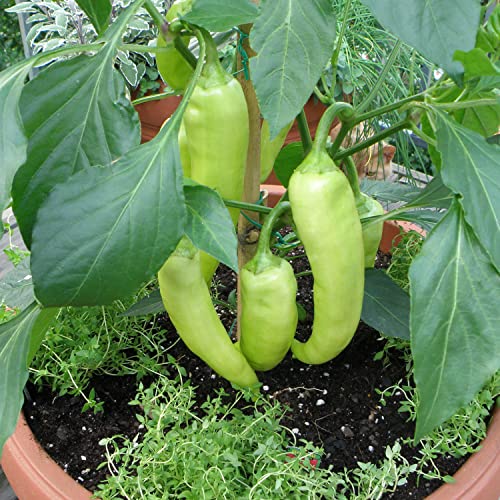
Although many pepper plants, such as red bell peppers, jalapenos, and cayenne peppers, are naturally perennial, they are often grown as annuals in outdoor climates where frost occurs.
These versatile plants boast a range of flavors, colors, and heat levels, making them a popular choice among gardeners and spicy food enthusiasts alike.
Expected Lifespan in Frosty Climates
When grown outdoors in frost-prone climates, these perennial pepper plants usually live for about 4-6 months, from the time they sprout until they produce their last fruits.
The exact duration may vary depending on the specific variety, as well as the growing conditions and care provided.
Despite their shorter life in colder climates, these plants still offer a generous and flavorful harvest.
True Perennial Peppers: Long-lasting Spicy Producers
Peppers are native to South America and grow in a warm climate. Under the right conditions there they can live for a long time and produce peppers year after year as long as they don’t freeze.
True perennial pepper plants, such as the spicy rocoto pepper and the flavorful Brazilian starfish, can live for several years, provided they’re protected from frost and receive proper care.
These varieties are cherished by gardeners who appreciate their unique flavors, heat profiles, and extended fruit production.
The Impressive Lifespan of Perennial Peppers
Under ideal conditions, perennial pepper plants can live for anywhere between 3-5 years, or even longer. Their longevity is influenced by factors such as climate, care, and protection from frost. By giving these plants the attention they need, gardeners can enjoy their spicy fruits for multiple seasons.
Factors Affecting Pepper Plant Lifespan

Curious about what influences the lifespan of your favorite pepper plants?
In this section, we’ll delve into the various factors that can impact how long these spicy gems grace your garden.
From growing conditions like climate and soil to essential plant care practices, there’s a lot to consider if you want your peppers to thrive.
So, let’s uncover the secrets behind a long and fruitful life for your pepper plants and learn how to give them the best possible care!
Growing Conditions: The Foundation for Healthy Pepper Plants
Whether you are growing transplants from a garden center or starting with pepper seeds the right environment will get your pepper plants off to a good start.
Follow the tips below for healthy plants.
In a frost-free warmer climate all pepper varieties are a perennial plant. But most of use will grow them as annuals because they come from tropical climates.
If you live in a cool climate the best way to go is raising or buying transplants can give you a head start on the season.
Climate: Finding the Right Temperature
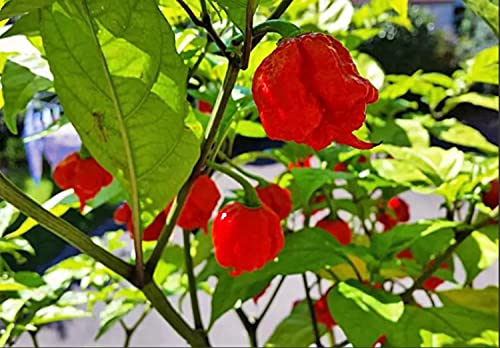
The climate plays a significant role in determining the lifespan of your pepper plants.
Peppers thrive in warm temperatures, ideally between 70-85°F (21-29°C) during the day and 60-70°F (16-21°C) at night. Lower nighttime temperatures will delay maturity.
Always hold off setting young plants out before the last frost date. Frost can be detrimental, so protecting your plants from cold snaps is crucial for their survival.
Soil Quality: Nutrients and Drainage Matter
The right soil can make all the difference when it comes to the longevity of your pepper plants.
They prefer well-draining, fertile soil with a pH between 6.0 and 6.8. Ensuring that your peppers have access to essential nutrients will help them grow strong and healthy, ultimately extending their lifespan.
Sunlight Exposure: The Fuel for Growth
Pepper plants need plenty of sunlight to thrive—usually 6-8 hours of direct sunlight per day.
Adequate sun exposure is critical for proper growth, fruit production, and overall health, so make sure your plants have access to the light they need to live their best lives.
If you are growing peppers indoors consider using an LED grow light instead of a sunny window.
Plant Care: Cultivating Happy Pepper Plants
Watering: The Key to Hydration
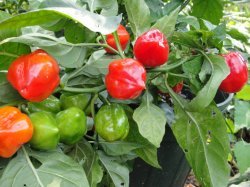
Proper watering is crucial for a pepper plant’s survival. Maintain consistently moist soil, but be careful not to overwater, as this can lead to root rot.
Generally, peppers need about 1-2 inches of water per week, depending on the climate and stage of growth.
Pruning: Encouraging a Bushy, Fruitful Plant
Pruning your pepper plants can promote bushier growth, new branches and increase fruit production, and help prevent diseases.
By removing dead or diseased leaves and branches, you’ll improve air circulation and light penetration, ultimately contributing to a healthier and longer-living plant.
Fertilization: Nourishing Your Peppers
Fertilizing your pepper plants with a balanced, slow-release fertilizer is essential for their growth and fruit production. Providing the necessary nutrients can lead to healthier plants with more robust immune systems, increasing their resistance to pests and diseases, and extending their lifespan.
Pests and Diseases: The Unwanted Visitors
Common Pests: Intruders in Your Garden
Pepper plants can fall victim to a variety of pests, such as aphids, whiteflies, and spider mites.
These pests can weaken your plants, making them more susceptible to diseases and shortening their lifespans.
Common Diseases: Battling Plant Illnesses
Diseases like bacterial leaf spot, mosaic virus, and various fungal infections can wreak havoc on your pepper plants’ health.
These diseases can lead to reduced fruit production, stunted growth, and even plant death.
Try to choose pepper varieties that have natural disease resistance.
Prevention and Treatment: Keeping Your Plants Safe
To prevent pests and diseases, maintain a clean garden, use disease-resistant varieties, and employ proper watering and fertilization techniques.
If you notice signs of infestation or illness, act quickly by treating your plants with appropriate organic or chemical controls to minimize damage and preserve their longevity.
Extending the Lifespan of Pepper Plants
Are you ready to learn the secrets to extending the lifespan of your pepper plants?
In this section, we’ll share some valuable tips and techniques that can help you maximize the time your plants spend producing those tasty, spicy fruits.
From proper care to overwintering strategies, we’ve got all the info you need to keep your pepper plants thriving for as long as possible.
So let’s dive in and discover how to give your plants the TLC they deserve, ensuring a long and fruitful life!
Mastering Essential Plant Care Techniques
Watering: Consistency is Key
Consistent and proper watering can greatly impact your pepper plants’ lifespan.
Check the soil moisture regularly and water your plants deeply when needed, ensuring the soil stays evenly moist but not soggy.
Adjust your watering schedule based on the weather, stage of growth, and specific plant requirements to keep your peppers happy and healthy.
Pruning: Boosting Growth and Productivity
Regular pruning promotes a stronger, bushier plant with increased fruit production.
Remove any dead or diseased leaves, branches, and suckers to improve airflow, light penetration, and overall plant health.
Pruning also helps prevent diseases and pest infestations, contributing to a longer lifespan for your pepper plants.
Fertilization: Feeding Your Peppers Well
Using a balanced, slow-release fertilizer throughout the growing season will provide the necessary nutrients for your pepper plants to thrive.
Proper fertilization not only increases fruit production but also strengthens your plants’ immune systems, making them more resistant to pests and diseases.
Winterizing Perennial Pepper Plants: Helping Them Brave the Cold

Overwintered Peppers: Protection from Frost
For perennial pepper plants, overwintering is an essential process to ensure their survival during colder months.
Techniques such as mulching, covering the plants with frost blankets, or moving them to a sheltered location can protect your plants from frost damage and extend their lives.
Indoor Care During Winter: A Warm Haven
If you choose to bring your perennial pepper plants indoors for the winter, be sure to provide adequate light, humidity, and temperature control.
This is much easier if you grow them in pots. If not carefully dig them up keeping as many roots as possible and repot them.
Get them indoors before the first frost. Outdoor pepper plants need time to adjust to their new home.
Transition your plants gradually to avoid shock, and adjust your watering and fertilization schedule to meet their reduced growth rate during this period.
Grafting Pepper Plants: A Creative Approach to Longevity
Grafting involves joining two plants together so that they grow as one, combining the desirable traits of both.
By grafting a pepper plant onto a hardier rootstock, you can increase its resistance to pests, diseases, and environmental stressors, ultimately extending its lifespan.
This technique requires patience and skill, but the results can be rewarding, leading to healthier, longer-living pepper plants.
Recognizing the End of a Pepper Plant’s Life

As much as we’d love our pepper plants to live forever, it’s important to recognize when they’ve reached the end of their journey.
In this section, we’ll discuss the signs that your pepper plant may be approaching the end of its life and what you can do to say goodbye gracefully.
By learning how to identify these signals, you’ll be able to give your plants the best care possible in their final days and be better prepared for future pepper plant endeavors.
So let’s explore the natural life cycle of these fiery favorites and learn when it’s time to let go.
Recognizing the Signs of Decline
Reduced Fruit Production: A Telling Sign
When a pepper plant’s fruit production begins to decline significantly, it may be an indicator that the plant is reaching the end of its life.
While it’s natural for production to vary throughout the growing season, a consistent drop in yield might mean it’s time to consider replacing or rejuvenating your plant.
Disease Susceptibility: A Weakening Immune System
As pepper plants age, they can become more susceptible to diseases.
If you notice your plant is constantly battling illnesses despite proper care, it could be a sign that it’s nearing the end of its lifespan.
Keep an eye out for recurring infections or issues that don’t resolve with treatment.
Stunted Growth: A Struggling Plant
When a pepper plant’s growth becomes stunted or it no longer produces new foliage, it may be struggling to survive.
This can be due to factors such as age, disease, or nutrient deficiencies. Monitor your plant’s overall health and vigor to determine if it’s time to take action.
Deciding Whether to Replace or Rejuvenate
Assessing the Situation: Time for a Change?
When you notice signs of decline in your pepper plant, it’s important to assess its overall condition and determine whether it’s worth trying to rejuvenate it or if it’s time to replace it.
Consider factors such as the plant’s age, the severity of its issues, and the resources needed to restore its health.
Rejuvenation Strategies: A Second Chance
If you believe your pepper plant has the potential for recovery, you can try rejuvenation strategies such as repotting, pruning, or adjusting your care routine.
These efforts might breathe new life into your plant, allowing it to produce more fruit and enjoy an extended lifespan.
If you have a rare variety consider taking a clone from a healthy branch.
Knowing When to Let Go: A New Beginning
Sometimes, despite our best efforts, it’s best to accept that a pepper plant has reached the end of its life.
In these cases, removing the plant and replacing it with a new one can be the most practical choice.
This allows you to start fresh with a healthy, vigorous plant that can provide you with a bountiful harvest for seasons to come.
Cloning Your Favorite Variety: Preserving the Best of Your Pepper Plants

If you have a favorite pepper plant variety that you’d like to keep in your garden even after the original plant reaches the end of its life, cloning can be a great option.
Cloning, or propagating, involves creating a new plant from a cutting of the original plant, which will grow into a genetically identical replica.
Selecting the Perfect Cutting: Healthy and Vigorous
To begin the cloning process, choose a healthy and vigorous stem from your favorite pepper plant.
Ideally, select a cutting that’s about 4-6 inches long, with at least a couple of sets of leaves, and no signs of disease or pest infestation.
Rooting the Cutting: Nurturing New Life
Once you have your cutting, remove the lower leaves and dip the cut end in rooting hormone to promote root growth.
Then, place the cutting in a pot filled with a well-draining, sterile growing medium, such as a mix of perlite and peat moss or coco coir.
Keep the soil consistently moist and provide the cutting with bright, indirect light.
Maintaining a warm temperature and high humidity, by using a plastic bag or dome, can also encourage successful rooting.
Transplanting the Clone: A New Beginning
After a few weeks, you should see new roots forming, and eventually, new growth will appear on the cutting.
Once the clone is well-rooted and displaying healthy growth, you can transplant it to a larger pot or directly into your garden.
Be sure to provide the young plant with the same care and attention as the original to ensure it grows strong and healthy.
By cloning your favorite pepper plant, you can preserve the characteristics you love and continue to enjoy its unique flavor and qualities for seasons to come.

Pepper Plant FAQs
Can pepper plants live multiple years?
Yes. Pepper plants are naturally perennial and can live for several years when they are protected from frost and given good growing conditions. In colder climates, they’re usually grown as annuals because freezing temperatures kill the plants.
Do pepper plants grow back every year?
In a frost-free climate, a healthy pepper plant can survive and produce again the following year. Where winters are cold, you’ll need to protect the plant from freezing temperatures or bring it indoors if you want to keep it for another season.
How long do bell pepper plants live?
Bell peppers are perennial plants and can potentially live for several years. Most are grown for a single season because they’re planted outdoors where frost eventually kills them. Protecting a healthy plant from cold gives you the opportunity to keep it growing longer.
Can you keep a bell pepper plant alive all year?
Yes. If you live where winters are cold, bring a container-grown bell pepper indoors before the first frost. Give it adequate light and adjust your watering and fertilization as its growth slows during winter.
Can I bring my pepper plants indoors for winter?
Yes. I find this easiest when peppers are already growing in pots. Garden-grown plants can also be carefully dug up, keeping as many roots as possible, and moved into containers. Bring them indoors before the first frost and give them time to adjust to their new growing conditions.
How long can an overwintered pepper plant live?
An overwintered pepper plant can potentially survive for several growing seasons. How long it lasts will depend on the variety, growing conditions, pest and disease problems, and the care you provide from year to year.
How do I know when an old pepper plant should be replaced?
Look at the overall health of the plant rather than its age alone. Consistently poor fruit production, recurring disease, weak growth, and a plant that no longer responds well to improved care can all be reasons to replace it.
Can I save a favorite pepper plant without keeping the original plant?
Yes. You can take a healthy stem cutting and root it to create a clone of the original plant. This is a useful way to preserve a favorite or hard-to-find pepper variety even when you don’t want to overwinter the entire mature plant.
How Long Do Pepper Plants Live? Final Thoughts
How Long Do Pepper Plants Live? Final Thoughts
So, how long do pepper plants live? Although we usually grow peppers as annual vegetables, the plants themselves are perennials. Protect them from frost and give them suitable growing conditions, and healthy pepper plants can potentially keep growing for several years.
For those of us who garden where winters get cold, growing peppers in containers makes keeping a favorite plant much easier. You can bring it indoors before frost, overwinter it, and move it back outside when warm weather returns.
You don’t have to keep every pepper plant forever. But if you find a variety that grows especially well or produces peppers you really enjoy, overwintering the plant or taking a clone gives you a chance to keep that favorite going from one season to the next.
Apartment Kitchen Garden: Easy Apartment Gardening Tips For Beginners
🏙️ Apartment Gardening
Turn your apartment into a thriving garden! Explore easy guides for veggies, herbs, fruits, and flowering plants—all grown indoors.
-
- 🥕 Harvesting Carrots in Containers
- 🍅 Growing Tomatoes Indoors For Beginners
- 🌱 The Best Vegetables To Grow Indoors
- 🥔 How To Grow Potatoes In A 5-Gallon Bucket Indoors
- 🧄 Growing Garlic Indoors In Pots
- 🥬 How To Grow Bok Choy Indoors
- 🫘 Growing Green Beans In Pots
- 🧅 Growing Leeks In Containers
- 🥕 How To Grow Carrots Indoors
- See all articles in our Apartment Gardening category
 Steve S. is the creator of