Apartment Kitchen Garden: Easy Apartment Gardening Tips For Beginners
Grow more flavor and spend less: an Apartment Kitchen Garden gives you year-round greens and herbs, zero yard required. Enjoy fresher meals, fewer store trips, … Read more
Practical Indoor Plant Care for Real Homes

Indoor hydroponic gardens let you grow fresh vegetables, herbs, and even some fruits without using traditional garden soil. Whether you’re growing lettuce in a mason jar or tomatoes in a deep water culture system, hydroponics gives you more control over watering and plant nutrition.
I’ve experimented with quite a few indoor growing systems over the years, including AeroGardens, Kratky containers, DWC bubble buckets, top-feed drip irrigation, Hempy buckets, and self-watering planters.
One thing I’ve learned is that you don’t need an expensive setup to get started. Some of the simplest hydroponic systems can produce excellent results with just a container, nutrients, and suitable lighting.
This Indoor Hydroponic Gardens category brings together my growing guides, system reviews, DIY projects, and firsthand experiences with growing food indoors. Whether you’re a beginner or looking to build a larger indoor garden, you’ll find plenty of practical information here.
Hydroponics is a method of growing plants without traditional soil. Instead, plants receive their nutrients from water, sometimes with the help of growing media such as coco coir, perlite, or clay pebbles.
Some systems use pumps to circulate water or deliver nutrients, while others rely on passive methods that require little equipment.
If you’re new to hydroponics, I’d start with a small system and learn how it works before investing in something larger.
AeroGardens are a convenient way to get started with hydroponics, especially if you want to grow herbs, lettuce, or compact vegetables on a kitchen counter.
They combine lighting, a water reservoir, and a nutrient delivery system into one compact unit.
I’ve used AeroGarden systems for herbs, peppers, tomatoes, and other plants. They’re convenient, although larger plants can eventually outgrow the smaller models.
Passive hydroponics is one of my favorite ways to grow indoors because you can get good results without pumps, air stones, or complicated plumbing.
The Kratky method is a good example. Plants grow in a nutrient solution while an air space develops above the water level, allowing roots to access oxygen.
I’ve used Kratky containers for lettuce and other greens, including larger reservoirs and simple mason jar setups.
Wick systems and Hempy buckets are other options worth considering if you want to keep equipment and maintenance to a minimum.
Deep water culture, usually called DWC, is another system I’ve used extensively for growing vegetables indoors.
In DWC, plant roots grow into a nutrient solution that is aerated with an air pump and air stone. This provides the moisture, nutrients, and oxygen needed for healthy root growth.
DWC can work especially well for lettuce, tomatoes, peppers, and cucumbers when you provide enough lighting and growing space.
Self-watering planters and sub-irrigated planters, often called SIPs, use a water reservoir to supply moisture to the growing medium.
These systems aren’t all hydroponic in the strict sense, but they share many of the same benefits, including reduced watering frequency and more consistent moisture delivery.
I’ve used GroBuckets, DIY sub-irrigated planters, and other self-watering systems for growing vegetables in containers.
You don’t need a dedicated greenhouse to grow vegetables hydroponically. I’ve grown plants in kitchen growing areas and converted closet spaces using LED grow lights, reservoirs, and different irrigation systems.
A closet grow room gives you more control over lighting and growing conditions, but ventilation, temperature, and available space still matter.
Top-feed drip systems are another option for growing larger vegetables in containers filled with coco coir or other suitable media.
Hydroponics works for many different crops, but some are easier to grow indoors than others.
Lettuce, basil, and other leafy greens are excellent choices for smaller systems. Tomatoes, peppers, cucumbers, and strawberries can also grow hydroponically, although they generally need more light, nutrients, and space.
For beginners, I’d start with a fast-growing crop such as lettuce. You’ll learn how to manage nutrients and water levels without waiting months for a harvest.
Once you’re comfortable with the basics, you can try larger crops and more advanced systems.
This category contains more than 60 articles covering hydroponic systems, AeroGardens, Kratky growing, deep water culture, self-watering containers, DIY equipment, and indoor vegetable gardening.
Scroll through the articles below for additional growing guides, system reviews, equipment tips, and firsthand growing reports.
Whether you’re growing a few herbs on your kitchen counter or running a larger hydroponic vegetable garden, there’s always another system or growing method worth trying.
Grow more flavor and spend less: an Apartment Kitchen Garden gives you year-round greens and herbs, zero yard required. Enjoy fresher meals, fewer store trips, … Read more
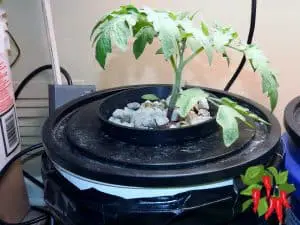
Discover how growing DWC vegetables can transform your kitchen into a mini farm. Enjoy faster harvests, higher yields, and fresh veggies all year long. If … Read more
Can You Grow Vegetables In DWC? Discover how DWC for vegetables lets you enjoy fresh, homegrown produce indoors. Faster growth, higher yields, and stress-free gardening … Read more
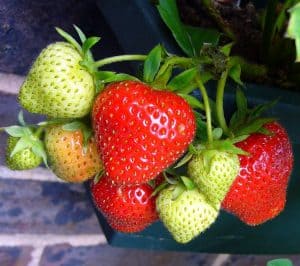
Want to learn how to grow strawberries hydroponically indoors? You don’t need a backyard or a traditional garden to enjoy fresh strawberries. With a simple … Read more
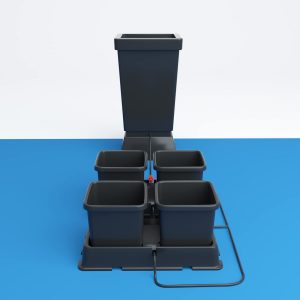
Curious about how Autopots work? They take the stress out of gardening by keeping plants consistently nourished, saving you time and boosting growth. You might … Read more
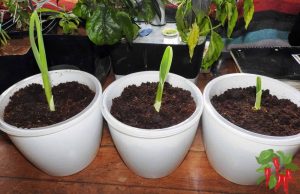
Discover how planting German Red Garlic indoors brings you fresh flavor year-round. It’s an easy, space-friendly project that rewards you with delicious bulbs every season. … Read more
The GroBucket Self Watering Planter makes gardening easier by keeping plants hydrated, reducing stress, and boosting growth for a more rewarding harvest. Thinking about trying … Read more
Self-watering plant pots make gardening simple—saving you time, reducing stress, and helping your plants stay vibrant even when life gets busy. Ever wondered how self-watering … Read more
A GroBucket setup makes gardening stress-free. You’ll enjoy consistent watering, healthier roots, and better harvests with minimal effort. If you’ve been curious about trying a … Read more
Discover how a DIY sub-irrigated planter helps your plants grow stronger with less effort. Save water, reduce stress, and enjoy healthier harvests year-round. Thinking about … Read more
Learn how to grow Bloomsdale Long Standing Spinach in an AeroGarden Harvest. Get tips and tricks to harvest your own spinach in an AeroGarden. Growing … Read more
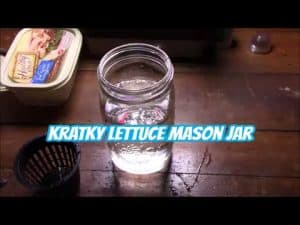
Mason jar hydroponics gives you a simple way to grow lettuce and small herbs without soil, pumps, or an airstone. This small Kratky system uses … Read more
Bubble bucket hydroponics is an easy, affordable way to enjoy bigger harvests indoors. Expect faster growth, healthier plants, and a fun DIY setup anyone can … Read more
Is hydroponics better than soil? Get faster harvests, use less water, and grow year-round—even in small spaces. See when hydroponics outperforms soil and how to … Read more
Discover how Kratky lettuce makes indoor gardening easy and rewarding. Grow fresh, crunchy greens at home with almost no upkeep and enjoy harvest after harvest. … Read more