Self-watering planters for indoor plants are something I use quite a bit in my own plant collection. I like them because they can make it easier to maintain consistent moisture, especially for plants such as ferns.
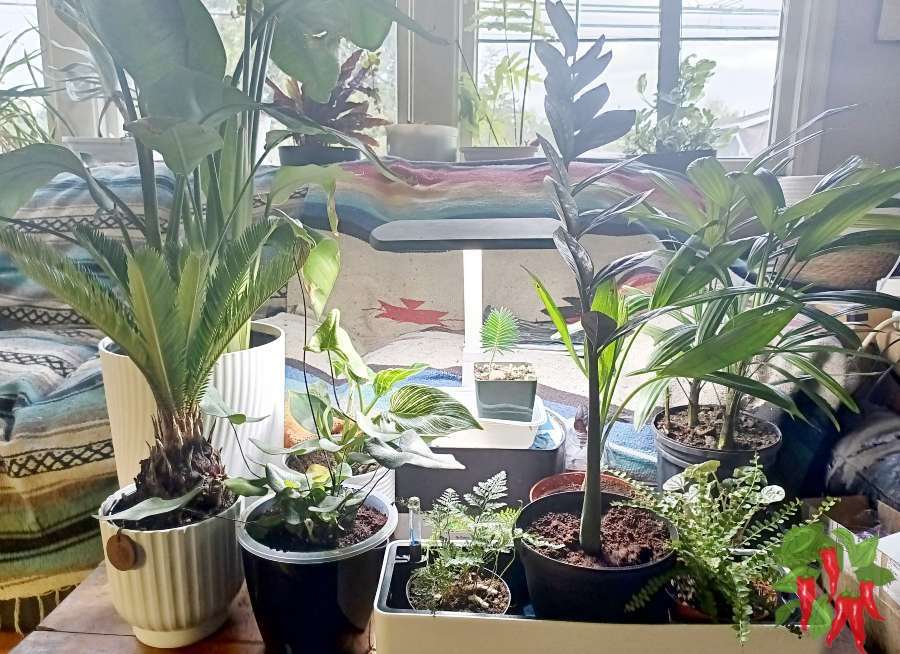
I’ve used several styles of self-watering containers, from individual pots to larger reservoir systems. My newest one is a rectangular GardenBasix planter that I’m using with a Rabbit’s Foot Fern, Lemon Button Fern, and temporarily, a ZZ Plant cutting that I’m rooting in coco coir.
I don’t use self-watering planters for every plant. The container and watering system still need to match the way the plant grows. In this guide, I’ll show you how I use self-watering planters in my own indoor garden, including what works for me and when I prefer a regular pot.
What You’ll Learn
- How self-watering planters work
- Why I use them for some indoor plants
- Why ferns are a good fit for my self-watering setups
- How I use my rectangular GardenBasix planter
- How I use coco coir in self-watering containers
- How I use a reservoir while rooting plants
- Which plants I prefer to grow in regular pots
- Common self-watering planter mistakes to avoid
Quick Answer
Self-watering planters have a reservoir that keeps moisture available to the growing medium. I use them most often for indoor plants where I want more consistent moisture, particularly ferns. I also use them for some propagation. They aren’t my choice for every plant, though. If I want a plant’s growing medium to dry considerably between waterings, I usually prefer a conventional pot with good drainage.
Self-Watering Planters at a Glance
| Feature | How I Use It |
|---|---|
| Best Use | Plants where I want to maintain more consistent moisture |
| My Main Plants | Rabbit’s Foot Fern, Lemon Button Fern Duffii , and Heart Fern |
| Propagation | I currently use the rectangular planter to help keep coco coir moist while rooting a ZZ Plant cutting |
| Growing Medium | Coco coir and perlite are common choices in my indoor growing setups |
| Useful Feature | A water-level indicator makes the reservoir easy to monitor |
| Not for Every Plant | I prefer conventional pots for plants I want to dry considerably between waterings |
| My Approach | Match the planter and watering method to the individual plant |
If you’re new to self-watering containers and want a closer look at how the reservoir system works, see my guide to what a self-watering planter means and how SIPs work.
What I’m Growing in My Rectangular Planter
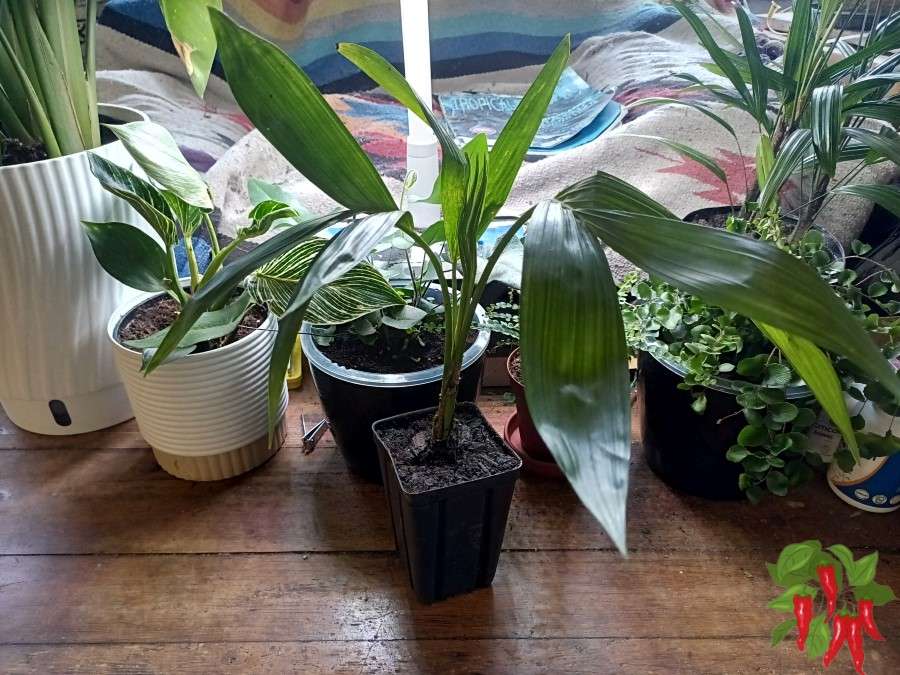
Right now, I have a Rabbit’s Foot Fern, Button Fern, and a ZZ Plant cutting I’m rooting in the rectangular planter. The plants are still in their individual pots, and I’m using the larger rectangular unit as a convenient contained system for keeping them together.
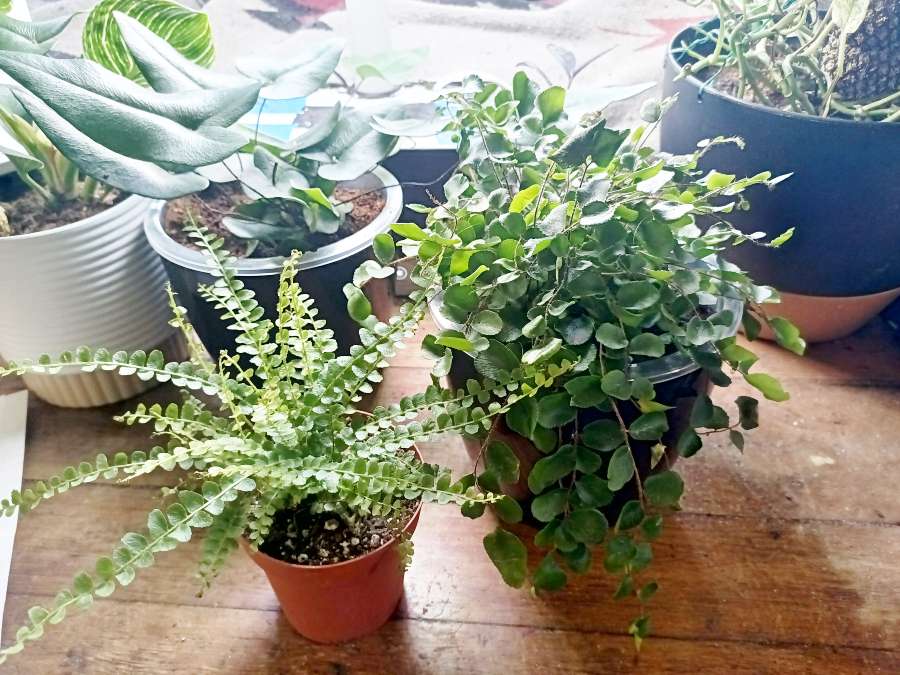
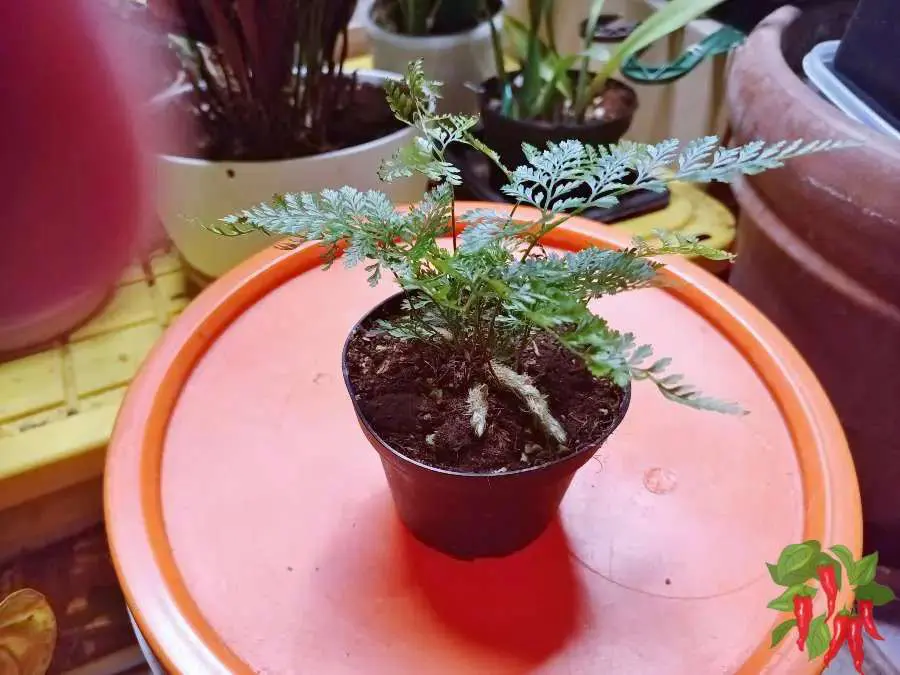
The Rabbit’s Foot Fern and Lemon Button Fern are the plants I actually bought this planter for. Both appreciate more consistent moisture, and their smaller size makes them a good fit for this long, narrow container.
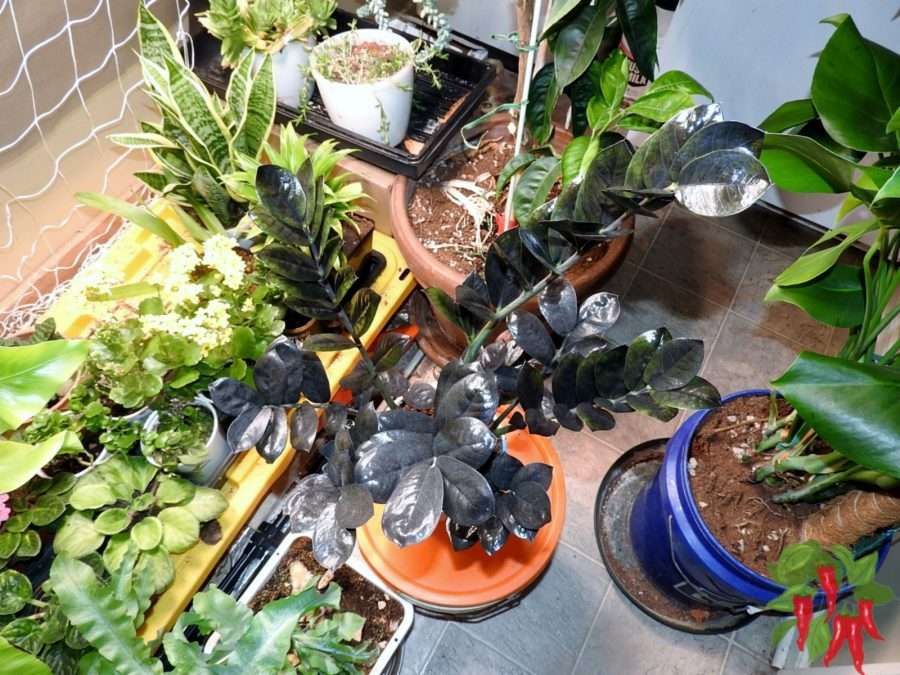
The ZZ Plant is only there temporarily while I’m rooting it. I wouldn’t normally choose a self-watering planter for an established ZZ Plant. I’m rooting this one in coco coir, and the reservoir helps me keep the coco moist while roots develop. The planter is also in a lower-light location, which works well for what I’m doing right now.
I may eventually replace the ZZ cutting with a Button Fern. That would give me three small ferns in the same rectangular planter and make better use of the consistent moisture the reservoir provides.
One thing I like about this setup is that I’m not planting all three plants together in one shared growing medium. Each plant remains in its own small pot. I can remove a plant, change its growing medium, or replace it without disturbing the others.
My Growing Tip
A self-watering planter can be useful for more than established plants. I also use reservoir systems when I’m rooting plants in coco coir and want to maintain consistent moisture. The important thing is matching the way you use the planter to what the plant needs at that particular stage of growth.
Best Plants for Self-Watering Planters
I think the best plants for self-watering planters are plants that benefit from relatively consistent moisture. That doesn’t mean the growing medium should remain saturated. The reservoir simply gives the plant access to moisture without the repeated wet-and-dry cycle you can get with conventional watering.
Ferns are one of the main reasons I use self-watering containers. I grow several kinds of ferns indoors, and a reservoir makes it easier for me to maintain the moisture they prefer.
Other houseplants can also work well in self-watering systems, but I don’t choose a container just because a plant is classified as an indoor plant. I look at how I normally water that particular plant and whether having a reservoir actually provides an advantage.
Self-watering systems come in quite a few designs. I’ve also used larger systems such as my GroBucket self-watering planter, which uses the same basic idea of keeping a water reservoir available below the growing area.
Using Self-Watering Planters for Ferns
Ferns are a natural fit for the way I use self-watering planters. Many of the ferns I grow prefer a growing medium that stays moist without becoming soggy, and that’s easier for me to maintain when water is available from a reservoir below the plant.
The rectangular GardenBasix planter is a good example. I bought it primarily for several small ferns that I want to grow together in my bathroom. Its long shape gives me room for multiple small pots while the outer container keeps the watering system contained.
Rabbit’s Foot Fern
My Rabbit’s Foot Fern is one of the plants I’m using in the rectangular planter. Rabbit’s Foot Ferns develop distinctive fuzzy rhizomes that eventually creep across the surface and sides of their containers.
I want to maintain fairly consistent moisture around the roots without burying or constantly soaking those exposed rhizomes. Keeping the fern in its own smaller pot inside the larger self-watering planter gives me more control over how I grow it.
Rabbit’s Foot Fern Care Indoors: Light, Water & Growing Tips
Button Fern
I’m also growing a Button Fern in the rectangular planter. This is another compact fern that works well where I don’t have room for a large plant.
I’ve grown my Lemon Button Fern in a self-watering setup because I like being able to provide consistent moisture without having to constantly check whether a small container has dried out.
My Heart Fern Uses a Larger Self-Watering Planter
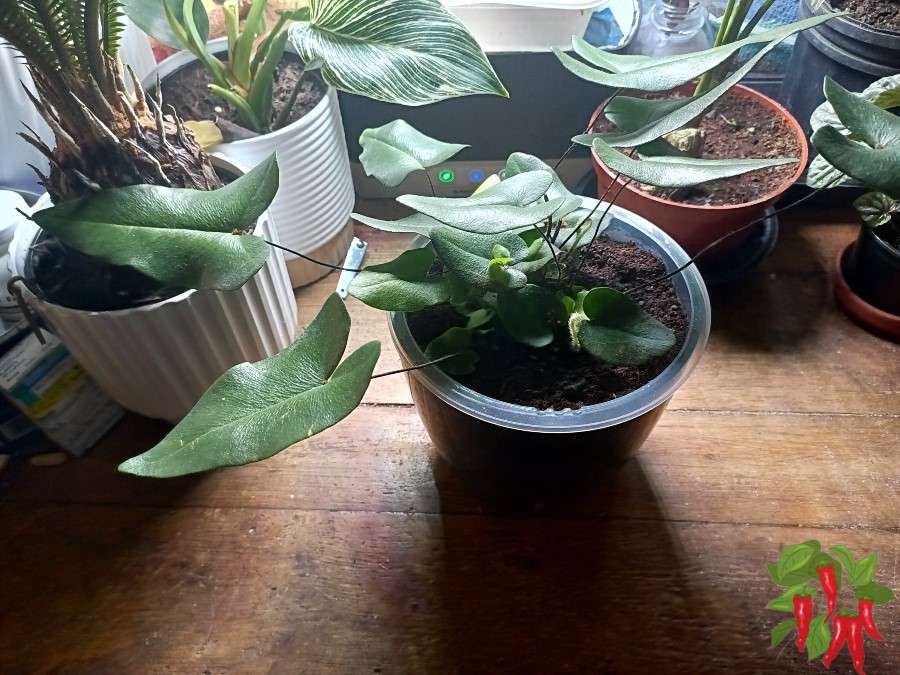
My Heart Fern is another fern I’m growing with a self-watering system, but it isn’t in the rectangular GardenBasix planter. It’s already established in a separate, larger self-watering pot that works well for it.
I considered putting the Heart Fern with the other small ferns, but its existing pot is too large to fit comfortably inside the rectangular planter. I don’t see any reason to repot a plant that’s already doing well just to make it fit a different container.
The Heart Fern is a good example of why I use different sizes and styles of self-watering planters. The basic principle may be the same, but the container still needs to fit the individual plant and its root system.
My Growing Tip
I wouldn’t repot a healthy plant simply to move it into a particular self-watering planter. If the existing container is working, I leave the plant alone and choose another planter when I need one.
Using a Self-Watering Planter for Propagation
Self-watering planters can also be useful for propagation. That’s why there’s currently a ZZ Plant cutting sitting alongside the two ferns in my rectangular planter.
The ZZ cutting is not there because I think an established ZZ Plant needs a self-watering planter. ZZ Plants can tolerate their growing medium drying considerably between waterings, so I wouldn’t normally choose this type of container for an established plant.
I’m currently rooting the cutting in coco coir. At this stage, I want to keep the coco moist while roots develop, and the reservoir helps me maintain that moisture more consistently.
The rectangular planter is also in a lower-light location, which works well for what I’m doing with the cutting right now. Once the ZZ has developed a good root system, I can remove it and grow it separately.
This is one advantage of keeping the plants in individual pots inside the larger rectangular planter. Nothing is permanent. I can use an empty space for propagation and then replace the rooted plant with something else later.
Growing Media for Self-Watering Planters
The growing medium matters just as much as the planter. A self-watering reservoir isn’t very useful if the growing medium can’t move moisture effectively or if it becomes so saturated that there isn’t enough air around the roots.
I use coco coir and perlite for many of my indoor plants. Coco coir holds moisture and can wick water, while perlite adds drainage and air space around the roots.
I can adjust the mixture depending on the plant. A fern that appreciates consistent moisture doesn’t necessarily need exactly the same mixture as another houseplant I’m growing in a reservoir system.
That’s another reason I like keeping some plants in separate pots rather than planting several species directly into one large rectangular planter. Each plant can have the growing medium that works for it.
If you’re ready to set up one of these containers, I also have a step-by-step guide on how to plant in a self-watering planter.
Why Wicking Matters
For a self-watering planter to work, moisture has to move from the reservoir into the root zone. Some containers use a separate wick, while others are designed so the growing medium or a portion of the inner container remains in contact with the water below.
The goal is not to submerge the entire root system. I want moisture moving upward into the growing medium while still maintaining air around the roots.
How I Water Self-Watering Planters
One thing I like about a self-watering planter is that it reduces some of the guesswork. If the planter has a water-level indicator, I can see whether there is water remaining in the reservoir.
The GardenBasix rectangular planter has an indicator for exactly this purpose. I can refill the system from the top and monitor the water level without repeatedly removing the plants to see what’s happening underneath them.
I still pay attention to the plants and growing medium. A water-level indicator tells me how much water is in the reservoir. It doesn’t tell me everything about the moisture around the roots or whether a particular plant currently needs more water.
How quickly the reservoir empties will also change with the plants, temperature, light, humidity, and time of year. I don’t expect every self-watering planter in my collection to need refilling at the same interval.
Quick Tip
A water-level indicator is useful, but I still look at the plant. Self-watering doesn’t mean you can fill the reservoir and completely forget about what’s happening above it.
Do I Keep the Reservoir Full All the Time?
I don’t think every self-watering planter needs to be treated exactly the same way. How I manage the reservoir depends on the plant I’m growing, the size of the container, and how quickly the growing medium is using moisture.
For a moisture-loving fern, maintaining access to water can be one of the main reasons I’m using the planter in the first place. With another plant or during slower growth, I may allow the reservoir to get lower before adding more water.
The important thing is that I’m not following a calendar and automatically topping every reservoir off on the same day. I use the water-level indicator, check the growing medium when necessary, and watch how the individual plant is responding.
Self-Watering Doesn’t Mean Waterlogged
One misconception about self-watering planters is that the roots are supposed to sit in a container full of water. That’s not how I want the system to work.
The reservoir supplies moisture to the growing medium, but I still want air around the roots. That’s why the design of the planter and the growing medium both matter.
If a plant starts struggling, I don’t assume that adding more water to the reservoir will fix it. I check the root zone, growing medium, light, temperature, and the plant itself just as I would with a conventional container.
A self-watering planter makes watering easier for me, but it doesn’t replace actually paying attention to the plant.
Plants I Wouldn’t Automatically Put in a Self-Watering Planter
I use a lot of self-watering planters, but I don’t consider them the best choice for every indoor plant. The first thing I look at is how the plant prefers to be watered.
If I’m growing a plant that benefits from relatively consistent moisture, a reservoir can make my job easier. If I’m growing something that I deliberately allow to dry considerably between waterings, I may prefer a conventional container with good drainage.
That’s why I don’t choose a self-watering planter simply because one happens to fit the plant. The watering system needs to fit the way I want to grow it.
Dioon Edule Is One Example
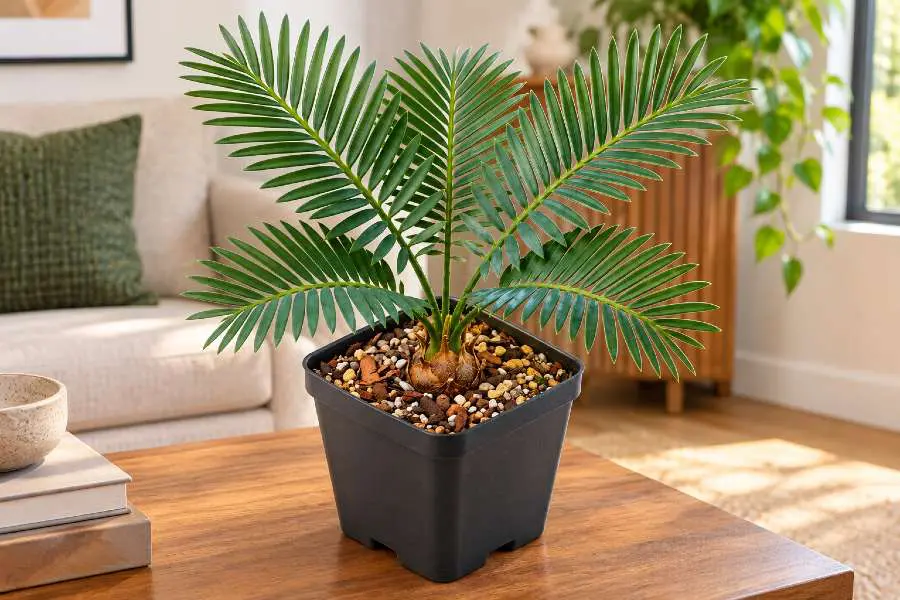
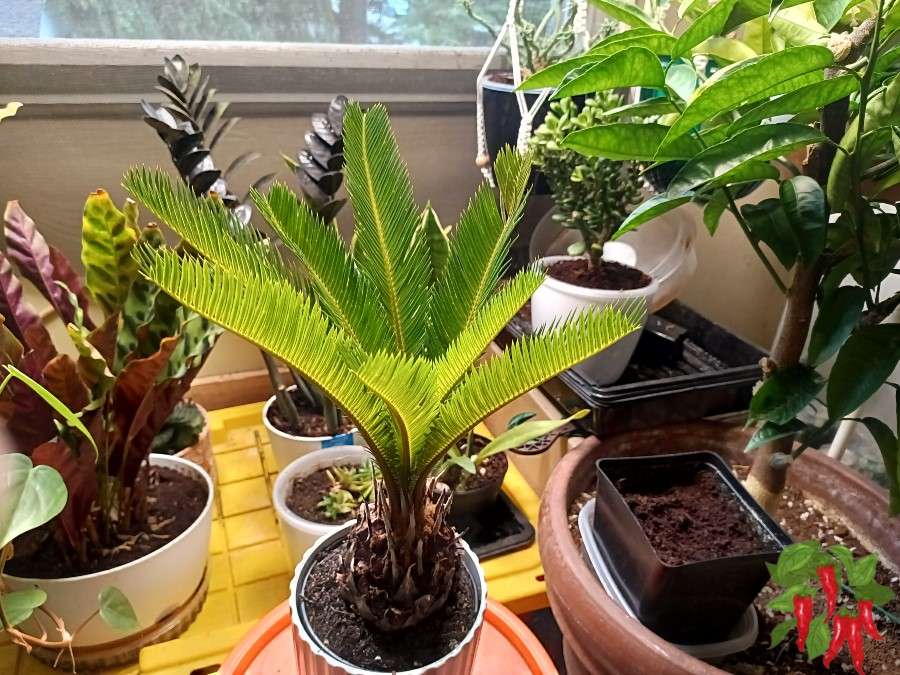
My Dioon edule is a good example of a plant I wouldn’t put in a self-watering planter. This slow-growing cycad doesn’t like sitting in a cold, wet growing medium, and root rot is one of the main problems I watch for.
I want to water my Dioon thoroughly and then allow the growing medium to begin drying before I water it again. For that plant, I prefer a conventional container with drainage holes and my well-draining coco coir and perlite mix.
That doesn’t make one type of planter better than the other. I’m simply matching the container and watering method to the plant.
An Established ZZ Plant Is Another Example
The ZZ Plant cutting currently in my rectangular planter can be a little misleading if you only look at the photo. I’m not using the reservoir because I think an established ZZ Plant needs constantly available moisture.
I’m using it temporarily while the cutting roots in coco coir. I want to maintain moisture while roots develop. Once it has a good root system, I can remove it from this setup and grow it separately.
This is a good example of how the same plant may have different needs at different stages. I’m using the self-watering system as a propagation tool rather than as the permanent home for my ZZ Plant.
Common Self-Watering Planter Mistakes
Self-watering planters can make indoor plant care easier, but you still need to pay attention to how the system is working. Most problems come from treating the planter as something you can fill with water and then completely forget about.
Choosing the Wrong Plant
The first mistake is assuming every houseplant will benefit from a reservoir. I prefer using these planters where consistent moisture gives me an advantage.
For plants that I deliberately allow to dry more thoroughly, I usually prefer a conventional container.
Using the Wrong Growing Medium
The growing medium has to work with the watering system. It needs to move moisture into the root zone while still maintaining enough air around the roots.
I use coco coir and perlite for many of my plants because I can adjust the mixture depending on how much moisture retention and drainage I want.
Assuming the Water-Level Indicator Tells You Everything
I really like water-level indicators, including the one on my rectangular GardenBasix planter. They make it easy to see whether water remains in the reservoir.
But the indicator only tells me what’s happening in the reservoir. I still look at the plant and pay attention to the growing medium and roots.
Automatically Keeping the Reservoir Full
I don’t think of the maximum line as a command to immediately refill the planter every time the water level drops. How I manage the reservoir depends on what I’m growing and how quickly the plant is using water.
A moisture-loving fern may benefit from more consistent access to water than another type of houseplant. I let the plant determine how I use the reservoir.
Putting Several Plants Directly Into One Growing Medium
A long rectangular planter may look like a good place to plant several different houseplants together, but that can create problems when the plants have different watering or growing-medium requirements.
That’s one reason I’m keeping my small plants in individual pots inside the GardenBasix planter. I can move each plant independently and give it the growing medium that works for it.
Cleaning and Maintaining Self-Watering Planters
Self-watering planters still need occasional maintenance. Because water sits in a reservoir, I like being able to separate the components and see what’s happening inside.
When necessary, empty the reservoir and rinse it out. This gives you an opportunity to remove accumulated debris and check the inner container, openings, wicks, or other parts that move water into the growing medium.
Mineral and fertilizer residue can also accumulate over time. If you notice buildup, cleaning the reservoir and periodically flushing the growing medium from the top can help remove some of the accumulated salts.
I also check the roots when they’re visible around the lower openings. Roots naturally grow toward moisture, so don’t be surprised if some eventually find their way toward the reservoir.
Are Self-Watering Planters Worth It?
For the way I grow indoor plants, yes. I use enough self-watering planters that they’ve become a regular part of my indoor gardening setup.
I particularly like them for plants where I want to maintain more consistent moisture. My ferns are a good example. The reservoir gives them access to moisture while reducing how often I have to manually water small containers.
The water-level indicator found on many designs is another feature I appreciate. Instead of lifting pots or guessing how much water remains, I can take a quick look at the indicator.
For me, the biggest advantage isn’t that a self-watering planter takes plant care out of my hands. It simply gives me another way to manage moisture.
Self-Watering Planters for Indoor Plants FAQs
Do self-watering planters really work?
Yes. A properly set up self-watering planter provides a reservoir below the growing area so moisture can move into the root zone. I use several of them with my own indoor plants, particularly plants where I want more consistent moisture.
What plants do well in self-watering planters?
Plants that appreciate relatively consistent moisture are good candidates. I particularly like using self-watering planters for ferns. My Rabbit’s Foot Fern, Lemon Button Fern, and Heart Fern are examples from my own collection.
Are self-watering planters good for ferns?
I’ve found them useful for the ferns I grow because they make it easier for me to maintain consistent moisture. I still pay attention to the individual fern, growing medium, reservoir, and root condition rather than assuming every fern should be watered exactly the same way.
Can I use coco coir in a self-watering planter?
Yes. I use coco coir for many of my indoor plants. It holds and moves moisture well, and I often combine it with perlite to increase drainage and air space around the roots.
Can you put several plants in one self-watering planter?
You can, but I like keeping different plants in their own smaller pots when possible. I can then group the individual pots inside a larger rectangular self-watering planter without forcing all of the plants to share the same growing medium.
Should a self-watering planter always have water in it?
I manage the reservoir according to the plant rather than automatically keeping every planter completely full. A plant that prefers consistent moisture may use the reservoir differently from one that benefits from a period with less moisture.
Can self-watering planters cause root rot?
Root problems can occur if the growing conditions keep the root zone too wet or poorly aerated. The plant, growing medium, planter design, and the way you manage the reservoir all matter. I don’t use a self-watering planter for a plant simply because I can.
Can I use a self-watering planter for propagation?
Yes. I’m currently using my rectangular planter to help maintain moisture in coco coir while rooting a ZZ Plant cutting. That’s a temporary propagation setup rather than how I plan to grow the established ZZ Plant.
Do self-watering planters mean you never have to water from the top?
No. Depending on the planter and growing medium, top watering can still be useful. It can help initially establish contact between the growing medium and the reservoir system, and occasionally watering from above can help flush accumulated fertilizer salts through the growing medium.
Final Thoughts on Self-Watering Planters for Indoor Plants
Self-watering planters for indoor plants have become one of the tools I regularly use in my own indoor garden. I like the convenience, but the main reason I use them is the control they give me over moisture.
My ferns are probably the best example. My Rabbit’s Foot Fern and Lemon Button Fern fit into the new rectangular GardenBasix planter, while my Heart Fern is already growing in its own larger self-watering planter. I can use different styles and sizes of reservoir planters depending on what each plant needs.
I’m also finding other uses for them. Right now, the extra space in my rectangular planter is helping me maintain moist coco coir while I root a ZZ Plant cutting. Once that plant is established, I can remove it and use the space for something else.
At the same time, I don’t use self-watering containers for everything. My Dioon edule and Sago Palms are good examples. I want those plants to drain well and begin drying between waterings, so I prefer a conventional container.
That’s really the way I look at self-watering planters. They’re not a replacement for understanding how your plants grow. They’re simply another tool you can use to make watering easier when the planter, growing medium, and plant are a good match.
As I continue using the rectangular planter and my other self-watering pots, I’ll update this guide with more of my own photos and observations.
Happy gardening, and keep it green!
Explore Plants I Grow in Self-Watering Planters
If you’re deciding what to grow in a self-watering planter, these guides show some of the plants and growing methods I use in my own indoor garden:
Rabbit’s Foot Fern Care Indoors: Light, Water & Growing Tips
References
- Virginia Cooperative Extension – Properly Watering Container Houseplants
- Washington State University Extension – Houseplants: Self-Watering Pots
- University of Maryland Extension – Self-Watering Containers
- Mississippi State University Extension – Subirrigated Containers for the Mississippi Gardener
 Steve S. is the creator of